
Poem Fragment
Advertisements

Intro As I watch the minutes pass, I become increasingly aware of how time shapes me in ways I rarely notice until I pause to look inward. Each second seems to carry away a small piece of my innocence, leaving behind a version of myself that is more guarded, more distant from the softness I…

This poem presents a speaker who finds comfort and belonging in the warmth of summer and the beauty of the city while quietly grappling with feelings of romantic isolation. The sun, breeze, and urban architecture are portrayed as welcoming companions, offering acceptance and wonder in contrast to the perceived distance from “pretty women.” Rather than…

Intro This poem is an introspective reflection on the struggle to preserve creativity while dealing with emotional pain, loneliness, and the pressures of adulthood. The speaker searches for inspiration through sunlight, solitude, and spirituality, hoping to stop their creative spirit from fading away despite feeling emotionally frozen during “sunny days.” The poem contrasts the innocence…
Intro In the shadow of mortality, where the final silence calls my name, I cry out with desperate urgency: Lord, save my soul quickly and swiftly. Death lingers at my door, whispering promises of six feet deep peace — a cold rest I am not ready to embrace. Yet even as the grave beckons, vanity…

Intro In quiet moments I catch myself remembering your exotic Brazilian grace, how it spills into my days like warm light I didn’t know I needed. Your caramel skin glowing under the sun still lingers behind my eyes, stirring a strange reverence that feels almost sacred. Part of me wonders if you are kin to…

Intro I sit alone in this heavy silence, watching myself slowly fade. Je suis engourdi — numb, detached, as vanity quietly crowned herself queen and my soul began rehearsing its own death with terrifying ease. I see it on every screen, jumping off bridges in tragic slow motion, while something inside me barely reacts anymore.…

Intro In the quiet interplay between divine inspiration and inner turmoil, creativity often unfolds as a sacred battle. This poem captures that delicate tension with striking spiritual imagery: the gentle descent of the Holy Spirit, arriving like a dove to ignite the soul with words and wonder, contrasted against the dark interference of overthinking —…
Intro In the shadows of spiritual warfare, a powerful poem titled “Her Master” exposes the cunning tactics of darkness. Her master harbors a dozen souls in his favor, rising from the sewers with plans to conquer the world forever. Yet before he could lay hands on this soul, the narrator rose up with raw conviction…
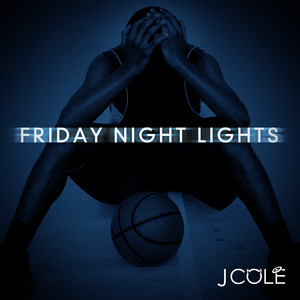
Intro Under the glow of those Friday night lights, I battled something no one could see. Lusting in my mind over her felt harmless to the world around me, but deep down I knew the truth: it was no different from premeditated murder. Staring at God’s perfect standards in the mirror, I saw myself clearly…
Intro I wrote this poem as a reflection on life’s complex and emotional journey, imagining it as a deep soundtrack whose lyrics are too profound for any simple intro. It moves from the pure innocence of a child’s smile to the divine beauty of an angel’s magnificent halo, while accepting that life is filled with…
Poem Fragment
Intro As I watch the minutes pass, I become increasingly aware of how time shapes me in ways I rarely notice until I pause to look inward. Each second seems to carry away a small piece of my innocence, leaving behind a version of myself that is more guarded, more distant from the softness I…
This poem presents a speaker who finds comfort and belonging in the warmth of summer and the beauty of the city while quietly grappling with feelings of romantic isolation. The sun, breeze, and urban architecture are portrayed as welcoming companions, offering acceptance and wonder in contrast to the perceived distance from “pretty women.” Rather than…
Intro This poem is an introspective reflection on the struggle to preserve creativity while dealing with emotional pain, loneliness, and the pressures of adulthood. The speaker searches for inspiration through sunlight, solitude, and spirituality, hoping to stop their creative spirit from fading away despite feeling emotionally frozen during “sunny days.” The poem contrasts the innocence…
Intro In the shadow of mortality, where the final silence calls my name, I cry out with desperate urgency: Lord, save my soul quickly and swiftly. Death lingers at my door, whispering promises of six feet deep peace — a cold rest I am not ready to embrace. Yet even as the grave beckons, vanity…
Intro In quiet moments I catch myself remembering your exotic Brazilian grace, how it spills into my days like warm light I didn’t know I needed. Your caramel skin glowing under the sun still lingers behind my eyes, stirring a strange reverence that feels almost sacred. Part of me wonders if you are kin to…
Intro I sit alone in this heavy silence, watching myself slowly fade. Je suis engourdi — numb, detached, as vanity quietly crowned herself queen and my soul began rehearsing its own death with terrifying ease. I see it on every screen, jumping off bridges in tragic slow motion, while something inside me barely reacts anymore.…
Intro In the quiet interplay between divine inspiration and inner turmoil, creativity often unfolds as a sacred battle. This poem captures that delicate tension with striking spiritual imagery: the gentle descent of the Holy Spirit, arriving like a dove to ignite the soul with words and wonder, contrasted against the dark interference of overthinking —…
Intro In the shadows of spiritual warfare, a powerful poem titled “Her Master” exposes the cunning tactics of darkness. Her master harbors a dozen souls in his favor, rising from the sewers with plans to conquer the world forever. Yet before he could lay hands on this soul, the narrator rose up with raw conviction…
Intro Under the glow of those Friday night lights, I battled something no one could see. Lusting in my mind over her felt harmless to the world around me, but deep down I knew the truth: it was no different from premeditated murder. Staring at God’s perfect standards in the mirror, I saw myself clearly…
Intro I wrote this poem as a reflection on life’s complex and emotional journey, imagining it as a deep soundtrack whose lyrics are too profound for any simple intro. It moves from the pure innocence of a child’s smile to the divine beauty of an angel’s magnificent halo, while accepting that life is filled with…

Poem Fragment
Intro As I watch the minutes pass, I become increasingly aware of how time shapes me in ways I rarely notice until I pause to look inward. Each second seems to carry away a small piece of my innocence, leaving behind a version of myself that is more guarded, more distant from the softness I…
This poem presents a speaker who finds comfort and belonging in the warmth of summer and the beauty of the city while quietly grappling with feelings of romantic isolation. The sun, breeze, and urban architecture are portrayed as welcoming companions, offering acceptance and wonder in contrast to the perceived distance from “pretty women.” Rather than…
Intro This poem is an introspective reflection on the struggle to preserve creativity while dealing with emotional pain, loneliness, and the pressures of adulthood. The speaker searches for inspiration through sunlight, solitude, and spirituality, hoping to stop their creative spirit from fading away despite feeling emotionally frozen during “sunny days.” The poem contrasts the innocence…
Intro In the shadow of mortality, where the final silence calls my name, I cry out with desperate urgency: Lord, save my soul quickly and swiftly. Death lingers at my door, whispering promises of six feet deep peace — a cold rest I am not ready to embrace. Yet even as the grave beckons, vanity…
Intro In quiet moments I catch myself remembering your exotic Brazilian grace, how it spills into my days like warm light I didn’t know I needed. Your caramel skin glowing under the sun still lingers behind my eyes, stirring a strange reverence that feels almost sacred. Part of me wonders if you are kin to…
Intro I sit alone in this heavy silence, watching myself slowly fade. Je suis engourdi — numb, detached, as vanity quietly crowned herself queen and my soul began rehearsing its own death with terrifying ease. I see it on every screen, jumping off bridges in tragic slow motion, while something inside me barely reacts anymore.…
Intro In the quiet interplay between divine inspiration and inner turmoil, creativity often unfolds as a sacred battle. This poem captures that delicate tension with striking spiritual imagery: the gentle descent of the Holy Spirit, arriving like a dove to ignite the soul with words and wonder, contrasted against the dark interference of overthinking —…
Intro In the shadows of spiritual warfare, a powerful poem titled “Her Master” exposes the cunning tactics of darkness. Her master harbors a dozen souls in his favor, rising from the sewers with plans to conquer the world forever. Yet before he could lay hands on this soul, the narrator rose up with raw conviction…
Intro Under the glow of those Friday night lights, I battled something no one could see. Lusting in my mind over her felt harmless to the world around me, but deep down I knew the truth: it was no different from premeditated murder. Staring at God’s perfect standards in the mirror, I saw myself clearly…
Intro I wrote this poem as a reflection on life’s complex and emotional journey, imagining it as a deep soundtrack whose lyrics are too profound for any simple intro. It moves from the pure innocence of a child’s smile to the divine beauty of an angel’s magnificent halo, while accepting that life is filled with…

Description
This poem offers a contemplative glimpse into the poet’s mind as they engage in everyday activities. The poem begins with the poet reflecting deeply while eating a slice of pizza, contemplating their spiritual fate. They reject the idea of going to hell and express a preference for going to heaven, demonstrating reverence and seeking forgiveness for past disobedience.
The poem then shifts to a modern scene of scrolling on a mobile device, which leaves the poet feeling mentally numb and paralyzed. This contrast between spiritual contemplation and digital distraction highlights the poet’s struggle to balance the two.
In the midst of this mental chaos, the poet reaffirms their faith, declaring that their devotion to Allah will never lead them to commit acts of terror in the name of religion. They speak of women in heaven as a divine surprise, indicating their respect for the spiritual rewards promised by their faith.
The poem concludes with the poet seeking solitude, sipping grape juice and reflecting on life. This final image ties together the themes of contemplation, spirituality, and the search for personal peace amid the distractions of modern life.
Intro As I watch the minutes pass, I become increasingly aware of how time shapes me in ways I rarely notice until I pause to look inward. Each second seems to carry away a small piece of my innocence, leaving behind a version of myself that is more guarded, more distant from the softness I…
This poem presents a speaker who finds comfort and belonging in the warmth of summer and the beauty of the city while quietly grappling with feelings of romantic isolation. The sun, breeze, and urban architecture are portrayed as welcoming companions, offering acceptance and wonder in contrast to the perceived distance from “pretty women.” Rather than…
Intro This poem is an introspective reflection on the struggle to preserve creativity while dealing with emotional pain, loneliness, and the pressures of adulthood. The speaker searches for inspiration through sunlight, solitude, and spirituality, hoping to stop their creative spirit from fading away despite feeling emotionally frozen during “sunny days.” The poem contrasts the innocence…
Intro In the shadow of mortality, where the final silence calls my name, I cry out with desperate urgency: Lord, save my soul quickly and swiftly. Death lingers at my door, whispering promises of six feet deep peace — a cold rest I am not ready to embrace. Yet even as the grave beckons, vanity…
Intro In quiet moments I catch myself remembering your exotic Brazilian grace, how it spills into my days like warm light I didn’t know I needed. Your caramel skin glowing under the sun still lingers behind my eyes, stirring a strange reverence that feels almost sacred. Part of me wonders if you are kin to…
Intro I sit alone in this heavy silence, watching myself slowly fade. Je suis engourdi — numb, detached, as vanity quietly crowned herself queen and my soul began rehearsing its own death with terrifying ease. I see it on every screen, jumping off bridges in tragic slow motion, while something inside me barely reacts anymore.…
Intro In the quiet interplay between divine inspiration and inner turmoil, creativity often unfolds as a sacred battle. This poem captures that delicate tension with striking spiritual imagery: the gentle descent of the Holy Spirit, arriving like a dove to ignite the soul with words and wonder, contrasted against the dark interference of overthinking —…
Intro In the shadows of spiritual warfare, a powerful poem titled “Her Master” exposes the cunning tactics of darkness. Her master harbors a dozen souls in his favor, rising from the sewers with plans to conquer the world forever. Yet before he could lay hands on this soul, the narrator rose up with raw conviction…
Intro Under the glow of those Friday night lights, I battled something no one could see. Lusting in my mind over her felt harmless to the world around me, but deep down I knew the truth: it was no different from premeditated murder. Staring at God’s perfect standards in the mirror, I saw myself clearly…
Intro I wrote this poem as a reflection on life’s complex and emotional journey, imagining it as a deep soundtrack whose lyrics are too profound for any simple intro. It moves from the pure innocence of a child’s smile to the divine beauty of an angel’s magnificent halo, while accepting that life is filled with…

Description
The video you’re describing seems to dive into the fascinating intersections between the psychological thriller Perfect Blue (1997) and the rapid advancements in technology, particularly artificial intelligence (AI), social media, and digital personas. Perfect Blue, directed by Satoshi Kon, has long been admired for its complex exploration of identity, reality, and mental disintegration. The film’s central narrative involves Mima, a pop idol who transitions into acting, only to find herself stalked by a mysterious figure, all while her sense of self starts to fracture due to the pressures of her public persona and increasingly invasive technology.
Here’s how the themes in Perfect Blue might align with today’s technology-driven world:
Given the advancements in AI, social media, and virtual reality, Perfect Blue feels more prophetic than ever. The film’s exploration of identity, surveillance, and the tension between the real and the virtual speaks directly to contemporary anxieties about how technology shapes our sense of self and our interaction with the world around us. As we continue to grapple with the ethical and psychological consequences of AI, deepfakes, virtual idols, and digital fame, Perfect Blue offers an unsettling yet insightful reflection on the potential dangers of a hyper-mediated world.
In short, Satoshi Kon’s iconic anime continues to resonate with modern issues, making it a must-watch for anyone interested in the intersection of technology, identity, and human psychology.

Intro As I watch the minutes pass, I become increasingly aware of how time shapes me in ways I rarely notice until I pause to look inward. Each second seems to carry away a small piece of my innocence, leaving behind a version of myself that is more guarded, more distant from the softness I…
This poem presents a speaker who finds comfort and belonging in the warmth of summer and the beauty of the city while quietly grappling with feelings of romantic isolation. The sun, breeze, and urban architecture are portrayed as welcoming companions, offering acceptance and wonder in contrast to the perceived distance from “pretty women.” Rather than…
Intro This poem is an introspective reflection on the struggle to preserve creativity while dealing with emotional pain, loneliness, and the pressures of adulthood. The speaker searches for inspiration through sunlight, solitude, and spirituality, hoping to stop their creative spirit from fading away despite feeling emotionally frozen during “sunny days.” The poem contrasts the innocence…
Intro In the shadow of mortality, where the final silence calls my name, I cry out with desperate urgency: Lord, save my soul quickly and swiftly. Death lingers at my door, whispering promises of six feet deep peace — a cold rest I am not ready to embrace. Yet even as the grave beckons, vanity…
Intro In quiet moments I catch myself remembering your exotic Brazilian grace, how it spills into my days like warm light I didn’t know I needed. Your caramel skin glowing under the sun still lingers behind my eyes, stirring a strange reverence that feels almost sacred. Part of me wonders if you are kin to…
Intro I sit alone in this heavy silence, watching myself slowly fade. Je suis engourdi — numb, detached, as vanity quietly crowned herself queen and my soul began rehearsing its own death with terrifying ease. I see it on every screen, jumping off bridges in tragic slow motion, while something inside me barely reacts anymore.…
Intro In the quiet interplay between divine inspiration and inner turmoil, creativity often unfolds as a sacred battle. This poem captures that delicate tension with striking spiritual imagery: the gentle descent of the Holy Spirit, arriving like a dove to ignite the soul with words and wonder, contrasted against the dark interference of overthinking —…
Intro In the shadows of spiritual warfare, a powerful poem titled “Her Master” exposes the cunning tactics of darkness. Her master harbors a dozen souls in his favor, rising from the sewers with plans to conquer the world forever. Yet before he could lay hands on this soul, the narrator rose up with raw conviction…
Intro Under the glow of those Friday night lights, I battled something no one could see. Lusting in my mind over her felt harmless to the world around me, but deep down I knew the truth: it was no different from premeditated murder. Staring at God’s perfect standards in the mirror, I saw myself clearly…
Intro I wrote this poem as a reflection on life’s complex and emotional journey, imagining it as a deep soundtrack whose lyrics are too profound for any simple intro. It moves from the pure innocence of a child’s smile to the divine beauty of an angel’s magnificent halo, while accepting that life is filled with…

Description
“Lights Please” by J. Cole, “ADHD” by Kendrick Lamar, and “Chicago Freestyle” by Drake share a distinct and cohesive ambience that resonates deeply with listeners, primarily because of their introspective and emotionally charged nature. These tracks explore themes of vulnerability, self-reflection, and personal struggles, using atmospheric production to set the mood.
In “Lights Please,” J. Cole crafts a narrative-driven song that juxtaposes the allure of physical intimacy with his deeper desire to convey meaningful messages. Its smooth, melodic beats and laid-back rhythm create an intimate atmosphere, making the listener feel like they’re eavesdropping on a personal moment.

Similarly, Kendrick Lamar’s “ADHD” captures a reflective and almost haunting vibe, using minimalist production with subtle percussive elements and ethereal synths. This allows Kendrick’s poignant lyrics about the challenges of addiction, youth culture, and societal pressures to take centre stage, drawing listeners into a contemplative space.

Drake’s “Chicago Freestyle” mirrors this ambience with its moody piano chords, soft vocals, and introspective delivery. The track blends elements of melancholy and nostalgia as Drake reflects on past relationships and his struggles with maintaining connections amidst his fame. The soulful hook, inspired by Eminem’s “Superman,” amplifies the song’s emotional depth.
All three songs share common traits—subtle yet evocative production, introspective storytelling, and a melancholic undertone—that create an atmosphere of vulnerability and intimacy. This combination makes them relatable and emotionally impactful, leaving a lasting impression on listeners.
