


Description This poem delves into the intricate depths of the speaker’s inner turmoil and existential journey, using vivid imagery and poignant symbolism to convey their emotional landscape. The opening line, “Has long as my pride forever exists,” sets the tone for a contemplation on the enduring nature of pride and its implications for the speaker’s
Description This poem delves into the contemplation of inheriting generational wealth and the weighty decisions that come with it. It begins by acknowledging the imminent transfer of wealth from previous generations into the speaker’s hands, presenting a moment of both anticipation and reflection. The speaker grapples with a pivotal decision: whether to indulge in their
Description This poem paints a vivid picture of a person grappling with the pervasive presence of evil in the world. The metaphor of the “evil rain” symbolizes the negativity, corruption, and shame that surrounds them. The speaker seeks refuge under their umbrella, a symbolic shield against the malevolent forces. Despite their efforts to protect themselves,
Description This poem captures the essence of a seductive encounter, drawing the reader into a spellbinding experience of desire and passion. The speaker exudes confidence as they perceive the effect they have on their subject, recognizing the power of their gaze and the allure of their seductive eyes. The imagery is rich and evocative, likening
Description This poem captures the speaker’s inner conflict between indulging in revolutionary thoughts and being drawn back to the enchanting presence of the girl they admire. The phrase “summer knights” suggests a time of warmth and leisure, perhaps symbolizing a period of reflection and introspection. The speaker’s mind is filled with thoughts of societal ideals,
Description Prince, the unparalleled creativity machine in the music industry, set a standard for prolific output that remains unmatched. Despite the likelihood of never reaching a fraction of his creative volume, delving into his process reveals invaluable lessons applicable to any aspiring artist or creator. Here are six profound takeaways from Prince’s innovative approach: By
Description This poem seems to depict the rise and fall of a drug lord, reflecting on the themes of power, wealth, and consequences. At the beginning, the speaker boasts about their immense wealth and power, suggesting a sense of arrogance and superiority over others in their trade. They acknowledge the harm caused to their customers
Description This poem captures the intense inner turmoil of a person grappling with their own demons while navigating the complexities of fame and fortune. The opening line, “Holding my own poetic gun to my brain,” immediately sets a tone of desperation and internal conflict, suggesting a struggle with self-destructive thoughts. The writer acknowledges the weight
Description This poem beautifully captures the intimate relationship between the poet and their creativity, personified as a muse or source of inspiration. Here’s a description: The poet’s longing for their creative spark is eloquently expressed in this heartfelt piece. Through vivid imagery and tender metaphors, the poem explores the profound connection between the poet and
Description This poem beautifully intertwines the worlds of football and personal growth, using the imagery of prominent football figures like Zinedine Zidane and Karim Benzema to convey deeper philosophical reflections on life. The comparison of the poet’s pen dancing on the page to Zidane’s foot artistry on the football stage captures the fluidity and grace
Description This poem delves into the intricate depths of the speaker’s inner turmoil and existential journey, using vivid imagery and poignant symbolism to convey their emotional landscape. The opening line, “Has long as my pride forever exists,” sets the tone for a contemplation on the enduring nature of pride and its implications for the speaker’s
Description This poem delves into the contemplation of inheriting generational wealth and the weighty decisions that come with it. It begins by acknowledging the imminent transfer of wealth from previous generations into the speaker’s hands, presenting a moment of both anticipation and reflection. The speaker grapples with a pivotal decision: whether to indulge in their
Description This poem paints a vivid picture of a person grappling with the pervasive presence of evil in the world. The metaphor of the “evil rain” symbolizes the negativity, corruption, and shame that surrounds them. The speaker seeks refuge under their umbrella, a symbolic shield against the malevolent forces. Despite their efforts to protect themselves,
Description This poem captures the essence of a seductive encounter, drawing the reader into a spellbinding experience of desire and passion. The speaker exudes confidence as they perceive the effect they have on their subject, recognizing the power of their gaze and the allure of their seductive eyes. The imagery is rich and evocative, likening
Description This poem captures the speaker’s inner conflict between indulging in revolutionary thoughts and being drawn back to the enchanting presence of the girl they admire. The phrase “summer knights” suggests a time of warmth and leisure, perhaps symbolizing a period of reflection and introspection. The speaker’s mind is filled with thoughts of societal ideals,
Description Prince, the unparalleled creativity machine in the music industry, set a standard for prolific output that remains unmatched. Despite the likelihood of never reaching a fraction of his creative volume, delving into his process reveals invaluable lessons applicable to any aspiring artist or creator. Here are six profound takeaways from Prince’s innovative approach: By
Description This poem seems to depict the rise and fall of a drug lord, reflecting on the themes of power, wealth, and consequences. At the beginning, the speaker boasts about their immense wealth and power, suggesting a sense of arrogance and superiority over others in their trade. They acknowledge the harm caused to their customers
Description This poem captures the intense inner turmoil of a person grappling with their own demons while navigating the complexities of fame and fortune. The opening line, “Holding my own poetic gun to my brain,” immediately sets a tone of desperation and internal conflict, suggesting a struggle with self-destructive thoughts. The writer acknowledges the weight
Description This poem beautifully captures the intimate relationship between the poet and their creativity, personified as a muse or source of inspiration. Here’s a description: The poet’s longing for their creative spark is eloquently expressed in this heartfelt piece. Through vivid imagery and tender metaphors, the poem explores the profound connection between the poet and
Description This poem beautifully intertwines the worlds of football and personal growth, using the imagery of prominent football figures like Zinedine Zidane and Karim Benzema to convey deeper philosophical reflections on life. The comparison of the poet’s pen dancing on the page to Zidane’s foot artistry on the football stage captures the fluidity and grace
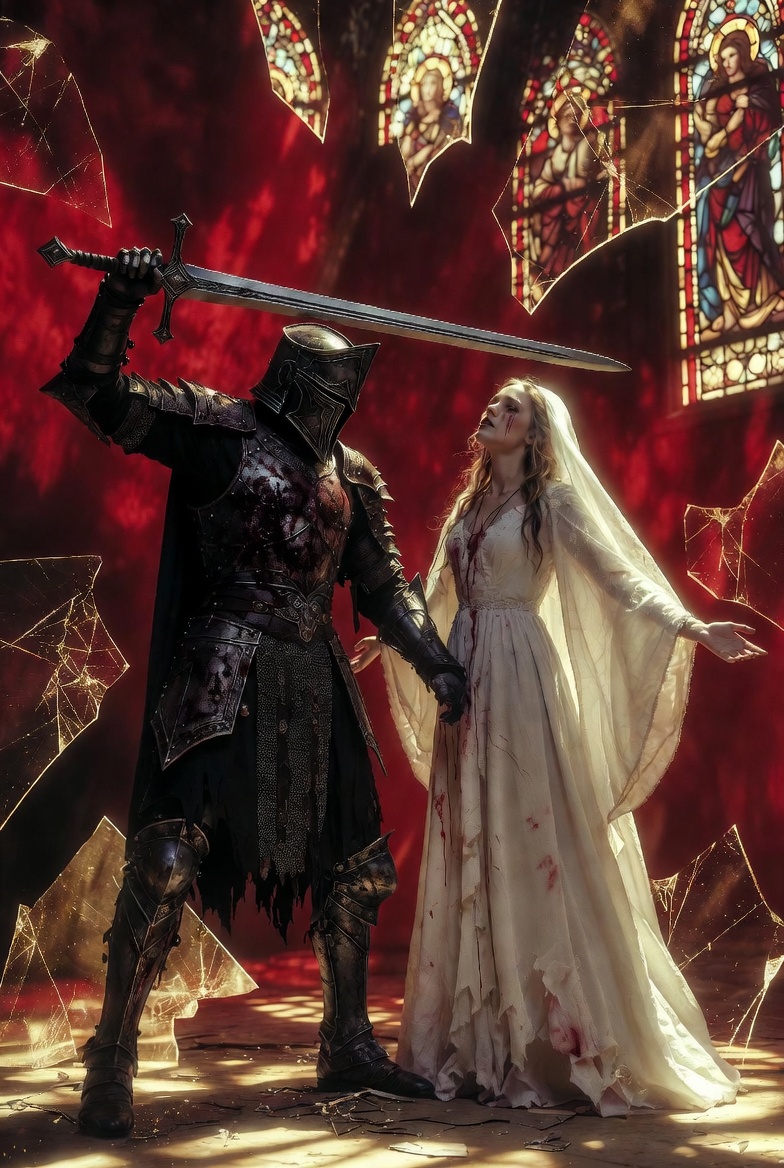
Kendrick Lamar’s “Reincarnated” serves as a chilling continuation of the “For Sale?” interlude from To Pimp a Butterfly, where Lucy (short for Lucifer) tempts Kendrick with the promise of wealth, fame, and power in exchange for his soul. In To Pimp a Butterfly, Kendrick wrestles with this proposition, but by the time we arrive at “Reincarnated,” the deal has already been sealed. Now fully under Lucy’s control, Kendrick embodies the consequences of his choice, and Lucy, as the narrator, reflects on his role in influencing musicians throughout history—including the two legendary artists referenced in the song.
What makes “Reincarnated” so sinister is how Lucy describes his manipulation of artists as a means to control the masses. He seduces musicians with promises of success, embedding himself in their art, lyrics, and influence. Through them, he shapes culture, shifts perspectives, and subtly distorts the truth for his own gain. Yet, Lucy’s loyalty is non-existent—once an artist has served their purpose, he discards them, leading to their downfall, whether through personal destruction, loss of authenticity, or even death. This tragic fate is framed as an inevitable part of the process, reinforcing the idea that many of music’s greatest figures have, in some way, fallen victim to Lucy’s grip.
This cycle of exploitation and destruction is where the song’s title, “Reincarnated,” takes on a deeper meaning. It suggests that Lucy never stops; his influence simply moves from one artist to the next, recycling souls and continuing the process indefinitely. In this sense, reincarnation isn’t about spiritual renewal—it’s about a parasitic force using artists as vessels, draining them, and then moving on to the next willing or unsuspecting host. The tragic pattern repeats, generation after generation, with Lucy always in control.
Kendrick’s storytelling in “Reincarnated” exposes a darker truth about the music industry and the price of fame. It questions whether success in the mainstream is truly self-made or if there’s always a hidden cost—one that has claimed many artists before and will continue to do so. By framing Lucy as a recurring force, Kendrick suggests that the music industry’s greatest tragedies aren’t isolated incidents, but rather, symptoms of a larger, ongoing cycle.
Ultimately, “Reincarnated” serves as both a cautionary tale and an exploration of power, control, and artistic integrity. It forces listeners to reconsider the true nature of fame and whether those at the top ever truly own their success—or if they, too, are just another soul in Lucy’s endless cycle of reincarnation.
Description This poem delves into the intricate depths of the speaker’s inner turmoil and existential journey, using vivid imagery and poignant symbolism to convey their emotional landscape. The opening line, “Has long as my pride forever exists,” sets the tone for a contemplation on the enduring nature of pride and its implications for the speaker’s
Description This poem delves into the contemplation of inheriting generational wealth and the weighty decisions that come with it. It begins by acknowledging the imminent transfer of wealth from previous generations into the speaker’s hands, presenting a moment of both anticipation and reflection. The speaker grapples with a pivotal decision: whether to indulge in their
Description This poem paints a vivid picture of a person grappling with the pervasive presence of evil in the world. The metaphor of the “evil rain” symbolizes the negativity, corruption, and shame that surrounds them. The speaker seeks refuge under their umbrella, a symbolic shield against the malevolent forces. Despite their efforts to protect themselves,
Description This poem captures the essence of a seductive encounter, drawing the reader into a spellbinding experience of desire and passion. The speaker exudes confidence as they perceive the effect they have on their subject, recognizing the power of their gaze and the allure of their seductive eyes. The imagery is rich and evocative, likening
Description This poem captures the speaker’s inner conflict between indulging in revolutionary thoughts and being drawn back to the enchanting presence of the girl they admire. The phrase “summer knights” suggests a time of warmth and leisure, perhaps symbolizing a period of reflection and introspection. The speaker’s mind is filled with thoughts of societal ideals,
Description Prince, the unparalleled creativity machine in the music industry, set a standard for prolific output that remains unmatched. Despite the likelihood of never reaching a fraction of his creative volume, delving into his process reveals invaluable lessons applicable to any aspiring artist or creator. Here are six profound takeaways from Prince’s innovative approach: By
Description This poem seems to depict the rise and fall of a drug lord, reflecting on the themes of power, wealth, and consequences. At the beginning, the speaker boasts about their immense wealth and power, suggesting a sense of arrogance and superiority over others in their trade. They acknowledge the harm caused to their customers
Description This poem captures the intense inner turmoil of a person grappling with their own demons while navigating the complexities of fame and fortune. The opening line, “Holding my own poetic gun to my brain,” immediately sets a tone of desperation and internal conflict, suggesting a struggle with self-destructive thoughts. The writer acknowledges the weight
Description This poem beautifully captures the intimate relationship between the poet and their creativity, personified as a muse or source of inspiration. Here’s a description: The poet’s longing for their creative spark is eloquently expressed in this heartfelt piece. Through vivid imagery and tender metaphors, the poem explores the profound connection between the poet and
Description This poem beautifully intertwines the worlds of football and personal growth, using the imagery of prominent football figures like Zinedine Zidane and Karim Benzema to convey deeper philosophical reflections on life. The comparison of the poet’s pen dancing on the page to Zidane’s foot artistry on the football stage captures the fluidity and grace
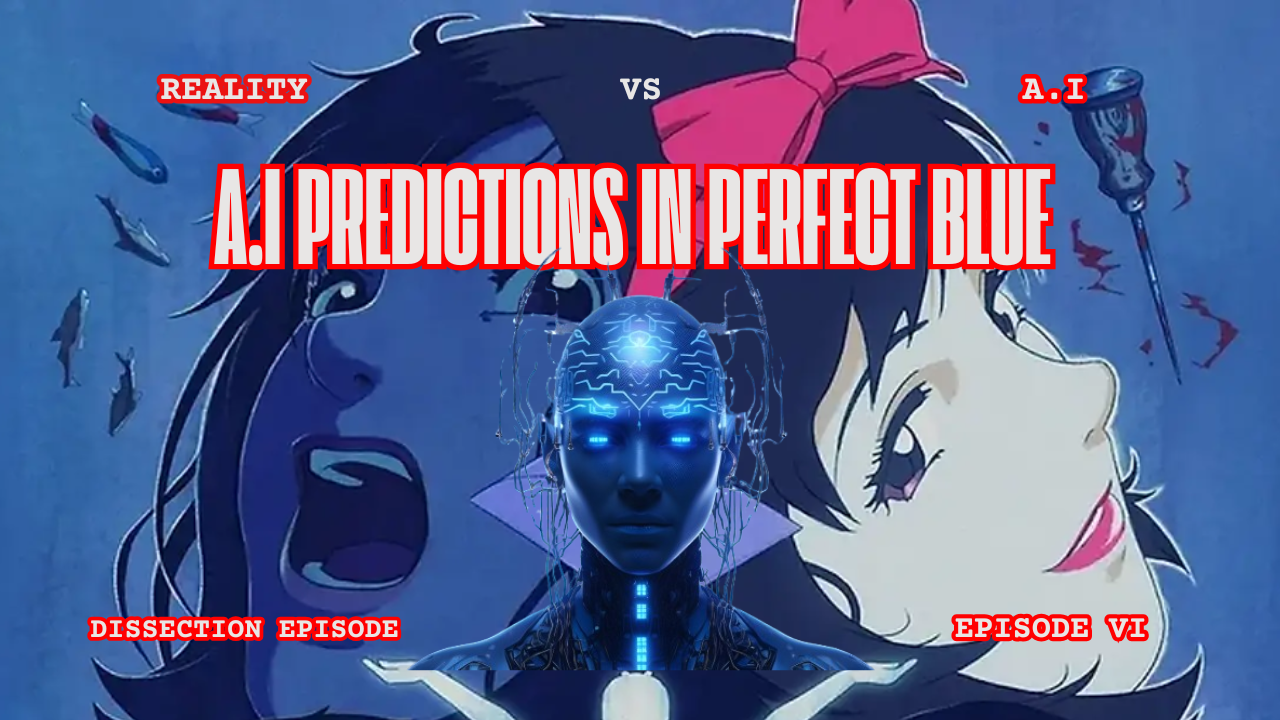
The video you’re describing seems to dive into the fascinating intersections between the psychological thriller Perfect Blue (1997) and the rapid advancements in technology, particularly artificial intelligence (AI), social media, and digital personas. Perfect Blue, directed by Satoshi Kon, has long been admired for its complex exploration of identity, reality, and mental disintegration. The film’s central narrative involves Mima, a pop idol who transitions into acting, only to find herself stalked by a mysterious figure, all while her sense of self starts to fracture due to the pressures of her public persona and increasingly invasive technology.
Here’s how the themes in Perfect Blue might align with today’s technology-driven world:
1. Blurring of Reality and Digital Persona
One of the central themes in Perfect Blue is the distortion of reality, where Mima cannot distinguish between her real life and her roles in her acting career, compounded by a stalker who manipulates her public image. This parallels modern experiences where social media and digital avatars allow people to craft and sometimes lose track of their online personas. The line between who we are in the digital world and who we are in reality has become increasingly porous, leading to issues of self-identity and privacy.
This can be seen in the rise of virtual influencers, avatars, and online personas that are sometimes more curated or idealized than our real-life selves.
2. Virtual Idols and AI
In the film, Mima’s experience mirrors the growing popularity of virtual idols, such as Hatsune Miku, who exists purely in the digital realm, yet holds an enormous following. Today, AI-generated music, artwork, and performances are gaining traction—creating stars and content that exist only in the virtual space, much like Mima’s alter-ego that she can’t fully control.
The idea of a “perfect” public image being managed by external forces (like PR agencies or AI algorithms) is one of the film’s core anxieties, echoing contemporary concerns about how AI tools can create hyper-realistic avatars or digital representations of celebrities that blur the lines between the authentic and the fabricated.
3. Stalking, Surveillance, and Privacy
The theme of being constantly watched, stalked, and monitored by a digital entity in Perfect Blue mirrors the surveillance culture of the digital age. The film foreshadows how social media platforms, AI-driven recommendation systems, and cameras can create an almost omnipresent surveillance environment. The impact of losing control over one’s image and personal privacy, while others (or AI) may interpret and manipulate it, resonates strongly today.
4. Deepfakes and Digital Manipulation
Perfect Blue deals with the exploitation of Mima’s image, both digitally and psychologically. Today, we have the rise of deepfakes—AI-generated content that can convincingly alter someone’s likeness, voice, or actions to create realistic but fake videos. The sense of losing control over one’s own image or identity, as seen in the film, feels eerily prescient of today’s growing concerns around digital manipulation, identity theft, and the use of deepfake technology for both malicious and creative purposes.
5. The Dangers of Digital Fame
Mima’s transition from being a pop idol to an actress is marked by the emotional toll of her public image. This aligns with the psychological struggles many influencers or people who find themselves thrust into the digital spotlight face today. The relentless demand for content and public approval, combined with the constant monitoring of one’s life, has been exacerbated by algorithms that prioritize engagement over well-being.
AI and social media algorithms exacerbate these pressures, potentially amplifying the negative mental health effects of fame and attention, especially when these platforms are designed to create a “perfect” version of one’s life.
6. Psychological Horror and the Impact of Technology
The mental unraveling that Mima experiences throughout the film as she loses grip on reality due to her manipulated digital self is a key element in Perfect Blue. It reflects the psychological toll technology can have on individuals, especially in a world where one’s public persona is increasingly dictated by algorithms and AI-driven platforms. The fear of losing one’s sense of self or being trapped in a reality manipulated by unseen forces is as relevant now as ever.
Conclusion: Is Perfect Blue More Relevant Now Than Ever?
Given the advancements in AI, social media, and virtual reality, Perfect Blue feels more prophetic than ever. The film’s exploration of identity, surveillance, and the tension between the real and the virtual speaks directly to contemporary anxieties about how technology shapes our sense of self and our interaction with the world around us. As we continue to grapple with the ethical and psychological consequences of AI, deepfakes, virtual idols, and digital fame, Perfect Blue offers an unsettling yet insightful reflection on the potential dangers of a hyper-mediated world.
In short, Satoshi Kon’s iconic anime continues to resonate with modern issues, making it a must-watch for anyone interested in the intersection of technology, identity, and human psychology.
Description This poem delves into the intricate depths of the speaker’s inner turmoil and existential journey, using vivid imagery and poignant symbolism to convey their emotional landscape. The opening line, “Has long as my pride forever exists,” sets the tone for a contemplation on the enduring nature of pride and its implications for the speaker’s
Description This poem delves into the contemplation of inheriting generational wealth and the weighty decisions that come with it. It begins by acknowledging the imminent transfer of wealth from previous generations into the speaker’s hands, presenting a moment of both anticipation and reflection. The speaker grapples with a pivotal decision: whether to indulge in their
Description This poem paints a vivid picture of a person grappling with the pervasive presence of evil in the world. The metaphor of the “evil rain” symbolizes the negativity, corruption, and shame that surrounds them. The speaker seeks refuge under their umbrella, a symbolic shield against the malevolent forces. Despite their efforts to protect themselves,
Description This poem captures the essence of a seductive encounter, drawing the reader into a spellbinding experience of desire and passion. The speaker exudes confidence as they perceive the effect they have on their subject, recognizing the power of their gaze and the allure of their seductive eyes. The imagery is rich and evocative, likening
Description This poem captures the speaker’s inner conflict between indulging in revolutionary thoughts and being drawn back to the enchanting presence of the girl they admire. The phrase “summer knights” suggests a time of warmth and leisure, perhaps symbolizing a period of reflection and introspection. The speaker’s mind is filled with thoughts of societal ideals,
Description Prince, the unparalleled creativity machine in the music industry, set a standard for prolific output that remains unmatched. Despite the likelihood of never reaching a fraction of his creative volume, delving into his process reveals invaluable lessons applicable to any aspiring artist or creator. Here are six profound takeaways from Prince’s innovative approach: By
Description This poem seems to depict the rise and fall of a drug lord, reflecting on the themes of power, wealth, and consequences. At the beginning, the speaker boasts about their immense wealth and power, suggesting a sense of arrogance and superiority over others in their trade. They acknowledge the harm caused to their customers
Description This poem captures the intense inner turmoil of a person grappling with their own demons while navigating the complexities of fame and fortune. The opening line, “Holding my own poetic gun to my brain,” immediately sets a tone of desperation and internal conflict, suggesting a struggle with self-destructive thoughts. The writer acknowledges the weight
Description This poem beautifully captures the intimate relationship between the poet and their creativity, personified as a muse or source of inspiration. Here’s a description: The poet’s longing for their creative spark is eloquently expressed in this heartfelt piece. Through vivid imagery and tender metaphors, the poem explores the profound connection between the poet and
Description This poem beautifully intertwines the worlds of football and personal growth, using the imagery of prominent football figures like Zinedine Zidane and Karim Benzema to convey deeper philosophical reflections on life. The comparison of the poet’s pen dancing on the page to Zidane’s foot artistry on the football stage captures the fluidity and grace
“Lights Please” by J. Cole, “ADHD” by Kendrick Lamar, and “Chicago Freestyle” by Drake share a distinct and cohesive ambience that resonates deeply with listeners, primarily because of their introspective and emotionally charged nature. These tracks explore themes of vulnerability, self-reflection, and personal struggles, using atmospheric production to set the mood.
In “Lights Please,” J. Cole crafts a narrative-driven song that juxtaposes the allure of physical intimacy with his deeper desire to convey meaningful messages. Its smooth, melodic beats and laid-back rhythm create an intimate atmosphere, making the listener feel like they’re eavesdropping on a personal moment.
Similarly, Kendrick Lamar’s “ADHD” captures a reflective and almost haunting vibe, using minimalist production with subtle percussive elements and ethereal synths. This allows Kendrick’s poignant lyrics about the challenges of addiction, youth culture, and societal pressures to take centre stage, drawing listeners into a contemplative space.
Drake’s “Chicago Freestyle” mirrors this ambience with its moody piano chords, soft vocals, and introspective delivery. The track blends elements of melancholy and nostalgia as Drake reflects on past relationships and his struggles with maintaining connections amidst his fame. The soulful hook, inspired by Eminem’s “Superman,” amplifies the song’s emotional depth.
All three songs share common traits—subtle yet evocative production, introspective storytelling, and a melancholic undertone—that create an atmosphere of vulnerability and intimacy. This combination makes them relatable and emotionally impactful, leaving a lasting impression on listeners.
Description This poem delves into the intricate depths of the speaker’s inner turmoil and existential journey, using vivid imagery and poignant symbolism to convey their emotional landscape. The opening line, “Has long as my pride forever exists,” sets the tone for a contemplation on the enduring nature of pride and its implications for the speaker’s
Description This poem delves into the contemplation of inheriting generational wealth and the weighty decisions that come with it. It begins by acknowledging the imminent transfer of wealth from previous generations into the speaker’s hands, presenting a moment of both anticipation and reflection. The speaker grapples with a pivotal decision: whether to indulge in their
Description This poem paints a vivid picture of a person grappling with the pervasive presence of evil in the world. The metaphor of the “evil rain” symbolizes the negativity, corruption, and shame that surrounds them. The speaker seeks refuge under their umbrella, a symbolic shield against the malevolent forces. Despite their efforts to protect themselves,
Description This poem captures the essence of a seductive encounter, drawing the reader into a spellbinding experience of desire and passion. The speaker exudes confidence as they perceive the effect they have on their subject, recognizing the power of their gaze and the allure of their seductive eyes. The imagery is rich and evocative, likening
Description This poem captures the speaker’s inner conflict between indulging in revolutionary thoughts and being drawn back to the enchanting presence of the girl they admire. The phrase “summer knights” suggests a time of warmth and leisure, perhaps symbolizing a period of reflection and introspection. The speaker’s mind is filled with thoughts of societal ideals,
Description Prince, the unparalleled creativity machine in the music industry, set a standard for prolific output that remains unmatched. Despite the likelihood of never reaching a fraction of his creative volume, delving into his process reveals invaluable lessons applicable to any aspiring artist or creator. Here are six profound takeaways from Prince’s innovative approach: By
Description This poem seems to depict the rise and fall of a drug lord, reflecting on the themes of power, wealth, and consequences. At the beginning, the speaker boasts about their immense wealth and power, suggesting a sense of arrogance and superiority over others in their trade. They acknowledge the harm caused to their customers
Description This poem captures the intense inner turmoil of a person grappling with their own demons while navigating the complexities of fame and fortune. The opening line, “Holding my own poetic gun to my brain,” immediately sets a tone of desperation and internal conflict, suggesting a struggle with self-destructive thoughts. The writer acknowledges the weight
Description This poem beautifully captures the intimate relationship between the poet and their creativity, personified as a muse or source of inspiration. Here’s a description: The poet’s longing for their creative spark is eloquently expressed in this heartfelt piece. Through vivid imagery and tender metaphors, the poem explores the profound connection between the poet and
Description This poem beautifully intertwines the worlds of football and personal growth, using the imagery of prominent football figures like Zinedine Zidane and Karim Benzema to convey deeper philosophical reflections on life. The comparison of the poet’s pen dancing on the page to Zidane’s foot artistry on the football stage captures the fluidity and grace
This poem reflects a powerful metaphor for life, where the speaker’s journey mirrors Bruce Lee’s Game of Death—a symbolic ascent to power and control, only to face a sudden, devastating fall. The “forbidden mansion” and the throne symbolize the speaker’s elevated status or achievements, acquired through perseverance, but also under constant threat from those seeking to take it away. The mansion’s levels represent challenges or stages of personal or external struggles.
The “yellow medallion” is a striking image, symbolizing both power and vulnerability, with its brightness likened to the sun. This may represent the speaker’s identity or achievements that are visible and radiant but also open to attack. The throne signifies the speaker’s position of power, which must be guarded from those who ascend through the mansion, symbolizing rivals or life’s challenges.
The poem takes a dramatic turn when a mysterious figure appears and, with a snap of fingers, overturns the speaker’s reality, flipping the mansion upside down and destroying what had been built. The fall from grace is inevitable, with everything the speaker has worked for “shattering to the ground.” The mysterious figure embodies fate, unforeseen events, or internal conflict—forces that easily dismantle what once seemed invincible.
The whispered line at the end, “I am satisfied watching your games and party die,” evokes a sense of bitter defeat, as if the speaker’s struggles and achievements were part of a larger, uncontrollable game. This final line hints at the futility of clinging to power and control, reminding the reader that even the most glorious positions can crumble at the hands of fate or time.