Intro
This poem explores the terrifying contradiction of a soul that longs for righteousness while remaining devoted to its own corruption. Through images of prayer, marriage, violence, blasphemy, and judgment, the speaker wrestles with hypocrisy, pride, and the illusion of holiness. What begins as a confession of self-deception gradually descends into a vision of spiritual ruin, where broken vows, rebellion against God, and unrepented sin culminate in a catastrophic fall. It is a dark meditation on the conflict between divine grace and human wickedness, revealing the consequences of choosing self-worship over true redemption.
Outro
In the end, the speaker stands as a tragic warning of what becomes of a heart that mistakes rebellion for righteousness and pride for faith. The journey from self-proclaimed holiness to utter destruction reveals the devastating cost of living behind a mask of virtue while embracing corruption within. Yet the horror of the poem lies not only in the flames of judgment, but in the realization that every step toward the abyss was willingly taken. Through its stark imagery and confessional voice, the poem serves as a reflection on hypocrisy, accountability, and the eternal consequences of refusing truth until it is too late.
Spiritual Takeaway
The central spiritual lesson of this poem is that outward displays of faith cannot replace genuine repentance and obedience to God. The speaker prays, speaks of righteousness, and values sacred relationships, yet continually chooses pride, violence, and self-deception. The poem illustrates how a person can become so consumed by hypocrisy that they begin calling evil holy and treating God’s grace as permission to continue in sin. Ultimately, it serves as a warning that faith is not measured by appearances, words, or religious rituals, but by a transformed heart that seeks truth, humility, and reconciliation with God. The poem challenges readers to examine their own lives, asking whether their devotion is authentic or merely a mask that hides unaddressed spiritual wounds and rebellion.
Inspiration
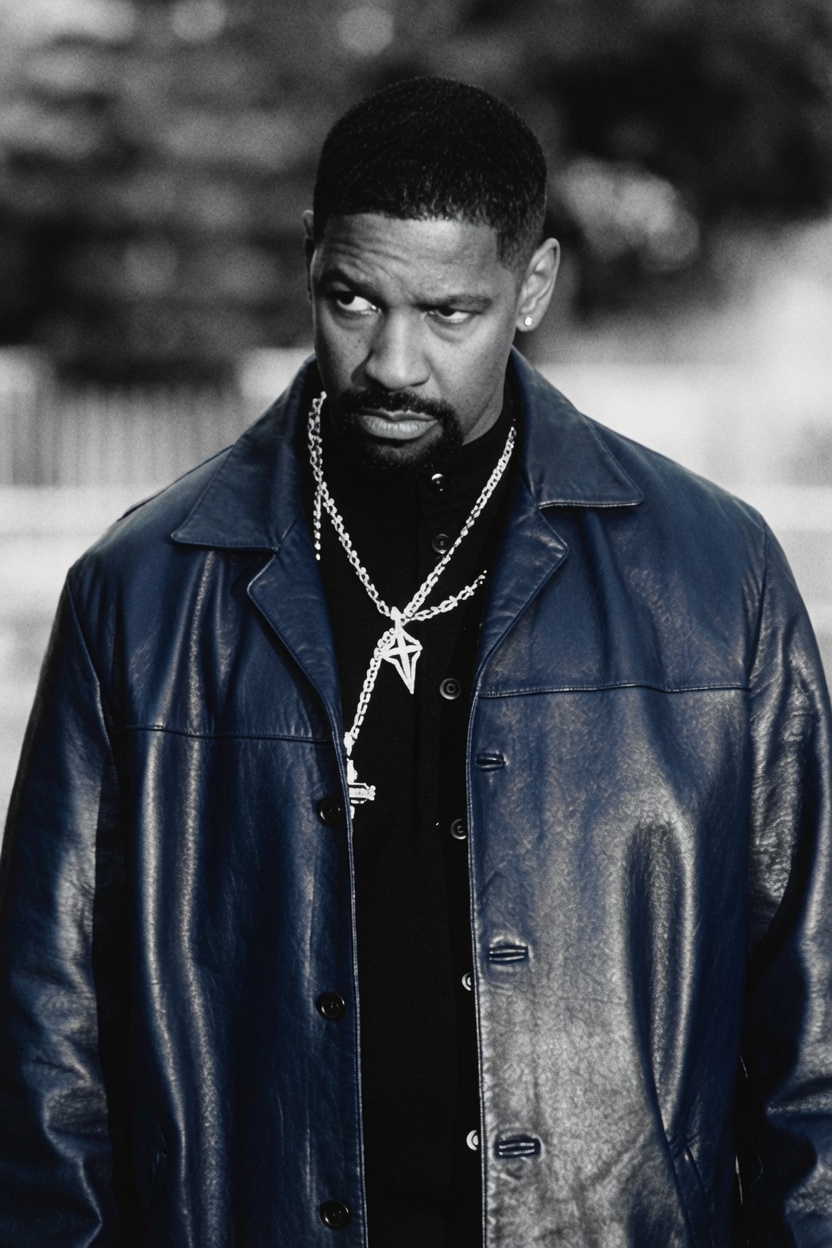
Training Day is a crime thriller directed by Antoine Fuqua that follows rookie police officer Jake Hoyt on his first day with veteran narcotics detective Alonzo Harris in Los Angeles. As the day unfolds, Jake discovers that Alonzo’s methods go far beyond bending the rules, exposing him to a world of corruption, manipulation, and moral compromise. The film explores themes of power, temptation, justice, and the struggle between integrity and corruption, building toward a tense confrontation that forces Jake to choose between his principles and survival.
Poem Fragment