
Poem Tread :
Inspired By :

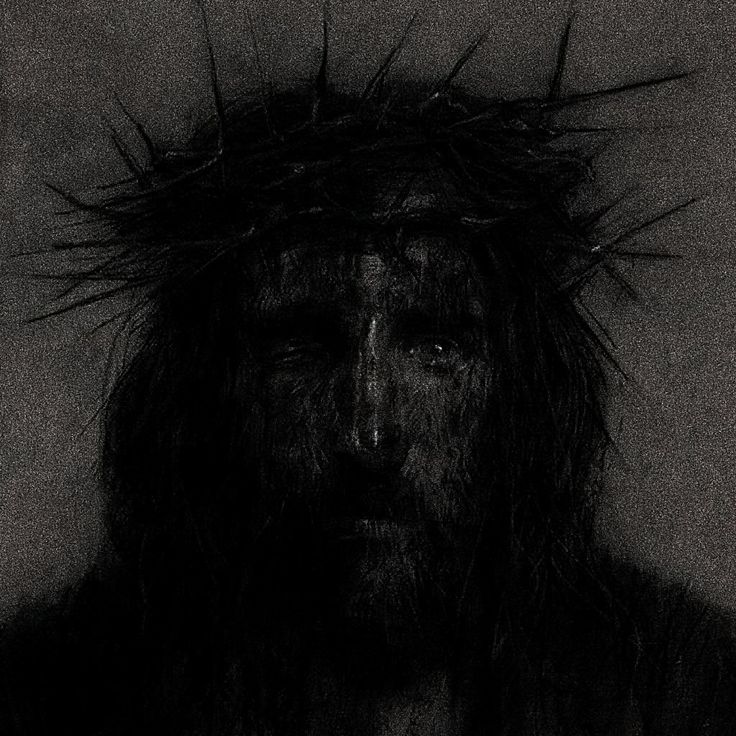
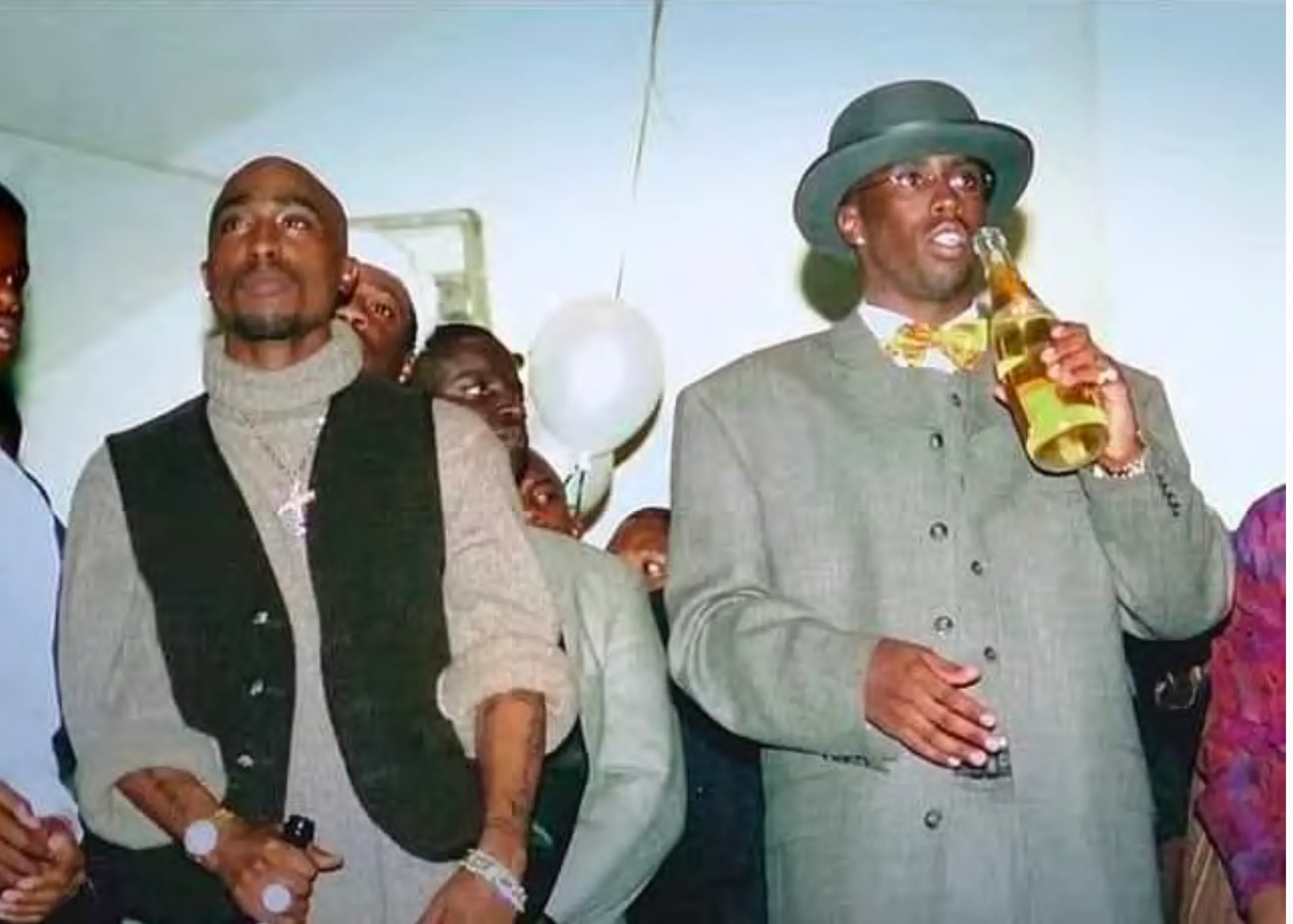
Even though the image of Jesus commonly portrayed in the Western world is historically inaccurate, mockery only carries power when it is directed at the true God—the One who holds authority over the world and the universe. Wearing that specific figure around the neck is not random; it targets the real authority behind the symbol,…

This poem is for people haunted by eyes that once sparkled with wonder, now overflowing with ruin. She chose and obsessed—to go to the soul cage.I wrote this once I saw: love without real caution is just code waiting to flood.Faith sank deeper when pretence ended and her obsession met my disarray.No sermon here just…
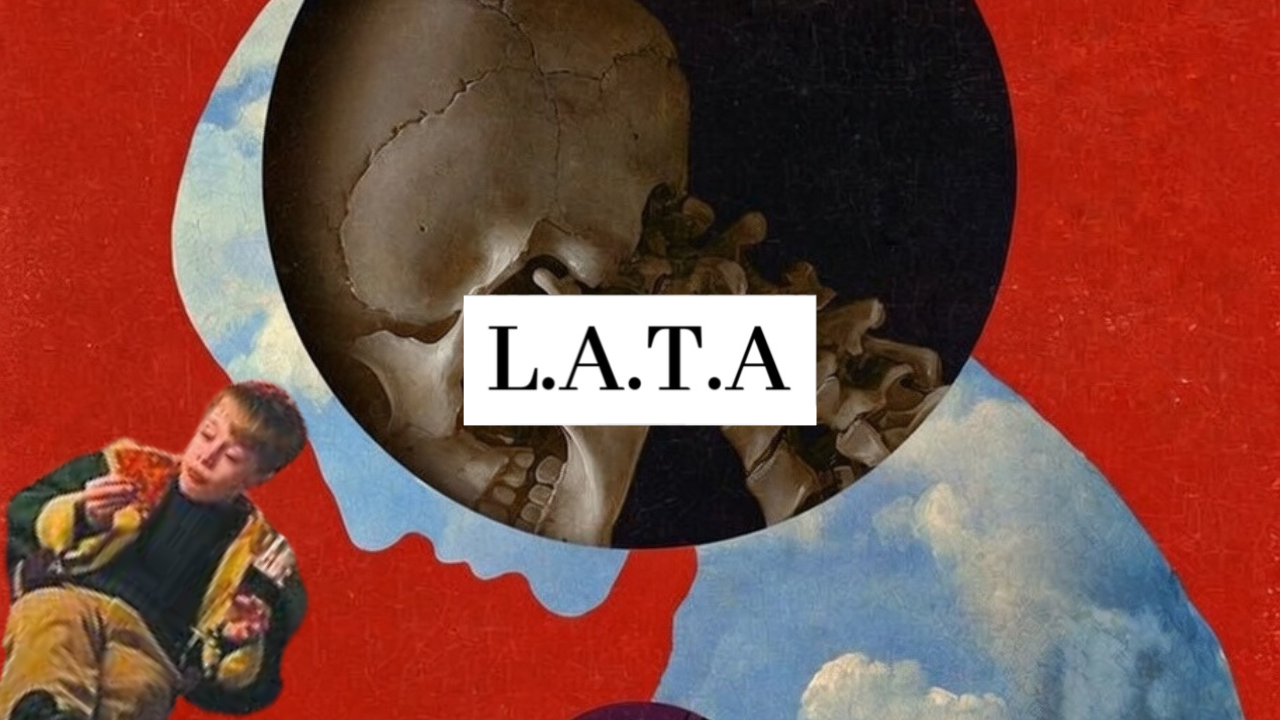
Description This poem offers a contemplative glimpse into the poet’s mind as they engage in everyday activities. The poem begins with the poet reflecting deeply while eating a slice of pizza, contemplating their spiritual fate. They reject the idea of going to hell and express a preference for going to heaven, demonstrating reverence and seeking…
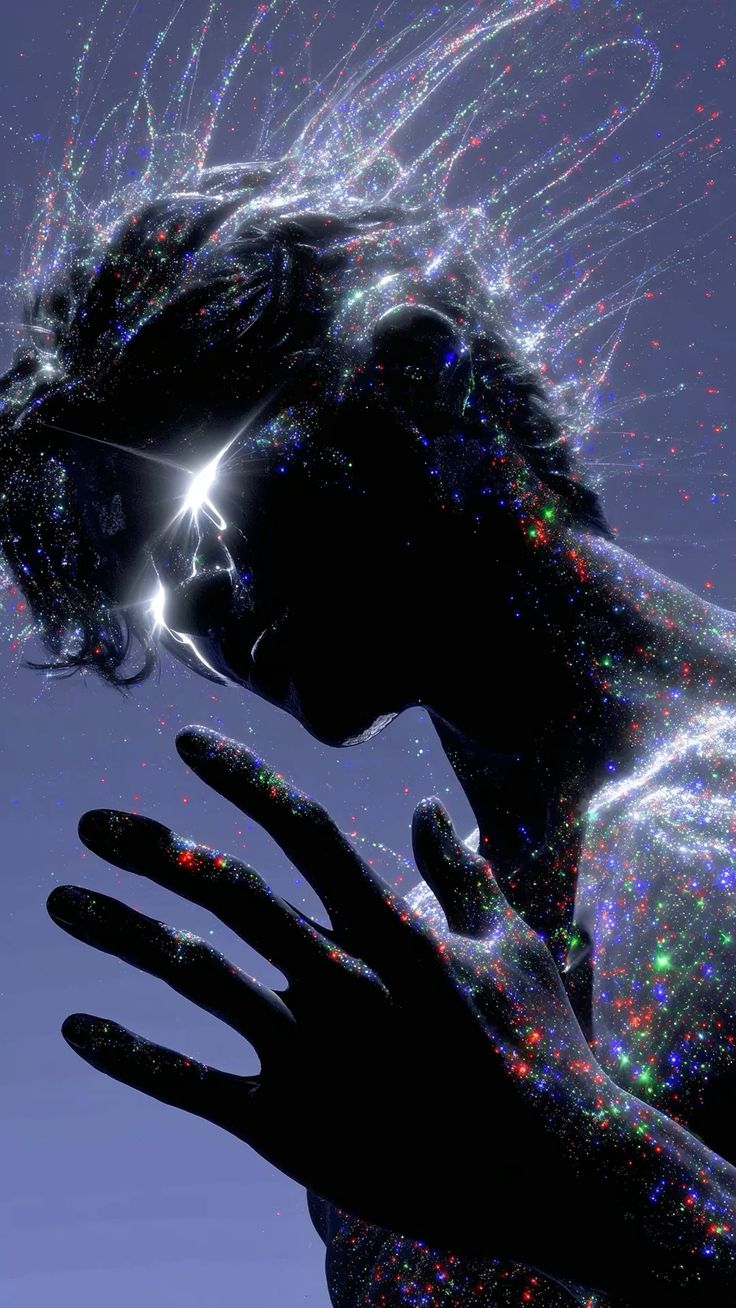
The poem “Eminently…” by Joseph Le Artist captures the double-edged nature of ecstasy: an overwhelming force that initially electrifies the soul and psychology but ultimately acts as a curse, pinning the speaker down like a fallen angel chained to earth. This intoxicating high feeds vices, nightmares, and a once-heartless existence, revealing itself as bondage rather…
Fragment Blog Other Blogs Inspired By :
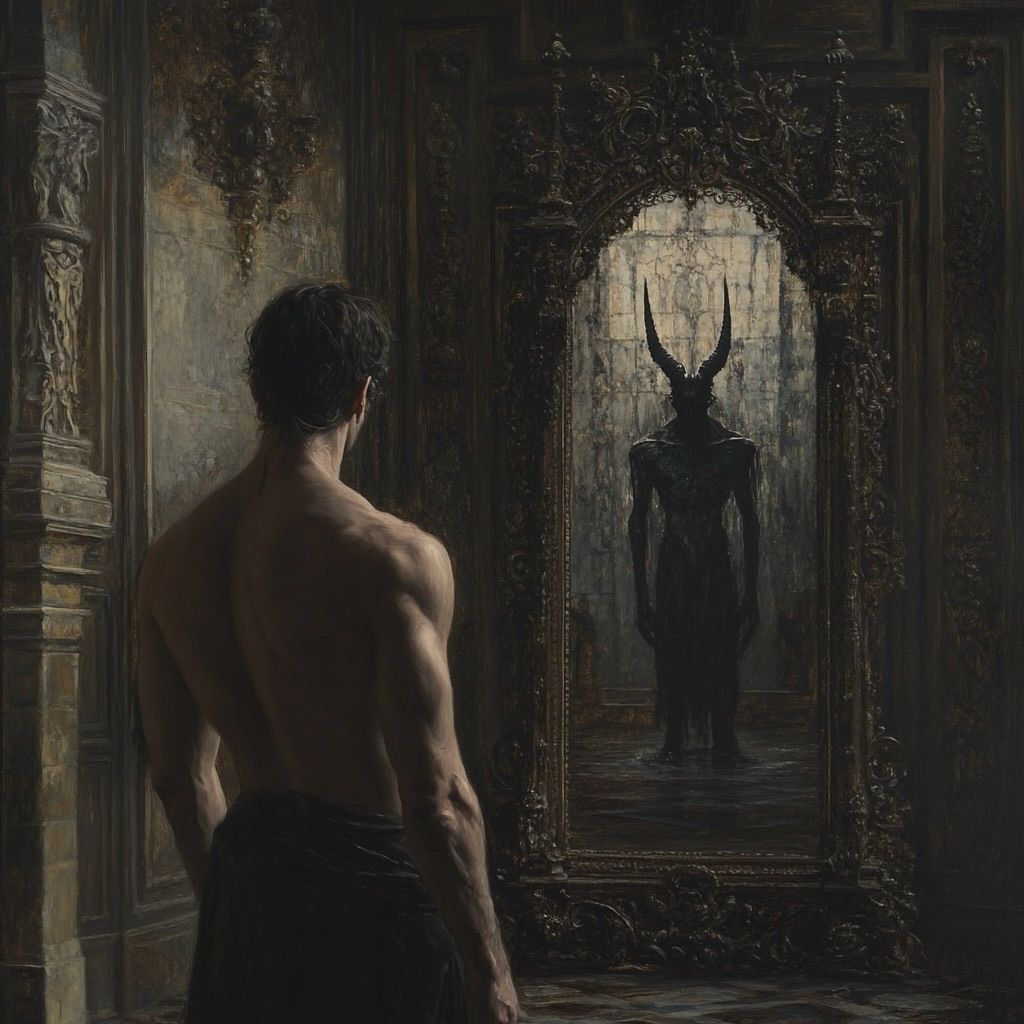
The strangest thing about human desire is its capacity to clothe illusion in the radiance of truth. We behold the caramel glow of skin, the flowing mane of hair, the whispered “Papi” that promises to uproot mountains, and we name it beauty—perhaps even salvation. Yet beneath the sunlit surface lies an upside-down dimension, a realm…
Poem Tread :
Inspired By :
Even though the image of Jesus commonly portrayed in the Western world is historically inaccurate, mockery only carries power when it is directed at the true God—the One who holds authority over the world and the universe. Wearing that specific figure around the neck is not random; it targets the real authority behind the symbol,…
This poem is for people haunted by eyes that once sparkled with wonder, now overflowing with ruin. She chose and obsessed—to go to the soul cage.I wrote this once I saw: love without real caution is just code waiting to flood.Faith sank deeper when pretence ended and her obsession met my disarray.No sermon here just…
Description This poem offers a contemplative glimpse into the poet’s mind as they engage in everyday activities. The poem begins with the poet reflecting deeply while eating a slice of pizza, contemplating their spiritual fate. They reject the idea of going to hell and express a preference for going to heaven, demonstrating reverence and seeking…
The poem “Eminently…” by Joseph Le Artist captures the double-edged nature of ecstasy: an overwhelming force that initially electrifies the soul and psychology but ultimately acts as a curse, pinning the speaker down like a fallen angel chained to earth. This intoxicating high feeds vices, nightmares, and a once-heartless existence, revealing itself as bondage rather…
Fragment Blog Other Blogs Inspired By :
The strangest thing about human desire is its capacity to clothe illusion in the radiance of truth. We behold the caramel glow of skin, the flowing mane of hair, the whispered “Papi” that promises to uproot mountains, and we name it beauty—perhaps even salvation. Yet beneath the sunlit surface lies an upside-down dimension, a realm…
Substack Blog

Other Blogs
Inspired By :
Even though the image of Jesus commonly portrayed in the Western world is historically inaccurate, mockery only carries power when it is directed at the true God—the One who holds authority over the world and the universe. Wearing that specific figure around the neck is not random; it targets the real authority behind the symbol,…
This poem is for people haunted by eyes that once sparkled with wonder, now overflowing with ruin. She chose and obsessed—to go to the soul cage.I wrote this once I saw: love without real caution is just code waiting to flood.Faith sank deeper when pretence ended and her obsession met my disarray.No sermon here just…
Description This poem offers a contemplative glimpse into the poet’s mind as they engage in everyday activities. The poem begins with the poet reflecting deeply while eating a slice of pizza, contemplating their spiritual fate. They reject the idea of going to hell and express a preference for going to heaven, demonstrating reverence and seeking…
The poem “Eminently…” by Joseph Le Artist captures the double-edged nature of ecstasy: an overwhelming force that initially electrifies the soul and psychology but ultimately acts as a curse, pinning the speaker down like a fallen angel chained to earth. This intoxicating high feeds vices, nightmares, and a once-heartless existence, revealing itself as bondage rather…
Fragment Blog Other Blogs Inspired By :
The strangest thing about human desire is its capacity to clothe illusion in the radiance of truth. We behold the caramel glow of skin, the flowing mane of hair, the whispered “Papi” that promises to uproot mountains, and we name it beauty—perhaps even salvation. Yet beneath the sunlit surface lies an upside-down dimension, a realm…
Substack Blog

Other Blogs
Inspired By :
Even though the image of Jesus commonly portrayed in the Western world is historically inaccurate, mockery only carries power when it is directed at the true God—the One who holds authority over the world and the universe. Wearing that specific figure around the neck is not random; it targets the real authority behind the symbol,…
This poem is for people haunted by eyes that once sparkled with wonder, now overflowing with ruin. She chose and obsessed—to go to the soul cage.I wrote this once I saw: love without real caution is just code waiting to flood.Faith sank deeper when pretence ended and her obsession met my disarray.No sermon here just…
Description This poem offers a contemplative glimpse into the poet’s mind as they engage in everyday activities. The poem begins with the poet reflecting deeply while eating a slice of pizza, contemplating their spiritual fate. They reject the idea of going to hell and express a preference for going to heaven, demonstrating reverence and seeking…
The poem “Eminently…” by Joseph Le Artist captures the double-edged nature of ecstasy: an overwhelming force that initially electrifies the soul and psychology but ultimately acts as a curse, pinning the speaker down like a fallen angel chained to earth. This intoxicating high feeds vices, nightmares, and a once-heartless existence, revealing itself as bondage rather…
Fragment Blog Other Blogs Inspired By :
The strangest thing about human desire is its capacity to clothe illusion in the radiance of truth. We behold the caramel glow of skin, the flowing mane of hair, the whispered “Papi” that promises to uproot mountains, and we name it beauty—perhaps even salvation. Yet beneath the sunlit surface lies an upside-down dimension, a realm…
Other Blogs
Inspired By :
Even though the image of Jesus commonly portrayed in the Western world is historically inaccurate, mockery only carries power when it is directed at the true God—the One who holds authority over the world and the universe. Wearing that specific figure around the neck is not random; it targets the real authority behind the symbol,…
This poem is for people haunted by eyes that once sparkled with wonder, now overflowing with ruin. She chose and obsessed—to go to the soul cage.I wrote this once I saw: love without real caution is just code waiting to flood.Faith sank deeper when pretence ended and her obsession met my disarray.No sermon here just…
Description This poem offers a contemplative glimpse into the poet’s mind as they engage in everyday activities. The poem begins with the poet reflecting deeply while eating a slice of pizza, contemplating their spiritual fate. They reject the idea of going to hell and express a preference for going to heaven, demonstrating reverence and seeking…
The poem “Eminently…” by Joseph Le Artist captures the double-edged nature of ecstasy: an overwhelming force that initially electrifies the soul and psychology but ultimately acts as a curse, pinning the speaker down like a fallen angel chained to earth. This intoxicating high feeds vices, nightmares, and a once-heartless existence, revealing itself as bondage rather…
Fragment Blog Other Blogs Inspired By :
The strangest thing about human desire is its capacity to clothe illusion in the radiance of truth. We behold the caramel glow of skin, the flowing mane of hair, the whispered “Papi” that promises to uproot mountains, and we name it beauty—perhaps even salvation. Yet beneath the sunlit surface lies an upside-down dimension, a realm…
Other Blogs
Inspired By :