Poem Tread :
Inspired By :


Description This poem is a layered exploration of spiritual reverence, sensual admiration, and the complexities of expressing devotion through art. At its core, the narrator intertwines the sacred and the sensual, drawing parallels between their muse and the invigorating, life-affirming qualities of coffee—a universal symbol of comfort, warmth, and energy. The muse’s soul is described…

Description This piece channels the tragic downfall of a public figure, drawing inspiration from the life and struggles of Jimmy Swaggart, the famed televangelist who faced a public moral failure in the late 1980s. It reflects the internal conflict of a charismatic leader who, despite wielding influence and delivering sermons to inspire others, finds themselves…

Description This poem, Call Me A.C. Green…, is an introspective and reflective piece that portrays the author’s journey of self-discipline, spirituality, and perseverance. Using the metaphor of the basketball “court of life,” the poem connects the struggles of living a morally centered life to the commitment of A.C. Green, a former NBA player known for…

Description This piece offers a satirical critique of the modern dynamic between billionaires, online influencers, and globalist elites. It paints a vivid picture of influencers and billionaires attempting to disrupt the establishment, ostensibly to prevent a new world order. However, the irony lies in their unwitting acceleration of the very change they aim to resist.…

Description From a young age, she longed to walk with God in His golden garden, dreaming of divine peace and eternal connection. But her innocence was shattered when a trusted church leader betrayed her, masking his lust as piety and leaving her to grapple with emotions she couldn’t understand. Seeking comfort from her parents, she…
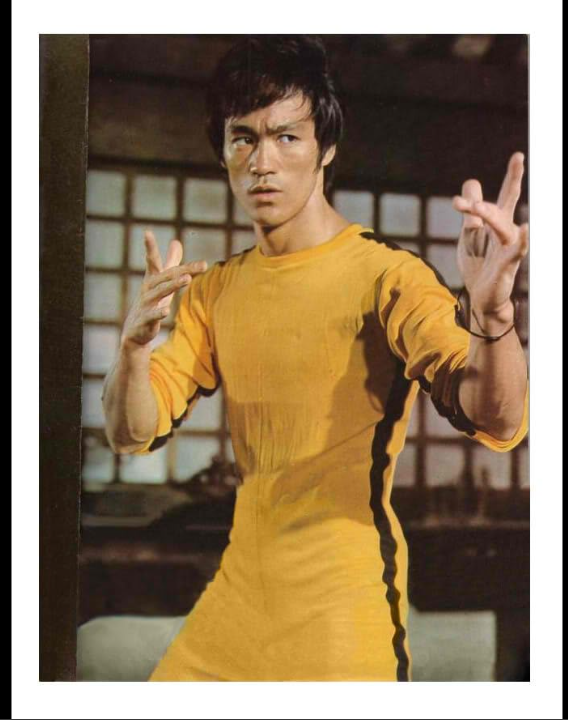
Description This poem reflects a powerful metaphor for life, where the speaker’s journey mirrors Bruce Lee’s Game of Death—a symbolic ascent to power and control, only to face a sudden, devastating fall. The “forbidden mansion” and the throne symbolize the speaker’s elevated status or achievements, acquired through perseverance, but also under constant threat from those…
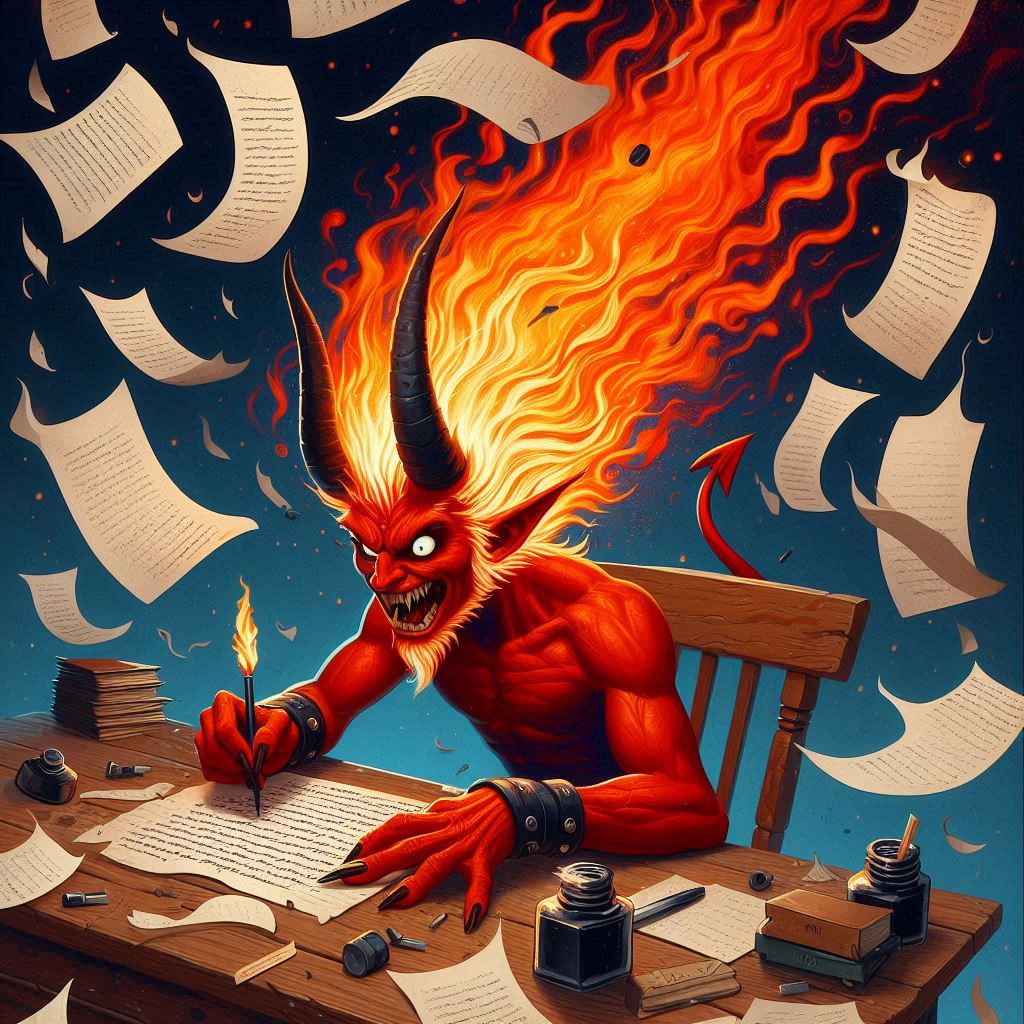
Description This poem captures a sense of internal conflict, blending themes of speed, creativity, and spiritual turmoil. The speaker identifies as a “speed demon,” suggesting a feeling of uncontrollable energy or compulsion, especially in the act of writing or creating (“these poetic artistry’s / evoke fast as lightning”). The imagery of lightning conveys a sudden,…

Description This poem presents a powerful exploration of duality, inner turmoil, and the struggle between an outward facade of innocence and an inner world brimming with darkness. The speaker describes themselves as appearing innocent and refined, symbolized by their “Versace lenses” and “glowing like a pearl,” which represent a polished, external image that others perceive.…

Description This poem captures the essence of a menacing clown persona, reminiscent of Stephen King’s Pennywise. The poem paints a vivid picture of this clown’s intent to instill fear while maintaining an eerie sense of pride. Let’s break down the elements and themes: Breakdown and Themes: Suggestions for Enhancements: Final Poem: Here’s a revised version…
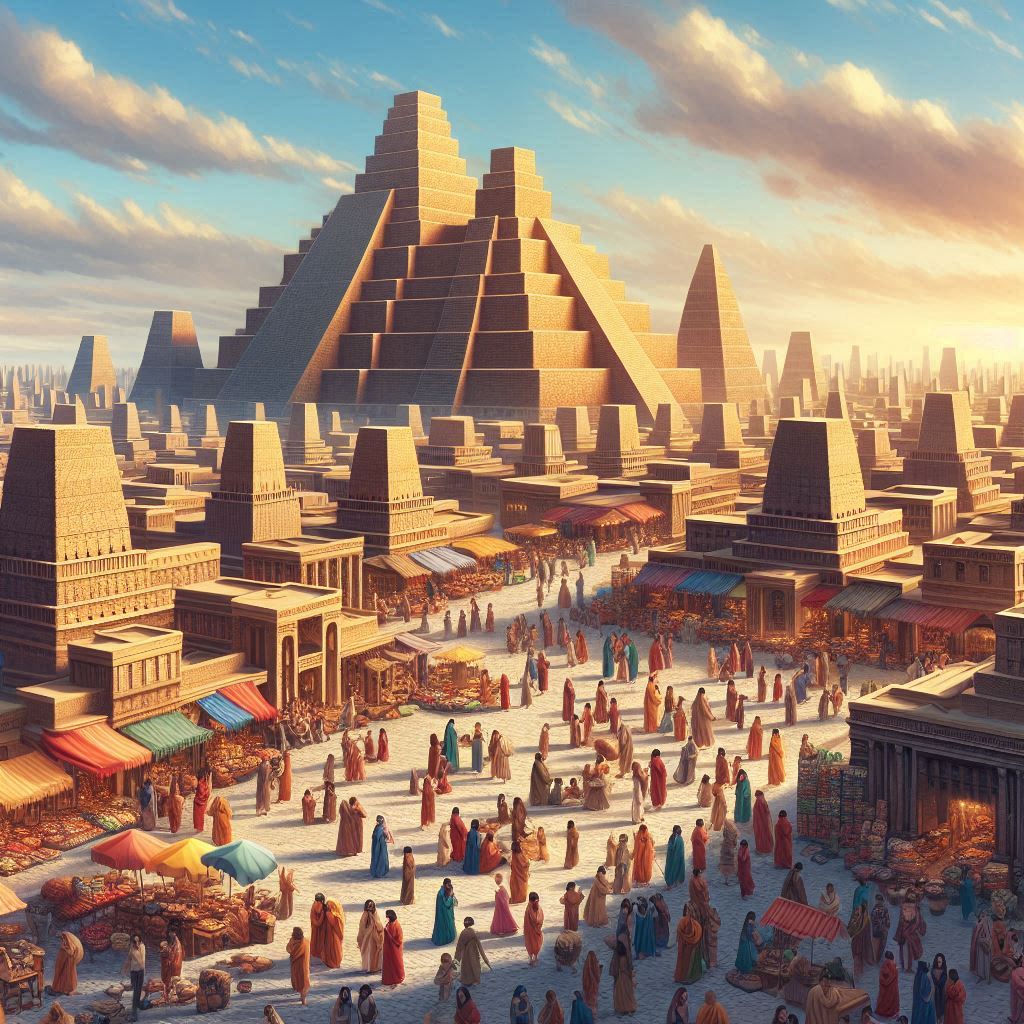
Description This poem explores the theme of spiritual conflict and moral temptation, using the symbolic setting of Babylon, an ancient civilization often associated with decadence, corruption, and moral decline. The speaker reflects on their loss of faith, highlighting the struggle between spiritual ideals and worldly desires. Key Elements and Themes: Overall Description: The poem is…
Poem Tread :
Inspired By :
Description This poem is a layered exploration of spiritual reverence, sensual admiration, and the complexities of expressing devotion through art. At its core, the narrator intertwines the sacred and the sensual, drawing parallels between their muse and the invigorating, life-affirming qualities of coffee—a universal symbol of comfort, warmth, and energy. The muse’s soul is described…
Description This piece channels the tragic downfall of a public figure, drawing inspiration from the life and struggles of Jimmy Swaggart, the famed televangelist who faced a public moral failure in the late 1980s. It reflects the internal conflict of a charismatic leader who, despite wielding influence and delivering sermons to inspire others, finds themselves…
Description This poem, Call Me A.C. Green…, is an introspective and reflective piece that portrays the author’s journey of self-discipline, spirituality, and perseverance. Using the metaphor of the basketball “court of life,” the poem connects the struggles of living a morally centered life to the commitment of A.C. Green, a former NBA player known for…
Description This piece offers a satirical critique of the modern dynamic between billionaires, online influencers, and globalist elites. It paints a vivid picture of influencers and billionaires attempting to disrupt the establishment, ostensibly to prevent a new world order. However, the irony lies in their unwitting acceleration of the very change they aim to resist.…
Description From a young age, she longed to walk with God in His golden garden, dreaming of divine peace and eternal connection. But her innocence was shattered when a trusted church leader betrayed her, masking his lust as piety and leaving her to grapple with emotions she couldn’t understand. Seeking comfort from her parents, she…
Description This poem reflects a powerful metaphor for life, where the speaker’s journey mirrors Bruce Lee’s Game of Death—a symbolic ascent to power and control, only to face a sudden, devastating fall. The “forbidden mansion” and the throne symbolize the speaker’s elevated status or achievements, acquired through perseverance, but also under constant threat from those…
Description This poem captures a sense of internal conflict, blending themes of speed, creativity, and spiritual turmoil. The speaker identifies as a “speed demon,” suggesting a feeling of uncontrollable energy or compulsion, especially in the act of writing or creating (“these poetic artistry’s / evoke fast as lightning”). The imagery of lightning conveys a sudden,…
Description This poem presents a powerful exploration of duality, inner turmoil, and the struggle between an outward facade of innocence and an inner world brimming with darkness. The speaker describes themselves as appearing innocent and refined, symbolized by their “Versace lenses” and “glowing like a pearl,” which represent a polished, external image that others perceive.…
Description This poem captures the essence of a menacing clown persona, reminiscent of Stephen King’s Pennywise. The poem paints a vivid picture of this clown’s intent to instill fear while maintaining an eerie sense of pride. Let’s break down the elements and themes: Breakdown and Themes: Suggestions for Enhancements: Final Poem: Here’s a revised version…
Description This poem explores the theme of spiritual conflict and moral temptation, using the symbolic setting of Babylon, an ancient civilization often associated with decadence, corruption, and moral decline. The speaker reflects on their loss of faith, highlighting the struggle between spiritual ideals and worldly desires. Key Elements and Themes: Overall Description: The poem is…
Substack Blog

Other Blogs
Inspired By :
Description This poem is a layered exploration of spiritual reverence, sensual admiration, and the complexities of expressing devotion through art. At its core, the narrator intertwines the sacred and the sensual, drawing parallels between their muse and the invigorating, life-affirming qualities of coffee—a universal symbol of comfort, warmth, and energy. The muse’s soul is described…
Description This piece channels the tragic downfall of a public figure, drawing inspiration from the life and struggles of Jimmy Swaggart, the famed televangelist who faced a public moral failure in the late 1980s. It reflects the internal conflict of a charismatic leader who, despite wielding influence and delivering sermons to inspire others, finds themselves…
Description This poem, Call Me A.C. Green…, is an introspective and reflective piece that portrays the author’s journey of self-discipline, spirituality, and perseverance. Using the metaphor of the basketball “court of life,” the poem connects the struggles of living a morally centered life to the commitment of A.C. Green, a former NBA player known for…
Description This piece offers a satirical critique of the modern dynamic between billionaires, online influencers, and globalist elites. It paints a vivid picture of influencers and billionaires attempting to disrupt the establishment, ostensibly to prevent a new world order. However, the irony lies in their unwitting acceleration of the very change they aim to resist.…
Description From a young age, she longed to walk with God in His golden garden, dreaming of divine peace and eternal connection. But her innocence was shattered when a trusted church leader betrayed her, masking his lust as piety and leaving her to grapple with emotions she couldn’t understand. Seeking comfort from her parents, she…
Description This poem reflects a powerful metaphor for life, where the speaker’s journey mirrors Bruce Lee’s Game of Death—a symbolic ascent to power and control, only to face a sudden, devastating fall. The “forbidden mansion” and the throne symbolize the speaker’s elevated status or achievements, acquired through perseverance, but also under constant threat from those…
Description This poem captures a sense of internal conflict, blending themes of speed, creativity, and spiritual turmoil. The speaker identifies as a “speed demon,” suggesting a feeling of uncontrollable energy or compulsion, especially in the act of writing or creating (“these poetic artistry’s / evoke fast as lightning”). The imagery of lightning conveys a sudden,…
Description This poem presents a powerful exploration of duality, inner turmoil, and the struggle between an outward facade of innocence and an inner world brimming with darkness. The speaker describes themselves as appearing innocent and refined, symbolized by their “Versace lenses” and “glowing like a pearl,” which represent a polished, external image that others perceive.…
Description This poem captures the essence of a menacing clown persona, reminiscent of Stephen King’s Pennywise. The poem paints a vivid picture of this clown’s intent to instill fear while maintaining an eerie sense of pride. Let’s break down the elements and themes: Breakdown and Themes: Suggestions for Enhancements: Final Poem: Here’s a revised version…
Description This poem explores the theme of spiritual conflict and moral temptation, using the symbolic setting of Babylon, an ancient civilization often associated with decadence, corruption, and moral decline. The speaker reflects on their loss of faith, highlighting the struggle between spiritual ideals and worldly desires. Key Elements and Themes: Overall Description: The poem is…
Substack Blog

Other Blogs
Inspired By :
Description This poem is a layered exploration of spiritual reverence, sensual admiration, and the complexities of expressing devotion through art. At its core, the narrator intertwines the sacred and the sensual, drawing parallels between their muse and the invigorating, life-affirming qualities of coffee—a universal symbol of comfort, warmth, and energy. The muse’s soul is described…
Description This piece channels the tragic downfall of a public figure, drawing inspiration from the life and struggles of Jimmy Swaggart, the famed televangelist who faced a public moral failure in the late 1980s. It reflects the internal conflict of a charismatic leader who, despite wielding influence and delivering sermons to inspire others, finds themselves…
Description This poem, Call Me A.C. Green…, is an introspective and reflective piece that portrays the author’s journey of self-discipline, spirituality, and perseverance. Using the metaphor of the basketball “court of life,” the poem connects the struggles of living a morally centered life to the commitment of A.C. Green, a former NBA player known for…
Description This piece offers a satirical critique of the modern dynamic between billionaires, online influencers, and globalist elites. It paints a vivid picture of influencers and billionaires attempting to disrupt the establishment, ostensibly to prevent a new world order. However, the irony lies in their unwitting acceleration of the very change they aim to resist.…
Description From a young age, she longed to walk with God in His golden garden, dreaming of divine peace and eternal connection. But her innocence was shattered when a trusted church leader betrayed her, masking his lust as piety and leaving her to grapple with emotions she couldn’t understand. Seeking comfort from her parents, she…
Description This poem reflects a powerful metaphor for life, where the speaker’s journey mirrors Bruce Lee’s Game of Death—a symbolic ascent to power and control, only to face a sudden, devastating fall. The “forbidden mansion” and the throne symbolize the speaker’s elevated status or achievements, acquired through perseverance, but also under constant threat from those…
Description This poem captures a sense of internal conflict, blending themes of speed, creativity, and spiritual turmoil. The speaker identifies as a “speed demon,” suggesting a feeling of uncontrollable energy or compulsion, especially in the act of writing or creating (“these poetic artistry’s / evoke fast as lightning”). The imagery of lightning conveys a sudden,…
Description This poem presents a powerful exploration of duality, inner turmoil, and the struggle between an outward facade of innocence and an inner world brimming with darkness. The speaker describes themselves as appearing innocent and refined, symbolized by their “Versace lenses” and “glowing like a pearl,” which represent a polished, external image that others perceive.…
Description This poem captures the essence of a menacing clown persona, reminiscent of Stephen King’s Pennywise. The poem paints a vivid picture of this clown’s intent to instill fear while maintaining an eerie sense of pride. Let’s break down the elements and themes: Breakdown and Themes: Suggestions for Enhancements: Final Poem: Here’s a revised version…
Description This poem explores the theme of spiritual conflict and moral temptation, using the symbolic setting of Babylon, an ancient civilization often associated with decadence, corruption, and moral decline. The speaker reflects on their loss of faith, highlighting the struggle between spiritual ideals and worldly desires. Key Elements and Themes: Overall Description: The poem is…
Other Blogs
Inspired By :
Description This poem is a layered exploration of spiritual reverence, sensual admiration, and the complexities of expressing devotion through art. At its core, the narrator intertwines the sacred and the sensual, drawing parallels between their muse and the invigorating, life-affirming qualities of coffee—a universal symbol of comfort, warmth, and energy. The muse’s soul is described…
Description This piece channels the tragic downfall of a public figure, drawing inspiration from the life and struggles of Jimmy Swaggart, the famed televangelist who faced a public moral failure in the late 1980s. It reflects the internal conflict of a charismatic leader who, despite wielding influence and delivering sermons to inspire others, finds themselves…
Description This poem, Call Me A.C. Green…, is an introspective and reflective piece that portrays the author’s journey of self-discipline, spirituality, and perseverance. Using the metaphor of the basketball “court of life,” the poem connects the struggles of living a morally centered life to the commitment of A.C. Green, a former NBA player known for…
Description This piece offers a satirical critique of the modern dynamic between billionaires, online influencers, and globalist elites. It paints a vivid picture of influencers and billionaires attempting to disrupt the establishment, ostensibly to prevent a new world order. However, the irony lies in their unwitting acceleration of the very change they aim to resist.…
Description From a young age, she longed to walk with God in His golden garden, dreaming of divine peace and eternal connection. But her innocence was shattered when a trusted church leader betrayed her, masking his lust as piety and leaving her to grapple with emotions she couldn’t understand. Seeking comfort from her parents, she…
Description This poem reflects a powerful metaphor for life, where the speaker’s journey mirrors Bruce Lee’s Game of Death—a symbolic ascent to power and control, only to face a sudden, devastating fall. The “forbidden mansion” and the throne symbolize the speaker’s elevated status or achievements, acquired through perseverance, but also under constant threat from those…
Description This poem captures a sense of internal conflict, blending themes of speed, creativity, and spiritual turmoil. The speaker identifies as a “speed demon,” suggesting a feeling of uncontrollable energy or compulsion, especially in the act of writing or creating (“these poetic artistry’s / evoke fast as lightning”). The imagery of lightning conveys a sudden,…
Description This poem presents a powerful exploration of duality, inner turmoil, and the struggle between an outward facade of innocence and an inner world brimming with darkness. The speaker describes themselves as appearing innocent and refined, symbolized by their “Versace lenses” and “glowing like a pearl,” which represent a polished, external image that others perceive.…
Description This poem captures the essence of a menacing clown persona, reminiscent of Stephen King’s Pennywise. The poem paints a vivid picture of this clown’s intent to instill fear while maintaining an eerie sense of pride. Let’s break down the elements and themes: Breakdown and Themes: Suggestions for Enhancements: Final Poem: Here’s a revised version…
Description This poem explores the theme of spiritual conflict and moral temptation, using the symbolic setting of Babylon, an ancient civilization often associated with decadence, corruption, and moral decline. The speaker reflects on their loss of faith, highlighting the struggle between spiritual ideals and worldly desires. Key Elements and Themes: Overall Description: The poem is…
Other Blogs
Inspired By :