Intro
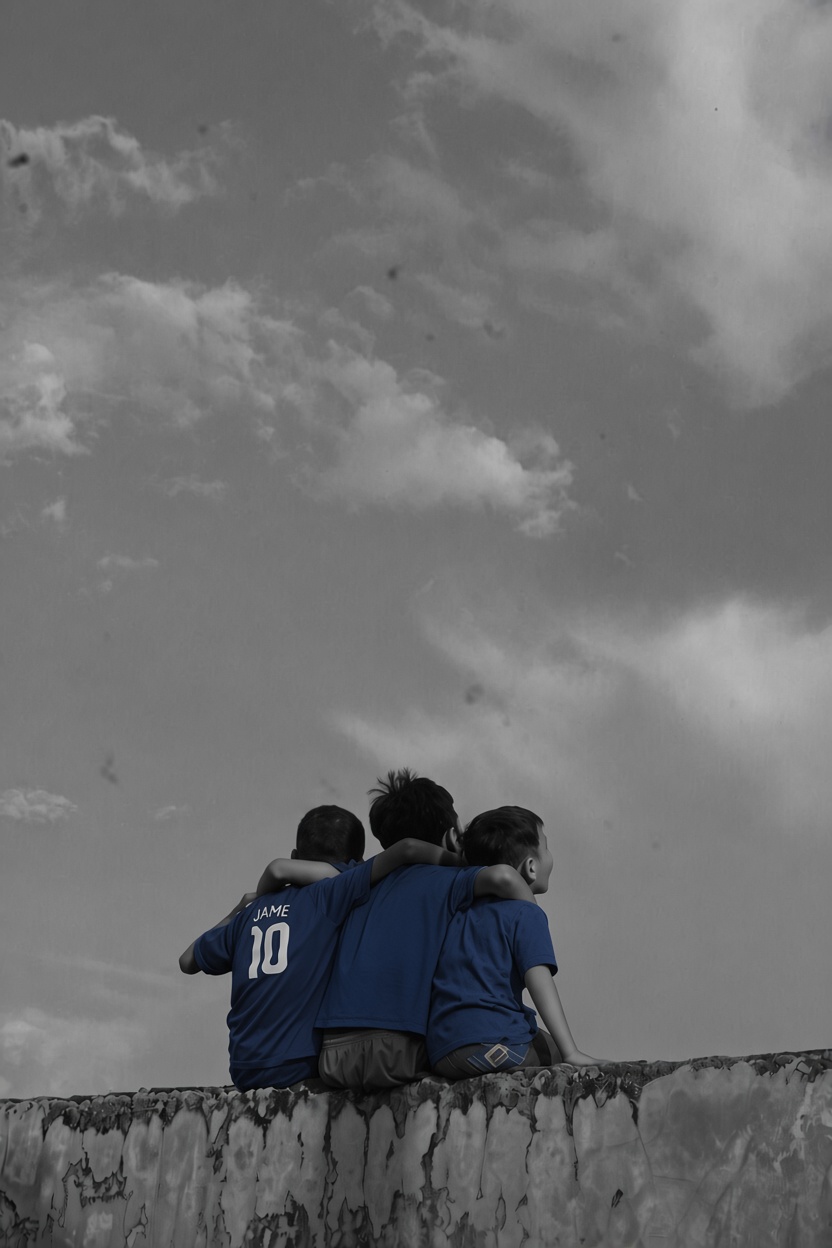
What haunts me most about Lindsay Clancy’s children is not only that their lives ended so young, but that they never had the chance to discover who they could have become—the birthdays, dreams, laughter, and love they will never experience. Their deaths leave behind painful questions about motherhood, mental illness, responsibility, and how we understand tragedies that seem impossible to comprehend. Most of all, I keep wondering about the lives that were never allowed to unfold and the three little souls whose futures will forever remain unwritten.
Outro
In the end, the waters grow still once the truth is seen. What once circled with predatory grace loses its power the moment we refuse to swim in fear or desire. The Delilah archetype may still glitter from a distance, but up close—in the unyielding light of a soul anchored in God—her shine dissolves, leaving only the quiet exposure of motives that were never pure and insecurities that were never healed. We do not fold. We do not bark. We simply stand, concrete-solid, and watch the mist drift away.
Spiritual Takeaway
Spiritual Takeaway
Perhaps the deepest spiritual lesson is to remember how fragile and precious a human life truly is. We are never guaranteed tomorrow, and we cannot know how many ordinary moments will eventually become the memories we treasure most. The lives of these three children remind us to cherish the people entrusted to our care, to notice suffering rather than look away from it, and to extend compassion without losing sight of responsibility.
We may never understand every part of this tragedy, and perhaps some questions will remain unanswered. But we can choose what we carry forward from it: greater tenderness toward one another, greater awareness of those who are struggling, and a deeper appreciation for the brief, beautiful lives we are given. Their futures were never allowed to unfold, but remembering them with dignity means refusing to let their lives be reduced to the circumstances of their deaths.
Poem Fragment