
Poem Tread :
Inspired By :

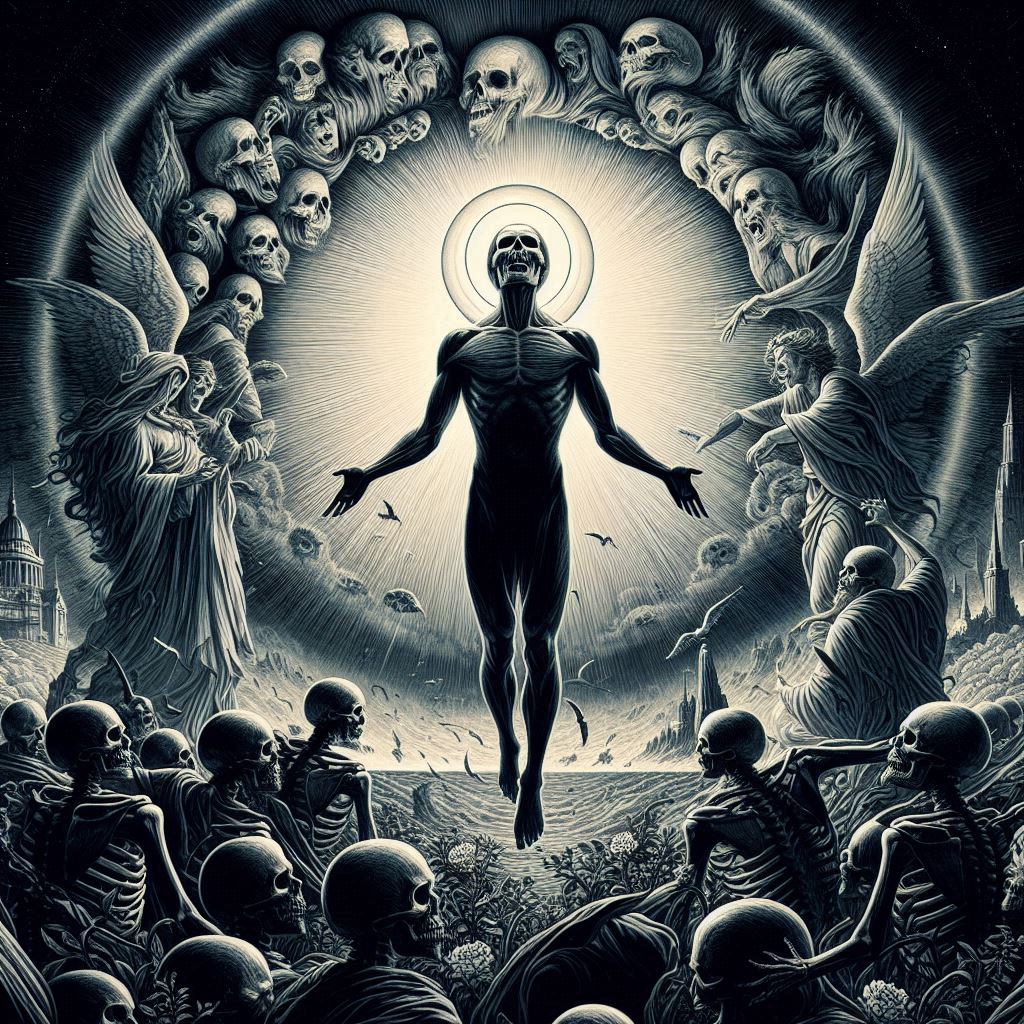
Dissected Threads Tread One : The Weight of Divine Glory: A Philosophical Reflection on Spiritual Burden.

The poem “Flannel and Cherubim Fabrics” resonates deeply with me, weaving a philosophical reflection on my struggle to define my authentic self against the soft, suffocating threads of cultural expectation. I feel culture stitching my soul with “soft and fuzzy fabrics” of flannel—warm, feminine, cozy—yet these threads leave my heart anxious, my true essence buried…
Dissected Threads Tread One : Unveiling Authenticity: A Philosophical Analysis of ‘Flannel and Cherubim Fabrics’

The poem Scorched …(Poem) is a visceral exploration of sin, redemption, and the transformative power of self-awareness and creative expression. Through its fiery imagery and intense emotional cadence, it grapples with the human condition—our propensity for error, the weight of guilt, and the hope for transcendence. Philosophically, it engages with existential questions of agency, suffering,…
Dissected Threads Tread One : Scorched Poem: Exploring Sin and Redemption Through Bible Themes and Passion…(Blog) Thread Two : Scorched by The Penmanship And Sins (Dissect video) – LifeandTimelessart

The human heart is a paradox—a fragile yet resilient tapestry woven with threads of light and shadow. In a poignant poem that confesses, “I love breaking hearts,” we encounter a voice grappling with pride, darkness, and the transformative power of divine grace. Central to this narrative is the imagery of “threads of velour,” a soft,…
Dissected Threads Tread One : Threads of Velour: The Symbolism of Heart Transformation in Poetry.(Blog)

The human experience is a tapestry woven with threads of joy and sorrow, laughter and despair, each strand inseparable from the other. Few mediums capture this duality as vividly as comedy, a craft that transforms the absurdities and pains of existence into moments of shared catharsis. Yet, beneath the surface of every laugh lies a…
Dissected Threads Tread One : The Mask of Mirth: A Philosophical Exploration of Comedy, Tragedy, and the Human Condition…(Blog) Inspiration from :
Poem Tread :
Inspired By :
Dissected Threads Tread One : The Weight of Divine Glory: A Philosophical Reflection on Spiritual Burden.
The poem “Flannel and Cherubim Fabrics” resonates deeply with me, weaving a philosophical reflection on my struggle to define my authentic self against the soft, suffocating threads of cultural expectation. I feel culture stitching my soul with “soft and fuzzy fabrics” of flannel—warm, feminine, cozy—yet these threads leave my heart anxious, my true essence buried…
Dissected Threads Tread One : Unveiling Authenticity: A Philosophical Analysis of ‘Flannel and Cherubim Fabrics’
The poem Scorched …(Poem) is a visceral exploration of sin, redemption, and the transformative power of self-awareness and creative expression. Through its fiery imagery and intense emotional cadence, it grapples with the human condition—our propensity for error, the weight of guilt, and the hope for transcendence. Philosophically, it engages with existential questions of agency, suffering,…
Dissected Threads Tread One : Scorched Poem: Exploring Sin and Redemption Through Bible Themes and Passion…(Blog) Thread Two : Scorched by The Penmanship And Sins (Dissect video) – LifeandTimelessart
The human heart is a paradox—a fragile yet resilient tapestry woven with threads of light and shadow. In a poignant poem that confesses, “I love breaking hearts,” we encounter a voice grappling with pride, darkness, and the transformative power of divine grace. Central to this narrative is the imagery of “threads of velour,” a soft,…
Dissected Threads Tread One : Threads of Velour: The Symbolism of Heart Transformation in Poetry.(Blog)
The human experience is a tapestry woven with threads of joy and sorrow, laughter and despair, each strand inseparable from the other. Few mediums capture this duality as vividly as comedy, a craft that transforms the absurdities and pains of existence into moments of shared catharsis. Yet, beneath the surface of every laugh lies a…
Dissected Threads Tread One : The Mask of Mirth: A Philosophical Exploration of Comedy, Tragedy, and the Human Condition…(Blog) Inspiration from :
Substack Blog

Other Blogs
Inspired By :
Dissected Threads Tread One : The Weight of Divine Glory: A Philosophical Reflection on Spiritual Burden.
The poem “Flannel and Cherubim Fabrics” resonates deeply with me, weaving a philosophical reflection on my struggle to define my authentic self against the soft, suffocating threads of cultural expectation. I feel culture stitching my soul with “soft and fuzzy fabrics” of flannel—warm, feminine, cozy—yet these threads leave my heart anxious, my true essence buried…
Dissected Threads Tread One : Unveiling Authenticity: A Philosophical Analysis of ‘Flannel and Cherubim Fabrics’
The poem Scorched …(Poem) is a visceral exploration of sin, redemption, and the transformative power of self-awareness and creative expression. Through its fiery imagery and intense emotional cadence, it grapples with the human condition—our propensity for error, the weight of guilt, and the hope for transcendence. Philosophically, it engages with existential questions of agency, suffering,…
Dissected Threads Tread One : Scorched Poem: Exploring Sin and Redemption Through Bible Themes and Passion…(Blog) Thread Two : Scorched by The Penmanship And Sins (Dissect video) – LifeandTimelessart
The human heart is a paradox—a fragile yet resilient tapestry woven with threads of light and shadow. In a poignant poem that confesses, “I love breaking hearts,” we encounter a voice grappling with pride, darkness, and the transformative power of divine grace. Central to this narrative is the imagery of “threads of velour,” a soft,…
Dissected Threads Tread One : Threads of Velour: The Symbolism of Heart Transformation in Poetry.(Blog)
The human experience is a tapestry woven with threads of joy and sorrow, laughter and despair, each strand inseparable from the other. Few mediums capture this duality as vividly as comedy, a craft that transforms the absurdities and pains of existence into moments of shared catharsis. Yet, beneath the surface of every laugh lies a…
Dissected Threads Tread One : The Mask of Mirth: A Philosophical Exploration of Comedy, Tragedy, and the Human Condition…(Blog) Inspiration from :
Substack Blog

Other Blogs
Inspired By :
Dissected Threads Tread One : The Weight of Divine Glory: A Philosophical Reflection on Spiritual Burden.
The poem “Flannel and Cherubim Fabrics” resonates deeply with me, weaving a philosophical reflection on my struggle to define my authentic self against the soft, suffocating threads of cultural expectation. I feel culture stitching my soul with “soft and fuzzy fabrics” of flannel—warm, feminine, cozy—yet these threads leave my heart anxious, my true essence buried…
Dissected Threads Tread One : Unveiling Authenticity: A Philosophical Analysis of ‘Flannel and Cherubim Fabrics’
The poem Scorched …(Poem) is a visceral exploration of sin, redemption, and the transformative power of self-awareness and creative expression. Through its fiery imagery and intense emotional cadence, it grapples with the human condition—our propensity for error, the weight of guilt, and the hope for transcendence. Philosophically, it engages with existential questions of agency, suffering,…
Dissected Threads Tread One : Scorched Poem: Exploring Sin and Redemption Through Bible Themes and Passion…(Blog) Thread Two : Scorched by The Penmanship And Sins (Dissect video) – LifeandTimelessart
The human heart is a paradox—a fragile yet resilient tapestry woven with threads of light and shadow. In a poignant poem that confesses, “I love breaking hearts,” we encounter a voice grappling with pride, darkness, and the transformative power of divine grace. Central to this narrative is the imagery of “threads of velour,” a soft,…
Dissected Threads Tread One : Threads of Velour: The Symbolism of Heart Transformation in Poetry.(Blog)
The human experience is a tapestry woven with threads of joy and sorrow, laughter and despair, each strand inseparable from the other. Few mediums capture this duality as vividly as comedy, a craft that transforms the absurdities and pains of existence into moments of shared catharsis. Yet, beneath the surface of every laugh lies a…
Dissected Threads Tread One : The Mask of Mirth: A Philosophical Exploration of Comedy, Tragedy, and the Human Condition…(Blog) Inspiration from :
Other Blogs
Inspired By :
Dissected Threads Tread One : The Weight of Divine Glory: A Philosophical Reflection on Spiritual Burden.
The poem “Flannel and Cherubim Fabrics” resonates deeply with me, weaving a philosophical reflection on my struggle to define my authentic self against the soft, suffocating threads of cultural expectation. I feel culture stitching my soul with “soft and fuzzy fabrics” of flannel—warm, feminine, cozy—yet these threads leave my heart anxious, my true essence buried…
Dissected Threads Tread One : Unveiling Authenticity: A Philosophical Analysis of ‘Flannel and Cherubim Fabrics’
The poem Scorched …(Poem) is a visceral exploration of sin, redemption, and the transformative power of self-awareness and creative expression. Through its fiery imagery and intense emotional cadence, it grapples with the human condition—our propensity for error, the weight of guilt, and the hope for transcendence. Philosophically, it engages with existential questions of agency, suffering,…
Dissected Threads Tread One : Scorched Poem: Exploring Sin and Redemption Through Bible Themes and Passion…(Blog) Thread Two : Scorched by The Penmanship And Sins (Dissect video) – LifeandTimelessart
The human heart is a paradox—a fragile yet resilient tapestry woven with threads of light and shadow. In a poignant poem that confesses, “I love breaking hearts,” we encounter a voice grappling with pride, darkness, and the transformative power of divine grace. Central to this narrative is the imagery of “threads of velour,” a soft,…
Dissected Threads Tread One : Threads of Velour: The Symbolism of Heart Transformation in Poetry.(Blog)
The human experience is a tapestry woven with threads of joy and sorrow, laughter and despair, each strand inseparable from the other. Few mediums capture this duality as vividly as comedy, a craft that transforms the absurdities and pains of existence into moments of shared catharsis. Yet, beneath the surface of every laugh lies a…
Dissected Threads Tread One : The Mask of Mirth: A Philosophical Exploration of Comedy, Tragedy, and the Human Condition…(Blog) Inspiration from :
Other Blogs
Inspired By :