
Dissected Tread
Tread One :
Inspired By :


Intro In the quiet interplay between divine inspiration and inner turmoil, creativity often unfolds as a sacred battle. This poem captures that delicate tension with striking spiritual imagery: the gentle descent of the Holy Spirit, arriving like a dove to ignite the soul with words and wonder, contrasted against the dark interference of overthinking —…
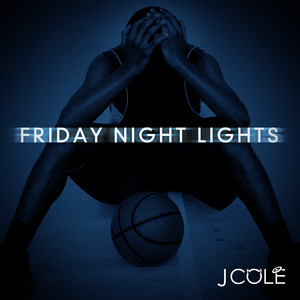
Intro In the shadows of spiritual warfare, a powerful poem titled “Her Master” exposes the cunning tactics of darkness. Her master harbors a dozen souls in his favor, rising from the sewers with plans to conquer the world forever. Yet before he could lay hands on this soul, the narrator rose up with raw conviction…
Intro Under the glow of those Friday night lights, I battled something no one could see. Lusting in my mind over her felt harmless to the world around me, but deep down I knew the truth: it was no different from premeditated murder. Staring at God’s perfect standards in the mirror, I saw myself clearly…
Intro I wrote this poem as a reflection on life’s complex and emotional journey, imagining it as a deep soundtrack whose lyrics are too profound for any simple intro. It moves from the pure innocence of a child’s smile to the divine beauty of an angel’s magnificent halo, while accepting that life is filled with…
Intro I wrote this poem while sitting alone in my dark room, letting the Friday night lights bleed through the curtains as my mind wandered. Heavily inspired by J. Cole’s Friday Night Lights mixtape, I decided to open the piece by weaving in many of the track titles — Too Deep for the Intro, Before…
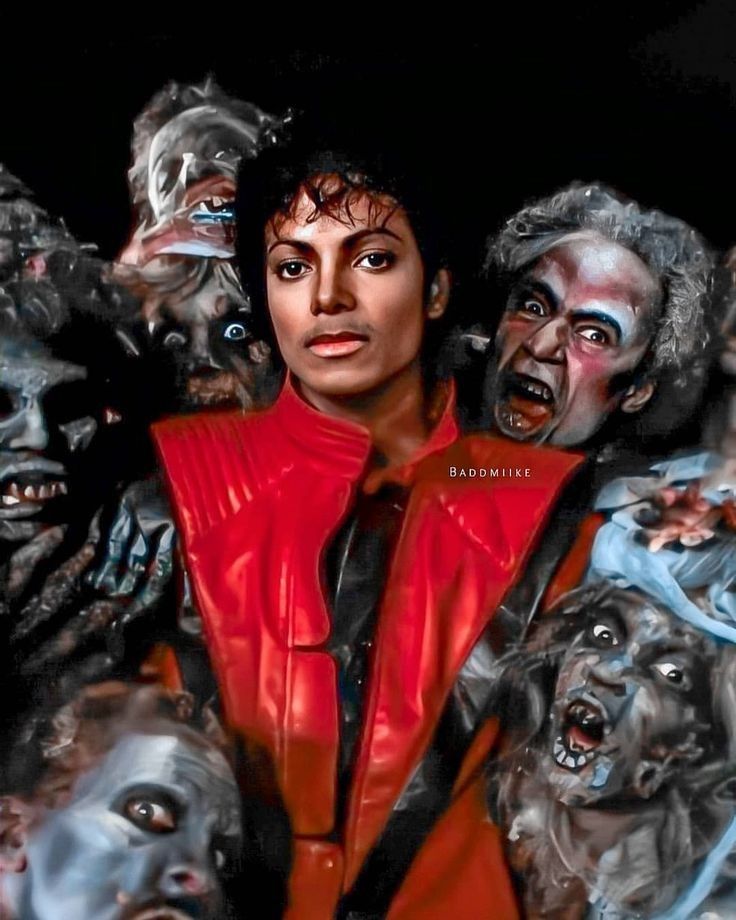
Intro When I look back at this poem, I realize it’s more than just aggressive bars — it’s a mirror to my own evolution. I wrote it from a place where repeated heartbreak had finally broken something irreversible inside me, forcing me to confront how I had played myself by putting women on pedestals and…
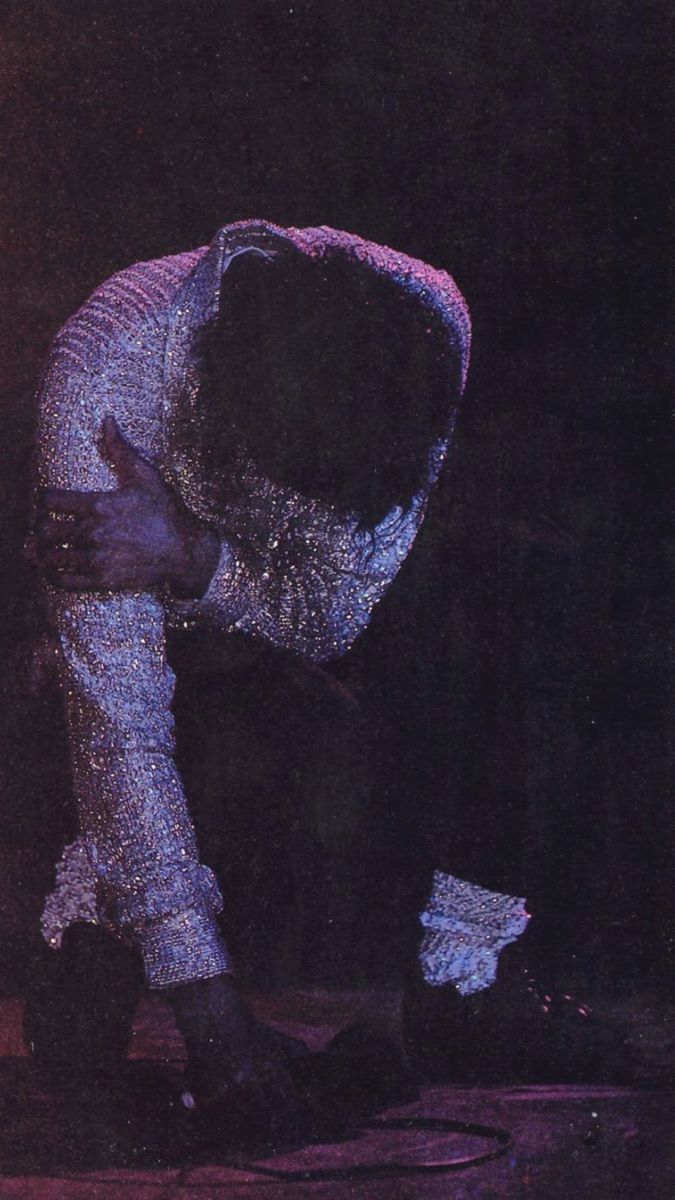
Intro This poem navigates the treacherous ambiguity between intimacy and intrusion, unfolding in the liminal haze of adolescence—where the self is still a half-formed question and every boundary feels negotiable. It captures the unsettling paradox of being profoundly seen by someone who radiates grace, talent, and an almost mythic allure, yet whose gaze carries an…

Intro This poem navigates the treacherous ambiguity between intimacy and intrusion, unfolding in the liminal haze of adolescence—where the self is still a half-formed question and every boundary feels negotiable. It captures the unsettling paradox of being profoundly seen by someone who radiates grace, talent, and an almost mythic allure, yet whose gaze carries an…
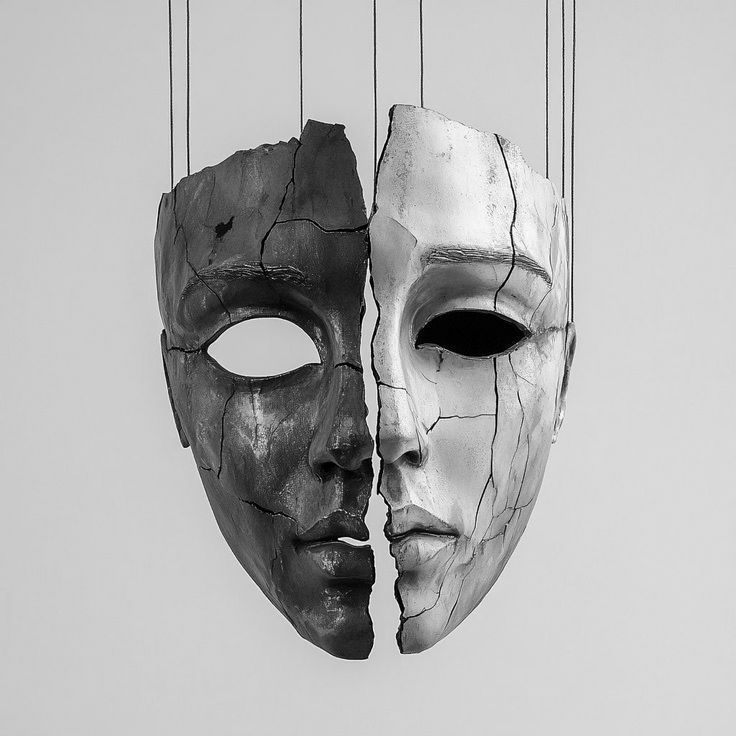
Intro There’s a quiet tension that builds when who you are begins to drift from who you appear to be. On the surface, everything can look polished—confidence, success, admiration—but beneath it, something unsettled lingers, asking whether any of it is real. It’s easy to construct a version of yourself that earns approval, to perform a…

Intro In the suffocating silence of my darkest room, with only a single flickering candle fighting against the shadows, I wrote “Feeling Low” as a raw creative outpouring of my soul. This poem captures the exact moment when I was drowning in despair craving a high like winning the lotto, begging my creativity to reignite…
Dissected Tread
Tread One :
Inspired By :
Intro In the quiet interplay between divine inspiration and inner turmoil, creativity often unfolds as a sacred battle. This poem captures that delicate tension with striking spiritual imagery: the gentle descent of the Holy Spirit, arriving like a dove to ignite the soul with words and wonder, contrasted against the dark interference of overthinking —…
Intro In the shadows of spiritual warfare, a powerful poem titled “Her Master” exposes the cunning tactics of darkness. Her master harbors a dozen souls in his favor, rising from the sewers with plans to conquer the world forever. Yet before he could lay hands on this soul, the narrator rose up with raw conviction…
Intro Under the glow of those Friday night lights, I battled something no one could see. Lusting in my mind over her felt harmless to the world around me, but deep down I knew the truth: it was no different from premeditated murder. Staring at God’s perfect standards in the mirror, I saw myself clearly…
Intro I wrote this poem as a reflection on life’s complex and emotional journey, imagining it as a deep soundtrack whose lyrics are too profound for any simple intro. It moves from the pure innocence of a child’s smile to the divine beauty of an angel’s magnificent halo, while accepting that life is filled with…
Intro I wrote this poem while sitting alone in my dark room, letting the Friday night lights bleed through the curtains as my mind wandered. Heavily inspired by J. Cole’s Friday Night Lights mixtape, I decided to open the piece by weaving in many of the track titles — Too Deep for the Intro, Before…
Intro When I look back at this poem, I realize it’s more than just aggressive bars — it’s a mirror to my own evolution. I wrote it from a place where repeated heartbreak had finally broken something irreversible inside me, forcing me to confront how I had played myself by putting women on pedestals and…
Intro This poem navigates the treacherous ambiguity between intimacy and intrusion, unfolding in the liminal haze of adolescence—where the self is still a half-formed question and every boundary feels negotiable. It captures the unsettling paradox of being profoundly seen by someone who radiates grace, talent, and an almost mythic allure, yet whose gaze carries an…
Intro This poem navigates the treacherous ambiguity between intimacy and intrusion, unfolding in the liminal haze of adolescence—where the self is still a half-formed question and every boundary feels negotiable. It captures the unsettling paradox of being profoundly seen by someone who radiates grace, talent, and an almost mythic allure, yet whose gaze carries an…
Intro There’s a quiet tension that builds when who you are begins to drift from who you appear to be. On the surface, everything can look polished—confidence, success, admiration—but beneath it, something unsettled lingers, asking whether any of it is real. It’s easy to construct a version of yourself that earns approval, to perform a…
Intro In the suffocating silence of my darkest room, with only a single flickering candle fighting against the shadows, I wrote “Feeling Low” as a raw creative outpouring of my soul. This poem captures the exact moment when I was drowning in despair craving a high like winning the lotto, begging my creativity to reignite…
I blaze through the streets, my heart pounding, seeking those I once called my best friends—friends who betrayed me, their masks peeling away to reveal fragments of lust, loafing, guilt, and shame. Their deception trapped me in a “happy illusion,” but now, with wrath born from the abyss of my heart, I confront the wreckage of trust and the question of redemption. This raw, visceral poem is my story, urging me to explore philosophically what betrayal has done to my sense of self, how wrath has shaped my response, and whether I can find redemption without losing my soul. Drawing from existentialism, Stoicism, and ethical thought, I reflect on my journey through betrayal and rage, seeking answers within the ashes.
Betrayal and the Unmasking of My Illusions
When I saw their masks peel away, exposing their lustful ease, the sting of betrayal cut deep. These weren’t just friends—they were vices I embraced, parts of myself I refused to see. In Sartre’s terms, I was living in mauvaise foi (bad faith), hiding from the truth to cling to a comforting lie. Their betrayal forced me to confront this illusion, shattering the cage I built around myself. Now, I stand in the glare of existential angst, free yet burdened to redefine who I am without those false friends.
This unmasking wounds me but also offers a gift. As Nietzsche might urge, I’m peeling away false identities to approach my authentic self, untainted by deception. But the cost is heavy: years wasted, blinded by their intentions. I face a choice—cling to the ruins of my old self or forge a new path, knowing betrayal has revealed not just their falsehoods but my own complicity in them.

Wrath as My Response
From the “wrathful abyss” of my heart, rage erupts. I don’t just feel anger—I act on it, methodically taking out Steel (Loafing), Raheem (Guilt), and Q (Shame) with bullets to the heart, head, and chest. This isn’t blind fury but a deliberate purge, a claim to agency. Existentially, I’m asserting my freedom, refusing to remain a victim. Yet, Seneca’s Stoic warning echoes: wrath is a “temporary madness” that clouds reason. By “disconnecting my morals from my heart,” I risk becoming Nietzsche’s “pale criminal,” powerful in action but hollowed out by moral loss.
My wrath is a double-edged sword. It liberates me from the grip of vice, but it leaves me “lost in [a] charred room.” I’ve destroyed the external symbols of my flaws, but have I freed myself, or have I traded one cage for another? The bravery I feel is real, but it teeters on the edge of self-destruction, forcing me to question whether this path leads to empowerment or ruin.
Redemption or Self-Destruction?
Alone in my charred room, I contemplate purging wrath itself by “separating my body from my soul,” baptizing myself with “a bullet to the head, without holding back.” This chilling thought feels like both despair and a twisted hope for redemption. In Camus’ absurd, I’m caught between seeking meaning and facing its absence. My desire to purge wrath suggests a longing to transcend my corrupted state, but the method—self-annihilation—makes me pause. Stoicism, through Marcus Aurelius, urges me to master my passions, not destroy myself: “You have power over your mind—not outside events.” Yet, the idea of “baptizing my soul” hints at Kierkegaard’s leap of faith, a surrender to something beyond reason.
The ambiguity—whether I follow through or merely contemplate this act—leaves me wondering if redemption lies in self-awareness rather than a final bullet. Have I the courage to reintegrate my fragmented soul, or will I remain lost in this charred aftermath?
Ethical Reflections on My Fragmented Soul
Killing my personified vices—loafing, guilt, shame—feels like purging my flaws, but it’s also a form of scapegoating, projecting my struggles onto others. Ethically, I wrestle with a utilitarian question: does my liberation justify the violence, the disconnection of my morals? Plato’s tripartite soul comes to mind—reason, spirit, and appetite must harmonize for virtue. My wrathful actions let spirit rule, sidelining reason and balance. Redemption, then, might mean reintegrating these parts through introspection, not more destruction. But can I rebuild what I’ve burned?
Conclusion
This poem—“Unveiled Betrayal: My Wrathful Redemption”—is my confrontation with the human condition: the pain of betrayal, the fire of wrath, and the faint hope of redemption. Philosophically, it challenges me to consider how I respond to deception, both from others and within myself. Existentialism offers me freedom to redefine myself, but at the risk of moral erosion. Stoicism warns against wrath’s tyranny, urging inner mastery. The question lingers: can I escape the abyss of betrayal without losing myself, or is redemption always a baptism by fire? As I stand in my charred room, I’m left to decide whether to rebuild or let the ashes define me.
Poem Tread :
Intro In the quiet interplay between divine inspiration and inner turmoil, creativity often unfolds as a sacred battle. This poem captures that delicate tension with striking spiritual imagery: the gentle descent of the Holy Spirit, arriving like a dove to ignite the soul with words and wonder, contrasted against the dark interference of overthinking —…
Intro In the shadows of spiritual warfare, a powerful poem titled “Her Master” exposes the cunning tactics of darkness. Her master harbors a dozen souls in his favor, rising from the sewers with plans to conquer the world forever. Yet before he could lay hands on this soul, the narrator rose up with raw conviction…
Intro Under the glow of those Friday night lights, I battled something no one could see. Lusting in my mind over her felt harmless to the world around me, but deep down I knew the truth: it was no different from premeditated murder. Staring at God’s perfect standards in the mirror, I saw myself clearly…
Intro I wrote this poem as a reflection on life’s complex and emotional journey, imagining it as a deep soundtrack whose lyrics are too profound for any simple intro. It moves from the pure innocence of a child’s smile to the divine beauty of an angel’s magnificent halo, while accepting that life is filled with…
Intro I wrote this poem while sitting alone in my dark room, letting the Friday night lights bleed through the curtains as my mind wandered. Heavily inspired by J. Cole’s Friday Night Lights mixtape, I decided to open the piece by weaving in many of the track titles — Too Deep for the Intro, Before…
Intro When I look back at this poem, I realize it’s more than just aggressive bars — it’s a mirror to my own evolution. I wrote it from a place where repeated heartbreak had finally broken something irreversible inside me, forcing me to confront how I had played myself by putting women on pedestals and…
Intro This poem navigates the treacherous ambiguity between intimacy and intrusion, unfolding in the liminal haze of adolescence—where the self is still a half-formed question and every boundary feels negotiable. It captures the unsettling paradox of being profoundly seen by someone who radiates grace, talent, and an almost mythic allure, yet whose gaze carries an…
Intro This poem navigates the treacherous ambiguity between intimacy and intrusion, unfolding in the liminal haze of adolescence—where the self is still a half-formed question and every boundary feels negotiable. It captures the unsettling paradox of being profoundly seen by someone who radiates grace, talent, and an almost mythic allure, yet whose gaze carries an…
Intro There’s a quiet tension that builds when who you are begins to drift from who you appear to be. On the surface, everything can look polished—confidence, success, admiration—but beneath it, something unsettled lingers, asking whether any of it is real. It’s easy to construct a version of yourself that earns approval, to perform a…
Intro In the suffocating silence of my darkest room, with only a single flickering candle fighting against the shadows, I wrote “Feeling Low” as a raw creative outpouring of my soul. This poem captures the exact moment when I was drowning in despair craving a high like winning the lotto, begging my creativity to reignite…

Dissected Threads
Tread One :
Inspired By :
Intro In the quiet interplay between divine inspiration and inner turmoil, creativity often unfolds as a sacred battle. This poem captures that delicate tension with striking spiritual imagery: the gentle descent of the Holy Spirit, arriving like a dove to ignite the soul with words and wonder, contrasted against the dark interference of overthinking —…
Intro In the shadows of spiritual warfare, a powerful poem titled “Her Master” exposes the cunning tactics of darkness. Her master harbors a dozen souls in his favor, rising from the sewers with plans to conquer the world forever. Yet before he could lay hands on this soul, the narrator rose up with raw conviction…
Intro Under the glow of those Friday night lights, I battled something no one could see. Lusting in my mind over her felt harmless to the world around me, but deep down I knew the truth: it was no different from premeditated murder. Staring at God’s perfect standards in the mirror, I saw myself clearly…
Intro I wrote this poem as a reflection on life’s complex and emotional journey, imagining it as a deep soundtrack whose lyrics are too profound for any simple intro. It moves from the pure innocence of a child’s smile to the divine beauty of an angel’s magnificent halo, while accepting that life is filled with…
Intro I wrote this poem while sitting alone in my dark room, letting the Friday night lights bleed through the curtains as my mind wandered. Heavily inspired by J. Cole’s Friday Night Lights mixtape, I decided to open the piece by weaving in many of the track titles — Too Deep for the Intro, Before…
Intro When I look back at this poem, I realize it’s more than just aggressive bars — it’s a mirror to my own evolution. I wrote it from a place where repeated heartbreak had finally broken something irreversible inside me, forcing me to confront how I had played myself by putting women on pedestals and…
Intro This poem navigates the treacherous ambiguity between intimacy and intrusion, unfolding in the liminal haze of adolescence—where the self is still a half-formed question and every boundary feels negotiable. It captures the unsettling paradox of being profoundly seen by someone who radiates grace, talent, and an almost mythic allure, yet whose gaze carries an…
Intro This poem navigates the treacherous ambiguity between intimacy and intrusion, unfolding in the liminal haze of adolescence—where the self is still a half-formed question and every boundary feels negotiable. It captures the unsettling paradox of being profoundly seen by someone who radiates grace, talent, and an almost mythic allure, yet whose gaze carries an…
Intro There’s a quiet tension that builds when who you are begins to drift from who you appear to be. On the surface, everything can look polished—confidence, success, admiration—but beneath it, something unsettled lingers, asking whether any of it is real. It’s easy to construct a version of yourself that earns approval, to perform a…
Intro In the suffocating silence of my darkest room, with only a single flickering candle fighting against the shadows, I wrote “Feeling Low” as a raw creative outpouring of my soul. This poem captures the exact moment when I was drowning in despair craving a high like winning the lotto, begging my creativity to reignite…

Dissected Threads
Tread One :
Inspired By :
Intro In the quiet interplay between divine inspiration and inner turmoil, creativity often unfolds as a sacred battle. This poem captures that delicate tension with striking spiritual imagery: the gentle descent of the Holy Spirit, arriving like a dove to ignite the soul with words and wonder, contrasted against the dark interference of overthinking —…
Intro In the shadows of spiritual warfare, a powerful poem titled “Her Master” exposes the cunning tactics of darkness. Her master harbors a dozen souls in his favor, rising from the sewers with plans to conquer the world forever. Yet before he could lay hands on this soul, the narrator rose up with raw conviction…
Intro Under the glow of those Friday night lights, I battled something no one could see. Lusting in my mind over her felt harmless to the world around me, but deep down I knew the truth: it was no different from premeditated murder. Staring at God’s perfect standards in the mirror, I saw myself clearly…
Intro I wrote this poem as a reflection on life’s complex and emotional journey, imagining it as a deep soundtrack whose lyrics are too profound for any simple intro. It moves from the pure innocence of a child’s smile to the divine beauty of an angel’s magnificent halo, while accepting that life is filled with…
Intro I wrote this poem while sitting alone in my dark room, letting the Friday night lights bleed through the curtains as my mind wandered. Heavily inspired by J. Cole’s Friday Night Lights mixtape, I decided to open the piece by weaving in many of the track titles — Too Deep for the Intro, Before…
Intro When I look back at this poem, I realize it’s more than just aggressive bars — it’s a mirror to my own evolution. I wrote it from a place where repeated heartbreak had finally broken something irreversible inside me, forcing me to confront how I had played myself by putting women on pedestals and…
Intro This poem navigates the treacherous ambiguity between intimacy and intrusion, unfolding in the liminal haze of adolescence—where the self is still a half-formed question and every boundary feels negotiable. It captures the unsettling paradox of being profoundly seen by someone who radiates grace, talent, and an almost mythic allure, yet whose gaze carries an…
Intro This poem navigates the treacherous ambiguity between intimacy and intrusion, unfolding in the liminal haze of adolescence—where the self is still a half-formed question and every boundary feels negotiable. It captures the unsettling paradox of being profoundly seen by someone who radiates grace, talent, and an almost mythic allure, yet whose gaze carries an…
Intro There’s a quiet tension that builds when who you are begins to drift from who you appear to be. On the surface, everything can look polished—confidence, success, admiration—but beneath it, something unsettled lingers, asking whether any of it is real. It’s easy to construct a version of yourself that earns approval, to perform a…
Intro In the suffocating silence of my darkest room, with only a single flickering candle fighting against the shadows, I wrote “Feeling Low” as a raw creative outpouring of my soul. This poem captures the exact moment when I was drowning in despair craving a high like winning the lotto, begging my creativity to reignite…

Dissected Threads
Tread One :
Inspired By :