
Description This poem explores the metaphor of life as a simulation, specifically comparing it to the classic video game Pac-Man. The poem suggests a journey of empowerment and growth, where the speaker navigates through challenges and adversities, symbolized by ghosts in the game. Here’s a breakdown of the poem’s themes and imagery: Analysis Themes Conclusion
Description The poem “Arrogance” explores the destructive nature of excessive pride and the inevitable downfall it brings. Through vivid imagery and powerful metaphors, the poem personifies arrogance as a tyrant whose toxic rule poisons everything around him. Detailed Analysis: Themes and Messages: Conclusion: The poem “Arrogance” serves as a powerful warning against the perils of
The rap industry thrives on competition, with diss tracks being one of its cornerstones. Recently, Kendrick Lamar released a track titled “6:16 IN LA,” which generated significant buzz due to the multiple layers of meaning embedded within it. Here’s an in-depth breakdown of this intricate track. ## The Significance of the Title The title “6:16
Description This poem conveys the inner reflections and ambitions of a young football prodigy. Despite their youthful appearance, the speaker identifies as an old soul, possessing wisdom and depth beyond their years. The juxtaposition of their adolescent looks with their mature spirit sets the tone for the rest of the poem. The speaker’s football skills,
Description This poem contrasts two archetypal figures in the music industry, using Drake and Kendrick Lamar as symbols for different artistic approaches and values. It portrays Drake as representing a more commercial, perhaps superficial aspect of artistry, while Kendrick Lamar embodies a deeper, more truthful form of expression. The poem suggests that those who bear
Description This poem explores the theme of persecution and envy, drawing on biblical imagery to illustrate the speaker’s plight and resilience. The poet uses the metaphor of King Saul and King David to convey a sense of being targeted due to their virtues and divine favor. Lines 1-2: “I am surrounded by the king Saul’s
Description This poem delves into the theme of personal evolution and the struggle between one’s environment and inner potential. It is an introspective reflection on the poet’s journey from a troubled past to a place of enlightenment and self-awareness. Stanza 1: The opening lines highlight the poet’s origins in a “chaotic environment” and “underground,” signifying
Description This poem explores themes of inspiration, creativity, and the complex relationship between the artist and their muse. It delves into the feelings of jealousy and longing that arise when the muse feels neglected in favor of another source of inspiration. Breakdown of the Poem Themes and Interpretation Imagery and Metaphors Conclusion The poem captures
Description The poem celebrates the profound beauty, wisdom, and captivating presence of a beloved person. Here’s a detailed breakdown of its themes and imagery: Stanza 1 “Your beauty is to be admired with reverence” “captivated by your passion and essence.” Stanza 2 “I love the way you illuminate gorgeously.” “Each time your philosophies roll off
Description This passage contemplates the inevitability of death and contrasts it with the concept of an eternal, blissful existence. Here’s a detailed breakdown of the themes and imagery: Overall, the passage reflects themes of mortality, spiritual reward, transformation, and liberation from the cycle of life and death. It evokes a sense of hope and transcendence,
As I sit here, pen in hand, my thoughts drift to the electric pulse of the club, a place where the world blurs into a haze of lights and rhythm. It’s a space where I find myself searching, chasing something fleeting—a spark, a connection, a moment of lust that feels like it could ignite my very soul. I confess, my heart is restless, caught in a dance between longing and surrender. My mind lingers on the club, where shadows and desires intertwine. I’m drawn to the allure of someone who captivates me, someone whose presence sets my spirit ablaze.
I look to her, to that fleeting dream of passion, hoping to hold onto something real before time erodes me. I fear that without her—without that fire—my soul might crumble, turning to dust in the quiet of unfulfilled yearning. In her hands, I imagine a world where desire breathes life into me. She is the one I dream of, the one who could mould my fleeting hopes into something eternal. Yet, there’s a weight to this longing, a fear that my spirit might harden, turning to crust under the pressure of wanting what may never be mine. This is my confession, my truth laid bare. The club is more than a place—it’s a mirror of my heart’s quiet ache, a reminder of the fire I seek and the fragility of my own spirit. I write this to you because you, more than anyone, might understand this restless search for something that feels like forever.
Description This poem explores the metaphor of life as a simulation, specifically comparing it to the classic video game Pac-Man. The poem suggests a journey of empowerment and growth, where the speaker navigates through challenges and adversities, symbolized by ghosts in the game. Here’s a breakdown of the poem’s themes and imagery: Analysis Themes Conclusion
Description The poem “Arrogance” explores the destructive nature of excessive pride and the inevitable downfall it brings. Through vivid imagery and powerful metaphors, the poem personifies arrogance as a tyrant whose toxic rule poisons everything around him. Detailed Analysis: Themes and Messages: Conclusion: The poem “Arrogance” serves as a powerful warning against the perils of
The rap industry thrives on competition, with diss tracks being one of its cornerstones. Recently, Kendrick Lamar released a track titled “6:16 IN LA,” which generated significant buzz due to the multiple layers of meaning embedded within it. Here’s an in-depth breakdown of this intricate track. ## The Significance of the Title The title “6:16
Description This poem conveys the inner reflections and ambitions of a young football prodigy. Despite their youthful appearance, the speaker identifies as an old soul, possessing wisdom and depth beyond their years. The juxtaposition of their adolescent looks with their mature spirit sets the tone for the rest of the poem. The speaker’s football skills,
Description This poem contrasts two archetypal figures in the music industry, using Drake and Kendrick Lamar as symbols for different artistic approaches and values. It portrays Drake as representing a more commercial, perhaps superficial aspect of artistry, while Kendrick Lamar embodies a deeper, more truthful form of expression. The poem suggests that those who bear
Description This poem explores the theme of persecution and envy, drawing on biblical imagery to illustrate the speaker’s plight and resilience. The poet uses the metaphor of King Saul and King David to convey a sense of being targeted due to their virtues and divine favor. Lines 1-2: “I am surrounded by the king Saul’s
Description This poem delves into the theme of personal evolution and the struggle between one’s environment and inner potential. It is an introspective reflection on the poet’s journey from a troubled past to a place of enlightenment and self-awareness. Stanza 1: The opening lines highlight the poet’s origins in a “chaotic environment” and “underground,” signifying
Description This poem explores themes of inspiration, creativity, and the complex relationship between the artist and their muse. It delves into the feelings of jealousy and longing that arise when the muse feels neglected in favor of another source of inspiration. Breakdown of the Poem Themes and Interpretation Imagery and Metaphors Conclusion The poem captures
Description The poem celebrates the profound beauty, wisdom, and captivating presence of a beloved person. Here’s a detailed breakdown of its themes and imagery: Stanza 1 “Your beauty is to be admired with reverence” “captivated by your passion and essence.” Stanza 2 “I love the way you illuminate gorgeously.” “Each time your philosophies roll off
Description This passage contemplates the inevitability of death and contrasts it with the concept of an eternal, blissful existence. Here’s a detailed breakdown of the themes and imagery: Overall, the passage reflects themes of mortality, spiritual reward, transformation, and liberation from the cycle of life and death. It evokes a sense of hope and transcendence,
Description This poem explores the metaphor of life as a simulation, specifically comparing it to the classic video game Pac-Man. The poem suggests a journey of empowerment and growth, where the speaker navigates through challenges and adversities, symbolized by ghosts in the game. Here’s a breakdown of the poem’s themes and imagery: Analysis Themes Conclusion
Description The poem “Arrogance” explores the destructive nature of excessive pride and the inevitable downfall it brings. Through vivid imagery and powerful metaphors, the poem personifies arrogance as a tyrant whose toxic rule poisons everything around him. Detailed Analysis: Themes and Messages: Conclusion: The poem “Arrogance” serves as a powerful warning against the perils of
The rap industry thrives on competition, with diss tracks being one of its cornerstones. Recently, Kendrick Lamar released a track titled “6:16 IN LA,” which generated significant buzz due to the multiple layers of meaning embedded within it. Here’s an in-depth breakdown of this intricate track. ## The Significance of the Title The title “6:16
Description This poem conveys the inner reflections and ambitions of a young football prodigy. Despite their youthful appearance, the speaker identifies as an old soul, possessing wisdom and depth beyond their years. The juxtaposition of their adolescent looks with their mature spirit sets the tone for the rest of the poem. The speaker’s football skills,
Description This poem contrasts two archetypal figures in the music industry, using Drake and Kendrick Lamar as symbols for different artistic approaches and values. It portrays Drake as representing a more commercial, perhaps superficial aspect of artistry, while Kendrick Lamar embodies a deeper, more truthful form of expression. The poem suggests that those who bear
Description This poem explores the theme of persecution and envy, drawing on biblical imagery to illustrate the speaker’s plight and resilience. The poet uses the metaphor of King Saul and King David to convey a sense of being targeted due to their virtues and divine favor. Lines 1-2: “I am surrounded by the king Saul’s
Description This poem delves into the theme of personal evolution and the struggle between one’s environment and inner potential. It is an introspective reflection on the poet’s journey from a troubled past to a place of enlightenment and self-awareness. Stanza 1: The opening lines highlight the poet’s origins in a “chaotic environment” and “underground,” signifying
Description This poem explores themes of inspiration, creativity, and the complex relationship between the artist and their muse. It delves into the feelings of jealousy and longing that arise when the muse feels neglected in favor of another source of inspiration. Breakdown of the Poem Themes and Interpretation Imagery and Metaphors Conclusion The poem captures
Description The poem celebrates the profound beauty, wisdom, and captivating presence of a beloved person. Here’s a detailed breakdown of its themes and imagery: Stanza 1 “Your beauty is to be admired with reverence” “captivated by your passion and essence.” Stanza 2 “I love the way you illuminate gorgeously.” “Each time your philosophies roll off
Description This passage contemplates the inevitability of death and contrasts it with the concept of an eternal, blissful existence. Here’s a detailed breakdown of the themes and imagery: Overall, the passage reflects themes of mortality, spiritual reward, transformation, and liberation from the cycle of life and death. It evokes a sense of hope and transcendence,
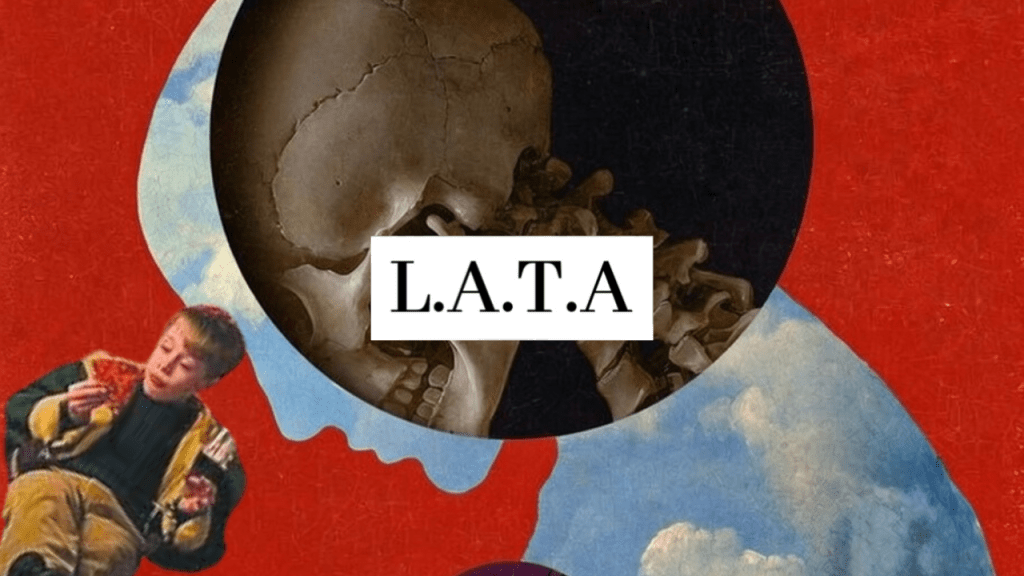
I was bored one day and i was amazed by @jid feature on a track called fried rice by @bas and I thought let me write something over @jid flow just for fun. #LATA
Description This poem explores the metaphor of life as a simulation, specifically comparing it to the classic video game Pac-Man. The poem suggests a journey of empowerment and growth, where the speaker navigates through challenges and adversities, symbolized by ghosts in the game. Here’s a breakdown of the poem’s themes and imagery: Analysis Themes Conclusion
Description The poem “Arrogance” explores the destructive nature of excessive pride and the inevitable downfall it brings. Through vivid imagery and powerful metaphors, the poem personifies arrogance as a tyrant whose toxic rule poisons everything around him. Detailed Analysis: Themes and Messages: Conclusion: The poem “Arrogance” serves as a powerful warning against the perils of
The rap industry thrives on competition, with diss tracks being one of its cornerstones. Recently, Kendrick Lamar released a track titled “6:16 IN LA,” which generated significant buzz due to the multiple layers of meaning embedded within it. Here’s an in-depth breakdown of this intricate track. ## The Significance of the Title The title “6:16
Description This poem conveys the inner reflections and ambitions of a young football prodigy. Despite their youthful appearance, the speaker identifies as an old soul, possessing wisdom and depth beyond their years. The juxtaposition of their adolescent looks with their mature spirit sets the tone for the rest of the poem. The speaker’s football skills,
Description This poem contrasts two archetypal figures in the music industry, using Drake and Kendrick Lamar as symbols for different artistic approaches and values. It portrays Drake as representing a more commercial, perhaps superficial aspect of artistry, while Kendrick Lamar embodies a deeper, more truthful form of expression. The poem suggests that those who bear
Description This poem explores the theme of persecution and envy, drawing on biblical imagery to illustrate the speaker’s plight and resilience. The poet uses the metaphor of King Saul and King David to convey a sense of being targeted due to their virtues and divine favor. Lines 1-2: “I am surrounded by the king Saul’s
Description This poem delves into the theme of personal evolution and the struggle between one’s environment and inner potential. It is an introspective reflection on the poet’s journey from a troubled past to a place of enlightenment and self-awareness. Stanza 1: The opening lines highlight the poet’s origins in a “chaotic environment” and “underground,” signifying
Description This poem explores themes of inspiration, creativity, and the complex relationship between the artist and their muse. It delves into the feelings of jealousy and longing that arise when the muse feels neglected in favor of another source of inspiration. Breakdown of the Poem Themes and Interpretation Imagery and Metaphors Conclusion The poem captures
Description The poem celebrates the profound beauty, wisdom, and captivating presence of a beloved person. Here’s a detailed breakdown of its themes and imagery: Stanza 1 “Your beauty is to be admired with reverence” “captivated by your passion and essence.” Stanza 2 “I love the way you illuminate gorgeously.” “Each time your philosophies roll off
Description This passage contemplates the inevitability of death and contrasts it with the concept of an eternal, blissful existence. Here’s a detailed breakdown of the themes and imagery: Overall, the passage reflects themes of mortality, spiritual reward, transformation, and liberation from the cycle of life and death. It evokes a sense of hope and transcendence,
Description This poem explores the metaphor of life as a simulation, specifically comparing it to the classic video game Pac-Man. The poem suggests a journey of empowerment and growth, where the speaker navigates through challenges and adversities, symbolized by ghosts in the game. Here’s a breakdown of the poem’s themes and imagery: Analysis Themes Conclusion
Description The poem “Arrogance” explores the destructive nature of excessive pride and the inevitable downfall it brings. Through vivid imagery and powerful metaphors, the poem personifies arrogance as a tyrant whose toxic rule poisons everything around him. Detailed Analysis: Themes and Messages: Conclusion: The poem “Arrogance” serves as a powerful warning against the perils of
The rap industry thrives on competition, with diss tracks being one of its cornerstones. Recently, Kendrick Lamar released a track titled “6:16 IN LA,” which generated significant buzz due to the multiple layers of meaning embedded within it. Here’s an in-depth breakdown of this intricate track. ## The Significance of the Title The title “6:16
Description This poem conveys the inner reflections and ambitions of a young football prodigy. Despite their youthful appearance, the speaker identifies as an old soul, possessing wisdom and depth beyond their years. The juxtaposition of their adolescent looks with their mature spirit sets the tone for the rest of the poem. The speaker’s football skills,
Description This poem contrasts two archetypal figures in the music industry, using Drake and Kendrick Lamar as symbols for different artistic approaches and values. It portrays Drake as representing a more commercial, perhaps superficial aspect of artistry, while Kendrick Lamar embodies a deeper, more truthful form of expression. The poem suggests that those who bear
Description This poem explores the theme of persecution and envy, drawing on biblical imagery to illustrate the speaker’s plight and resilience. The poet uses the metaphor of King Saul and King David to convey a sense of being targeted due to their virtues and divine favor. Lines 1-2: “I am surrounded by the king Saul’s
Description This poem delves into the theme of personal evolution and the struggle between one’s environment and inner potential. It is an introspective reflection on the poet’s journey from a troubled past to a place of enlightenment and self-awareness. Stanza 1: The opening lines highlight the poet’s origins in a “chaotic environment” and “underground,” signifying
Description This poem explores themes of inspiration, creativity, and the complex relationship between the artist and their muse. It delves into the feelings of jealousy and longing that arise when the muse feels neglected in favor of another source of inspiration. Breakdown of the Poem Themes and Interpretation Imagery and Metaphors Conclusion The poem captures
Description The poem celebrates the profound beauty, wisdom, and captivating presence of a beloved person. Here’s a detailed breakdown of its themes and imagery: Stanza 1 “Your beauty is to be admired with reverence” “captivated by your passion and essence.” Stanza 2 “I love the way you illuminate gorgeously.” “Each time your philosophies roll off
Description This passage contemplates the inevitability of death and contrasts it with the concept of an eternal, blissful existence. Here’s a detailed breakdown of the themes and imagery: Overall, the passage reflects themes of mortality, spiritual reward, transformation, and liberation from the cycle of life and death. It evokes a sense of hope and transcendence,
I blaze through the streets, my heart pounding, seeking those I once called my best friends—friends who betrayed me, their masks peeling away to reveal fragments of lust, loafing, guilt, and shame. Their deception trapped me in a “happy illusion,” but now, with wrath born from the abyss of my heart, I confront the wreckage of trust and the question of redemption. This raw, visceral poem is my story, urging me to explore philosophically what betrayal has done to my sense of self, how wrath has shaped my response, and whether I can find redemption without losing my soul. Drawing from existentialism, Stoicism, and ethical thought, I reflect on my journey through betrayal and rage, seeking answers within the ashes.
Betrayal and the Unmasking of My Illusions
When I saw their masks peel away, exposing their lustful ease, the sting of betrayal cut deep. These weren’t just friends—they were vices I embraced, parts of myself I refused to see. In Sartre’s terms, I was living in mauvaise foi (bad faith), hiding from the truth to cling to a comforting lie. Their betrayal forced me to confront this illusion, shattering the cage I built around myself. Now, I stand in the glare of existential angst, free yet burdened to redefine who I am without those false friends.
This unmasking wounds me but also offers a gift. As Nietzsche might urge, I’m peeling away false identities to approach my authentic self, untainted by deception. But the cost is heavy: years wasted, blinded by their intentions. I face a choice—cling to the ruins of my old self or forge a new path, knowing betrayal has revealed not just their falsehoods but my own complicity in them.
Wrath as My Response
From the “wrathful abyss” of my heart, rage erupts. I don’t just feel anger—I act on it, methodically taking out Steel (Loafing), Raheem (Guilt), and Q (Shame) with bullets to the heart, head, and chest. This isn’t blind fury but a deliberate purge, a claim to agency. Existentially, I’m asserting my freedom, refusing to remain a victim. Yet, Seneca’s Stoic warning echoes: wrath is a “temporary madness” that clouds reason. By “disconnecting my morals from my heart,” I risk becoming Nietzsche’s “pale criminal,” powerful in action but hollowed out by moral loss.
My wrath is a double-edged sword. It liberates me from the grip of vice, but it leaves me “lost in [a] charred room.” I’ve destroyed the external symbols of my flaws, but have I freed myself, or have I traded one cage for another? The bravery I feel is real, but it teeters on the edge of self-destruction, forcing me to question whether this path leads to empowerment or ruin.
Redemption or Self-Destruction?
Alone in my charred room, I contemplate purging wrath itself by “separating my body from my soul,” baptizing myself with “a bullet to the head, without holding back.” This chilling thought feels like both despair and a twisted hope for redemption. In Camus’ absurd, I’m caught between seeking meaning and facing its absence. My desire to purge wrath suggests a longing to transcend my corrupted state, but the method—self-annihilation—makes me pause. Stoicism, through Marcus Aurelius, urges me to master my passions, not destroy myself: “You have power over your mind—not outside events.” Yet, the idea of “baptizing my soul” hints at Kierkegaard’s leap of faith, a surrender to something beyond reason.
The ambiguity—whether I follow through or merely contemplate this act—leaves me wondering if redemption lies in self-awareness rather than a final bullet. Have I the courage to reintegrate my fragmented soul, or will I remain lost in this charred aftermath?
Ethical Reflections on My Fragmented Soul
Killing my personified vices—loafing, guilt, shame—feels like purging my flaws, but it’s also a form of scapegoating, projecting my struggles onto others. Ethically, I wrestle with a utilitarian question: does my liberation justify the violence, the disconnection of my morals? Plato’s tripartite soul comes to mind—reason, spirit, and appetite must harmonize for virtue. My wrathful actions let spirit rule, sidelining reason and balance. Redemption, then, might mean reintegrating these parts through introspection, not more destruction. But can I rebuild what I’ve burned?
Conclusion
This poem—“Unveiled Betrayal: My Wrathful Redemption”—is my confrontation with the human condition: the pain of betrayal, the fire of wrath, and the faint hope of redemption. Philosophically, it challenges me to consider how I respond to deception, both from others and within myself. Existentialism offers me freedom to redefine myself, but at the risk of moral erosion. Stoicism warns against wrath’s tyranny, urging inner mastery. The question lingers: can I escape the abyss of betrayal without losing myself, or is redemption always a baptism by fire? As I stand in my charred room, I’m left to decide whether to rebuild or let the ashes define me.