

The poet’s words—“The weight of God’s glory / leaves me hunchbacked, like Notre-Dame. / Still, I am capable of withstanding / and bearing the glorious pain / from the colossal weight in my mind”—strike at the heart of a profound philosophical tension: the encounter between the finite human self and the infinite divine. This brief
The poem “Flannel and Cherubim Fabrics” resonates deeply with me, weaving a philosophical reflection on my struggle to define my authentic self against the soft, suffocating threads of cultural expectation. I feel culture stitching my soul with “soft and fuzzy fabrics” of flannel—warm, feminine, cozy—yet these threads leave my heart anxious, my true essence buried
The poem Scorched …(Poem) is a visceral exploration of sin, redemption, and the transformative power of self-awareness and creative expression. Through its fiery imagery and intense emotional cadence, it grapples with the human condition—our propensity for error, the weight of guilt, and the hope for transcendence. Philosophically, it engages with existential questions of agency, suffering,
Dissected Threads Tread One : Scorched Poem: Exploring Sin and Redemption Through Bible Themes and Passion…(Blog) Thread Two : Scorched by The Penmanship And Sins (Dissect video) – LifeandTimelessart
The human heart is a paradox—a fragile yet resilient tapestry woven with threads of light and shadow. In a poignant poem that confesses, “I love breaking hearts,” we encounter a voice grappling with pride, darkness, and the transformative power of divine grace. Central to this narrative is the imagery of “threads of velour,” a soft,
The poet’s words—“The weight of God’s glory / leaves me hunchbacked, like Notre-Dame. / Still, I am capable of withstanding / and bearing the glorious pain / from the colossal weight in my mind”—strike at the heart of a profound philosophical tension: the encounter between the finite human self and the infinite divine. This brief
The poem “Flannel and Cherubim Fabrics” resonates deeply with me, weaving a philosophical reflection on my struggle to define my authentic self against the soft, suffocating threads of cultural expectation. I feel culture stitching my soul with “soft and fuzzy fabrics” of flannel—warm, feminine, cozy—yet these threads leave my heart anxious, my true essence buried
The poem Scorched …(Poem) is a visceral exploration of sin, redemption, and the transformative power of self-awareness and creative expression. Through its fiery imagery and intense emotional cadence, it grapples with the human condition—our propensity for error, the weight of guilt, and the hope for transcendence. Philosophically, it engages with existential questions of agency, suffering,
Dissected Threads Tread One : Scorched Poem: Exploring Sin and Redemption Through Bible Themes and Passion…(Blog) Thread Two : Scorched by The Penmanship And Sins (Dissect video) – LifeandTimelessart
The human heart is a paradox—a fragile yet resilient tapestry woven with threads of light and shadow. In a poignant poem that confesses, “I love breaking hearts,” we encounter a voice grappling with pride, darkness, and the transformative power of divine grace. Central to this narrative is the imagery of “threads of velour,” a soft,
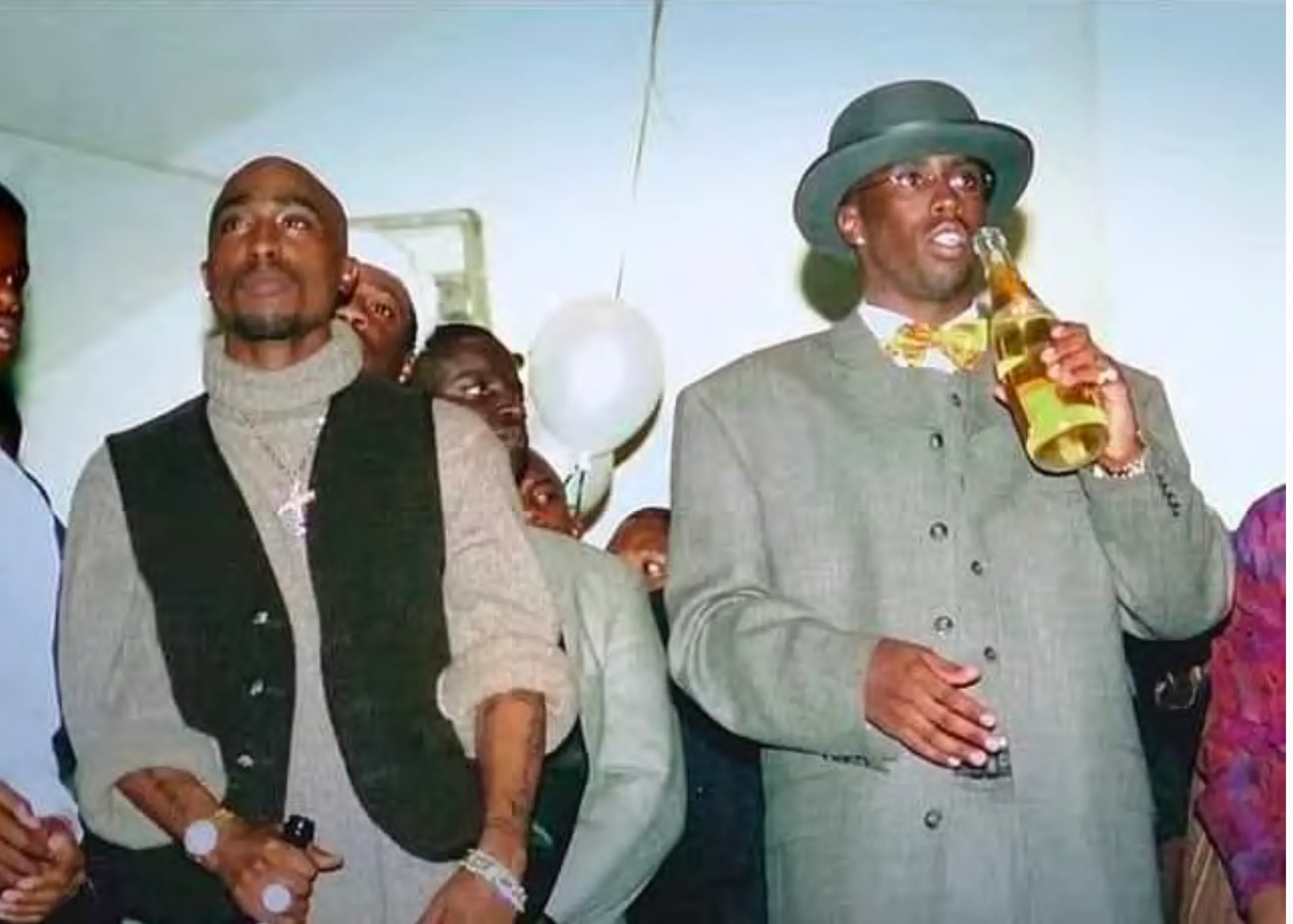
Kendrick Lamar’s “Reincarnated” serves as a chilling continuation of the “For Sale?” interlude from To Pimp a Butterfly, where Lucy (short for Lucifer) tempts Kendrick with the promise of wealth, fame, and power in exchange for his soul. In To Pimp a Butterfly, Kendrick wrestles with this proposition, but by the time we arrive at “Reincarnated,” the deal has already been sealed. Now fully under Lucy’s control, Kendrick embodies the consequences of his choice, and Lucy, as the narrator, reflects on his role in influencing musicians throughout history—including the two legendary artists referenced in the song.
What makes “Reincarnated” so sinister is how Lucy describes his manipulation of artists as a means to control the masses. He seduces musicians with promises of success, embedding himself in their art, lyrics, and influence. Through them, he shapes culture, shifts perspectives, and subtly distorts the truth for his own gain. Yet, Lucy’s loyalty is non-existent—once an artist has served their purpose, he discards them, leading to their downfall, whether through personal destruction, loss of authenticity, or even death. This tragic fate is framed as an inevitable part of the process, reinforcing the idea that many of music’s greatest figures have, in some way, fallen victim to Lucy’s grip.
This cycle of exploitation and destruction is where the song’s title, “Reincarnated,” takes on a deeper meaning. It suggests that Lucy never stops; his influence simply moves from one artist to the next, recycling souls and continuing the process indefinitely. In this sense, reincarnation isn’t about spiritual renewal—it’s about a parasitic force using artists as vessels, draining them, and then moving on to the next willing or unsuspecting host. The tragic pattern repeats, generation after generation, with Lucy always in control.
Kendrick’s storytelling in “Reincarnated” exposes a darker truth about the music industry and the price of fame. It questions whether success in the mainstream is truly self-made or if there’s always a hidden cost—one that has claimed many artists before and will continue to do so. By framing Lucy as a recurring force, Kendrick suggests that the music industry’s greatest tragedies aren’t isolated incidents, but rather, symptoms of a larger, ongoing cycle.
Ultimately, “Reincarnated” serves as both a cautionary tale and an exploration of power, control, and artistic integrity. It forces listeners to reconsider the true nature of fame and whether those at the top ever truly own their success—or if they, too, are just another soul in Lucy’s endless cycle of reincarnation.
The poet’s words—“The weight of God’s glory / leaves me hunchbacked, like Notre-Dame. / Still, I am capable of withstanding / and bearing the glorious pain / from the colossal weight in my mind”—strike at the heart of a profound philosophical tension: the encounter between the finite human self and the infinite divine. This brief
The poem “Flannel and Cherubim Fabrics” resonates deeply with me, weaving a philosophical reflection on my struggle to define my authentic self against the soft, suffocating threads of cultural expectation. I feel culture stitching my soul with “soft and fuzzy fabrics” of flannel—warm, feminine, cozy—yet these threads leave my heart anxious, my true essence buried
The poem Scorched …(Poem) is a visceral exploration of sin, redemption, and the transformative power of self-awareness and creative expression. Through its fiery imagery and intense emotional cadence, it grapples with the human condition—our propensity for error, the weight of guilt, and the hope for transcendence. Philosophically, it engages with existential questions of agency, suffering,
Dissected Threads Tread One : Scorched Poem: Exploring Sin and Redemption Through Bible Themes and Passion…(Blog) Thread Two : Scorched by The Penmanship And Sins (Dissect video) – LifeandTimelessart
The human heart is a paradox—a fragile yet resilient tapestry woven with threads of light and shadow. In a poignant poem that confesses, “I love breaking hearts,” we encounter a voice grappling with pride, darkness, and the transformative power of divine grace. Central to this narrative is the imagery of “threads of velour,” a soft,
This piece is a deep, introspective exploration of survival, street life, and self-awareness, delivered through poetic lyricism. It intertwines personal reflection with a raw depiction of the environment the speaker has navigated. The conversational opening sets a laid-back but reflective tone, as if the speaker is both recounting and analyzing past experiences in real time. The narrative weaves through themes of crime, struggle, and the psychology of individuals caught in the cycle of the streets, blending vivid imagery with philosophical musings.
The speaker highlights the harsh realities of life, referencing addiction, crime, and societal constraints while maintaining a sense of wisdom and detachment. Metaphors like “ducking from Bruce Wayne” and “declaring war on the deck like they The Joker” portray the chaos and unpredictability of survival, while allusions to figures like Donatello and religious references add layers of intelligence and cultural depth. There’s a contrast between material ambition, spiritual awakening, and the knowledge gained through hardship. The message becomes one of understanding the game while learning to navigate it wisely—staying in one’s lane, recognizing deception, and using wisdom as armour. The piece ultimately reflects on the power of words, both as a weapon and a tool for survival, reinforcing the idea that knowledge, faith, and self-awareness are what separate the wise from the lost.
The poet’s words—“The weight of God’s glory / leaves me hunchbacked, like Notre-Dame. / Still, I am capable of withstanding / and bearing the glorious pain / from the colossal weight in my mind”—strike at the heart of a profound philosophical tension: the encounter between the finite human self and the infinite divine. This brief
The poem “Flannel and Cherubim Fabrics” resonates deeply with me, weaving a philosophical reflection on my struggle to define my authentic self against the soft, suffocating threads of cultural expectation. I feel culture stitching my soul with “soft and fuzzy fabrics” of flannel—warm, feminine, cozy—yet these threads leave my heart anxious, my true essence buried
The poem Scorched …(Poem) is a visceral exploration of sin, redemption, and the transformative power of self-awareness and creative expression. Through its fiery imagery and intense emotional cadence, it grapples with the human condition—our propensity for error, the weight of guilt, and the hope for transcendence. Philosophically, it engages with existential questions of agency, suffering,
Dissected Threads Tread One : Scorched Poem: Exploring Sin and Redemption Through Bible Themes and Passion…(Blog) Thread Two : Scorched by The Penmanship And Sins (Dissect video) – LifeandTimelessart
The human heart is a paradox—a fragile yet resilient tapestry woven with threads of light and shadow. In a poignant poem that confesses, “I love breaking hearts,” we encounter a voice grappling with pride, darkness, and the transformative power of divine grace. Central to this narrative is the imagery of “threads of velour,” a soft,
Your piece presents a deeply philosophical and almost mythological perspective on love, shifting it from a romantic ideal to a battlefield of power, control, and desire. At its core, this narrative challenges the traditional notion of love as a force of unity and mutual fulfilment, instead framing it as an illusion—one designed to deceive, weaken, and ultimately enslave those who surrender to it. The rejection of Valentine’s Day is not just a rejection of romance, but of the entire societal construct that glorifies love as something pure and unconditional. Instead, the speaker sees love as a force that entraps, wounds, and demands submission, and they choose to resist it by redefining their relationship with passion and connection.
The use of mythological and cinematic imagery enhances the depth of this philosophy. The army of cupids, traditionally symbols of love, are reimagined as agents of control, serving not to unite but to awaken desire in others while shielding the speaker from its consuming fire. The Medusa reference speaks to betrayal, to past experiences that have hardened the speaker’s heart, turning them into someone who no longer seeks love but instead wields it as a tool. Yet, despite this transformation, there is no sense of victimhood—only power. The comparison to Sylvester Stallone, a figure synonymous with resilience and battle, reinforces the idea that the speaker refuses to be broken. Instead of being a passive participant in the game of love, they become the hunter, the lion prowling in the jungle of desire, understanding that love is not about surrender but about control. This philosophy is both dark and empowering, offering a perspective where love is not a sanctuary but a battlefield where only the strongest endure.
The poet’s words—“The weight of God’s glory / leaves me hunchbacked, like Notre-Dame. / Still, I am capable of withstanding / and bearing the glorious pain / from the colossal weight in my mind”—strike at the heart of a profound philosophical tension: the encounter between the finite human self and the infinite divine. This brief
The poem “Flannel and Cherubim Fabrics” resonates deeply with me, weaving a philosophical reflection on my struggle to define my authentic self against the soft, suffocating threads of cultural expectation. I feel culture stitching my soul with “soft and fuzzy fabrics” of flannel—warm, feminine, cozy—yet these threads leave my heart anxious, my true essence buried
The poem Scorched …(Poem) is a visceral exploration of sin, redemption, and the transformative power of self-awareness and creative expression. Through its fiery imagery and intense emotional cadence, it grapples with the human condition—our propensity for error, the weight of guilt, and the hope for transcendence. Philosophically, it engages with existential questions of agency, suffering,
Dissected Threads Tread One : Scorched Poem: Exploring Sin and Redemption Through Bible Themes and Passion…(Blog) Thread Two : Scorched by The Penmanship And Sins (Dissect video) – LifeandTimelessart
The human heart is a paradox—a fragile yet resilient tapestry woven with threads of light and shadow. In a poignant poem that confesses, “I love breaking hearts,” we encounter a voice grappling with pride, darkness, and the transformative power of divine grace. Central to this narrative is the imagery of “threads of velour,” a soft,
This poem reflects a powerful metaphor for life, where the speaker’s journey mirrors Bruce Lee’s Game of Death—a symbolic ascent to power and control, only to face a sudden, devastating fall. The “forbidden mansion” and the throne symbolize the speaker’s elevated status or achievements, acquired through perseverance, but also under constant threat from those seeking to take it away. The mansion’s levels represent challenges or stages of personal or external struggles.
The “yellow medallion” is a striking image, symbolizing both power and vulnerability, with its brightness likened to the sun. This may represent the speaker’s identity or achievements that are visible and radiant but also open to attack. The throne signifies the speaker’s position of power, which must be guarded from those who ascend through the mansion, symbolizing rivals or life’s challenges.
The poem takes a dramatic turn when a mysterious figure appears and, with a snap of fingers, overturns the speaker’s reality, flipping the mansion upside down and destroying what had been built. The fall from grace is inevitable, with everything the speaker has worked for “shattering to the ground.” The mysterious figure embodies fate, unforeseen events, or internal conflict—forces that easily dismantle what once seemed invincible.
The whispered line at the end, “I am satisfied watching your games and party die,” evokes a sense of bitter defeat, as if the speaker’s struggles and achievements were part of a larger, uncontrollable game. This final line hints at the futility of clinging to power and control, reminding the reader that even the most glorious positions can crumble at the hands of fate or time.