

Dissected Threads
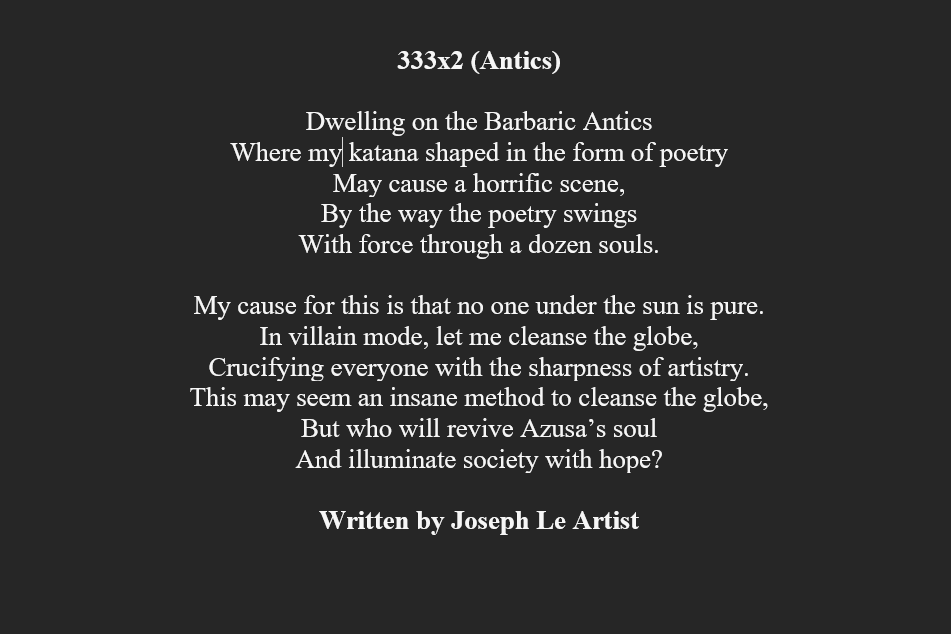
Tread One : Poetry as a Katana: The Philosophy Quest To Cleanse And Illuminate Society.


The cinematic portrayal of Malèna, in Giuseppe Tornatore’s 2000 film Malèna, serves as a profound allegory for the human condition, where beauty becomes both a divine gift and a crucible of existential isolation. Malèna, a woman of striking physical allure, navigates a Sicilian town steeped in patriarchal desire and judgment, her aura radiating a spiritual…
Dissected Threads Tread One :The Enigmatic Allure of Malèna: A Philosophical Reflection on Beauty, Isolation, and the Human Soul.

Dissected Threads Tread One : Philosophical And Biblical Meaning Of Black Diamond Slaughter .
The line—“My shine’s a guillotine, black diamonds gleam, / Time’s a corpse, no medics for the dream. / Custom death, I call the jeweller first, / Then the coroner—your fate’s been cursed. / My watch ticks doom, no mercy, no pause, / Your reflection kneels to my unholy laws”—is a haunting exploration of power, mortality,…
Dissected Threads Tread One : Philosophical And Biblical Meaning Of Black Diamond Slaughter .

The philosophical underpinning of this vivid, violent poetic imagery lies in the tension between purity and corruption, a recurring theme in existential and moral philosophy. The speaker’s “barbaric antics” and katana-wielding poetry reflect a Nietzschean rejection of conventional morality, embracing a radical, destructive act to “cleanse” a world deemed inherently impure. This aligns with Nietzsche’s…
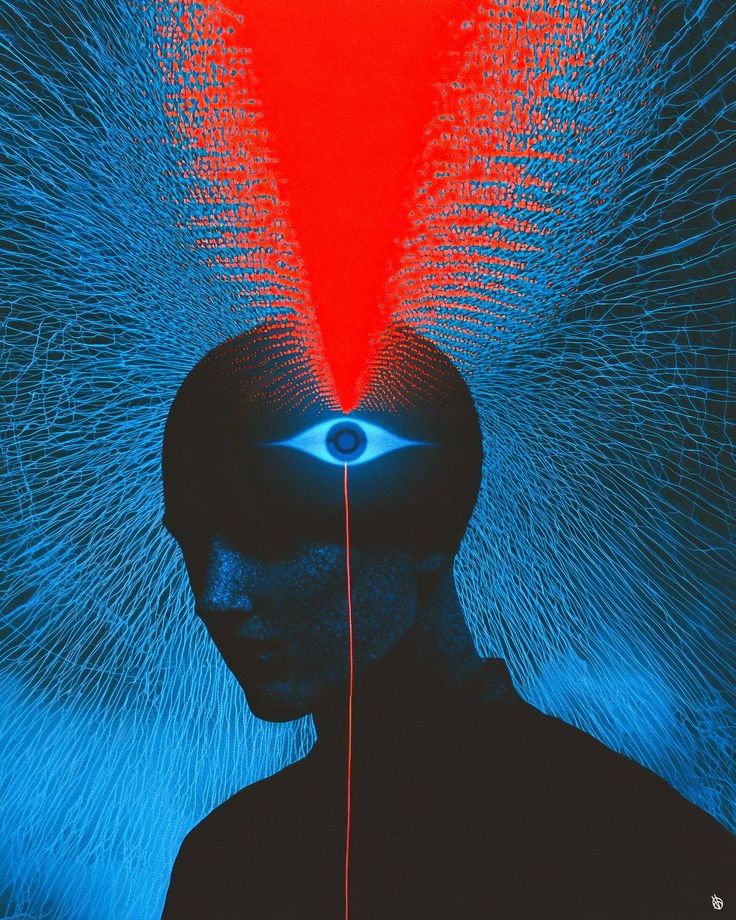
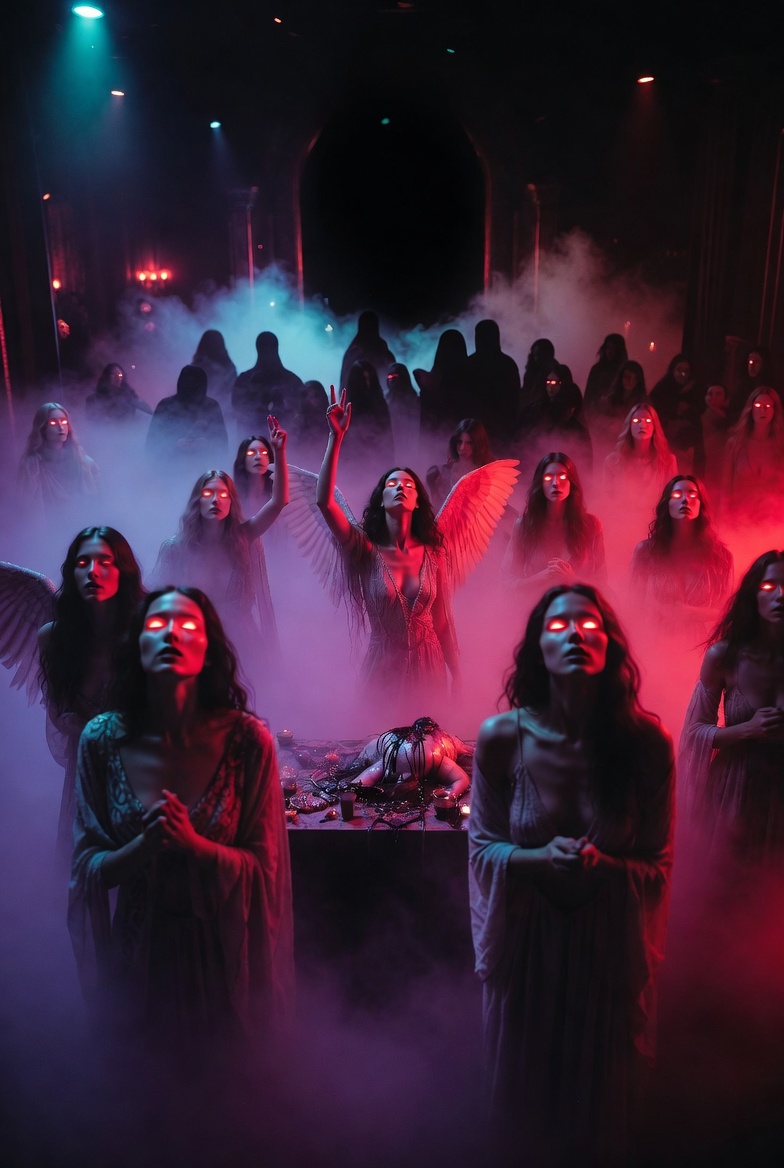
Hedonism, as articulated by thinkers like Epicurus or modern utilitarian’s, prioritizes pleasure as the ultimate good, often encouraging the pursuit of immediate sensory gratification. In the poem, hook-up and porn culture embody this philosophy, reducing sex to a “fleeting minute of plight” driven by “impulsive pleasures and desires.” This relentless chase for instant gratification is…
The poem Vultures depict the hook-up and porn culture as reducing sex to a “fleeting minute of plight” resonates deeply with both philosophical and biblical critiques of objectification and alienation. Philosophically, this aligns with existentialist perspectives, such as those of Jean-Paul Sartre and Martin Buber, who argue that objectification—treating others as mere objects for gratification—alienates…
Dissected Threads Tread One : How Hook up and Porn Culture Destroys Sacred IntimacyThread Two : Hedonism vs Virtue Ethics.
Dissected Threads
Tread One : Poetry as a Katana: The Philosophy Quest To Cleanse And Illuminate Society.
The cinematic portrayal of Malèna, in Giuseppe Tornatore’s 2000 film Malèna, serves as a profound allegory for the human condition, where beauty becomes both a divine gift and a crucible of existential isolation. Malèna, a woman of striking physical allure, navigates a Sicilian town steeped in patriarchal desire and judgment, her aura radiating a spiritual…
Dissected Threads Tread One :The Enigmatic Allure of Malèna: A Philosophical Reflection on Beauty, Isolation, and the Human Soul.
Dissected Threads Tread One : Philosophical And Biblical Meaning Of Black Diamond Slaughter .
The line—“My shine’s a guillotine, black diamonds gleam, / Time’s a corpse, no medics for the dream. / Custom death, I call the jeweller first, / Then the coroner—your fate’s been cursed. / My watch ticks doom, no mercy, no pause, / Your reflection kneels to my unholy laws”—is a haunting exploration of power, mortality,…
Dissected Threads Tread One : Philosophical And Biblical Meaning Of Black Diamond Slaughter .
The philosophical underpinning of this vivid, violent poetic imagery lies in the tension between purity and corruption, a recurring theme in existential and moral philosophy. The speaker’s “barbaric antics” and katana-wielding poetry reflect a Nietzschean rejection of conventional morality, embracing a radical, destructive act to “cleanse” a world deemed inherently impure. This aligns with Nietzsche’s…
Hedonism, as articulated by thinkers like Epicurus or modern utilitarian’s, prioritizes pleasure as the ultimate good, often encouraging the pursuit of immediate sensory gratification. In the poem, hook-up and porn culture embody this philosophy, reducing sex to a “fleeting minute of plight” driven by “impulsive pleasures and desires.” This relentless chase for instant gratification is…
The poem Vultures depict the hook-up and porn culture as reducing sex to a “fleeting minute of plight” resonates deeply with both philosophical and biblical critiques of objectification and alienation. Philosophically, this aligns with existentialist perspectives, such as those of Jean-Paul Sartre and Martin Buber, who argue that objectification—treating others as mere objects for gratification—alienates…
Dissected Threads Tread One : How Hook up and Porn Culture Destroys Sacred IntimacyThread Two : Hedonism vs Virtue Ethics.
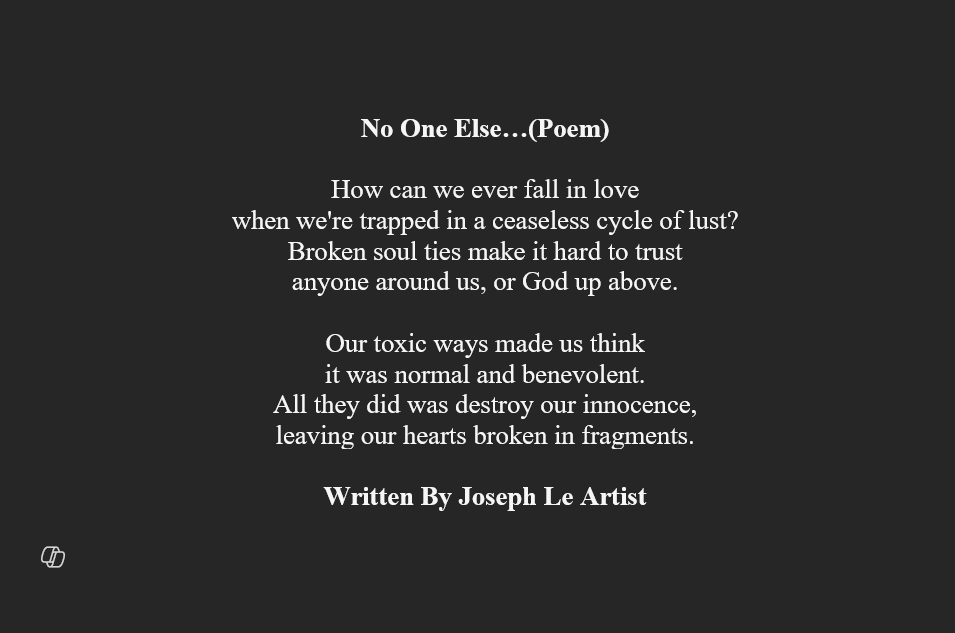
The concept of “broken soul ties” in the poem resonates with Martin Buber’s I-Thou philosophy, which champions authentic, mutual relationships where individuals encounter each other as sacred subjects. When soul ties break, it signals a collapse of this I-Thou dynamic, reducing others to mere objects (I-It), fostering isolation and distrust. This erosion of trust, as the poem suggests, extends beyond human connections to a profound alienation from “God up above,” reflecting an existential crisis where both human and divine relationships are fractured, leaving the self disconnected and wary.
Biblical Take: The poem’s portrayal of broken trust echoes Psalm 55:12-14, where David grieves the betrayal of a trusted companion, capturing the deep wound of severed soul ties—intimate emotional or spiritual bonds. Biblically, such ties can turn destructive when rooted in sin, as seen in 1 Corinthians 6:16, which warns against unholy unions. The poem’s distrust in God mirrors a spiritual rupture, yet scriptures like Proverbs 3:5-6 offer hope, urging reliance on the Lord to mend brokenness and restore trust in both divine and human relationships through faith and healing.
The Problem of Trust: Broken soul ties, whether philosophical or biblical, create a pervasive trust deficit that destabilizes relationships and spiritual grounding. Philosophically, the shift from I-Thou to I-It dehumanizes connections, breeding suspicion and disconnection. Biblically, betrayal and sinful bonds deepen this wound, challenging faith in God and others. The poem’s lament of distrust reflects this dual alienation, yet both perspectives suggest a path forward: Buber’s call to re-engage authentically and scripture’s promise of divine restoration point to rebuilding trust through intentional, faithful reconnection with the human and the divine.

The cinematic portrayal of Malèna, in Giuseppe Tornatore’s 2000 film Malèna, serves as a profound allegory for the human condition, where beauty becomes both a divine gift and a crucible of existential isolation. Malèna, a woman of striking physical allure, navigates a Sicilian town steeped in patriarchal desire and judgment, her aura radiating a spiritual…
Dissected Threads Tread One :The Enigmatic Allure of Malèna: A Philosophical Reflection on Beauty, Isolation, and the Human Soul.
Dissected Threads Tread One : Philosophical And Biblical Meaning Of Black Diamond Slaughter .
The line—“My shine’s a guillotine, black diamonds gleam, / Time’s a corpse, no medics for the dream. / Custom death, I call the jeweller first, / Then the coroner—your fate’s been cursed. / My watch ticks doom, no mercy, no pause, / Your reflection kneels to my unholy laws”—is a haunting exploration of power, mortality,…
Dissected Threads Tread One : Philosophical And Biblical Meaning Of Black Diamond Slaughter .
The philosophical underpinning of this vivid, violent poetic imagery lies in the tension between purity and corruption, a recurring theme in existential and moral philosophy. The speaker’s “barbaric antics” and katana-wielding poetry reflect a Nietzschean rejection of conventional morality, embracing a radical, destructive act to “cleanse” a world deemed inherently impure. This aligns with Nietzsche’s…
Hedonism, as articulated by thinkers like Epicurus or modern utilitarian’s, prioritizes pleasure as the ultimate good, often encouraging the pursuit of immediate sensory gratification. In the poem, hook-up and porn culture embody this philosophy, reducing sex to a “fleeting minute of plight” driven by “impulsive pleasures and desires.” This relentless chase for instant gratification is…
The poem Vultures depict the hook-up and porn culture as reducing sex to a “fleeting minute of plight” resonates deeply with both philosophical and biblical critiques of objectification and alienation. Philosophically, this aligns with existentialist perspectives, such as those of Jean-Paul Sartre and Martin Buber, who argue that objectification—treating others as mere objects for gratification—alienates…
Dissected Threads Tread One : How Hook up and Porn Culture Destroys Sacred IntimacyThread Two : Hedonism vs Virtue Ethics.
From an existentialist perspective, the “perfect cycle of lust” encapsulates humanity’s entanglement with inauthentic desires, a concept deeply explored by philosopher Jean-Paul Sartre. Lust, as depicted in the poem, emerges as a repetitive and ultimately hollow pursuit that diverts individuals from a meaningful existence. Rather than fostering genuine connection or love, it ensnares the speaker in a loop of fleeting gratification, devoid of deeper purpose. This cycle mirrors Sartre’s notion of “bad faith,” where individuals evade their inherent freedom and responsibility by surrendering to base impulses, thus forsaking authentic selfhood.
The poem’s speaker grapples with a profound sense of entrapment, caught in the relentless rhythm of desire that promises fulfillment but delivers only temporary satisfaction. This struggle reflects the existential tension between the pursuit of immediate pleasures and the search for enduring meaning. Sartre argues that humans are condemned to be free, yet the speaker’s immersion in lust represents a flight from this freedom, a refusal to confront the anxiety of crafting a purposeful life. The cycle of lust becomes a distraction, a way to avoid the daunting task of defining one’s essence in an indifferent universe.
This entrapment is further compounded by the speaker’s awareness of their predicament, yet their inability to break free. The “perfect cycle” suggests a self-perpetuating system, seductive in its predictability, that lulls the individual into complacency. Sartre’s concept of bad faith is evident here, as the speaker chooses the comfort of repetition over the uncertainty of authentic existence. The poem illustrates how lust, while momentarily exhilarating, becomes a form of existential stagnation, chaining the individual to a life of superficiality rather than one of self-determined purpose or genuine human connection.
Ultimately, the poem serves as a poignant critique of the human condition, highlighting the seductive yet destructive nature of inauthentic desires. The cycle of lust, as an existential trap, underscores the challenge of transcending base impulses to pursue a life of meaning and authenticity. Sartre’s philosophy reminds us that breaking free requires embracing freedom and responsibility, a daunting but necessary step toward true connection and purpose. The speaker’s plight resonates as a universal warning: to remain ensnared in lust is to risk a life unexamined, forever circling but never arriving at the core of what it means to be human.
The Second Tread From “No One Else“
is The Cycle of Lust As Existential Entrapment (Blog)…
The cinematic portrayal of Malèna, in Giuseppe Tornatore’s 2000 film Malèna, serves as a profound allegory for the human condition, where beauty becomes both a divine gift and a crucible of existential isolation. Malèna, a woman of striking physical allure, navigates a Sicilian town steeped in patriarchal desire and judgment, her aura radiating a spiritual…
Dissected Threads Tread One :The Enigmatic Allure of Malèna: A Philosophical Reflection on Beauty, Isolation, and the Human Soul.
Dissected Threads Tread One : Philosophical And Biblical Meaning Of Black Diamond Slaughter .
The line—“My shine’s a guillotine, black diamonds gleam, / Time’s a corpse, no medics for the dream. / Custom death, I call the jeweller first, / Then the coroner—your fate’s been cursed. / My watch ticks doom, no mercy, no pause, / Your reflection kneels to my unholy laws”—is a haunting exploration of power, mortality,…
Dissected Threads Tread One : Philosophical And Biblical Meaning Of Black Diamond Slaughter .
The philosophical underpinning of this vivid, violent poetic imagery lies in the tension between purity and corruption, a recurring theme in existential and moral philosophy. The speaker’s “barbaric antics” and katana-wielding poetry reflect a Nietzschean rejection of conventional morality, embracing a radical, destructive act to “cleanse” a world deemed inherently impure. This aligns with Nietzsche’s…
Hedonism, as articulated by thinkers like Epicurus or modern utilitarian’s, prioritizes pleasure as the ultimate good, often encouraging the pursuit of immediate sensory gratification. In the poem, hook-up and porn culture embody this philosophy, reducing sex to a “fleeting minute of plight” driven by “impulsive pleasures and desires.” This relentless chase for instant gratification is…
The poem Vultures depict the hook-up and porn culture as reducing sex to a “fleeting minute of plight” resonates deeply with both philosophical and biblical critiques of objectification and alienation. Philosophically, this aligns with existentialist perspectives, such as those of Jean-Paul Sartre and Martin Buber, who argue that objectification—treating others as mere objects for gratification—alienates…
Dissected Threads Tread One : How Hook up and Porn Culture Destroys Sacred IntimacyThread Two : Hedonism vs Virtue Ethics.
Dissected Threads
Tread One : The Cycle of Lust as Existential Entrapment
Tread Two : Broken Soul Ties And the Problem Of Trust
The cinematic portrayal of Malèna, in Giuseppe Tornatore’s 2000 film Malèna, serves as a profound allegory for the human condition, where beauty becomes both a divine gift and a crucible of existential isolation. Malèna, a woman of striking physical allure, navigates a Sicilian town steeped in patriarchal desire and judgment, her aura radiating a spiritual…
Dissected Threads Tread One :The Enigmatic Allure of Malèna: A Philosophical Reflection on Beauty, Isolation, and the Human Soul.
Dissected Threads Tread One : Philosophical And Biblical Meaning Of Black Diamond Slaughter .
The line—“My shine’s a guillotine, black diamonds gleam, / Time’s a corpse, no medics for the dream. / Custom death, I call the jeweller first, / Then the coroner—your fate’s been cursed. / My watch ticks doom, no mercy, no pause, / Your reflection kneels to my unholy laws”—is a haunting exploration of power, mortality,…
Dissected Threads Tread One : Philosophical And Biblical Meaning Of Black Diamond Slaughter .
The philosophical underpinning of this vivid, violent poetic imagery lies in the tension between purity and corruption, a recurring theme in existential and moral philosophy. The speaker’s “barbaric antics” and katana-wielding poetry reflect a Nietzschean rejection of conventional morality, embracing a radical, destructive act to “cleanse” a world deemed inherently impure. This aligns with Nietzsche’s…
Hedonism, as articulated by thinkers like Epicurus or modern utilitarian’s, prioritizes pleasure as the ultimate good, often encouraging the pursuit of immediate sensory gratification. In the poem, hook-up and porn culture embody this philosophy, reducing sex to a “fleeting minute of plight” driven by “impulsive pleasures and desires.” This relentless chase for instant gratification is…
The poem Vultures depict the hook-up and porn culture as reducing sex to a “fleeting minute of plight” resonates deeply with both philosophical and biblical critiques of objectification and alienation. Philosophically, this aligns with existentialist perspectives, such as those of Jean-Paul Sartre and Martin Buber, who argue that objectification—treating others as mere objects for gratification—alienates…
Dissected Threads Tread One : How Hook up and Porn Culture Destroys Sacred IntimacyThread Two : Hedonism vs Virtue Ethics.
I’m constantly inspired by Daniel 1:20, where one man’s wisdom shone ten times brighter than his peers, as I strive to grow 10x better every single day. This isn’t just about sharpening my skills or building mental resilience—it’s about carving my own path to personal growth and self-discovery. Is it wrong, as Sade might sing, to pursue individuality while others follow the Pied Piper’s tune, marching toward their downfall? I refuse to blend into that crowd. Instead, I embrace a daily journey of self-improvement, questioning norms, learning relentlessly, and crafting a life that’s authentically mine in a world that often demands conformity.
This commitment to becoming my best self draws people to me, especially women who see me as a unique catch, like a bouquet snatched from life’s fleeting moments. They say my presence is sharp, cutting like a blade through the chaos, offering clarity and charisma. When the world leaves them with emotional pain, they’re drawn to me, hoping to ease their soul’s ache through connection. It’s not just charm—it’s the magnetic allure of living with purpose and authenticity. By focusing on personal development, I become a beacon for others seeking meaning, inviting them to join me in a life of growth and genuine connection.



 LifeandTimelessart