Intro Creativity doesn’t arrive gently it surges, wild and uncontained, rising from somewhere deep within like a force that refuses silence. It begins as a quiet tension, a flicker beneath thought, then swells into something undeniable, pressing against the ribs, demanding release. It crackles through the mind, igniting ideas faster than they can be contained,…
This series of blogs explores how lust begins as a subtle pull but evolves into an inner war—one that can distort judgment, cloud reason, and awaken darker impulses. It delves into the uneasy battleground where desire and evil quietly intertwine, shaping a conflict within the self.
Intro I’ve been drifting through the chaos of life like a ship on a stormy sea, every wave testing the strength of my soul, every shadow reflecting a piece of me I’m still learning to understand. The world moves fast, indifferent to the storms inside a single heart, and I’ve learned that dreams are fragile…
Intro In the shadowed theatre of the human spirit, where ghosts of yesterday clash violently with the fragile promise of tomorrow, I catch fleeting glimpses of Triumph shimmering on the distant horizon like a defiant beacon. My troubled past charges at me with ferocious might, its claws sinking deep into my shoulders, weighing me down…
Intro In the shadowed theatre of the human spirit, where ghosts of yesterday clash violently with the fragile promise of tomorrow, I catch fleeting glimpses of Triumph shimmering on the distant horizon like a defiant beacon. My troubled past charges at me with ferocious might, its claws sinking deep into my shoulders, weighing me down…
Intro Faith feels like a sharp blade in my own hands, slicing clean through the fear that was slowly moulded into a wild, raging beast inside me throughout all those horrific years. I watched that fear grow teeth and claws, feeding on every nightmare, every betrayal, every moment I thought I wouldn’t survive. But Yeshua…
Intro And so, from the very ashes that once threatened to bury me, I emerge complete—no longer scorched by pretty magic or haunted by manic disappointment in sacred spaces. The static has dissolved, the tropical storm inside has calmed into steady flame, and the phoenix that was born in pain now spreads its wings with…
IntroAnd so, from the very ashes that once threatened to bury me, I emerge complete—no longer scorched by pretty magic or haunted by manic disappointment in sacred spaces. The static has dissolved, the tropical storm inside has calmed into steady flame, and the phoenix that was born in pain now spreads its wings with quiet…
IntroIn the fractured moral landscape of the modern West, where autonomy is preached yet exploitation thrives in shadow, a deceptive monstrous beauty from the Middle East seeps through the cracks with graceful ease. Hypnotizing and nodding in agreement with the very hypocrisies it encounters, this force—rooted in Islamic scripture that explicitly permits child marriage—exposes a…
IntroIn “Mutt…”, I confess my own foolish trust as a silly mutt who placed blind faith in beautiful celestial beings — deceptive mermaids overflowing with lust. They offered me everything I craved: overflowing money, fame, and worldly success, but their promise came with a deadly condition — they would drag my soul beneath the sea…
Intro Creativity doesn’t arrive gently it surges, wild and uncontained, rising from somewhere deep within like a force that refuses silence. It begins as a quiet tension, a flicker beneath thought, then swells into something undeniable, pressing against the ribs, demanding release. It crackles through the mind, igniting ideas faster than they can be contained,…
This series of blogs explores how lust begins as a subtle pull but evolves into an inner war—one that can distort judgment, cloud reason, and awaken darker impulses. It delves into the uneasy battleground where desire and evil quietly intertwine, shaping a conflict within the self.
Intro I’ve been drifting through the chaos of life like a ship on a stormy sea, every wave testing the strength of my soul, every shadow reflecting a piece of me I’m still learning to understand. The world moves fast, indifferent to the storms inside a single heart, and I’ve learned that dreams are fragile…
Intro In the shadowed theatre of the human spirit, where ghosts of yesterday clash violently with the fragile promise of tomorrow, I catch fleeting glimpses of Triumph shimmering on the distant horizon like a defiant beacon. My troubled past charges at me with ferocious might, its claws sinking deep into my shoulders, weighing me down…
Intro In the shadowed theatre of the human spirit, where ghosts of yesterday clash violently with the fragile promise of tomorrow, I catch fleeting glimpses of Triumph shimmering on the distant horizon like a defiant beacon. My troubled past charges at me with ferocious might, its claws sinking deep into my shoulders, weighing me down…
Intro Faith feels like a sharp blade in my own hands, slicing clean through the fear that was slowly moulded into a wild, raging beast inside me throughout all those horrific years. I watched that fear grow teeth and claws, feeding on every nightmare, every betrayal, every moment I thought I wouldn’t survive. But Yeshua…
Intro And so, from the very ashes that once threatened to bury me, I emerge complete—no longer scorched by pretty magic or haunted by manic disappointment in sacred spaces. The static has dissolved, the tropical storm inside has calmed into steady flame, and the phoenix that was born in pain now spreads its wings with…
IntroAnd so, from the very ashes that once threatened to bury me, I emerge complete—no longer scorched by pretty magic or haunted by manic disappointment in sacred spaces. The static has dissolved, the tropical storm inside has calmed into steady flame, and the phoenix that was born in pain now spreads its wings with quiet…
IntroIn the fractured moral landscape of the modern West, where autonomy is preached yet exploitation thrives in shadow, a deceptive monstrous beauty from the Middle East seeps through the cracks with graceful ease. Hypnotizing and nodding in agreement with the very hypocrisies it encounters, this force—rooted in Islamic scripture that explicitly permits child marriage—exposes a…
IntroIn “Mutt…”, I confess my own foolish trust as a silly mutt who placed blind faith in beautiful celestial beings — deceptive mermaids overflowing with lust. They offered me everything I craved: overflowing money, fame, and worldly success, but their promise came with a deadly condition — they would drag my soul beneath the sea…
Kendrick Lamar’s “Reincarnated” serves as a chilling continuation of the “For Sale?” interlude from To Pimp a Butterfly, where Lucy (short for Lucifer) tempts Kendrick with the promise of wealth, fame, and power in exchange for his soul. In To Pimp a Butterfly, Kendrick wrestles with this proposition, but by the time we arrive at “Reincarnated,” the deal has already been sealed. Now fully under Lucy’s control, Kendrick embodies the consequences of his choice, and Lucy, as the narrator, reflects on his role in influencing musicians throughout history—including the two legendary artists referenced in the song.
What makes “Reincarnated” so sinister is how Lucy describes his manipulation of artists as a means to control the masses. He seduces musicians with promises of success, embedding himself in their art, lyrics, and influence. Through them, he shapes culture, shifts perspectives, and subtly distorts the truth for his own gain. Yet, Lucy’s loyalty is non-existent—once an artist has served their purpose, he discards them, leading to their downfall, whether through personal destruction, loss of authenticity, or even death. This tragic fate is framed as an inevitable part of the process, reinforcing the idea that many of music’s greatest figures have, in some way, fallen victim to Lucy’s grip.
This cycle of exploitation and destruction is where the song’s title, “Reincarnated,” takes on a deeper meaning. It suggests that Lucy never stops; his influence simply moves from one artist to the next, recycling souls and continuing the process indefinitely. In this sense, reincarnation isn’t about spiritual renewal—it’s about a parasitic force using artists as vessels, draining them, and then moving on to the next willing or unsuspecting host. The tragic pattern repeats, generation after generation, with Lucy always in control.
Kendrick’s storytelling in “Reincarnated” exposes a darker truth about the music industry and the price of fame. It questions whether success in the mainstream is truly self-made or if there’s always a hidden cost—one that has claimed many artists before and will continue to do so. By framing Lucy as a recurring force, Kendrick suggests that the music industry’s greatest tragedies aren’t isolated incidents, but rather, symptoms of a larger, ongoing cycle.
Ultimately, “Reincarnated” serves as both a cautionary tale and an exploration of power, control, and artistic integrity. It forces listeners to reconsider the true nature of fame and whether those at the top ever truly own their success—or if they, too, are just another soul in Lucy’s endless cycle of reincarnation.
Intro Creativity doesn’t arrive gently it surges, wild and uncontained, rising from somewhere deep within like a force that refuses silence. It begins as a quiet tension, a flicker beneath thought, then swells into something undeniable, pressing against the ribs, demanding release. It crackles through the mind, igniting ideas faster than they can be contained,…
This series of blogs explores how lust begins as a subtle pull but evolves into an inner war—one that can distort judgment, cloud reason, and awaken darker impulses. It delves into the uneasy battleground where desire and evil quietly intertwine, shaping a conflict within the self.
Intro I’ve been drifting through the chaos of life like a ship on a stormy sea, every wave testing the strength of my soul, every shadow reflecting a piece of me I’m still learning to understand. The world moves fast, indifferent to the storms inside a single heart, and I’ve learned that dreams are fragile…
Intro In the shadowed theatre of the human spirit, where ghosts of yesterday clash violently with the fragile promise of tomorrow, I catch fleeting glimpses of Triumph shimmering on the distant horizon like a defiant beacon. My troubled past charges at me with ferocious might, its claws sinking deep into my shoulders, weighing me down…
Intro In the shadowed theatre of the human spirit, where ghosts of yesterday clash violently with the fragile promise of tomorrow, I catch fleeting glimpses of Triumph shimmering on the distant horizon like a defiant beacon. My troubled past charges at me with ferocious might, its claws sinking deep into my shoulders, weighing me down…
Intro Faith feels like a sharp blade in my own hands, slicing clean through the fear that was slowly moulded into a wild, raging beast inside me throughout all those horrific years. I watched that fear grow teeth and claws, feeding on every nightmare, every betrayal, every moment I thought I wouldn’t survive. But Yeshua…
Intro And so, from the very ashes that once threatened to bury me, I emerge complete—no longer scorched by pretty magic or haunted by manic disappointment in sacred spaces. The static has dissolved, the tropical storm inside has calmed into steady flame, and the phoenix that was born in pain now spreads its wings with…
IntroAnd so, from the very ashes that once threatened to bury me, I emerge complete—no longer scorched by pretty magic or haunted by manic disappointment in sacred spaces. The static has dissolved, the tropical storm inside has calmed into steady flame, and the phoenix that was born in pain now spreads its wings with quiet…
IntroIn the fractured moral landscape of the modern West, where autonomy is preached yet exploitation thrives in shadow, a deceptive monstrous beauty from the Middle East seeps through the cracks with graceful ease. Hypnotizing and nodding in agreement with the very hypocrisies it encounters, this force—rooted in Islamic scripture that explicitly permits child marriage—exposes a…
IntroIn “Mutt…”, I confess my own foolish trust as a silly mutt who placed blind faith in beautiful celestial beings — deceptive mermaids overflowing with lust. They offered me everything I craved: overflowing money, fame, and worldly success, but their promise came with a deadly condition — they would drag my soul beneath the sea…
This piece is a deep, introspective exploration of survival, street life, and self-awareness, delivered through poetic lyricism. It intertwines personal reflection with a raw depiction of the environment the speaker has navigated. The conversational opening sets a laid-back but reflective tone, as if the speaker is both recounting and analyzing past experiences in real time. The narrative weaves through themes of crime, struggle, and the psychology of individuals caught in the cycle of the streets, blending vivid imagery with philosophical musings.
The speaker highlights the harsh realities of life, referencing addiction, crime, and societal constraints while maintaining a sense of wisdom and detachment. Metaphors like “ducking from Bruce Wayne” and “declaring war on the deck like they The Joker” portray the chaos and unpredictability of survival, while allusions to figures like Donatello and religious references add layers of intelligence and cultural depth. There’s a contrast between material ambition, spiritual awakening, and the knowledge gained through hardship. The message becomes one of understanding the game while learning to navigate it wisely—staying in one’s lane, recognizing deception, and using wisdom as armour. The piece ultimately reflects on the power of words, both as a weapon and a tool for survival, reinforcing the idea that knowledge, faith, and self-awareness are what separate the wise from the lost.
Intro Creativity doesn’t arrive gently it surges, wild and uncontained, rising from somewhere deep within like a force that refuses silence. It begins as a quiet tension, a flicker beneath thought, then swells into something undeniable, pressing against the ribs, demanding release. It crackles through the mind, igniting ideas faster than they can be contained,…
This series of blogs explores how lust begins as a subtle pull but evolves into an inner war—one that can distort judgment, cloud reason, and awaken darker impulses. It delves into the uneasy battleground where desire and evil quietly intertwine, shaping a conflict within the self.
Intro I’ve been drifting through the chaos of life like a ship on a stormy sea, every wave testing the strength of my soul, every shadow reflecting a piece of me I’m still learning to understand. The world moves fast, indifferent to the storms inside a single heart, and I’ve learned that dreams are fragile…
Intro In the shadowed theatre of the human spirit, where ghosts of yesterday clash violently with the fragile promise of tomorrow, I catch fleeting glimpses of Triumph shimmering on the distant horizon like a defiant beacon. My troubled past charges at me with ferocious might, its claws sinking deep into my shoulders, weighing me down…
Intro In the shadowed theatre of the human spirit, where ghosts of yesterday clash violently with the fragile promise of tomorrow, I catch fleeting glimpses of Triumph shimmering on the distant horizon like a defiant beacon. My troubled past charges at me with ferocious might, its claws sinking deep into my shoulders, weighing me down…
Intro Faith feels like a sharp blade in my own hands, slicing clean through the fear that was slowly moulded into a wild, raging beast inside me throughout all those horrific years. I watched that fear grow teeth and claws, feeding on every nightmare, every betrayal, every moment I thought I wouldn’t survive. But Yeshua…
Intro And so, from the very ashes that once threatened to bury me, I emerge complete—no longer scorched by pretty magic or haunted by manic disappointment in sacred spaces. The static has dissolved, the tropical storm inside has calmed into steady flame, and the phoenix that was born in pain now spreads its wings with…
IntroAnd so, from the very ashes that once threatened to bury me, I emerge complete—no longer scorched by pretty magic or haunted by manic disappointment in sacred spaces. The static has dissolved, the tropical storm inside has calmed into steady flame, and the phoenix that was born in pain now spreads its wings with quiet…
IntroIn the fractured moral landscape of the modern West, where autonomy is preached yet exploitation thrives in shadow, a deceptive monstrous beauty from the Middle East seeps through the cracks with graceful ease. Hypnotizing and nodding in agreement with the very hypocrisies it encounters, this force—rooted in Islamic scripture that explicitly permits child marriage—exposes a…
IntroIn “Mutt…”, I confess my own foolish trust as a silly mutt who placed blind faith in beautiful celestial beings — deceptive mermaids overflowing with lust. They offered me everything I craved: overflowing money, fame, and worldly success, but their promise came with a deadly condition — they would drag my soul beneath the sea…
Your piece presents a deeply philosophical and almost mythological perspective on love, shifting it from a romantic ideal to a battlefield of power, control, and desire. At its core, this narrative challenges the traditional notion of love as a force of unity and mutual fulfilment, instead framing it as an illusion—one designed to deceive, weaken, and ultimately enslave those who surrender to it. The rejection of Valentine’s Day is not just a rejection of romance, but of the entire societal construct that glorifies love as something pure and unconditional. Instead, the speaker sees love as a force that entraps, wounds, and demands submission, and they choose to resist it by redefining their relationship with passion and connection.
The use of mythological and cinematic imagery enhances the depth of this philosophy. The army of cupids, traditionally symbols of love, are reimagined as agents of control, serving not to unite but to awaken desire in others while shielding the speaker from its consuming fire. The Medusa reference speaks to betrayal, to past experiences that have hardened the speaker’s heart, turning them into someone who no longer seeks love but instead wields it as a tool. Yet, despite this transformation, there is no sense of victimhood—only power. The comparison to Sylvester Stallone, a figure synonymous with resilience and battle, reinforces the idea that the speaker refuses to be broken. Instead of being a passive participant in the game of love, they become the hunter, the lion prowling in the jungle of desire, understanding that love is not about surrender but about control. This philosophy is both dark and empowering, offering a perspective where love is not a sanctuary but a battlefield where only the strongest endure.
Intro Creativity doesn’t arrive gently it surges, wild and uncontained, rising from somewhere deep within like a force that refuses silence. It begins as a quiet tension, a flicker beneath thought, then swells into something undeniable, pressing against the ribs, demanding release. It crackles through the mind, igniting ideas faster than they can be contained,…
This series of blogs explores how lust begins as a subtle pull but evolves into an inner war—one that can distort judgment, cloud reason, and awaken darker impulses. It delves into the uneasy battleground where desire and evil quietly intertwine, shaping a conflict within the self.
Intro I’ve been drifting through the chaos of life like a ship on a stormy sea, every wave testing the strength of my soul, every shadow reflecting a piece of me I’m still learning to understand. The world moves fast, indifferent to the storms inside a single heart, and I’ve learned that dreams are fragile…
Intro In the shadowed theatre of the human spirit, where ghosts of yesterday clash violently with the fragile promise of tomorrow, I catch fleeting glimpses of Triumph shimmering on the distant horizon like a defiant beacon. My troubled past charges at me with ferocious might, its claws sinking deep into my shoulders, weighing me down…
Intro In the shadowed theatre of the human spirit, where ghosts of yesterday clash violently with the fragile promise of tomorrow, I catch fleeting glimpses of Triumph shimmering on the distant horizon like a defiant beacon. My troubled past charges at me with ferocious might, its claws sinking deep into my shoulders, weighing me down…
Intro Faith feels like a sharp blade in my own hands, slicing clean through the fear that was slowly moulded into a wild, raging beast inside me throughout all those horrific years. I watched that fear grow teeth and claws, feeding on every nightmare, every betrayal, every moment I thought I wouldn’t survive. But Yeshua…
Intro And so, from the very ashes that once threatened to bury me, I emerge complete—no longer scorched by pretty magic or haunted by manic disappointment in sacred spaces. The static has dissolved, the tropical storm inside has calmed into steady flame, and the phoenix that was born in pain now spreads its wings with…
IntroAnd so, from the very ashes that once threatened to bury me, I emerge complete—no longer scorched by pretty magic or haunted by manic disappointment in sacred spaces. The static has dissolved, the tropical storm inside has calmed into steady flame, and the phoenix that was born in pain now spreads its wings with quiet…
IntroIn the fractured moral landscape of the modern West, where autonomy is preached yet exploitation thrives in shadow, a deceptive monstrous beauty from the Middle East seeps through the cracks with graceful ease. Hypnotizing and nodding in agreement with the very hypocrisies it encounters, this force—rooted in Islamic scripture that explicitly permits child marriage—exposes a…
IntroIn “Mutt…”, I confess my own foolish trust as a silly mutt who placed blind faith in beautiful celestial beings — deceptive mermaids overflowing with lust. They offered me everything I craved: overflowing money, fame, and worldly success, but their promise came with a deadly condition — they would drag my soul beneath the sea…
The passage you’ve shared explores a moment of intense inner conflict, framed through a personal decision that carries significant moral weight. The speaker is confronted with temptation, and in this moment, they’re tasked with choosing between two paths, represented by the biblical figures of Joseph and Amnon.
Joseph, known for his righteousness and self-control in the face of temptation (especially with Potiphar’s wife), represents the choice of restraint and staying true to one’s principles. Amnon, on the other hand, symbolizes giving in to desires without regard for consequences, and his story ultimately leads to ruin and death. The speaker seems to be at a crossroads, struggling with the tension between immediate gratification and the long-term consequences of their choices.
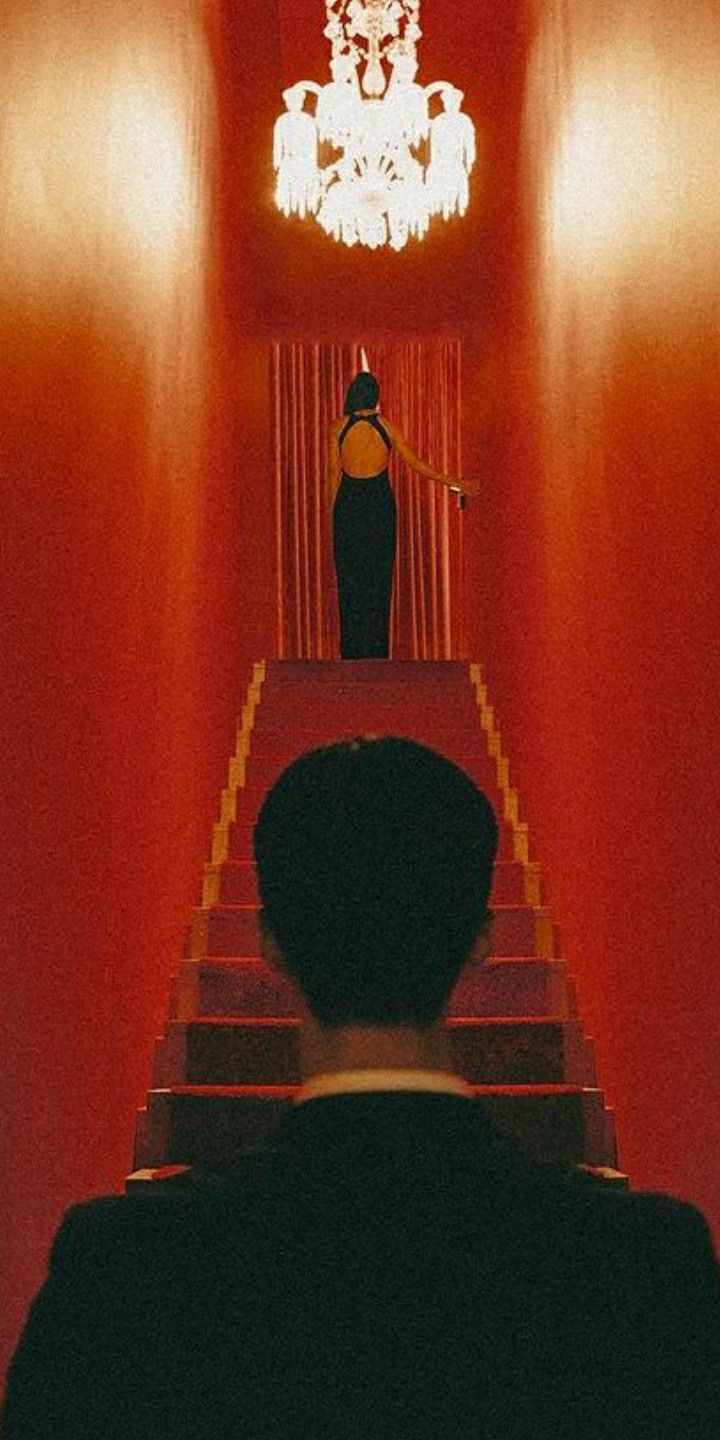
The imagery, especially of the woman in red lingerie, adds a sensual layer, highlighting the stakes of the decision. It’s more than just a simple moment; it’s a test of character. The metaphor of the woman offering herself as “a pot of gold” implies an allure of immense value, which makes the temptation all the more potent. The speaker’s reference to “touch my body” suggests not only physical desire but perhaps an emotional or spiritual vulnerability being offered, and it seems to push the speaker toward a choice that could alter the course of their life.
In this scenario, the notion of peace is juxtaposed with desire—he has vowed no woman will disturb the peace of his home, but here, the peace is threatened by both the external temptation and his internal struggle. The knock on the door is almost like fate itself calling to him, forcing him to confront the decision he has been avoiding.
It’s a rich, layered moment that blends themes of temptation, identity, morality, and consequence. Do you think