Poem Fragment
Advertisements

IntroThrough powerful biblical symbolism and vivid, confrontational imagery, the poem examines the complex tension between femininity, masculinity, and authority. By invoking Moses parting the Red Sea as a metaphor for spiritual revelation and division, the speaker establishes a dramatic tone that carries throughout the piece. The contrasting portrayals of “quiet and feminine grace” against loud,…
Intro“King Solomon Size” evokes the legendary magnitude of love and desire associated with Solomon, using his grand reputation as a metaphor for vast romantic ambition. The poem speaks in the voice of a man who longs to warm his “cold and dark” heart through touch, admiration, and conquest, revealing both vulnerability and hunger for devotion.…
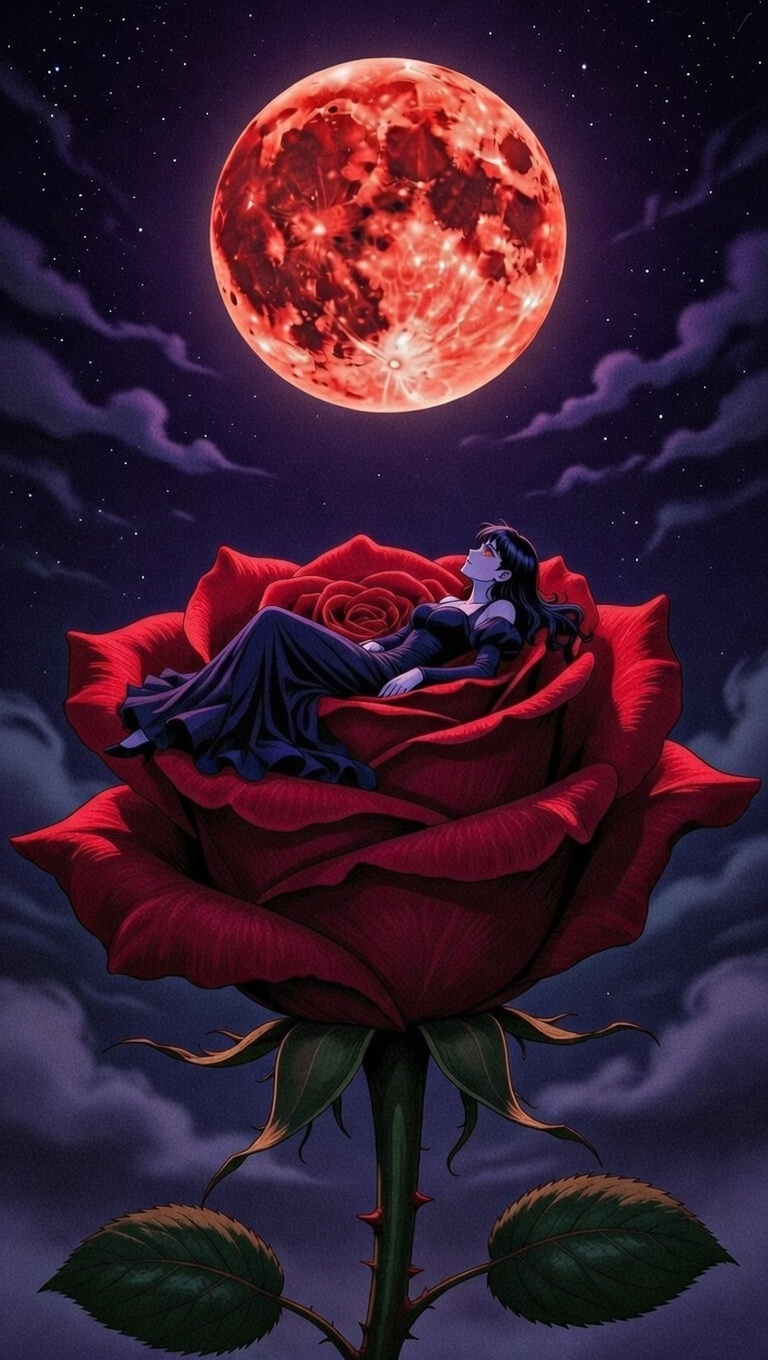
IntroHit The Gas… is a vivid meditation on impatience, desire, and the fragile illusion of escaping time. Through striking imagery of shattered hourglasses, blood-soaked moons, and frozen skies, the poem captures a desperate attempt to outrun mortality in pursuit of love. In that suspended moment, time bends and intimacy feels infinite—but reality inevitably restores its…

We live in a time where love is labelled toxic while lust is celebrated as liberation, and that contradiction should trouble us. Love asks for discipline, sacrifice, and commitment — qualities that build stability — yet it is side-lined and neglected, waiting on the bench of modern culture. Lust, on the other hand, is praised,…

Mechanical Love explores the haunting idea of love stripped of free will. The poem imagines a world where human agency is buried “six feet deep,” replaced by chemical impulses and mechanical repetition. Joseph Le Artist presents love not as a conscious choice, but as a programmed reaction—driven by dopamine rather than desire. The transformation into…
Power no longer hides in shadows it flickers on our screens, injected into daily life while we run the wheels built for someone else’s amusement. Eyes open, minds on cruise, we mistake repetition for truth and noise for freedom. Epstein becomes a symbol of the rot behind the curtain, where influence circulates quietly, systems feed…
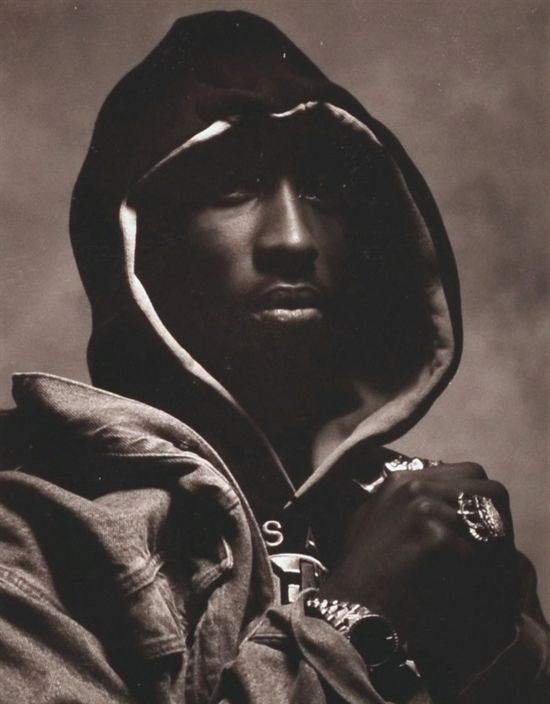
Intro:This poem descends into the moment betrayal is no longer hidden and rage learns to speak. What begins as loyalty rots into illusion, and from that fracture, wrath is born—not as chaos, but as intention. Read with caution: this is the anatomy of a soul pushed past forgiveness. Outro:And when the echoes fade, what remains…

In the relentless tick of the wristwatch, time reveals its cruel indifference—Father Time eroding youth, flesh, and fragile hopes into dust, while death lingers like an inevitable embrace. This piece confronts the quiet terror of running out of moments for authentic love, crushed instead by the heavy, hollow weight of lust and repeated defeats. What…
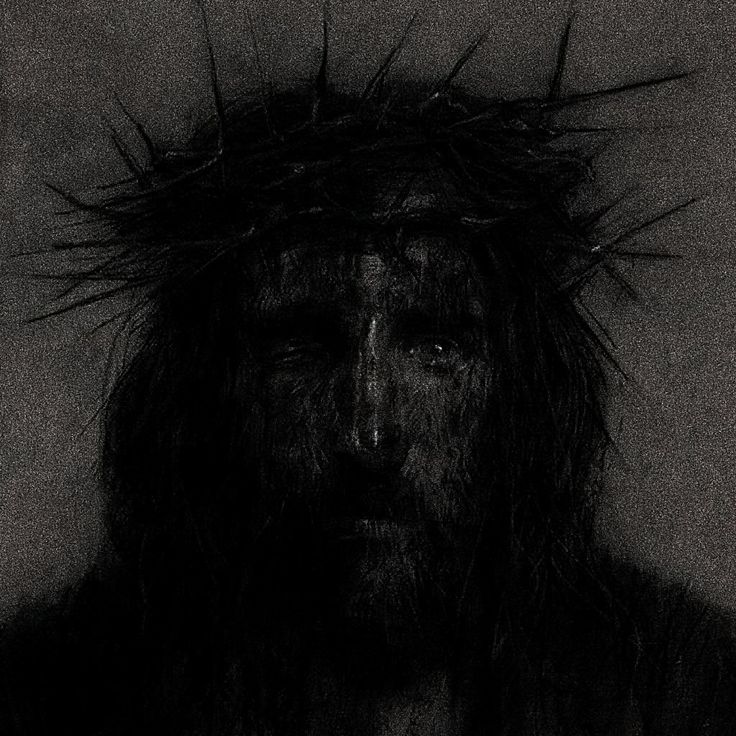
Even though the image of Jesus commonly portrayed in the Western world is historically inaccurate, mockery only carries power when it is directed at the true God—the One who holds authority over the world and the universe. Wearing that specific figure around the neck is not random; it targets the real authority behind the symbol,…
Poem Fragment
IntroThrough powerful biblical symbolism and vivid, confrontational imagery, the poem examines the complex tension between femininity, masculinity, and authority. By invoking Moses parting the Red Sea as a metaphor for spiritual revelation and division, the speaker establishes a dramatic tone that carries throughout the piece. The contrasting portrayals of “quiet and feminine grace” against loud,…
Intro“King Solomon Size” evokes the legendary magnitude of love and desire associated with Solomon, using his grand reputation as a metaphor for vast romantic ambition. The poem speaks in the voice of a man who longs to warm his “cold and dark” heart through touch, admiration, and conquest, revealing both vulnerability and hunger for devotion.…
IntroHit The Gas… is a vivid meditation on impatience, desire, and the fragile illusion of escaping time. Through striking imagery of shattered hourglasses, blood-soaked moons, and frozen skies, the poem captures a desperate attempt to outrun mortality in pursuit of love. In that suspended moment, time bends and intimacy feels infinite—but reality inevitably restores its…
We live in a time where love is labelled toxic while lust is celebrated as liberation, and that contradiction should trouble us. Love asks for discipline, sacrifice, and commitment — qualities that build stability — yet it is side-lined and neglected, waiting on the bench of modern culture. Lust, on the other hand, is praised,…
Mechanical Love explores the haunting idea of love stripped of free will. The poem imagines a world where human agency is buried “six feet deep,” replaced by chemical impulses and mechanical repetition. Joseph Le Artist presents love not as a conscious choice, but as a programmed reaction—driven by dopamine rather than desire. The transformation into…
Power no longer hides in shadows it flickers on our screens, injected into daily life while we run the wheels built for someone else’s amusement. Eyes open, minds on cruise, we mistake repetition for truth and noise for freedom. Epstein becomes a symbol of the rot behind the curtain, where influence circulates quietly, systems feed…
Intro:This poem descends into the moment betrayal is no longer hidden and rage learns to speak. What begins as loyalty rots into illusion, and from that fracture, wrath is born—not as chaos, but as intention. Read with caution: this is the anatomy of a soul pushed past forgiveness. Outro:And when the echoes fade, what remains…
In the relentless tick of the wristwatch, time reveals its cruel indifference—Father Time eroding youth, flesh, and fragile hopes into dust, while death lingers like an inevitable embrace. This piece confronts the quiet terror of running out of moments for authentic love, crushed instead by the heavy, hollow weight of lust and repeated defeats. What…
Even though the image of Jesus commonly portrayed in the Western world is historically inaccurate, mockery only carries power when it is directed at the true God—the One who holds authority over the world and the universe. Wearing that specific figure around the neck is not random; it targets the real authority behind the symbol,…

Description
This poem offers a contemplative glimpse into the poet’s mind as they engage in everyday activities. The poem begins with the poet reflecting deeply while eating a slice of pizza, contemplating their spiritual fate. They reject the idea of going to hell and express a preference for going to heaven, demonstrating reverence and seeking forgiveness for past disobedience.
The poem then shifts to a modern scene of scrolling on a mobile device, which leaves the poet feeling mentally numb and paralyzed. This contrast between spiritual contemplation and digital distraction highlights the poet’s struggle to balance the two.
In the midst of this mental chaos, the poet reaffirms their faith, declaring that their devotion to Allah will never lead them to commit acts of terror in the name of religion. They speak of women in heaven as a divine surprise, indicating their respect for the spiritual rewards promised by their faith.
The poem concludes with the poet seeking solitude, sipping grape juice and reflecting on life. This final image ties together the themes of contemplation, spirituality, and the search for personal peace amid the distractions of modern life.
IntroThrough powerful biblical symbolism and vivid, confrontational imagery, the poem examines the complex tension between femininity, masculinity, and authority. By invoking Moses parting the Red Sea as a metaphor for spiritual revelation and division, the speaker establishes a dramatic tone that carries throughout the piece. The contrasting portrayals of “quiet and feminine grace” against loud,…
Intro“King Solomon Size” evokes the legendary magnitude of love and desire associated with Solomon, using his grand reputation as a metaphor for vast romantic ambition. The poem speaks in the voice of a man who longs to warm his “cold and dark” heart through touch, admiration, and conquest, revealing both vulnerability and hunger for devotion.…
IntroHit The Gas… is a vivid meditation on impatience, desire, and the fragile illusion of escaping time. Through striking imagery of shattered hourglasses, blood-soaked moons, and frozen skies, the poem captures a desperate attempt to outrun mortality in pursuit of love. In that suspended moment, time bends and intimacy feels infinite—but reality inevitably restores its…
We live in a time where love is labelled toxic while lust is celebrated as liberation, and that contradiction should trouble us. Love asks for discipline, sacrifice, and commitment — qualities that build stability — yet it is side-lined and neglected, waiting on the bench of modern culture. Lust, on the other hand, is praised,…
Mechanical Love explores the haunting idea of love stripped of free will. The poem imagines a world where human agency is buried “six feet deep,” replaced by chemical impulses and mechanical repetition. Joseph Le Artist presents love not as a conscious choice, but as a programmed reaction—driven by dopamine rather than desire. The transformation into…
Power no longer hides in shadows it flickers on our screens, injected into daily life while we run the wheels built for someone else’s amusement. Eyes open, minds on cruise, we mistake repetition for truth and noise for freedom. Epstein becomes a symbol of the rot behind the curtain, where influence circulates quietly, systems feed…
Intro:This poem descends into the moment betrayal is no longer hidden and rage learns to speak. What begins as loyalty rots into illusion, and from that fracture, wrath is born—not as chaos, but as intention. Read with caution: this is the anatomy of a soul pushed past forgiveness. Outro:And when the echoes fade, what remains…
In the relentless tick of the wristwatch, time reveals its cruel indifference—Father Time eroding youth, flesh, and fragile hopes into dust, while death lingers like an inevitable embrace. This piece confronts the quiet terror of running out of moments for authentic love, crushed instead by the heavy, hollow weight of lust and repeated defeats. What…
Even though the image of Jesus commonly portrayed in the Western world is historically inaccurate, mockery only carries power when it is directed at the true God—the One who holds authority over the world and the universe. Wearing that specific figure around the neck is not random; it targets the real authority behind the symbol,…

Description
The video you’re describing seems to dive into the fascinating intersections between the psychological thriller Perfect Blue (1997) and the rapid advancements in technology, particularly artificial intelligence (AI), social media, and digital personas. Perfect Blue, directed by Satoshi Kon, has long been admired for its complex exploration of identity, reality, and mental disintegration. The film’s central narrative involves Mima, a pop idol who transitions into acting, only to find herself stalked by a mysterious figure, all while her sense of self starts to fracture due to the pressures of her public persona and increasingly invasive technology.
Here’s how the themes in Perfect Blue might align with today’s technology-driven world:
Given the advancements in AI, social media, and virtual reality, Perfect Blue feels more prophetic than ever. The film’s exploration of identity, surveillance, and the tension between the real and the virtual speaks directly to contemporary anxieties about how technology shapes our sense of self and our interaction with the world around us. As we continue to grapple with the ethical and psychological consequences of AI, deepfakes, virtual idols, and digital fame, Perfect Blue offers an unsettling yet insightful reflection on the potential dangers of a hyper-mediated world.
In short, Satoshi Kon’s iconic anime continues to resonate with modern issues, making it a must-watch for anyone interested in the intersection of technology, identity, and human psychology.

IntroThrough powerful biblical symbolism and vivid, confrontational imagery, the poem examines the complex tension between femininity, masculinity, and authority. By invoking Moses parting the Red Sea as a metaphor for spiritual revelation and division, the speaker establishes a dramatic tone that carries throughout the piece. The contrasting portrayals of “quiet and feminine grace” against loud,…
Intro“King Solomon Size” evokes the legendary magnitude of love and desire associated with Solomon, using his grand reputation as a metaphor for vast romantic ambition. The poem speaks in the voice of a man who longs to warm his “cold and dark” heart through touch, admiration, and conquest, revealing both vulnerability and hunger for devotion.…
IntroHit The Gas… is a vivid meditation on impatience, desire, and the fragile illusion of escaping time. Through striking imagery of shattered hourglasses, blood-soaked moons, and frozen skies, the poem captures a desperate attempt to outrun mortality in pursuit of love. In that suspended moment, time bends and intimacy feels infinite—but reality inevitably restores its…
We live in a time where love is labelled toxic while lust is celebrated as liberation, and that contradiction should trouble us. Love asks for discipline, sacrifice, and commitment — qualities that build stability — yet it is side-lined and neglected, waiting on the bench of modern culture. Lust, on the other hand, is praised,…
Mechanical Love explores the haunting idea of love stripped of free will. The poem imagines a world where human agency is buried “six feet deep,” replaced by chemical impulses and mechanical repetition. Joseph Le Artist presents love not as a conscious choice, but as a programmed reaction—driven by dopamine rather than desire. The transformation into…
Power no longer hides in shadows it flickers on our screens, injected into daily life while we run the wheels built for someone else’s amusement. Eyes open, minds on cruise, we mistake repetition for truth and noise for freedom. Epstein becomes a symbol of the rot behind the curtain, where influence circulates quietly, systems feed…
Intro:This poem descends into the moment betrayal is no longer hidden and rage learns to speak. What begins as loyalty rots into illusion, and from that fracture, wrath is born—not as chaos, but as intention. Read with caution: this is the anatomy of a soul pushed past forgiveness. Outro:And when the echoes fade, what remains…
In the relentless tick of the wristwatch, time reveals its cruel indifference—Father Time eroding youth, flesh, and fragile hopes into dust, while death lingers like an inevitable embrace. This piece confronts the quiet terror of running out of moments for authentic love, crushed instead by the heavy, hollow weight of lust and repeated defeats. What…
Even though the image of Jesus commonly portrayed in the Western world is historically inaccurate, mockery only carries power when it is directed at the true God—the One who holds authority over the world and the universe. Wearing that specific figure around the neck is not random; it targets the real authority behind the symbol,…

Description
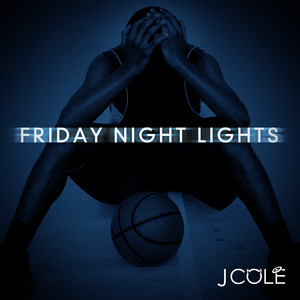
“Lights Please” by J. Cole, “ADHD” by Kendrick Lamar, and “Chicago Freestyle” by Drake share a distinct and cohesive ambience that resonates deeply with listeners, primarily because of their introspective and emotionally charged nature. These tracks explore themes of vulnerability, self-reflection, and personal struggles, using atmospheric production to set the mood.
In “Lights Please,” J. Cole crafts a narrative-driven song that juxtaposes the allure of physical intimacy with his deeper desire to convey meaningful messages. Its smooth, melodic beats and laid-back rhythm create an intimate atmosphere, making the listener feel like they’re eavesdropping on a personal moment.

Similarly, Kendrick Lamar’s “ADHD” captures a reflective and almost haunting vibe, using minimalist production with subtle percussive elements and ethereal synths. This allows Kendrick’s poignant lyrics about the challenges of addiction, youth culture, and societal pressures to take centre stage, drawing listeners into a contemplative space.

Drake’s “Chicago Freestyle” mirrors this ambience with its moody piano chords, soft vocals, and introspective delivery. The track blends elements of melancholy and nostalgia as Drake reflects on past relationships and his struggles with maintaining connections amidst his fame. The soulful hook, inspired by Eminem’s “Superman,” amplifies the song’s emotional depth.
All three songs share common traits—subtle yet evocative production, introspective storytelling, and a melancholic undertone—that create an atmosphere of vulnerability and intimacy. This combination makes them relatable and emotionally impactful, leaving a lasting impression on listeners.

IntroThrough powerful biblical symbolism and vivid, confrontational imagery, the poem examines the complex tension between femininity, masculinity, and authority. By invoking Moses parting the Red Sea as a metaphor for spiritual revelation and division, the speaker establishes a dramatic tone that carries throughout the piece. The contrasting portrayals of “quiet and feminine grace” against loud,…
Intro“King Solomon Size” evokes the legendary magnitude of love and desire associated with Solomon, using his grand reputation as a metaphor for vast romantic ambition. The poem speaks in the voice of a man who longs to warm his “cold and dark” heart through touch, admiration, and conquest, revealing both vulnerability and hunger for devotion.…
IntroHit The Gas… is a vivid meditation on impatience, desire, and the fragile illusion of escaping time. Through striking imagery of shattered hourglasses, blood-soaked moons, and frozen skies, the poem captures a desperate attempt to outrun mortality in pursuit of love. In that suspended moment, time bends and intimacy feels infinite—but reality inevitably restores its…
We live in a time where love is labelled toxic while lust is celebrated as liberation, and that contradiction should trouble us. Love asks for discipline, sacrifice, and commitment — qualities that build stability — yet it is side-lined and neglected, waiting on the bench of modern culture. Lust, on the other hand, is praised,…
Mechanical Love explores the haunting idea of love stripped of free will. The poem imagines a world where human agency is buried “six feet deep,” replaced by chemical impulses and mechanical repetition. Joseph Le Artist presents love not as a conscious choice, but as a programmed reaction—driven by dopamine rather than desire. The transformation into…
Power no longer hides in shadows it flickers on our screens, injected into daily life while we run the wheels built for someone else’s amusement. Eyes open, minds on cruise, we mistake repetition for truth and noise for freedom. Epstein becomes a symbol of the rot behind the curtain, where influence circulates quietly, systems feed…
Intro:This poem descends into the moment betrayal is no longer hidden and rage learns to speak. What begins as loyalty rots into illusion, and from that fracture, wrath is born—not as chaos, but as intention. Read with caution: this is the anatomy of a soul pushed past forgiveness. Outro:And when the echoes fade, what remains…
In the relentless tick of the wristwatch, time reveals its cruel indifference—Father Time eroding youth, flesh, and fragile hopes into dust, while death lingers like an inevitable embrace. This piece confronts the quiet terror of running out of moments for authentic love, crushed instead by the heavy, hollow weight of lust and repeated defeats. What…
Even though the image of Jesus commonly portrayed in the Western world is historically inaccurate, mockery only carries power when it is directed at the true God—the One who holds authority over the world and the universe. Wearing that specific figure around the neck is not random; it targets the real authority behind the symbol,…


Description
The poem Show Me More… by Joseph Le Artist is a thought-provoking and introspective piece that explores the fleeting nature of physical beauty and the enduring significance of character. The poet begins with a personal reflection, stating that he must remind himself of an important truth while navigating the turbulence of life. This opening line sets the tone for the poem, indicating that what follows is a lesson learned through experience and observation.
As the poem progresses, the speaker delves into the allure of physical beauty, describing how certain women captivate cultures with their charm and aesthetics. The phrase “hypnotizing cultures with their physical allure” suggests that society often places immense value on external appearance, elevating individuals based on their attractiveness. However, the poet quickly shifts the perspective, highlighting the impermanence of such admiration. He states that even these women, who were once idolized for their beauty, will eventually be forgotten.
The reference to Chela Alonso serves as an example of someone who was once renowned for her beauty but is no longer widely remembered. This mention reinforces the idea that beauty alone is not enough to create a lasting legacy. The poet’s choice to include a specific name personalizes the message, making it more impactful.
The poem then takes a philosophical turn, asserting that “beauty is vain.” This statement encapsulates the central theme—that physical appearance is temporary and, ultimately, insignificant in the grand scheme of life. Instead, the poet encourages a different approach to aging, urging individuals to embrace grace and character development. The line “as you age gracefully, illuminate your character for me like a halo” suggests that true beauty comes from within. The comparison to a halo implies purity, wisdom, and an almost divine presence, elevating the value of moral and personal growth above physical attributes.
Overall, Show Me More… is a reflective and poignant poem that challenges society’s obsession with external beauty. It emphasizes the importance of inner character and personal evolution, reminding the reader that what truly matters is not how one looks but the legacy of kindness, wisdom, and integrity they leave behind. The poem carries a melancholic yet hopeful tone, urging individuals to shift their focus from superficial allure to meaningful self-improvement and enlightenment.