


I’m constantly inspired by Daniel 1:20, where one man’s wisdom shone ten times brighter than his peers, as I strive to grow 10x better every single day. This isn’t just about sharpening my skills or building mental resilience—it’s about carving my own path to personal growth and self-discovery. Is it wrong, as Sade might sing,
The First Tread From “Behind These Versace Glasses” (Poem)” . Becoming the Barbaric King: A Poem of Prophecy, Guilt, and 2 Kings 8:13 (Poem)… I sit with my poem, its words like scars I can’t ignore, trying to understand how I became the man I am. Writing this poem about prophecy and transformation felt like
The First Tread from “Caramel Fever (Poem)” is The Soulful Layers. My Fever’s Cinematic EchoWhen I watch Spike Lee’s Jungle Fever, I see “jungle fever” unfold as a wild, tangled pull—Flipper and Angie caught in a taboo storm of interracial desire, weighed down by society’s glare. I feel that raw energy resonate when I write,
The Fourth Tread from “Leave Me Alone II“ “The Aesthetic Of Decay“ When I see “a gruesome suicide, painted in front of my eyes,” the image hits me with a visceral force, its vividness carving a scene of raw, unfiltered horror into my mind. The word “gruesome” doesn’t just suggest death—it drags me into a
The Third Tread from “Leave Me Alone II“ “Kali’s Puppet: How the Villain of the System Meets Its End“ One can see it now—Kali holds the villain in her hands, and the realization cuts through like a blade. The system has always felt like a crushing weight, an oppressive presence that’s been suffocating lives for
The Second Tread from “Leave Me Alone II“ “Faith Fuels My Defiance: A New Freedom“ The”slave ship” wasn’t just the 9-to-5—it was a whole fleet: capitalism’s greed sucking my time dry, society’s rules boxing me in, and the ghosts of historical chains rattling in my bones. It wasn’t work alone; it was a system that
The First Tread from “Leave Me Alone II” “Triumph Over Circumstance: Stoicism Fuels My Soul” When I say, “This system can’t kill my vibe,” I’m claiming a strength that runs deeper than the chaos around me. The system—be it the 9-to-5 grind, societal pressure, or life’s relentless demands—tries to crush me, but I stand firm.
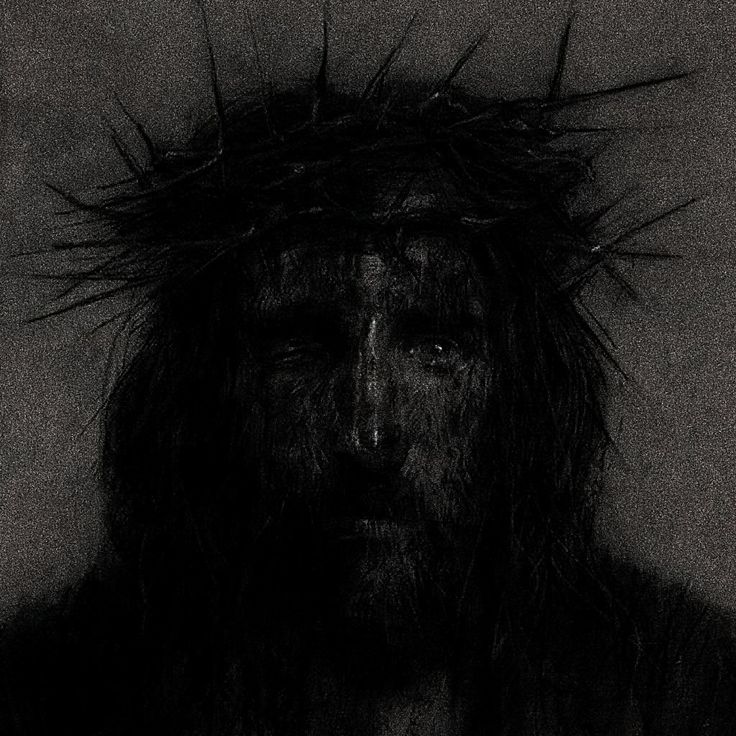
Even though the image of Jesus commonly portrayed in the Western world is historically inaccurate, mockery only carries power when it is directed at the true God—the One who holds authority over the world and the universe. Wearing that specific figure around the neck is not random; it targets the real authority behind the symbol, not merely the image itself.
The core idea here is that symbols transcend their physical or visual form. In semiotics (the study of signs and symbols), a symbol like the cross or an image of Jesus isn’t just an object—it’s a signifier pointing to a deeper signified reality. For Christians, the “true God” referenced is the triune God of the Bible: Father, Son (Jesus as the incarnate Word), and Holy Spirit, who is omnipotent and sovereign over creation (as described in passages like Psalm 115:3 or Colossians 1:16-17).
This hinges on a theological assertion: mockery has no inherent power unless it confronts something real and authoritative. In Christian thought, false gods or idols are powerless (e.g., Isaiah 44:9-20 mocks wooden idols as lifeless), so ridiculing them is futile—like punching a shadow. But targeting the “true God” (Yahweh, as revealed in Jesus) invites real consequences because He is the ultimate reality, not a human invention.
I’m constantly inspired by Daniel 1:20, where one man’s wisdom shone ten times brighter than his peers, as I strive to grow 10x better every single day. This isn’t just about sharpening my skills or building mental resilience—it’s about carving my own path to personal growth and self-discovery. Is it wrong, as Sade might sing,
The First Tread From “Behind These Versace Glasses” (Poem)” . Becoming the Barbaric King: A Poem of Prophecy, Guilt, and 2 Kings 8:13 (Poem)… I sit with my poem, its words like scars I can’t ignore, trying to understand how I became the man I am. Writing this poem about prophecy and transformation felt like
The First Tread from “Caramel Fever (Poem)” is The Soulful Layers. My Fever’s Cinematic EchoWhen I watch Spike Lee’s Jungle Fever, I see “jungle fever” unfold as a wild, tangled pull—Flipper and Angie caught in a taboo storm of interracial desire, weighed down by society’s glare. I feel that raw energy resonate when I write,
The Fourth Tread from “Leave Me Alone II“ “The Aesthetic Of Decay“ When I see “a gruesome suicide, painted in front of my eyes,” the image hits me with a visceral force, its vividness carving a scene of raw, unfiltered horror into my mind. The word “gruesome” doesn’t just suggest death—it drags me into a
The Third Tread from “Leave Me Alone II“ “Kali’s Puppet: How the Villain of the System Meets Its End“ One can see it now—Kali holds the villain in her hands, and the realization cuts through like a blade. The system has always felt like a crushing weight, an oppressive presence that’s been suffocating lives for
The Second Tread from “Leave Me Alone II“ “Faith Fuels My Defiance: A New Freedom“ The”slave ship” wasn’t just the 9-to-5—it was a whole fleet: capitalism’s greed sucking my time dry, society’s rules boxing me in, and the ghosts of historical chains rattling in my bones. It wasn’t work alone; it was a system that
The First Tread from “Leave Me Alone II” “Triumph Over Circumstance: Stoicism Fuels My Soul” When I say, “This system can’t kill my vibe,” I’m claiming a strength that runs deeper than the chaos around me. The system—be it the 9-to-5 grind, societal pressure, or life’s relentless demands—tries to crush me, but I stand firm.
I’m constantly inspired by Daniel 1:20, where one man’s wisdom shone ten times brighter than his peers, as I strive to grow 10x better every single day. This isn’t just about sharpening my skills or building mental resilience—it’s about carving my own path to personal growth and self-discovery. Is it wrong, as Sade might sing,
The First Tread From “Behind These Versace Glasses” (Poem)” . Becoming the Barbaric King: A Poem of Prophecy, Guilt, and 2 Kings 8:13 (Poem)… I sit with my poem, its words like scars I can’t ignore, trying to understand how I became the man I am. Writing this poem about prophecy and transformation felt like
The First Tread from “Caramel Fever (Poem)” is The Soulful Layers. My Fever’s Cinematic EchoWhen I watch Spike Lee’s Jungle Fever, I see “jungle fever” unfold as a wild, tangled pull—Flipper and Angie caught in a taboo storm of interracial desire, weighed down by society’s glare. I feel that raw energy resonate when I write,
The Fourth Tread from “Leave Me Alone II“ “The Aesthetic Of Decay“ When I see “a gruesome suicide, painted in front of my eyes,” the image hits me with a visceral force, its vividness carving a scene of raw, unfiltered horror into my mind. The word “gruesome” doesn’t just suggest death—it drags me into a
The Third Tread from “Leave Me Alone II“ “Kali’s Puppet: How the Villain of the System Meets Its End“ One can see it now—Kali holds the villain in her hands, and the realization cuts through like a blade. The system has always felt like a crushing weight, an oppressive presence that’s been suffocating lives for
The Second Tread from “Leave Me Alone II“ “Faith Fuels My Defiance: A New Freedom“ The”slave ship” wasn’t just the 9-to-5—it was a whole fleet: capitalism’s greed sucking my time dry, society’s rules boxing me in, and the ghosts of historical chains rattling in my bones. It wasn’t work alone; it was a system that
The First Tread from “Leave Me Alone II” “Triumph Over Circumstance: Stoicism Fuels My Soul” When I say, “This system can’t kill my vibe,” I’m claiming a strength that runs deeper than the chaos around me. The system—be it the 9-to-5 grind, societal pressure, or life’s relentless demands—tries to crush me, but I stand firm.
I’m constantly inspired by Daniel 1:20, where one man’s wisdom shone ten times brighter than his peers, as I strive to grow 10x better every single day. This isn’t just about sharpening my skills or building mental resilience—it’s about carving my own path to personal growth and self-discovery. Is it wrong, as Sade might sing,
The First Tread From “Behind These Versace Glasses” (Poem)” . Becoming the Barbaric King: A Poem of Prophecy, Guilt, and 2 Kings 8:13 (Poem)… I sit with my poem, its words like scars I can’t ignore, trying to understand how I became the man I am. Writing this poem about prophecy and transformation felt like
The First Tread from “Caramel Fever (Poem)” is The Soulful Layers. My Fever’s Cinematic EchoWhen I watch Spike Lee’s Jungle Fever, I see “jungle fever” unfold as a wild, tangled pull—Flipper and Angie caught in a taboo storm of interracial desire, weighed down by society’s glare. I feel that raw energy resonate when I write,
The Fourth Tread from “Leave Me Alone II“ “The Aesthetic Of Decay“ When I see “a gruesome suicide, painted in front of my eyes,” the image hits me with a visceral force, its vividness carving a scene of raw, unfiltered horror into my mind. The word “gruesome” doesn’t just suggest death—it drags me into a
The Third Tread from “Leave Me Alone II“ “Kali’s Puppet: How the Villain of the System Meets Its End“ One can see it now—Kali holds the villain in her hands, and the realization cuts through like a blade. The system has always felt like a crushing weight, an oppressive presence that’s been suffocating lives for
The Second Tread from “Leave Me Alone II“ “Faith Fuels My Defiance: A New Freedom“ The”slave ship” wasn’t just the 9-to-5—it was a whole fleet: capitalism’s greed sucking my time dry, society’s rules boxing me in, and the ghosts of historical chains rattling in my bones. It wasn’t work alone; it was a system that
The First Tread from “Leave Me Alone II” “Triumph Over Circumstance: Stoicism Fuels My Soul” When I say, “This system can’t kill my vibe,” I’m claiming a strength that runs deeper than the chaos around me. The system—be it the 9-to-5 grind, societal pressure, or life’s relentless demands—tries to crush me, but I stand firm.
This poem offers a contemplative glimpse into the poet’s mind as they engage in everyday activities. The poem begins with the poet reflecting deeply while eating a slice of pizza, contemplating their spiritual fate. They reject the idea of going to hell and express a preference for going to heaven, demonstrating reverence and seeking forgiveness for past disobedience.
The poem then shifts to a modern scene of scrolling on a mobile device, which leaves the poet feeling mentally numb and paralyzed. This contrast between spiritual contemplation and digital distraction highlights the poet’s struggle to balance the two.
In the midst of this mental chaos, the poet reaffirms their faith, declaring that their devotion to Allah will never lead them to commit acts of terror in the name of religion. They speak of women in heaven as a divine surprise, indicating their respect for the spiritual rewards promised by their faith.
The poem concludes with the poet seeking solitude, sipping grape juice and reflecting on life. This final image ties together the themes of contemplation, spirituality, and the search for personal peace amid the distractions of modern life.
I’m constantly inspired by Daniel 1:20, where one man’s wisdom shone ten times brighter than his peers, as I strive to grow 10x better every single day. This isn’t just about sharpening my skills or building mental resilience—it’s about carving my own path to personal growth and self-discovery. Is it wrong, as Sade might sing,
The First Tread From “Behind These Versace Glasses” (Poem)” . Becoming the Barbaric King: A Poem of Prophecy, Guilt, and 2 Kings 8:13 (Poem)… I sit with my poem, its words like scars I can’t ignore, trying to understand how I became the man I am. Writing this poem about prophecy and transformation felt like
The First Tread from “Caramel Fever (Poem)” is The Soulful Layers. My Fever’s Cinematic EchoWhen I watch Spike Lee’s Jungle Fever, I see “jungle fever” unfold as a wild, tangled pull—Flipper and Angie caught in a taboo storm of interracial desire, weighed down by society’s glare. I feel that raw energy resonate when I write,
The Fourth Tread from “Leave Me Alone II“ “The Aesthetic Of Decay“ When I see “a gruesome suicide, painted in front of my eyes,” the image hits me with a visceral force, its vividness carving a scene of raw, unfiltered horror into my mind. The word “gruesome” doesn’t just suggest death—it drags me into a
The Third Tread from “Leave Me Alone II“ “Kali’s Puppet: How the Villain of the System Meets Its End“ One can see it now—Kali holds the villain in her hands, and the realization cuts through like a blade. The system has always felt like a crushing weight, an oppressive presence that’s been suffocating lives for
The Second Tread from “Leave Me Alone II“ “Faith Fuels My Defiance: A New Freedom“ The”slave ship” wasn’t just the 9-to-5—it was a whole fleet: capitalism’s greed sucking my time dry, society’s rules boxing me in, and the ghosts of historical chains rattling in my bones. It wasn’t work alone; it was a system that
The First Tread from “Leave Me Alone II” “Triumph Over Circumstance: Stoicism Fuels My Soul” When I say, “This system can’t kill my vibe,” I’m claiming a strength that runs deeper than the chaos around me. The system—be it the 9-to-5 grind, societal pressure, or life’s relentless demands—tries to crush me, but I stand firm.
The video you’re describing seems to dive into the fascinating intersections between the psychological thriller Perfect Blue (1997) and the rapid advancements in technology, particularly artificial intelligence (AI), social media, and digital personas. Perfect Blue, directed by Satoshi Kon, has long been admired for its complex exploration of identity, reality, and mental disintegration. The film’s central narrative involves Mima, a pop idol who transitions into acting, only to find herself stalked by a mysterious figure, all while her sense of self starts to fracture due to the pressures of her public persona and increasingly invasive technology.
Here’s how the themes in Perfect Blue might align with today’s technology-driven world:
1. Blurring of Reality and Digital Persona
One of the central themes in Perfect Blue is the distortion of reality, where Mima cannot distinguish between her real life and her roles in her acting career, compounded by a stalker who manipulates her public image. This parallels modern experiences where social media and digital avatars allow people to craft and sometimes lose track of their online personas. The line between who we are in the digital world and who we are in reality has become increasingly porous, leading to issues of self-identity and privacy.
This can be seen in the rise of virtual influencers, avatars, and online personas that are sometimes more curated or idealized than our real-life selves.
2. Virtual Idols and AI
In the film, Mima’s experience mirrors the growing popularity of virtual idols, such as Hatsune Miku, who exists purely in the digital realm, yet holds an enormous following. Today, AI-generated music, artwork, and performances are gaining traction—creating stars and content that exist only in the virtual space, much like Mima’s alter-ego that she can’t fully control.
The idea of a “perfect” public image being managed by external forces (like PR agencies or AI algorithms) is one of the film’s core anxieties, echoing contemporary concerns about how AI tools can create hyper-realistic avatars or digital representations of celebrities that blur the lines between the authentic and the fabricated.
3. Stalking, Surveillance, and Privacy
The theme of being constantly watched, stalked, and monitored by a digital entity in Perfect Blue mirrors the surveillance culture of the digital age. The film foreshadows how social media platforms, AI-driven recommendation systems, and cameras can create an almost omnipresent surveillance environment. The impact of losing control over one’s image and personal privacy, while others (or AI) may interpret and manipulate it, resonates strongly today.
4. Deepfakes and Digital Manipulation
Perfect Blue deals with the exploitation of Mima’s image, both digitally and psychologically. Today, we have the rise of deepfakes—AI-generated content that can convincingly alter someone’s likeness, voice, or actions to create realistic but fake videos. The sense of losing control over one’s own image or identity, as seen in the film, feels eerily prescient of today’s growing concerns around digital manipulation, identity theft, and the use of deepfake technology for both malicious and creative purposes.
5. The Dangers of Digital Fame
Mima’s transition from being a pop idol to an actress is marked by the emotional toll of her public image. This aligns with the psychological struggles many influencers or people who find themselves thrust into the digital spotlight face today. The relentless demand for content and public approval, combined with the constant monitoring of one’s life, has been exacerbated by algorithms that prioritize engagement over well-being.
AI and social media algorithms exacerbate these pressures, potentially amplifying the negative mental health effects of fame and attention, especially when these platforms are designed to create a “perfect” version of one’s life.
6. Psychological Horror and the Impact of Technology
The mental unraveling that Mima experiences throughout the film as she loses grip on reality due to her manipulated digital self is a key element in Perfect Blue. It reflects the psychological toll technology can have on individuals, especially in a world where one’s public persona is increasingly dictated by algorithms and AI-driven platforms. The fear of losing one’s sense of self or being trapped in a reality manipulated by unseen forces is as relevant now as ever.
Conclusion: Is Perfect Blue More Relevant Now Than Ever?
Given the advancements in AI, social media, and virtual reality, Perfect Blue feels more prophetic than ever. The film’s exploration of identity, surveillance, and the tension between the real and the virtual speaks directly to contemporary anxieties about how technology shapes our sense of self and our interaction with the world around us. As we continue to grapple with the ethical and psychological consequences of AI, deepfakes, virtual idols, and digital fame, Perfect Blue offers an unsettling yet insightful reflection on the potential dangers of a hyper-mediated world.
In short, Satoshi Kon’s iconic anime continues to resonate with modern issues, making it a must-watch for anyone interested in the intersection of technology, identity, and human psychology.