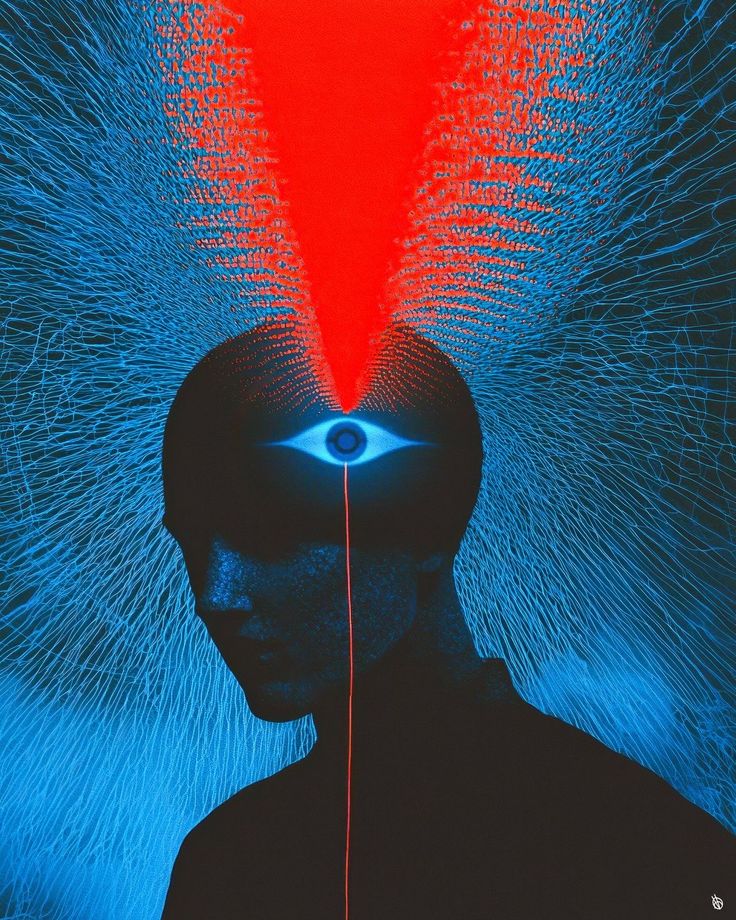
The poem Vultures depict the hook-up and porn culture as reducing sex to a “fleeting minute of plight” resonates deeply with both philosophical and biblical critiques of objectification and alienation. Philosophically, this aligns with existentialist perspectives, such as those of Jean-Paul Sartre and Martin Buber, who argue that objectification—treating others as mere objects for gratification—alienates…
The concept of “broken soul ties” in the poem resonates with Martin Buber’s I-Thou philosophy, which champions authentic, mutual relationships where individuals encounter each other as sacred subjects. When soul ties break, it signals a collapse of this I-Thou dynamic, reducing others to mere objects (I-It), fostering isolation and distrust. This erosion of trust, as…
From an existentialist perspective, the “perfect cycle of lust” encapsulates humanity’s entanglement with inauthentic desires, a concept deeply explored by philosopher Jean-Paul Sartre. Lust, as depicted in the poem, emerges as a repetitive and ultimately hollow pursuit that diverts individuals from a meaningful existence. Rather than fostering genuine connection or love, it ensnares the speaker…
I’m constantly inspired by Daniel 1:20, where one man’s wisdom shone ten times brighter than his peers, as I strive to grow 10x better every single day. This isn’t just about sharpening my skills or building mental resilience—it’s about carving my own path to personal growth and self-discovery. Is it wrong, as Sade might sing,…
The First Tread From “Behind These Versace Glasses” (Poem)” . Becoming the Barbaric King: A Poem of Prophecy, Guilt, and 2 Kings 8:13 (Poem)… I sit with my poem, its words like scars I can’t ignore, trying to understand how I became the man I am. Writing this poem about prophecy and transformation felt like…
This poem is for people haunted by eyes that once sparkled with wonder, now overflowing with ruin.
She chose and obsessed—to go to the soul cage. I wrote this once I saw: love without real caution is just code waiting to flood. Faith sank deeper when pretence ended and her obsession met my disarray. No sermon here just the confession of waves that overwhelmed what she pursued.
Conclusion
Love that surges without invitation is violence disguised as depth—my rage proved it merciless. She came as mermaid, seeking hidden seas; she left hollow, drowned by what I could not contain. In the silence after the flood, I hold only echoes and the weight of what I almost kept. If this stirs you, it is freedom calling—love true never refuses the mercy of goodbye
The poem Vultures depict the hook-up and porn culture as reducing sex to a “fleeting minute of plight” resonates deeply with both philosophical and biblical critiques of objectification and alienation. Philosophically, this aligns with existentialist perspectives, such as those of Jean-Paul Sartre and Martin Buber, who argue that objectification—treating others as mere objects for gratification—alienates…
The concept of “broken soul ties” in the poem resonates with Martin Buber’s I-Thou philosophy, which champions authentic, mutual relationships where individuals encounter each other as sacred subjects. When soul ties break, it signals a collapse of this I-Thou dynamic, reducing others to mere objects (I-It), fostering isolation and distrust. This erosion of trust, as…
From an existentialist perspective, the “perfect cycle of lust” encapsulates humanity’s entanglement with inauthentic desires, a concept deeply explored by philosopher Jean-Paul Sartre. Lust, as depicted in the poem, emerges as a repetitive and ultimately hollow pursuit that diverts individuals from a meaningful existence. Rather than fostering genuine connection or love, it ensnares the speaker…
I’m constantly inspired by Daniel 1:20, where one man’s wisdom shone ten times brighter than his peers, as I strive to grow 10x better every single day. This isn’t just about sharpening my skills or building mental resilience—it’s about carving my own path to personal growth and self-discovery. Is it wrong, as Sade might sing,…
The First Tread From “Behind These Versace Glasses” (Poem)” . Becoming the Barbaric King: A Poem of Prophecy, Guilt, and 2 Kings 8:13 (Poem)… I sit with my poem, its words like scars I can’t ignore, trying to understand how I became the man I am. Writing this poem about prophecy and transformation felt like…
The poem Vultures depict the hook-up and porn culture as reducing sex to a “fleeting minute of plight” resonates deeply with both philosophical and biblical critiques of objectification and alienation. Philosophically, this aligns with existentialist perspectives, such as those of Jean-Paul Sartre and Martin Buber, who argue that objectification—treating others as mere objects for gratification—alienates…
The concept of “broken soul ties” in the poem resonates with Martin Buber’s I-Thou philosophy, which champions authentic, mutual relationships where individuals encounter each other as sacred subjects. When soul ties break, it signals a collapse of this I-Thou dynamic, reducing others to mere objects (I-It), fostering isolation and distrust. This erosion of trust, as…
From an existentialist perspective, the “perfect cycle of lust” encapsulates humanity’s entanglement with inauthentic desires, a concept deeply explored by philosopher Jean-Paul Sartre. Lust, as depicted in the poem, emerges as a repetitive and ultimately hollow pursuit that diverts individuals from a meaningful existence. Rather than fostering genuine connection or love, it ensnares the speaker…
I’m constantly inspired by Daniel 1:20, where one man’s wisdom shone ten times brighter than his peers, as I strive to grow 10x better every single day. This isn’t just about sharpening my skills or building mental resilience—it’s about carving my own path to personal growth and self-discovery. Is it wrong, as Sade might sing,…
The First Tread From “Behind These Versace Glasses” (Poem)” . Becoming the Barbaric King: A Poem of Prophecy, Guilt, and 2 Kings 8:13 (Poem)… I sit with my poem, its words like scars I can’t ignore, trying to understand how I became the man I am. Writing this poem about prophecy and transformation felt like…
This poem offers a contemplative glimpse into the poet’s mind as they engage in everyday activities. The poem begins with the poet reflecting deeply while eating a slice of pizza, contemplating their spiritual fate. They reject the idea of going to hell and express a preference for going to heaven, demonstrating reverence and seeking forgiveness for past disobedience.
The poem then shifts to a modern scene of scrolling on a mobile device, which leaves the poet feeling mentally numb and paralyzed. This contrast between spiritual contemplation and digital distraction highlights the poet’s struggle to balance the two.
In the midst of this mental chaos, the poet reaffirms their faith, declaring that their devotion to Allah will never lead them to commit acts of terror in the name of religion. They speak of women in heaven as a divine surprise, indicating their respect for the spiritual rewards promised by their faith.
The poem concludes with the poet seeking solitude, sipping grape juice and reflecting on life. This final image ties together the themes of contemplation, spirituality, and the search for personal peace amid the distractions of modern life.
The poem Vultures depict the hook-up and porn culture as reducing sex to a “fleeting minute of plight” resonates deeply with both philosophical and biblical critiques of objectification and alienation. Philosophically, this aligns with existentialist perspectives, such as those of Jean-Paul Sartre and Martin Buber, who argue that objectification—treating others as mere objects for gratification—alienates…
The concept of “broken soul ties” in the poem resonates with Martin Buber’s I-Thou philosophy, which champions authentic, mutual relationships where individuals encounter each other as sacred subjects. When soul ties break, it signals a collapse of this I-Thou dynamic, reducing others to mere objects (I-It), fostering isolation and distrust. This erosion of trust, as…
From an existentialist perspective, the “perfect cycle of lust” encapsulates humanity’s entanglement with inauthentic desires, a concept deeply explored by philosopher Jean-Paul Sartre. Lust, as depicted in the poem, emerges as a repetitive and ultimately hollow pursuit that diverts individuals from a meaningful existence. Rather than fostering genuine connection or love, it ensnares the speaker…
I’m constantly inspired by Daniel 1:20, where one man’s wisdom shone ten times brighter than his peers, as I strive to grow 10x better every single day. This isn’t just about sharpening my skills or building mental resilience—it’s about carving my own path to personal growth and self-discovery. Is it wrong, as Sade might sing,…
The First Tread From “Behind These Versace Glasses” (Poem)” . Becoming the Barbaric King: A Poem of Prophecy, Guilt, and 2 Kings 8:13 (Poem)… I sit with my poem, its words like scars I can’t ignore, trying to understand how I became the man I am. Writing this poem about prophecy and transformation felt like…
The poem “Eminently…” by Joseph Le Artist captures the double-edged nature of ecstasy: an overwhelming force that initially electrifies the soul and psychology but ultimately acts as a curse, pinning the speaker down like a fallen angel chained to earth. This intoxicating high feeds vices, nightmares, and a once-heartless existence, revealing itself as bondage rather than freedom. The true turning point arrives through deliberate purging—a painful yet liberating process of confronting and expelling demonic inner forces.
What emerges is genuine healing: an intimate reconnection with soberness that hushes chaos, restores emotional depth, and transforms a hardened heart into one capable of renewal. The core takeaway is clear—unchecked ecstasy leads to spiritual and psychological imprisonment, while intentional release and grounded clarity pave the way to authentic wholeness.In practical terms, the poem offers a roadmap for anyone wrestling with destructive highs, whether emotional, addictive, or obsessive.
First, recognize when euphoria becomes a chain by tracking its signs (racing thoughts, detachment, escalating vices) and choosing to purge rather than indulge—through detox, shadow work, physical release, or creative expression like poetry itself. Then, cultivate steady intimacy with soberness via daily grounding practices (mindfulness, nature, meaningful connections) and consistent inner battles against lingering patterns. If the struggle feels overwhelming, seek support from therapy, communities, or spiritual guidance. The poem’s hopeful arc reminds us: healing isn’t about avoiding highs entirely but refusing to let them rule. By embracing the purge as sacred work, what once felt like a curse becomes the catalyst for a more resilient, authentic life.
The poem Vultures depict the hook-up and porn culture as reducing sex to a “fleeting minute of plight” resonates deeply with both philosophical and biblical critiques of objectification and alienation. Philosophically, this aligns with existentialist perspectives, such as those of Jean-Paul Sartre and Martin Buber, who argue that objectification—treating others as mere objects for gratification—alienates…
The concept of “broken soul ties” in the poem resonates with Martin Buber’s I-Thou philosophy, which champions authentic, mutual relationships where individuals encounter each other as sacred subjects. When soul ties break, it signals a collapse of this I-Thou dynamic, reducing others to mere objects (I-It), fostering isolation and distrust. This erosion of trust, as…
From an existentialist perspective, the “perfect cycle of lust” encapsulates humanity’s entanglement with inauthentic desires, a concept deeply explored by philosopher Jean-Paul Sartre. Lust, as depicted in the poem, emerges as a repetitive and ultimately hollow pursuit that diverts individuals from a meaningful existence. Rather than fostering genuine connection or love, it ensnares the speaker…
I’m constantly inspired by Daniel 1:20, where one man’s wisdom shone ten times brighter than his peers, as I strive to grow 10x better every single day. This isn’t just about sharpening my skills or building mental resilience—it’s about carving my own path to personal growth and self-discovery. Is it wrong, as Sade might sing,…
The First Tread From “Behind These Versace Glasses” (Poem)” . Becoming the Barbaric King: A Poem of Prophecy, Guilt, and 2 Kings 8:13 (Poem)… I sit with my poem, its words like scars I can’t ignore, trying to understand how I became the man I am. Writing this poem about prophecy and transformation felt like…