I stand at the edge of philosophy’s abyss, and it calls to me. Its questions—vast as starlit skies, sharp as a blade—cut through the quiet of my mind. Why am I here? What is real? What holds meaning when the world feels like a fleeting shadow? Each inquiry is a thread, spiraling, twisting, weaving a…
“Do not store up for yourselves treasures on earth, where moths and vermin destroy, and where thieves break in and steal. But store up for yourselves treasures in heaven… For where your treasure is, there your heart will be also.”— Matthew 6:19-21 (NIV)As I reflect on the words of my own heart poured into verse,…
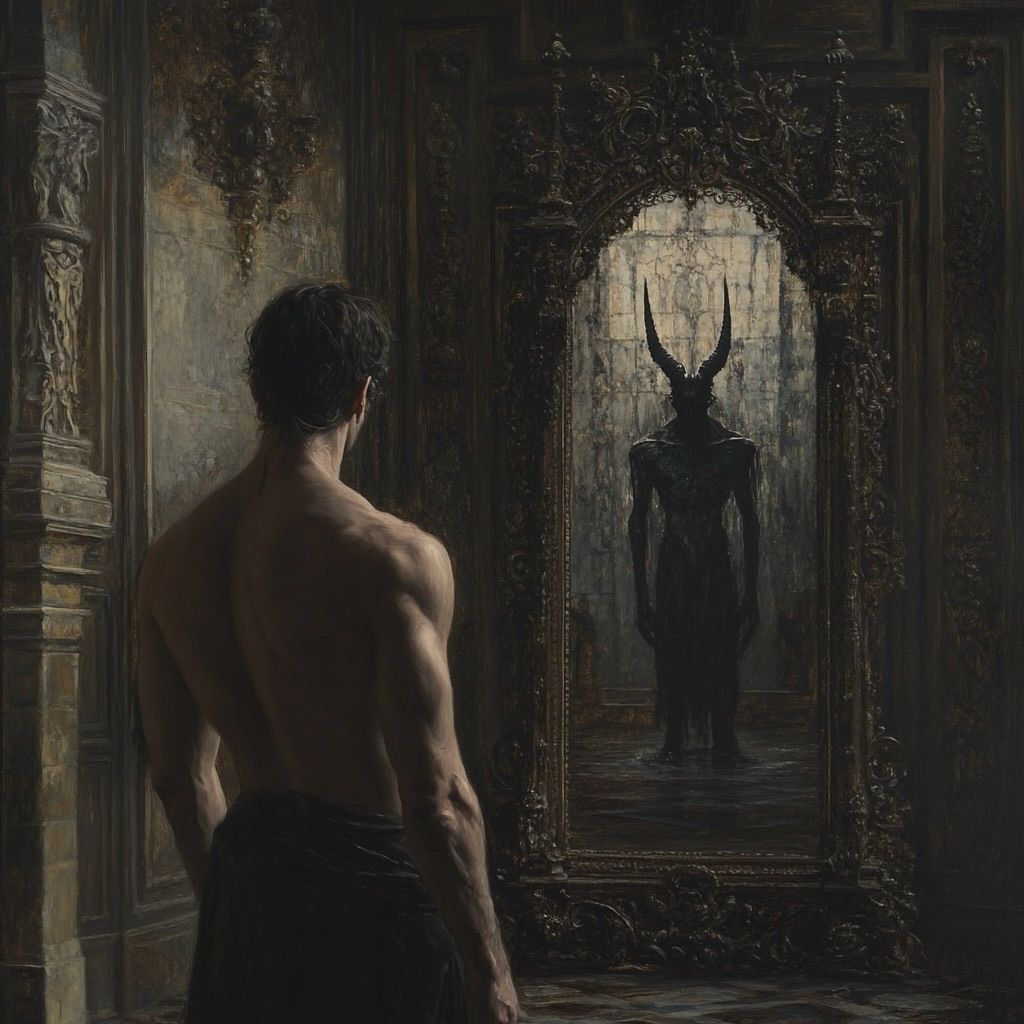
I woke to a shadow in my room, my own face staring back, twisted with a grin that wasn’t mine. It held my gun, accusing me: “You thought you could embody the essence of wrath’s?” Its words cut deep, naming “friends” I’d killed—lives I’d ended or betrayed in moments I can’t unmake. Jean-Paul Sartre’s words…
Some moments in life feel like they’ve been woven into the fabric of the universe, perfectly timed and undeniably sacred. I stumbled into one such moment not long ago, when the winding grapevine of life—those serendipitous threads of chance—led me to her. Her name is Halle, and from the instant I met her, I knew…
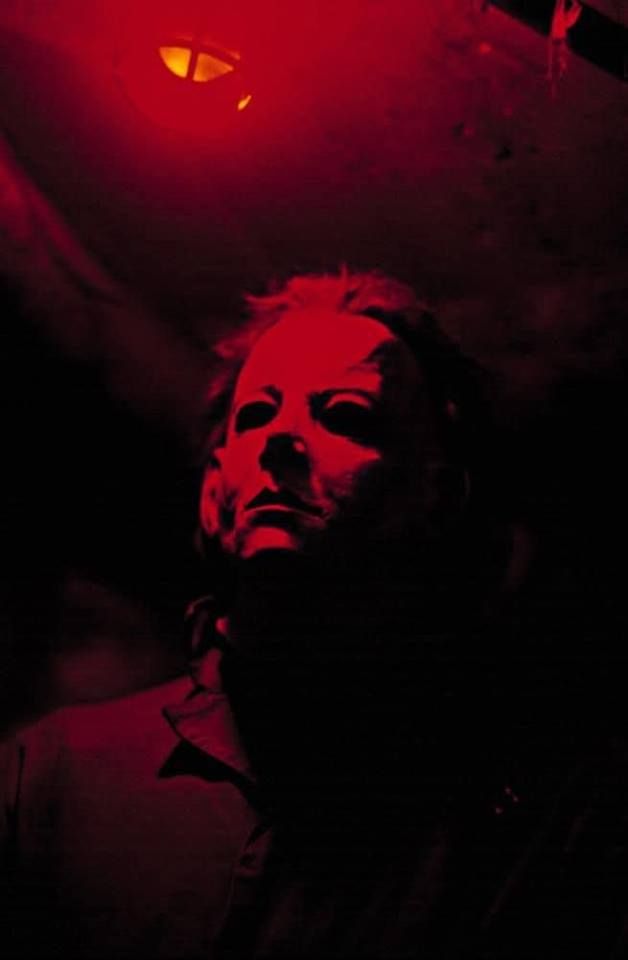
In my youth, a seed was planted, cold and unrelenting, deep within my heart. It grew as I did, twisting me into a figure I liken to Michael Myers—a silent, unyielding archetype of destruction. I didn’t fight it; I let it consume me. That seed bloomed into a lascivious hunger, a monstrous drive that’s left…
As I sit here, pen in hand, my thoughts drift to the electric pulse of the club, a place where the world blurs into a haze of lights and rhythm. It’s a space where I find myself searching, chasing something fleeting—a spark, a connection, a moment of lust that feels like it could ignite my…
I stand at the edge of philosophy’s abyss, and it calls to me. Its questions—vast as starlit skies, sharp as a blade—cut through the quiet of my mind. Why am I here? What is real? What holds meaning when the world feels like a fleeting shadow? Each inquiry is a thread, spiraling, twisting, weaving a…
“Do not store up for yourselves treasures on earth, where moths and vermin destroy, and where thieves break in and steal. But store up for yourselves treasures in heaven… For where your treasure is, there your heart will be also.”— Matthew 6:19-21 (NIV)As I reflect on the words of my own heart poured into verse,…
I woke to a shadow in my room, my own face staring back, twisted with a grin that wasn’t mine. It held my gun, accusing me: “You thought you could embody the essence of wrath’s?” Its words cut deep, naming “friends” I’d killed—lives I’d ended or betrayed in moments I can’t unmake. Jean-Paul Sartre’s words…
Some moments in life feel like they’ve been woven into the fabric of the universe, perfectly timed and undeniably sacred. I stumbled into one such moment not long ago, when the winding grapevine of life—those serendipitous threads of chance—led me to her. Her name is Halle, and from the instant I met her, I knew…
In my youth, a seed was planted, cold and unrelenting, deep within my heart. It grew as I did, twisting me into a figure I liken to Michael Myers—a silent, unyielding archetype of destruction. I didn’t fight it; I let it consume me. That seed bloomed into a lascivious hunger, a monstrous drive that’s left…
As I sit here, pen in hand, my thoughts drift to the electric pulse of the club, a place where the world blurs into a haze of lights and rhythm. It’s a space where I find myself searching, chasing something fleeting—a spark, a connection, a moment of lust that feels like it could ignite my…
Only a few men escaped her seductive barbarity.” The words hang heavy, a quiet monument to a victory so rare it borders on myth. Escape from her—lust draped in silk, her pulchritude a deadly snare—wasn’t a gift handed to the masses. It was a triumph of the vigilant, a prize seized by the few who dared to see beyond the shimmer. They didn’t stumble out by chance; they walked away, eyes open, choosing the harder path over the sweet descent. My soul, refined like iron, bears the scars of that escape—a testament to battles fought and won, a map of soul refinement etched in every step.
This isn’t just about lust. It’s about all desires that cloak themselves in promise—wealth, power, approval—each a siren with claws beneath the surface. The few who triumph don’t do so because they’re immune; they succeed because they see. Her seductive barbarity was a beast, not a muse, and recognizing that was the first act of defiance. Overcoming temptation isn’t a passive drift toward safety—it’s a deliberate break, a refusal to kneel. I was one of those few—not by birthright or strength, but by the stubborn will to peel back the mask and face what lay beneath.
The existentialists, like Jean-Paul Sartre, might call this authenticity—living true to oneself, unshackled by illusions. Sartre spoke of freedom as a burden, a call to define our own essence in a world that tempts us to conform. Her allure was conformity’s sweetest voice: surrender, indulge, let the chaos swallow you whole. But the few who escaped chose the burden instead. My trials shaped me in their crucible, the stains of desire marked me in their blood, and the slaughter of lust freed me in its silence. Each step built this philosophy of triumph—not a loud victory, but a quiet one, forged in the refusal to be seduced.
Soul refinement isn’t a straight line; it’s a spiral of scars. The iron of my being didn’t emerge flawless—it’s dented, scratched, tempered by every blow I took and gave. Escaping her wasn’t the end of temptation; it was the beginning of seeing it for what it is. The few who walk away carry that sight like a lantern—dim, flickering, but enough to guide them past the next snare. Overcoming temptation doesn’t make you invincible; it makes you awake. I bear the scars of that wakefulness: the heat of trials, the weight of stains, the sting of slaughter. They’re not burdens—they’re proof.
The philosophy of triumph lies in this rarity. Most don’t escape—not because they can’t, but because they won’t. Her barbarity is seductive because it’s easy; the path of the few is hard because it’s true. Sartre’s authenticity demands we reject the script handed to us, and I did. I saw the beast behind the allure—not just lust, but every desire that promises peace and delivers chains. My soul, refined through fire and blood, stands as evidence: the trials shaped me, the stains marked me, the slaughter freed me. The few who triumph don’t boast—they endure, their victory a silent rebellion against the chaos.
So I ask: Are you among the few who’ve defied the seductive chaos? What temptations have you faced, their promises glinting like gold, that you’ve walked away from? Soul refinement isn’t for the many—it’s for the vigilant, the scarred, the ones who choose the harder path. The philosophy of triumph isn’t a crown; it’s a quiet step beyond the wreckage. My escape is mine, but the question is yours: Have you seen the beast and turned away?
I stand at the edge of philosophy’s abyss, and it calls to me. Its questions—vast as starlit skies, sharp as a blade—cut through the quiet of my mind. Why am I here? What is real? What holds meaning when the world feels like a fleeting shadow? Each inquiry is a thread, spiraling, twisting, weaving a…
“Do not store up for yourselves treasures on earth, where moths and vermin destroy, and where thieves break in and steal. But store up for yourselves treasures in heaven… For where your treasure is, there your heart will be also.”— Matthew 6:19-21 (NIV)As I reflect on the words of my own heart poured into verse,…
I woke to a shadow in my room, my own face staring back, twisted with a grin that wasn’t mine. It held my gun, accusing me: “You thought you could embody the essence of wrath’s?” Its words cut deep, naming “friends” I’d killed—lives I’d ended or betrayed in moments I can’t unmake. Jean-Paul Sartre’s words…
Some moments in life feel like they’ve been woven into the fabric of the universe, perfectly timed and undeniably sacred. I stumbled into one such moment not long ago, when the winding grapevine of life—those serendipitous threads of chance—led me to her. Her name is Halle, and from the instant I met her, I knew…
In my youth, a seed was planted, cold and unrelenting, deep within my heart. It grew as I did, twisting me into a figure I liken to Michael Myers—a silent, unyielding archetype of destruction. I didn’t fight it; I let it consume me. That seed bloomed into a lascivious hunger, a monstrous drive that’s left…
As I sit here, pen in hand, my thoughts drift to the electric pulse of the club, a place where the world blurs into a haze of lights and rhythm. It’s a space where I find myself searching, chasing something fleeting—a spark, a connection, a moment of lust that feels like it could ignite my…
“Her blood touches my lips, reminiscing on the time when lust had its grip on me.” The slaughter was done, the blade of will had struck, and yet victory didn’t wipe the slate clean. Even in triumph, the residue lingers—a faint smear of her blood, lust’s essence, brushing my lips with a bitter taste that drags me back to darker days. It’s not a fresh wound, but a trace, a whisper of what was. This isn’t the sting of defeat; it’s the aftertaste of liberation, a reminder etched in sensation. Memory, I’ve learned, is a double-edged sword—it warns and wounds, heals and haunts, all at once.
That taste pulls me into the past with a force I can’t resist. I recall the grip—tight as a vice—when lust ruled my choices, its fingers coiled around my will. It whispered lies of fulfillment, soft and seductive, promising a sweetness that turned to ash in my mouth. Those were the days when past struggles defined me, when every step was shadowed by a hunger I couldn’t name. The blood on my lips now isn’t new—it’s the echo of those battles, a flavor that lingers long after the war is won. Soul refinement doesn’t erase the scars; it sanctifies them, turning stains into signposts of how far I’ve climbed.
The philosophy of memory offers a lens for this strange dance with the past. Søren Kierkegaard, the Danish thinker, wrote of repetition—not as mere recollection, but as the act of revisiting what was to understand it anew. He saw life as a spiral, where we circle back not to relive but to redeem. This taste on my lips is my repetition. It’s not defeat—it’s a sacrament, a bitter communion with the self I overcame. Each time her blood brushes me, I’m pulled back to the vice, the lies, the chains—but only to see them broken. Memory wounds me with its clarity, yet heals me with its distance. Past struggles don’t vanish; they linger as teachers, their lessons sharp and enduring.
There’s a quiet power in this residue. It’s not the thrill of lust’s old grip, but the weight of knowing I slipped free. The blood isn’t a trophy—it’s a mirror, reflecting a man who once knelt to desire and now stands over its corpse. Soul refinement is a slow burn, a process that doesn’t scrub the palate clean but leaves a taste you learn to carry. I don’t spit it out or swallow it whole—I let it sit, a bitter note that hums with meaning. Kierkegaard’s repetition isn’t about erasing the past; it’s about facing it until it bends to your truth. This taste is mine—a mark of liberation, not captivity.
But memory isn’t just my burden—it’s ours. We all carry tastes like this, don’t we? Fragments of past struggles that brush against us in quiet moments—a regret, a craving, a choice we barely survived. The philosophy of memory suggests these aren’t accidents; they’re threads in the tapestry of who we become. For me, it’s lust’s blood, a bitter sip that warns me of its grip and heals me with its absence. For you, it might be different—a different flavor, a different fight. Soul refinement doesn’t promise a spotless soul; it offers one that’s weathered, marked, and stronger for it.
So I ask: What memories do you carry that both haunt and heal? What taste lingers on your lips, pulling you back to your own darker days? The philosophy of memory doesn’t demand you forget—it asks you to taste again, to find the liberation in the bitterness. My bloodstained lips are proof of a war won. What’s yours?
I stand at the edge of philosophy’s abyss, and it calls to me. Its questions—vast as starlit skies, sharp as a blade—cut through the quiet of my mind. Why am I here? What is real? What holds meaning when the world feels like a fleeting shadow? Each inquiry is a thread, spiraling, twisting, weaving a…
“Do not store up for yourselves treasures on earth, where moths and vermin destroy, and where thieves break in and steal. But store up for yourselves treasures in heaven… For where your treasure is, there your heart will be also.”— Matthew 6:19-21 (NIV)As I reflect on the words of my own heart poured into verse,…
I woke to a shadow in my room, my own face staring back, twisted with a grin that wasn’t mine. It held my gun, accusing me: “You thought you could embody the essence of wrath’s?” Its words cut deep, naming “friends” I’d killed—lives I’d ended or betrayed in moments I can’t unmake. Jean-Paul Sartre’s words…
Some moments in life feel like they’ve been woven into the fabric of the universe, perfectly timed and undeniably sacred. I stumbled into one such moment not long ago, when the winding grapevine of life—those serendipitous threads of chance—led me to her. Her name is Halle, and from the instant I met her, I knew…
In my youth, a seed was planted, cold and unrelenting, deep within my heart. It grew as I did, twisting me into a figure I liken to Michael Myers—a silent, unyielding archetype of destruction. I didn’t fight it; I let it consume me. That seed bloomed into a lascivious hunger, a monstrous drive that’s left…
As I sit here, pen in hand, my thoughts drift to the electric pulse of the club, a place where the world blurs into a haze of lights and rhythm. It’s a space where I find myself searching, chasing something fleeting—a spark, a connection, a moment of lust that feels like it could ignite my…
“I slaughtered lust in its flesh before it could seduce me.” The words cut as sharply as the act they describe—a visceral, deliberate strike against a force that once held me captive. There came a moment of reckoning, a crossroads where the air thickened with decision. Lust stood before me, not as a shadow or a whisper, but tangible, pulsing, its flesh warm with promise. It wasn’t a vague temptation—it was alive, breathing, offering itself with a smile that could unravel the strongest will. But I wielded the blade of will first, not out of hatred, but survival. To let it seduce me again would’ve been to surrender the iron my soul had forged through trials past.
This wasn’t a gentle refusal. Overcoming lust isn’t a polite negotiation—it’s a slaughter, a brutal severing of ties. The moment demanded action, not hesitation. Lust’s flesh was soft, inviting, its promises dripping like honey: comfort, escape, a fleeting high. But I’d tasted its bloodstains before, felt the chains it draped over me under the guise of freedom. I struck—not to wound, but to end its dominion. The temptation philosophy here isn’t about resisting for the sake of morality; it’s about reclaiming power. To indulge would’ve been to kneel, to hand over the soul I’d fought to refine. Instead, I chose to stand.
Nietzsche’s voice echoes through this act: true power isn’t in indulgence but in self-mastery. He spoke of overcoming oneself, of wrestling the chaotic forces within until they bend to your will. Lust wasn’t an external enemy—it was me, a part of me, a wild fragment I’d let roam too long. Slaughtering it meant facing that truth: the seductress wasn’t just in the world; she was in my mirror. The blade I raised wasn’t against her alone—it was against the version of myself that craved her. Overcoming lust became an act of creation, carving out a new self from the wreckage of the old.
There’s no romance in this killing. It’s brutal—blood on the hands, a shudder in the air, the weight of what’s lost and gained. I didn’t banish lust’s presence entirely; its ghost lingers, a faint pulse in the corners of my mind. But I ended its reign. Self-mastery doesn’t erase temptation—it strips it of its throne. The iron of my soul, forged in earlier crucibles, gave me the strength to swing the blade. To let lust seduce me again would’ve melted that iron back into slag, undoing every trial I’d endured. Survival meant sacrifice, and I chose to sacrifice the seducer rather than myself.
The temptation philosophy asks us to see this not as cruelty, but as necessity. Every soul faces its own slaughterhouse—a place where something must die for something else to live. For me, it was lust in its flesh, warm and pleading. For you, it might be different—pride, fear, a hunger for approval. The act is the same: a reckoning, a blade, a choice. Self-mastery isn’t a gift bestowed; it’s a victory seized, often with trembling hands. I still feel the warmth of that flesh under my strike, the moment it fell silent. It was necessary. It was mine to do.
So I ask you: Have you faced a temptation you had to slay? What stood before you, pulsing with promise, that you chose to cut down? Overcoming lust—or any desire that binds—takes more than resolve; it takes a willingness to kill a part of yourself before it kills you. The slaughter isn’t the end—it’s the beginning of something harder, truer. What have you buried to rise?
I stand at the edge of philosophy’s abyss, and it calls to me. Its questions—vast as starlit skies, sharp as a blade—cut through the quiet of my mind. Why am I here? What is real? What holds meaning when the world feels like a fleeting shadow? Each inquiry is a thread, spiraling, twisting, weaving a…
“Do not store up for yourselves treasures on earth, where moths and vermin destroy, and where thieves break in and steal. But store up for yourselves treasures in heaven… For where your treasure is, there your heart will be also.”— Matthew 6:19-21 (NIV)As I reflect on the words of my own heart poured into verse,…
I woke to a shadow in my room, my own face staring back, twisted with a grin that wasn’t mine. It held my gun, accusing me: “You thought you could embody the essence of wrath’s?” Its words cut deep, naming “friends” I’d killed—lives I’d ended or betrayed in moments I can’t unmake. Jean-Paul Sartre’s words…
Some moments in life feel like they’ve been woven into the fabric of the universe, perfectly timed and undeniably sacred. I stumbled into one such moment not long ago, when the winding grapevine of life—those serendipitous threads of chance—led me to her. Her name is Halle, and from the instant I met her, I knew…
In my youth, a seed was planted, cold and unrelenting, deep within my heart. It grew as I did, twisting me into a figure I liken to Michael Myers—a silent, unyielding archetype of destruction. I didn’t fight it; I let it consume me. That seed bloomed into a lascivious hunger, a monstrous drive that’s left…
As I sit here, pen in hand, my thoughts drift to the electric pulse of the club, a place where the world blurs into a haze of lights and rhythm. It’s a space where I find myself searching, chasing something fleeting—a spark, a connection, a moment of lust that feels like it could ignite my…
All the bloodstains on me came from lustful desires in human form.” These words linger like an echo from a battlefield I never chose but couldn’t avoid. The marks I carry aren’t from battles with others—no swords or fists left these scars. They’re from wars within, silent clashes where my own soul was both the arena and the prize. Lust, cloaked in human guise, slipped into my life with a deceptive warmth, leaving its red imprint on my spirit—a reminder of urges I couldn’t ignore, no matter how I tried.
It’s easy to think of lust as mere physical craving, a fleeting itch of the flesh. But that’s too simple. For me, it was more—a hunger that gnawed deeper than skin, reaching for control, validation, and the quick, hollow pleasures that shimmer like mirages. These human struggles weren’t noble; they were messy, primal, and all too real. Lust wasn’t just a woman’s glance or a whispered promise—it was the voice in my head demanding more, convincing me that satisfaction lay just beyond the next indulgence. And with every step I took toward it, the bloodstains spread, marking me as theirs.
Plato understood this better than most. He described the soul as a chariot, pulled by two horses—one noble, striving for wisdom, and the other wild, driven by base desires. I let the wild horse run too long, reins slack, hooves pounding through my days. Desire and the soul tangled in a dance I didn’t know how to stop—lust pulling me one way, reason straining against the tide. The stains piled up, each one a testament to moments I chased what promised joy but delivered chains instead. Freedom, I learned, isn’t found in giving in—it’s forged in the fight to pull back.
Overcoming lust isn’t a clean victory. It’s not a single swing of the sword that ends the war. It’s a slow unraveling, a recognition of what those stains mean. They’re evidence of a past self, one tethered to wants that glittered like gold but weighed like iron. I see them now not as badges of shame but as maps of where I’ve been—each red mark a lesson carved into my being. Lust in human form wasn’t an enemy I could banish outright; it was a mirror, showing me the parts of myself I’d rather hide.
The stains linger because memory does. They’re not fresh wounds anymore, but they don’t fade entirely—nor should they. They remind me of the cost of letting desire rule unchecked, of the chains I wore before I knew I could break them. Human struggles like these aren’t unique to me; they’re threads in the tapestry of existence, woven into every soul that’s ever yearned. The philosopher’s chariot still rides, and we all wrestle with its reins at some point.
So I turn the question to you: What stains linger on your own soul? What desires have left their mark, red and raw, on the fabric of who you are? Desire and the soul are bound together, not as enemies but as partners in a tense, eternal negotiation. Overcoming lust doesn’t erase the stains—it redeems them, turning battle scars into signs of survival. Look at your own hands, your own heart. The bloodstains tell a story. What’s yours?