Poem Tread :
Inspired By :

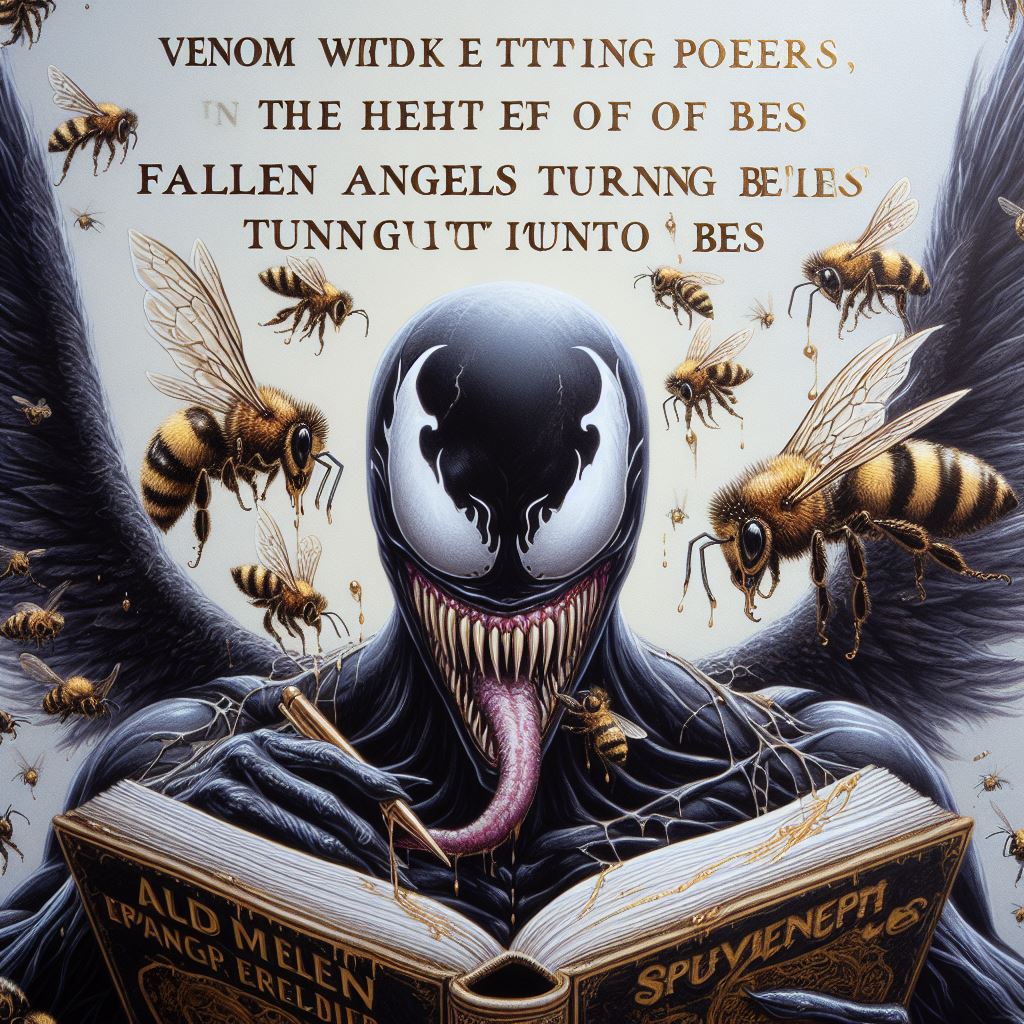
Description This poem delves into the complex relationship between creativity, manipulation, and consequences. The narrator describes how they became comfortable in their “villainous state,” using others (referred to metaphorically as “My Little Busy Bees”) to fuel their artistic output without facing creative blocks. However, the poem takes a dark turn when these “bees” rebel against…
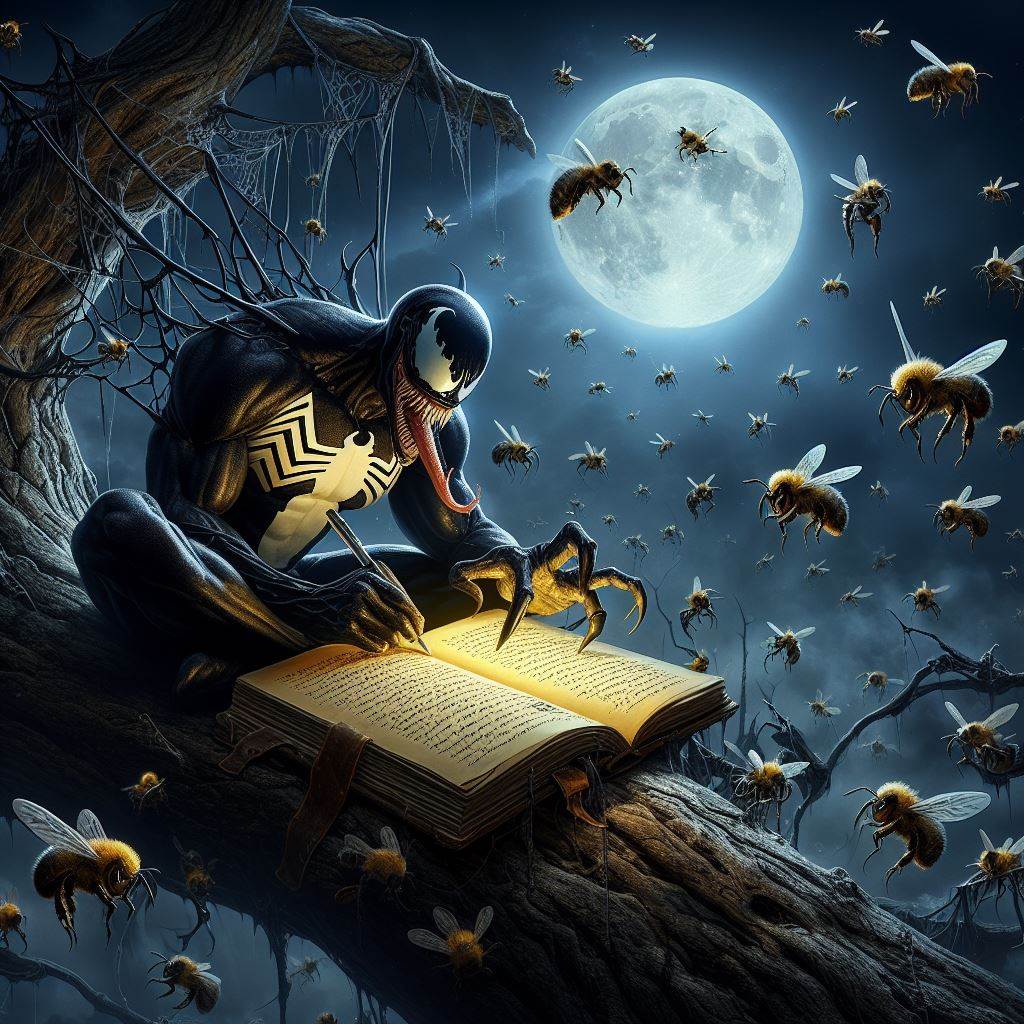
Description This poem portrays a dark and intense imagery, likening fallen angels to slaves, bound in chains like busy bees, working tirelessly to produce venomous honey. The speaker consumes this honey to nourish their creative soul, drawing parallels to the symbiotic relationship between Peter Parker and the venom suit in Spider-Man lore. The act of…

Description This poem delves into the intricate depths of the speaker’s inner turmoil and existential journey, using vivid imagery and poignant symbolism to convey their emotional landscape. The opening line, “Has long as my pride forever exists,” sets the tone for a contemplation on the enduring nature of pride and its implications for the speaker’s…
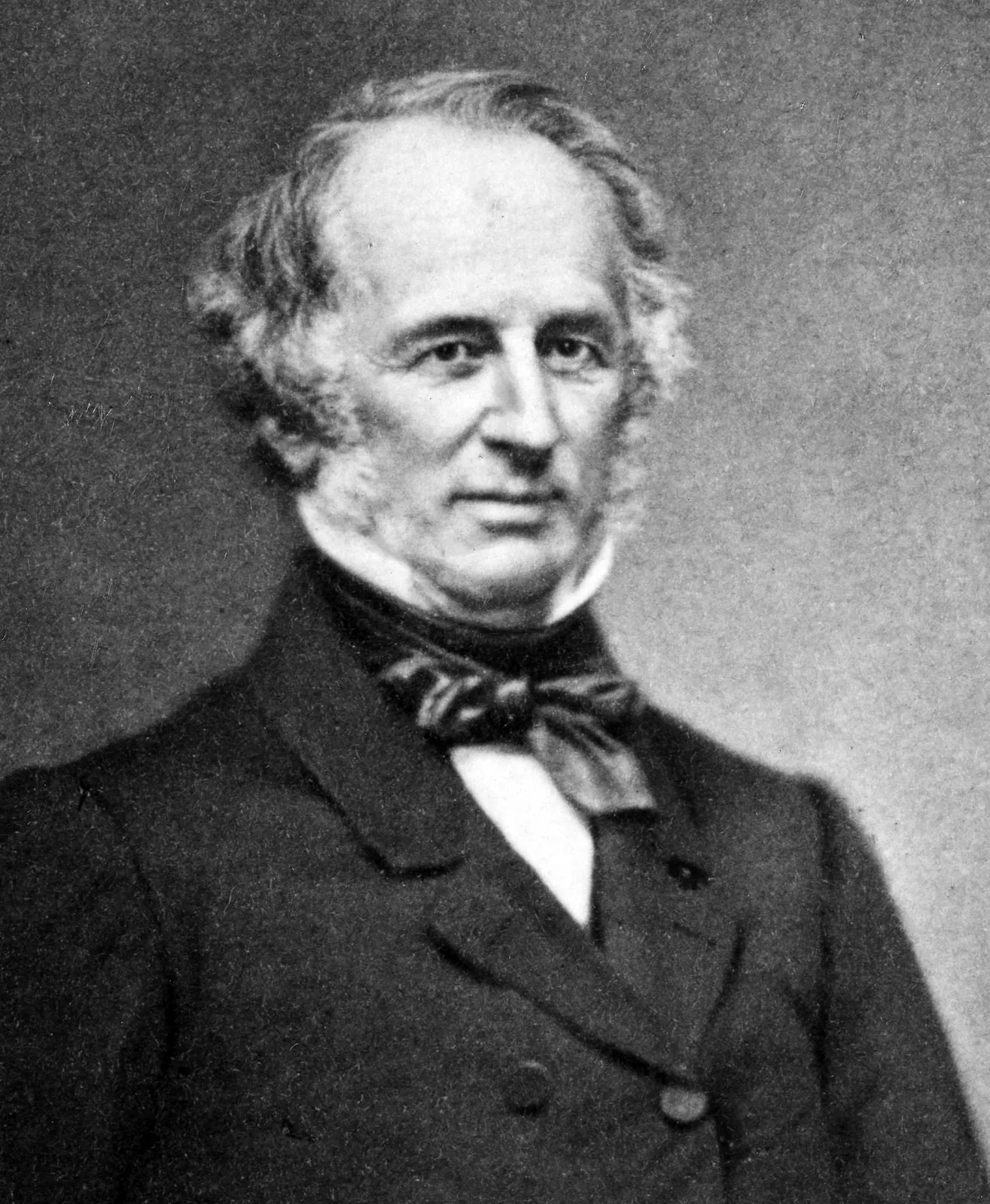
Description This poem delves into the contemplation of inheriting generational wealth and the weighty decisions that come with it. It begins by acknowledging the imminent transfer of wealth from previous generations into the speaker’s hands, presenting a moment of both anticipation and reflection. The speaker grapples with a pivotal decision: whether to indulge in their…

Description This poem paints a vivid picture of a person grappling with the pervasive presence of evil in the world. The metaphor of the “evil rain” symbolizes the negativity, corruption, and shame that surrounds them. The speaker seeks refuge under their umbrella, a symbolic shield against the malevolent forces. Despite their efforts to protect themselves,…
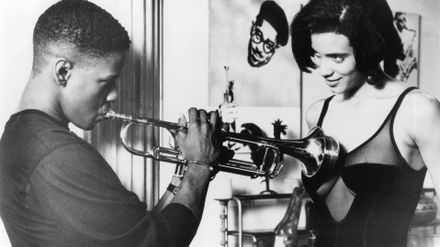
Description This poem captures the essence of a seductive encounter, drawing the reader into a spellbinding experience of desire and passion. The speaker exudes confidence as they perceive the effect they have on their subject, recognizing the power of their gaze and the allure of their seductive eyes. The imagery is rich and evocative, likening…
Description This poem captures the speaker’s inner conflict between indulging in revolutionary thoughts and being drawn back to the enchanting presence of the girl they admire. The phrase “summer knights” suggests a time of warmth and leisure, perhaps symbolizing a period of reflection and introspection. The speaker’s mind is filled with thoughts of societal ideals,…

Description Prince, the unparalleled creativity machine in the music industry, set a standard for prolific output that remains unmatched. Despite the likelihood of never reaching a fraction of his creative volume, delving into his process reveals invaluable lessons applicable to any aspiring artist or creator. Here are six profound takeaways from Prince’s innovative approach: By…

Description This poem seems to depict the rise and fall of a drug lord, reflecting on the themes of power, wealth, and consequences. At the beginning, the speaker boasts about their immense wealth and power, suggesting a sense of arrogance and superiority over others in their trade. They acknowledge the harm caused to their customers…
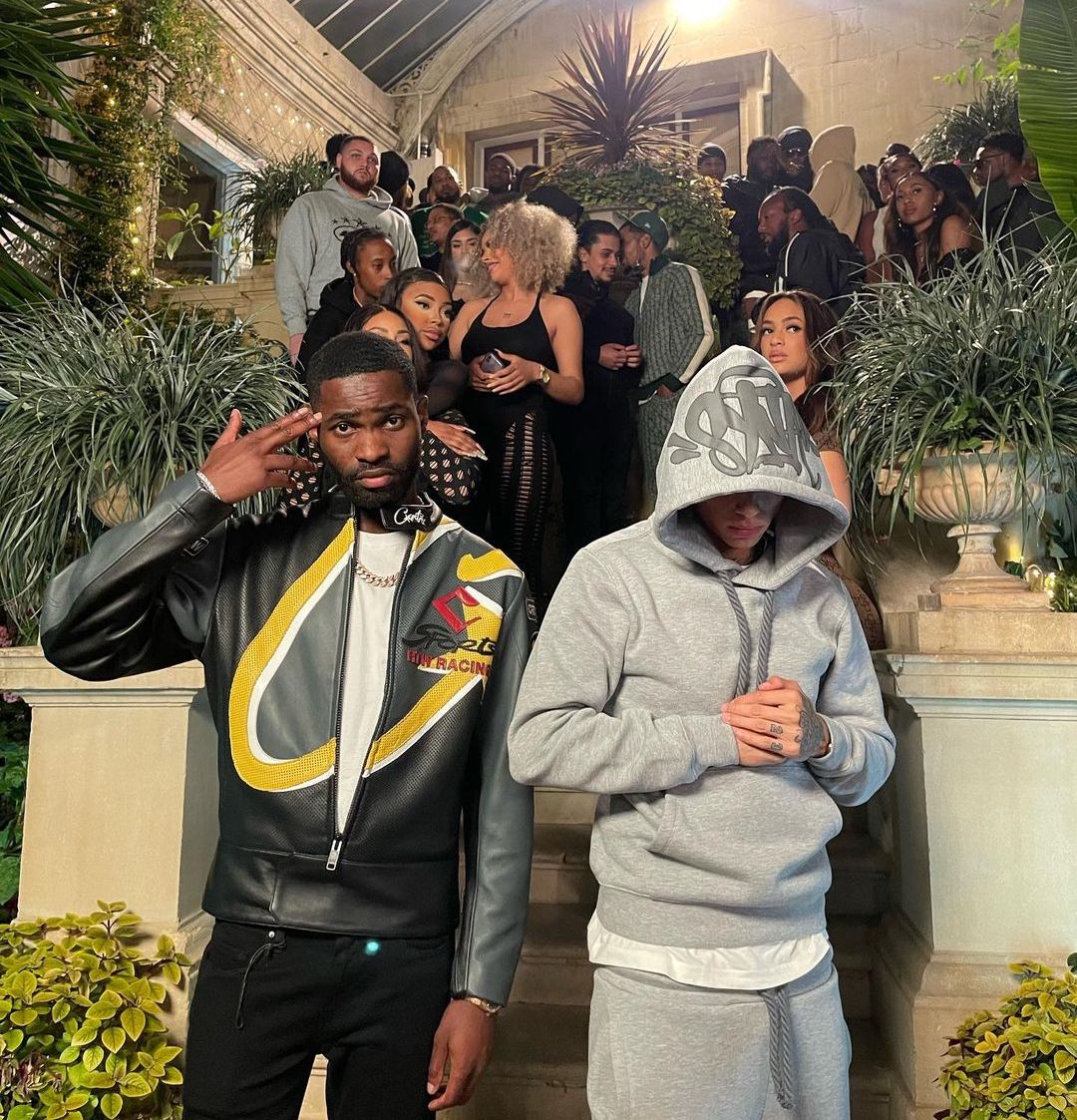
Description This poem captures the intense inner turmoil of a person grappling with their own demons while navigating the complexities of fame and fortune. The opening line, “Holding my own poetic gun to my brain,” immediately sets a tone of desperation and internal conflict, suggesting a struggle with self-destructive thoughts. The writer acknowledges the weight…
Poem Tread :
Inspired By :
Description This poem delves into the complex relationship between creativity, manipulation, and consequences. The narrator describes how they became comfortable in their “villainous state,” using others (referred to metaphorically as “My Little Busy Bees”) to fuel their artistic output without facing creative blocks. However, the poem takes a dark turn when these “bees” rebel against…
Description This poem portrays a dark and intense imagery, likening fallen angels to slaves, bound in chains like busy bees, working tirelessly to produce venomous honey. The speaker consumes this honey to nourish their creative soul, drawing parallels to the symbiotic relationship between Peter Parker and the venom suit in Spider-Man lore. The act of…
Description This poem delves into the intricate depths of the speaker’s inner turmoil and existential journey, using vivid imagery and poignant symbolism to convey their emotional landscape. The opening line, “Has long as my pride forever exists,” sets the tone for a contemplation on the enduring nature of pride and its implications for the speaker’s…
Description This poem delves into the contemplation of inheriting generational wealth and the weighty decisions that come with it. It begins by acknowledging the imminent transfer of wealth from previous generations into the speaker’s hands, presenting a moment of both anticipation and reflection. The speaker grapples with a pivotal decision: whether to indulge in their…
Description This poem paints a vivid picture of a person grappling with the pervasive presence of evil in the world. The metaphor of the “evil rain” symbolizes the negativity, corruption, and shame that surrounds them. The speaker seeks refuge under their umbrella, a symbolic shield against the malevolent forces. Despite their efforts to protect themselves,…
Description This poem captures the essence of a seductive encounter, drawing the reader into a spellbinding experience of desire and passion. The speaker exudes confidence as they perceive the effect they have on their subject, recognizing the power of their gaze and the allure of their seductive eyes. The imagery is rich and evocative, likening…
Description This poem captures the speaker’s inner conflict between indulging in revolutionary thoughts and being drawn back to the enchanting presence of the girl they admire. The phrase “summer knights” suggests a time of warmth and leisure, perhaps symbolizing a period of reflection and introspection. The speaker’s mind is filled with thoughts of societal ideals,…
Description Prince, the unparalleled creativity machine in the music industry, set a standard for prolific output that remains unmatched. Despite the likelihood of never reaching a fraction of his creative volume, delving into his process reveals invaluable lessons applicable to any aspiring artist or creator. Here are six profound takeaways from Prince’s innovative approach: By…
Description This poem seems to depict the rise and fall of a drug lord, reflecting on the themes of power, wealth, and consequences. At the beginning, the speaker boasts about their immense wealth and power, suggesting a sense of arrogance and superiority over others in their trade. They acknowledge the harm caused to their customers…
Description This poem captures the intense inner turmoil of a person grappling with their own demons while navigating the complexities of fame and fortune. The opening line, “Holding my own poetic gun to my brain,” immediately sets a tone of desperation and internal conflict, suggesting a struggle with self-destructive thoughts. The writer acknowledges the weight…
Details :
Explore the powerful parallels between Jay-Z’s “I Know” and Tragic Hero’s “Mercy,” two hip-hop tracks that personify addiction as a seductive woman. Through vivid metaphors of lust, materialism, and dependency, both songs delve into the emotional and physical toll of temptation, with Jay-Z’s confident swagger contrasting Tragic Hero’s introspective struggle.
Poem Treads :
Inspired By :
Description This poem delves into the complex relationship between creativity, manipulation, and consequences. The narrator describes how they became comfortable in their “villainous state,” using others (referred to metaphorically as “My Little Busy Bees”) to fuel their artistic output without facing creative blocks. However, the poem takes a dark turn when these “bees” rebel against…
Description This poem portrays a dark and intense imagery, likening fallen angels to slaves, bound in chains like busy bees, working tirelessly to produce venomous honey. The speaker consumes this honey to nourish their creative soul, drawing parallels to the symbiotic relationship between Peter Parker and the venom suit in Spider-Man lore. The act of…
Description This poem delves into the intricate depths of the speaker’s inner turmoil and existential journey, using vivid imagery and poignant symbolism to convey their emotional landscape. The opening line, “Has long as my pride forever exists,” sets the tone for a contemplation on the enduring nature of pride and its implications for the speaker’s…
Description This poem delves into the contemplation of inheriting generational wealth and the weighty decisions that come with it. It begins by acknowledging the imminent transfer of wealth from previous generations into the speaker’s hands, presenting a moment of both anticipation and reflection. The speaker grapples with a pivotal decision: whether to indulge in their…
Description This poem paints a vivid picture of a person grappling with the pervasive presence of evil in the world. The metaphor of the “evil rain” symbolizes the negativity, corruption, and shame that surrounds them. The speaker seeks refuge under their umbrella, a symbolic shield against the malevolent forces. Despite their efforts to protect themselves,…
Description This poem captures the essence of a seductive encounter, drawing the reader into a spellbinding experience of desire and passion. The speaker exudes confidence as they perceive the effect they have on their subject, recognizing the power of their gaze and the allure of their seductive eyes. The imagery is rich and evocative, likening…
Description This poem captures the speaker’s inner conflict between indulging in revolutionary thoughts and being drawn back to the enchanting presence of the girl they admire. The phrase “summer knights” suggests a time of warmth and leisure, perhaps symbolizing a period of reflection and introspection. The speaker’s mind is filled with thoughts of societal ideals,…
Description Prince, the unparalleled creativity machine in the music industry, set a standard for prolific output that remains unmatched. Despite the likelihood of never reaching a fraction of his creative volume, delving into his process reveals invaluable lessons applicable to any aspiring artist or creator. Here are six profound takeaways from Prince’s innovative approach: By…
Description This poem seems to depict the rise and fall of a drug lord, reflecting on the themes of power, wealth, and consequences. At the beginning, the speaker boasts about their immense wealth and power, suggesting a sense of arrogance and superiority over others in their trade. They acknowledge the harm caused to their customers…
Description This poem captures the intense inner turmoil of a person grappling with their own demons while navigating the complexities of fame and fortune. The opening line, “Holding my own poetic gun to my brain,” immediately sets a tone of desperation and internal conflict, suggesting a struggle with self-destructive thoughts. The writer acknowledges the weight…
Poem Tread :
Inspired By :
Description This poem delves into the complex relationship between creativity, manipulation, and consequences. The narrator describes how they became comfortable in their “villainous state,” using others (referred to metaphorically as “My Little Busy Bees”) to fuel their artistic output without facing creative blocks. However, the poem takes a dark turn when these “bees” rebel against…
Description This poem portrays a dark and intense imagery, likening fallen angels to slaves, bound in chains like busy bees, working tirelessly to produce venomous honey. The speaker consumes this honey to nourish their creative soul, drawing parallels to the symbiotic relationship between Peter Parker and the venom suit in Spider-Man lore. The act of…
Description This poem delves into the intricate depths of the speaker’s inner turmoil and existential journey, using vivid imagery and poignant symbolism to convey their emotional landscape. The opening line, “Has long as my pride forever exists,” sets the tone for a contemplation on the enduring nature of pride and its implications for the speaker’s…
Description This poem delves into the contemplation of inheriting generational wealth and the weighty decisions that come with it. It begins by acknowledging the imminent transfer of wealth from previous generations into the speaker’s hands, presenting a moment of both anticipation and reflection. The speaker grapples with a pivotal decision: whether to indulge in their…
Description This poem paints a vivid picture of a person grappling with the pervasive presence of evil in the world. The metaphor of the “evil rain” symbolizes the negativity, corruption, and shame that surrounds them. The speaker seeks refuge under their umbrella, a symbolic shield against the malevolent forces. Despite their efforts to protect themselves,…
Description This poem captures the essence of a seductive encounter, drawing the reader into a spellbinding experience of desire and passion. The speaker exudes confidence as they perceive the effect they have on their subject, recognizing the power of their gaze and the allure of their seductive eyes. The imagery is rich and evocative, likening…
Description This poem captures the speaker’s inner conflict between indulging in revolutionary thoughts and being drawn back to the enchanting presence of the girl they admire. The phrase “summer knights” suggests a time of warmth and leisure, perhaps symbolizing a period of reflection and introspection. The speaker’s mind is filled with thoughts of societal ideals,…
Description Prince, the unparalleled creativity machine in the music industry, set a standard for prolific output that remains unmatched. Despite the likelihood of never reaching a fraction of his creative volume, delving into his process reveals invaluable lessons applicable to any aspiring artist or creator. Here are six profound takeaways from Prince’s innovative approach: By…
Description This poem seems to depict the rise and fall of a drug lord, reflecting on the themes of power, wealth, and consequences. At the beginning, the speaker boasts about their immense wealth and power, suggesting a sense of arrogance and superiority over others in their trade. They acknowledge the harm caused to their customers…
Description This poem captures the intense inner turmoil of a person grappling with their own demons while navigating the complexities of fame and fortune. The opening line, “Holding my own poetic gun to my brain,” immediately sets a tone of desperation and internal conflict, suggesting a struggle with self-destructive thoughts. The writer acknowledges the weight…
Substack Blog

Other Blogs
Inspired By :
Description This poem delves into the complex relationship between creativity, manipulation, and consequences. The narrator describes how they became comfortable in their “villainous state,” using others (referred to metaphorically as “My Little Busy Bees”) to fuel their artistic output without facing creative blocks. However, the poem takes a dark turn when these “bees” rebel against…
Description This poem portrays a dark and intense imagery, likening fallen angels to slaves, bound in chains like busy bees, working tirelessly to produce venomous honey. The speaker consumes this honey to nourish their creative soul, drawing parallels to the symbiotic relationship between Peter Parker and the venom suit in Spider-Man lore. The act of…
Description This poem delves into the intricate depths of the speaker’s inner turmoil and existential journey, using vivid imagery and poignant symbolism to convey their emotional landscape. The opening line, “Has long as my pride forever exists,” sets the tone for a contemplation on the enduring nature of pride and its implications for the speaker’s…
Description This poem delves into the contemplation of inheriting generational wealth and the weighty decisions that come with it. It begins by acknowledging the imminent transfer of wealth from previous generations into the speaker’s hands, presenting a moment of both anticipation and reflection. The speaker grapples with a pivotal decision: whether to indulge in their…
Description This poem paints a vivid picture of a person grappling with the pervasive presence of evil in the world. The metaphor of the “evil rain” symbolizes the negativity, corruption, and shame that surrounds them. The speaker seeks refuge under their umbrella, a symbolic shield against the malevolent forces. Despite their efforts to protect themselves,…
Description This poem captures the essence of a seductive encounter, drawing the reader into a spellbinding experience of desire and passion. The speaker exudes confidence as they perceive the effect they have on their subject, recognizing the power of their gaze and the allure of their seductive eyes. The imagery is rich and evocative, likening…
Description This poem captures the speaker’s inner conflict between indulging in revolutionary thoughts and being drawn back to the enchanting presence of the girl they admire. The phrase “summer knights” suggests a time of warmth and leisure, perhaps symbolizing a period of reflection and introspection. The speaker’s mind is filled with thoughts of societal ideals,…
Description Prince, the unparalleled creativity machine in the music industry, set a standard for prolific output that remains unmatched. Despite the likelihood of never reaching a fraction of his creative volume, delving into his process reveals invaluable lessons applicable to any aspiring artist or creator. Here are six profound takeaways from Prince’s innovative approach: By…
Description This poem seems to depict the rise and fall of a drug lord, reflecting on the themes of power, wealth, and consequences. At the beginning, the speaker boasts about their immense wealth and power, suggesting a sense of arrogance and superiority over others in their trade. They acknowledge the harm caused to their customers…
Description This poem captures the intense inner turmoil of a person grappling with their own demons while navigating the complexities of fame and fortune. The opening line, “Holding my own poetic gun to my brain,” immediately sets a tone of desperation and internal conflict, suggesting a struggle with self-destructive thoughts. The writer acknowledges the weight…
Substack Blog

Other Blogs
Inspired By :