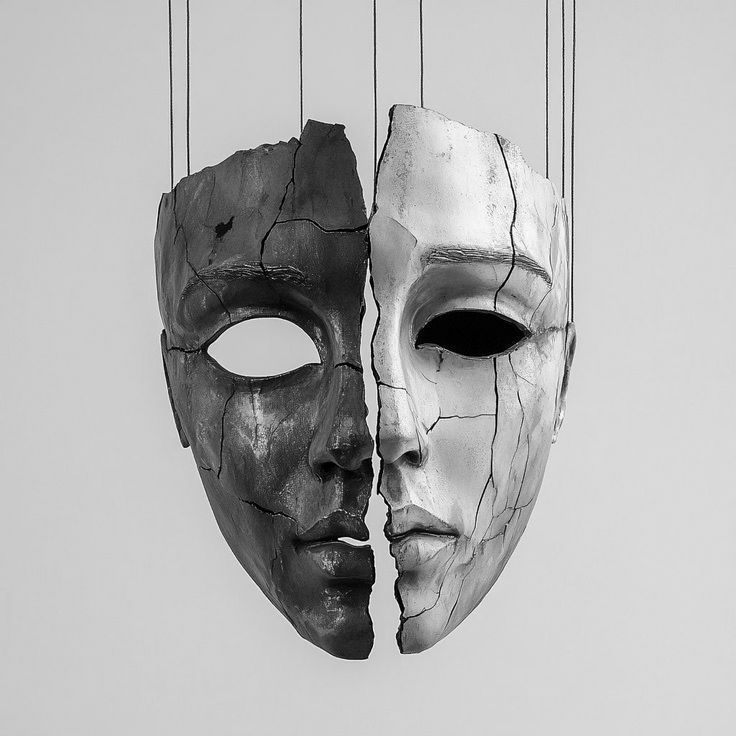
Intro There’s a quiet tension that builds when who you are begins to drift from who you appear to be. On the surface, everything can look polished—confidence, success, admiration—but beneath it, something unsettled lingers, asking whether any of it is real. It’s easy to construct a version of yourself that earns approval, to perform a…
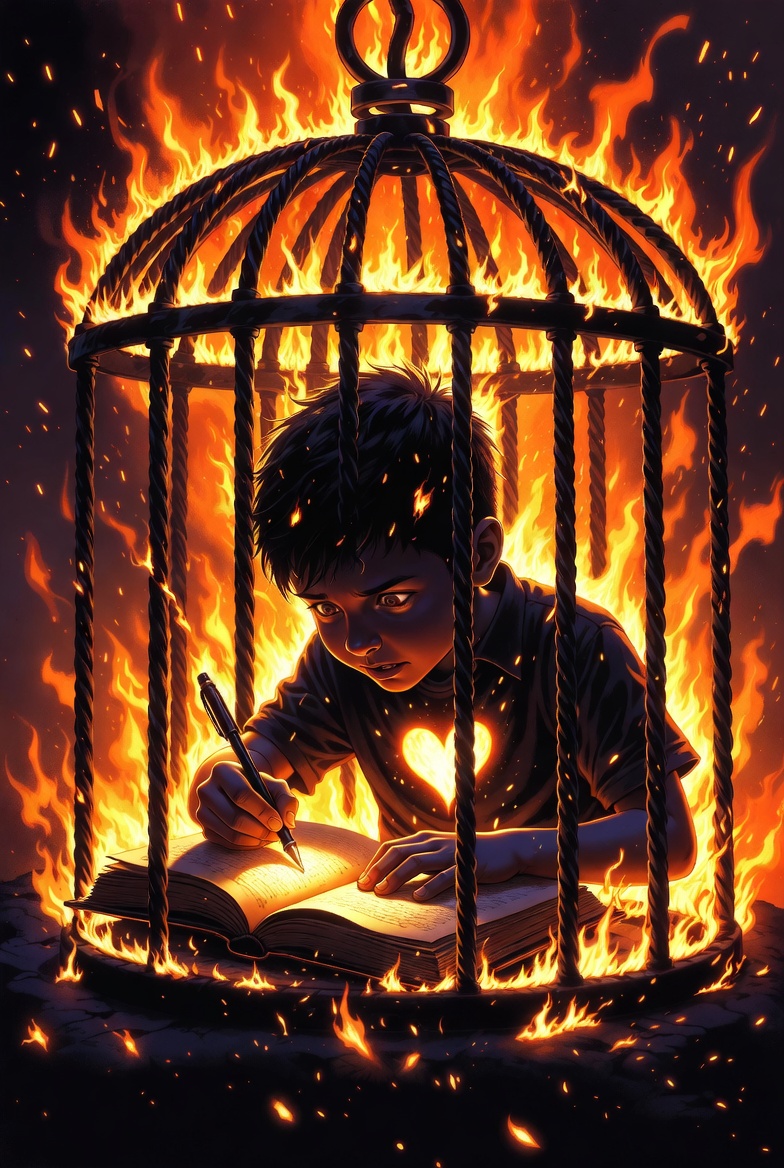
Intro In the suffocating silence of my darkest room, with only a single flickering candle fighting against the shadows, I wrote “Feeling Low” as a raw creative outpouring of my soul. This poem captures the exact moment when I was drowning in despair craving a high like winning the lotto, begging my creativity to reignite…
Intro Creativity doesn’t arrive gently it surges, wild and uncontained, rising from somewhere deep within like a force that refuses silence. It begins as a quiet tension, a flicker beneath thought, then swells into something undeniable, pressing against the ribs, demanding release. It crackles through the mind, igniting ideas faster than they can be contained,…
This series of blogs explores how lust begins as a subtle pull but evolves into an inner war—one that can distort judgment, cloud reason, and awaken darker impulses. It delves into the uneasy battleground where desire and evil quietly intertwine, shaping a conflict within the self.
Intro I’ve been drifting through the chaos of life like a ship on a stormy sea, every wave testing the strength of my soul, every shadow reflecting a piece of me I’m still learning to understand. The world moves fast, indifferent to the storms inside a single heart, and I’ve learned that dreams are fragile…
Intro In the shadowed theatre of the human spirit, where ghosts of yesterday clash violently with the fragile promise of tomorrow, I catch fleeting glimpses of Triumph shimmering on the distant horizon like a defiant beacon. My troubled past charges at me with ferocious might, its claws sinking deep into my shoulders, weighing me down…
Intro In the shadowed theatre of the human spirit, where ghosts of yesterday clash violently with the fragile promise of tomorrow, I catch fleeting glimpses of Triumph shimmering on the distant horizon like a defiant beacon. My troubled past charges at me with ferocious might, its claws sinking deep into my shoulders, weighing me down…
Intro Faith feels like a sharp blade in my own hands, slicing clean through the fear that was slowly moulded into a wild, raging beast inside me throughout all those horrific years. I watched that fear grow teeth and claws, feeding on every nightmare, every betrayal, every moment I thought I wouldn’t survive. But Yeshua…
Intro And so, from the very ashes that once threatened to bury me, I emerge complete—no longer scorched by pretty magic or haunted by manic disappointment in sacred spaces. The static has dissolved, the tropical storm inside has calmed into steady flame, and the phoenix that was born in pain now spreads its wings with…
IntroAnd so, from the very ashes that once threatened to bury me, I emerge complete—no longer scorched by pretty magic or haunted by manic disappointment in sacred spaces. The static has dissolved, the tropical storm inside has calmed into steady flame, and the phoenix that was born in pain now spreads its wings with quiet…
This poem is for people haunted by eyes that once sparkled with wonder, now overflowing with ruin.
She chose and obsessed—to go to the soul cage. I wrote this once I saw: love without real caution is just code waiting to flood. Faith sank deeper when pretence ended and her obsession met my disarray. No sermon here just the confession of waves that overwhelmed what she pursued.
Conclusion
Love that surges without invitation is violence disguised as depth—my rage proved it merciless. She came as mermaid, seeking hidden seas; she left hollow, drowned by what I could not contain. In the silence after the flood, I hold only echoes and the weight of what I almost kept. If this stirs you, it is freedom calling—love true never refuses the mercy of goodbye
Intro There’s a quiet tension that builds when who you are begins to drift from who you appear to be. On the surface, everything can look polished—confidence, success, admiration—but beneath it, something unsettled lingers, asking whether any of it is real. It’s easy to construct a version of yourself that earns approval, to perform a…
Intro In the suffocating silence of my darkest room, with only a single flickering candle fighting against the shadows, I wrote “Feeling Low” as a raw creative outpouring of my soul. This poem captures the exact moment when I was drowning in despair craving a high like winning the lotto, begging my creativity to reignite…
Intro Creativity doesn’t arrive gently it surges, wild and uncontained, rising from somewhere deep within like a force that refuses silence. It begins as a quiet tension, a flicker beneath thought, then swells into something undeniable, pressing against the ribs, demanding release. It crackles through the mind, igniting ideas faster than they can be contained,…
This series of blogs explores how lust begins as a subtle pull but evolves into an inner war—one that can distort judgment, cloud reason, and awaken darker impulses. It delves into the uneasy battleground where desire and evil quietly intertwine, shaping a conflict within the self.
Intro I’ve been drifting through the chaos of life like a ship on a stormy sea, every wave testing the strength of my soul, every shadow reflecting a piece of me I’m still learning to understand. The world moves fast, indifferent to the storms inside a single heart, and I’ve learned that dreams are fragile…
Intro In the shadowed theatre of the human spirit, where ghosts of yesterday clash violently with the fragile promise of tomorrow, I catch fleeting glimpses of Triumph shimmering on the distant horizon like a defiant beacon. My troubled past charges at me with ferocious might, its claws sinking deep into my shoulders, weighing me down…
Intro In the shadowed theatre of the human spirit, where ghosts of yesterday clash violently with the fragile promise of tomorrow, I catch fleeting glimpses of Triumph shimmering on the distant horizon like a defiant beacon. My troubled past charges at me with ferocious might, its claws sinking deep into my shoulders, weighing me down…
Intro Faith feels like a sharp blade in my own hands, slicing clean through the fear that was slowly moulded into a wild, raging beast inside me throughout all those horrific years. I watched that fear grow teeth and claws, feeding on every nightmare, every betrayal, every moment I thought I wouldn’t survive. But Yeshua…
Intro And so, from the very ashes that once threatened to bury me, I emerge complete—no longer scorched by pretty magic or haunted by manic disappointment in sacred spaces. The static has dissolved, the tropical storm inside has calmed into steady flame, and the phoenix that was born in pain now spreads its wings with…
IntroAnd so, from the very ashes that once threatened to bury me, I emerge complete—no longer scorched by pretty magic or haunted by manic disappointment in sacred spaces. The static has dissolved, the tropical storm inside has calmed into steady flame, and the phoenix that was born in pain now spreads its wings with quiet…
The poem “Eminently…” by Joseph Le Artist captures the double-edged nature of ecstasy: an overwhelming force that initially electrifies the soul and psychology but ultimately acts as a curse, pinning the speaker down like a fallen angel chained to earth. This intoxicating high feeds vices, nightmares, and a once-heartless existence, revealing itself as bondage rather than freedom. The true turning point arrives through deliberate purging—a painful yet liberating process of confronting and expelling demonic inner forces.
What emerges is genuine healing: an intimate reconnection with soberness that hushes chaos, restores emotional depth, and transforms a hardened heart into one capable of renewal. The core takeaway is clear—unchecked ecstasy leads to spiritual and psychological imprisonment, while intentional release and grounded clarity pave the way to authentic wholeness.In practical terms, the poem offers a roadmap for anyone wrestling with destructive highs, whether emotional, addictive, or obsessive.
First, recognize when euphoria becomes a chain by tracking its signs (racing thoughts, detachment, escalating vices) and choosing to purge rather than indulge—through detox, shadow work, physical release, or creative expression like poetry itself. Then, cultivate steady intimacy with soberness via daily grounding practices (mindfulness, nature, meaningful connections) and consistent inner battles against lingering patterns. If the struggle feels overwhelming, seek support from therapy, communities, or spiritual guidance. The poem’s hopeful arc reminds us: healing isn’t about avoiding highs entirely but refusing to let them rule. By embracing the purge as sacred work, what once felt like a curse becomes the catalyst for a more resilient, authentic life.
Intro There’s a quiet tension that builds when who you are begins to drift from who you appear to be. On the surface, everything can look polished—confidence, success, admiration—but beneath it, something unsettled lingers, asking whether any of it is real. It’s easy to construct a version of yourself that earns approval, to perform a…
Intro In the suffocating silence of my darkest room, with only a single flickering candle fighting against the shadows, I wrote “Feeling Low” as a raw creative outpouring of my soul. This poem captures the exact moment when I was drowning in despair craving a high like winning the lotto, begging my creativity to reignite…
Intro Creativity doesn’t arrive gently it surges, wild and uncontained, rising from somewhere deep within like a force that refuses silence. It begins as a quiet tension, a flicker beneath thought, then swells into something undeniable, pressing against the ribs, demanding release. It crackles through the mind, igniting ideas faster than they can be contained,…
This series of blogs explores how lust begins as a subtle pull but evolves into an inner war—one that can distort judgment, cloud reason, and awaken darker impulses. It delves into the uneasy battleground where desire and evil quietly intertwine, shaping a conflict within the self.
Intro I’ve been drifting through the chaos of life like a ship on a stormy sea, every wave testing the strength of my soul, every shadow reflecting a piece of me I’m still learning to understand. The world moves fast, indifferent to the storms inside a single heart, and I’ve learned that dreams are fragile…
Intro In the shadowed theatre of the human spirit, where ghosts of yesterday clash violently with the fragile promise of tomorrow, I catch fleeting glimpses of Triumph shimmering on the distant horizon like a defiant beacon. My troubled past charges at me with ferocious might, its claws sinking deep into my shoulders, weighing me down…
Intro In the shadowed theatre of the human spirit, where ghosts of yesterday clash violently with the fragile promise of tomorrow, I catch fleeting glimpses of Triumph shimmering on the distant horizon like a defiant beacon. My troubled past charges at me with ferocious might, its claws sinking deep into my shoulders, weighing me down…
Intro Faith feels like a sharp blade in my own hands, slicing clean through the fear that was slowly moulded into a wild, raging beast inside me throughout all those horrific years. I watched that fear grow teeth and claws, feeding on every nightmare, every betrayal, every moment I thought I wouldn’t survive. But Yeshua…
Intro And so, from the very ashes that once threatened to bury me, I emerge complete—no longer scorched by pretty magic or haunted by manic disappointment in sacred spaces. The static has dissolved, the tropical storm inside has calmed into steady flame, and the phoenix that was born in pain now spreads its wings with…
IntroAnd so, from the very ashes that once threatened to bury me, I emerge complete—no longer scorched by pretty magic or haunted by manic disappointment in sacred spaces. The static has dissolved, the tropical storm inside has calmed into steady flame, and the phoenix that was born in pain now spreads its wings with quiet…
Intro There’s a quiet tension that builds when who you are begins to drift from who you appear to be. On the surface, everything can look polished—confidence, success, admiration—but beneath it, something unsettled lingers, asking whether any of it is real. It’s easy to construct a version of yourself that earns approval, to perform a…
Intro In the suffocating silence of my darkest room, with only a single flickering candle fighting against the shadows, I wrote “Feeling Low” as a raw creative outpouring of my soul. This poem captures the exact moment when I was drowning in despair craving a high like winning the lotto, begging my creativity to reignite…
Intro Creativity doesn’t arrive gently it surges, wild and uncontained, rising from somewhere deep within like a force that refuses silence. It begins as a quiet tension, a flicker beneath thought, then swells into something undeniable, pressing against the ribs, demanding release. It crackles through the mind, igniting ideas faster than they can be contained,…
This series of blogs explores how lust begins as a subtle pull but evolves into an inner war—one that can distort judgment, cloud reason, and awaken darker impulses. It delves into the uneasy battleground where desire and evil quietly intertwine, shaping a conflict within the self.
Intro I’ve been drifting through the chaos of life like a ship on a stormy sea, every wave testing the strength of my soul, every shadow reflecting a piece of me I’m still learning to understand. The world moves fast, indifferent to the storms inside a single heart, and I’ve learned that dreams are fragile…
Intro In the shadowed theatre of the human spirit, where ghosts of yesterday clash violently with the fragile promise of tomorrow, I catch fleeting glimpses of Triumph shimmering on the distant horizon like a defiant beacon. My troubled past charges at me with ferocious might, its claws sinking deep into my shoulders, weighing me down…
Intro In the shadowed theatre of the human spirit, where ghosts of yesterday clash violently with the fragile promise of tomorrow, I catch fleeting glimpses of Triumph shimmering on the distant horizon like a defiant beacon. My troubled past charges at me with ferocious might, its claws sinking deep into my shoulders, weighing me down…
Intro Faith feels like a sharp blade in my own hands, slicing clean through the fear that was slowly moulded into a wild, raging beast inside me throughout all those horrific years. I watched that fear grow teeth and claws, feeding on every nightmare, every betrayal, every moment I thought I wouldn’t survive. But Yeshua…
Intro And so, from the very ashes that once threatened to bury me, I emerge complete—no longer scorched by pretty magic or haunted by manic disappointment in sacred spaces. The static has dissolved, the tropical storm inside has calmed into steady flame, and the phoenix that was born in pain now spreads its wings with…
IntroAnd so, from the very ashes that once threatened to bury me, I emerge complete—no longer scorched by pretty magic or haunted by manic disappointment in sacred spaces. The static has dissolved, the tropical storm inside has calmed into steady flame, and the phoenix that was born in pain now spreads its wings with quiet…
The strangest thing about human desire is its capacity to clothe illusion in the radiance of truth. We behold the caramel glow of skin, the flowing mane of hair, the whispered “Papi” that promises to uproot mountains, and we name it beauty—perhaps even salvation. Yet beneath the sunlit surface lies an upside-down dimension, a realm where warmth is merely the finest mirage cast by hidden vengeance.
The soul, drawn inexorably toward the light, mistakes the heated ray for nourishment, watering a garden long deprived, only to discover that the beams scorch rather than revive. In this dance of attraction and deception, we reveal our deepest fragility: the willingness to trade the integrity of our own essence for the fleeting illusion of connection. Thus, the ultimate strangeness lies not in her manipulative intent, but in our quiet refusal to surrender. To withhold the soul is not mere defense; it is the silent affirmation of an inner equilibrium that no external force—no matter how seductive—can truly displace. In guarding what cannot be twisted, we acknowledge a deeper truth: genuine radiance needs no possession, and true gardens bloom not from borrowed suns, but from the steady light we cultivate within. The strangest, and perhaps most liberating, thing is this unyielding core that observes the illusion, feels its pull, and yet remains unmoved—forever one in a million, not because it is rare, but because it chooses to remain whole.
Intro There’s a quiet tension that builds when who you are begins to drift from who you appear to be. On the surface, everything can look polished—confidence, success, admiration—but beneath it, something unsettled lingers, asking whether any of it is real. It’s easy to construct a version of yourself that earns approval, to perform a…
Intro In the suffocating silence of my darkest room, with only a single flickering candle fighting against the shadows, I wrote “Feeling Low” as a raw creative outpouring of my soul. This poem captures the exact moment when I was drowning in despair craving a high like winning the lotto, begging my creativity to reignite…
Intro Creativity doesn’t arrive gently it surges, wild and uncontained, rising from somewhere deep within like a force that refuses silence. It begins as a quiet tension, a flicker beneath thought, then swells into something undeniable, pressing against the ribs, demanding release. It crackles through the mind, igniting ideas faster than they can be contained,…
This series of blogs explores how lust begins as a subtle pull but evolves into an inner war—one that can distort judgment, cloud reason, and awaken darker impulses. It delves into the uneasy battleground where desire and evil quietly intertwine, shaping a conflict within the self.
Intro I’ve been drifting through the chaos of life like a ship on a stormy sea, every wave testing the strength of my soul, every shadow reflecting a piece of me I’m still learning to understand. The world moves fast, indifferent to the storms inside a single heart, and I’ve learned that dreams are fragile…
Intro In the shadowed theatre of the human spirit, where ghosts of yesterday clash violently with the fragile promise of tomorrow, I catch fleeting glimpses of Triumph shimmering on the distant horizon like a defiant beacon. My troubled past charges at me with ferocious might, its claws sinking deep into my shoulders, weighing me down…
Intro In the shadowed theatre of the human spirit, where ghosts of yesterday clash violently with the fragile promise of tomorrow, I catch fleeting glimpses of Triumph shimmering on the distant horizon like a defiant beacon. My troubled past charges at me with ferocious might, its claws sinking deep into my shoulders, weighing me down…
Intro Faith feels like a sharp blade in my own hands, slicing clean through the fear that was slowly moulded into a wild, raging beast inside me throughout all those horrific years. I watched that fear grow teeth and claws, feeding on every nightmare, every betrayal, every moment I thought I wouldn’t survive. But Yeshua…
Intro And so, from the very ashes that once threatened to bury me, I emerge complete—no longer scorched by pretty magic or haunted by manic disappointment in sacred spaces. The static has dissolved, the tropical storm inside has calmed into steady flame, and the phoenix that was born in pain now spreads its wings with…
IntroAnd so, from the very ashes that once threatened to bury me, I emerge complete—no longer scorched by pretty magic or haunted by manic disappointment in sacred spaces. The static has dissolved, the tropical storm inside has calmed into steady flame, and the phoenix that was born in pain now spreads its wings with quiet…