




Substack Blog

Other Blogs
Inspired By :

The First Tread from “Deceptive Art Of War : Israel – Palestine (Poem)”:is “Deceptive Art Unveiled: Ephesians 6:12 Explained” These current world events resemble a fine deceptive art on display.” Step into the gallery of today’s chaos—nations clashing, headlines screaming—and you’ll see a spectacle unfold. What we witness in the Israel-Palestine conflict, a struggle etched

Poem Dissected Threads Thread Thread 1 :Deceptive Art Unveiled : What Does Ephesians 6:12 Mean In Israel-Palestine Conflict ? Thread 2 : Deceptive Art Unveiled : Souls Divided over Israel – Palestine Thread 3 : Deceptive Art Unveiled : Those Painting the deceptive imagery From Behind the scene Thread 4 : Deceptive Art Unveiled :Ignorance On Parade Thread 5

The fourth Tread from “She Had To Go” (Poem):“The Triumph of the Few” Only a few men escaped her seductive barbarity.” The words hang heavy, a quiet monument to a victory so rare it borders on myth. Escape from her—lust draped in silk, her pulchritude a deadly snare—wasn’t a gift handed to the masses. It

The fourth Tread from “She Had To Go” (Poem):“The Taste of Memory” “Her blood touches my lips, reminiscing on the time when lust had its grip on me.” The slaughter was done, the blade of will had struck, and yet victory didn’t wipe the slate clean. Even in triumph, the residue lingers—a faint smear of

Description The Third Tread from “Had to Let Go” (Poem):“The Slaughter of Temptation” “I slaughtered lust in its flesh before it could seduce me.” The words cut as sharply as the act they describe—a visceral, deliberate strike against a force that once held me captive. There came a moment of reckoning, a crossroads where the

Description The Second Tread from “Had to Let Go” (Poem):“The Stain of Desire” All the bloodstains on me came from lustful desires in human form.” These words linger like an echo from a battlefield I never chose but couldn’t avoid. The marks I carry aren’t from battles with others—no swords or fists left these scars.

Description The First Tread from “Had to Let Go” (Poem):“Philosophy of Trials” Life is not a gentle stream—it’s a forge, a crucible where the raw, unshaped essence of who we are is thrust into the flames. The trials and tribulations I’ve faced refined my soul like iron, stripping away the brittle edges and forging something

Description I’ve just broken free from the slave ship—that relentless 9-to-5 grind—and it hits me: what is freedom if not the rejection of a life that’s been handed to me? This system, this machine of control, can’t kill my vibe because I’ve seen through its illusion. It’s not just a job I’ve escaped; it’s the

Description My neck feels like an art gallery, each chain hanging heavy around it, a showcase of my own making. Every single one of these chains tells a story—how my heart’s turning hollow and vain, emptying out with every link I add. I know I should be building something deeper, stacking up spiritual gains to

Description This poem is a heartfelt ode to a woman admired for her intellectual and spiritual depth, blending biblical devotion with a complex interplay of personal qualities. Comprising seven lines, it follows an unstructured yet rhythmic flow, with no strict rhyme scheme but a clear cadence that mirrors the speaker’s reverence. The language is rich

The First Tread from “Deceptive Art Of War : Israel – Palestine (Poem)”:is “Deceptive Art Unveiled: Ephesians 6:12 Explained” These current world events resemble a fine deceptive art on display.” Step into the gallery of today’s chaos—nations clashing, headlines screaming—and you’ll see a spectacle unfold. What we witness in the Israel-Palestine conflict, a struggle etched

Poem Dissected Threads Thread Thread 1 :Deceptive Art Unveiled : What Does Ephesians 6:12 Mean In Israel-Palestine Conflict ? Thread 2 : Deceptive Art Unveiled : Souls Divided over Israel – Palestine Thread 3 : Deceptive Art Unveiled : Those Painting the deceptive imagery From Behind the scene Thread 4 : Deceptive Art Unveiled :Ignorance On Parade Thread 5

The fourth Tread from “She Had To Go” (Poem):“The Triumph of the Few” Only a few men escaped her seductive barbarity.” The words hang heavy, a quiet monument to a victory so rare it borders on myth. Escape from her—lust draped in silk, her pulchritude a deadly snare—wasn’t a gift handed to the masses. It

The fourth Tread from “She Had To Go” (Poem):“The Taste of Memory” “Her blood touches my lips, reminiscing on the time when lust had its grip on me.” The slaughter was done, the blade of will had struck, and yet victory didn’t wipe the slate clean. Even in triumph, the residue lingers—a faint smear of

Description The Third Tread from “Had to Let Go” (Poem):“The Slaughter of Temptation” “I slaughtered lust in its flesh before it could seduce me.” The words cut as sharply as the act they describe—a visceral, deliberate strike against a force that once held me captive. There came a moment of reckoning, a crossroads where the

Description The Second Tread from “Had to Let Go” (Poem):“The Stain of Desire” All the bloodstains on me came from lustful desires in human form.” These words linger like an echo from a battlefield I never chose but couldn’t avoid. The marks I carry aren’t from battles with others—no swords or fists left these scars.

Description The First Tread from “Had to Let Go” (Poem):“Philosophy of Trials” Life is not a gentle stream—it’s a forge, a crucible where the raw, unshaped essence of who we are is thrust into the flames. The trials and tribulations I’ve faced refined my soul like iron, stripping away the brittle edges and forging something

Description I’ve just broken free from the slave ship—that relentless 9-to-5 grind—and it hits me: what is freedom if not the rejection of a life that’s been handed to me? This system, this machine of control, can’t kill my vibe because I’ve seen through its illusion. It’s not just a job I’ve escaped; it’s the

Description My neck feels like an art gallery, each chain hanging heavy around it, a showcase of my own making. Every single one of these chains tells a story—how my heart’s turning hollow and vain, emptying out with every link I add. I know I should be building something deeper, stacking up spiritual gains to

Description This poem is a heartfelt ode to a woman admired for her intellectual and spiritual depth, blending biblical devotion with a complex interplay of personal qualities. Comprising seven lines, it follows an unstructured yet rhythmic flow, with no strict rhyme scheme but a clear cadence that mirrors the speaker’s reverence. The language is rich

The First Tread from “Deceptive Art Of War : Israel – Palestine (Poem)”:is “Deceptive Art Unveiled: Ephesians 6:12 Explained” These current world events resemble a fine deceptive art on display.” Step into the gallery of today’s chaos—nations clashing, headlines screaming—and you’ll see a spectacle unfold. What we witness in the Israel-Palestine conflict, a struggle etched

Poem Dissected Threads Thread Thread 1 :Deceptive Art Unveiled : What Does Ephesians 6:12 Mean In Israel-Palestine Conflict ? Thread 2 : Deceptive Art Unveiled : Souls Divided over Israel – Palestine Thread 3 : Deceptive Art Unveiled : Those Painting the deceptive imagery From Behind the scene Thread 4 : Deceptive Art Unveiled :Ignorance On Parade Thread 5

The fourth Tread from “She Had To Go” (Poem):“The Triumph of the Few” Only a few men escaped her seductive barbarity.” The words hang heavy, a quiet monument to a victory so rare it borders on myth. Escape from her—lust draped in silk, her pulchritude a deadly snare—wasn’t a gift handed to the masses. It

The fourth Tread from “She Had To Go” (Poem):“The Taste of Memory” “Her blood touches my lips, reminiscing on the time when lust had its grip on me.” The slaughter was done, the blade of will had struck, and yet victory didn’t wipe the slate clean. Even in triumph, the residue lingers—a faint smear of

Description The Third Tread from “Had to Let Go” (Poem):“The Slaughter of Temptation” “I slaughtered lust in its flesh before it could seduce me.” The words cut as sharply as the act they describe—a visceral, deliberate strike against a force that once held me captive. There came a moment of reckoning, a crossroads where the

Description The Second Tread from “Had to Let Go” (Poem):“The Stain of Desire” All the bloodstains on me came from lustful desires in human form.” These words linger like an echo from a battlefield I never chose but couldn’t avoid. The marks I carry aren’t from battles with others—no swords or fists left these scars.

Description The First Tread from “Had to Let Go” (Poem):“Philosophy of Trials” Life is not a gentle stream—it’s a forge, a crucible where the raw, unshaped essence of who we are is thrust into the flames. The trials and tribulations I’ve faced refined my soul like iron, stripping away the brittle edges and forging something

Description I’ve just broken free from the slave ship—that relentless 9-to-5 grind—and it hits me: what is freedom if not the rejection of a life that’s been handed to me? This system, this machine of control, can’t kill my vibe because I’ve seen through its illusion. It’s not just a job I’ve escaped; it’s the

Description My neck feels like an art gallery, each chain hanging heavy around it, a showcase of my own making. Every single one of these chains tells a story—how my heart’s turning hollow and vain, emptying out with every link I add. I know I should be building something deeper, stacking up spiritual gains to

Description This poem is a heartfelt ode to a woman admired for her intellectual and spiritual depth, blending biblical devotion with a complex interplay of personal qualities. Comprising seven lines, it follows an unstructured yet rhythmic flow, with no strict rhyme scheme but a clear cadence that mirrors the speaker’s reverence. The language is rich

The First Tread from “Deceptive Art Of War : Israel – Palestine (Poem)”:is “Deceptive Art Unveiled: Ephesians 6:12 Explained” These current world events resemble a fine deceptive art on display.” Step into the gallery of today’s chaos—nations clashing, headlines screaming—and you’ll see a spectacle unfold. What we witness in the Israel-Palestine conflict, a struggle etched

Poem Dissected Threads Thread Thread 1 :Deceptive Art Unveiled : What Does Ephesians 6:12 Mean In Israel-Palestine Conflict ? Thread 2 : Deceptive Art Unveiled : Souls Divided over Israel – Palestine Thread 3 : Deceptive Art Unveiled : Those Painting the deceptive imagery From Behind the scene Thread 4 : Deceptive Art Unveiled :Ignorance On Parade Thread 5

The fourth Tread from “She Had To Go” (Poem):“The Triumph of the Few” Only a few men escaped her seductive barbarity.” The words hang heavy, a quiet monument to a victory so rare it borders on myth. Escape from her—lust draped in silk, her pulchritude a deadly snare—wasn’t a gift handed to the masses. It

The fourth Tread from “She Had To Go” (Poem):“The Taste of Memory” “Her blood touches my lips, reminiscing on the time when lust had its grip on me.” The slaughter was done, the blade of will had struck, and yet victory didn’t wipe the slate clean. Even in triumph, the residue lingers—a faint smear of

Description The Third Tread from “Had to Let Go” (Poem):“The Slaughter of Temptation” “I slaughtered lust in its flesh before it could seduce me.” The words cut as sharply as the act they describe—a visceral, deliberate strike against a force that once held me captive. There came a moment of reckoning, a crossroads where the

Description The Second Tread from “Had to Let Go” (Poem):“The Stain of Desire” All the bloodstains on me came from lustful desires in human form.” These words linger like an echo from a battlefield I never chose but couldn’t avoid. The marks I carry aren’t from battles with others—no swords or fists left these scars.

Description The First Tread from “Had to Let Go” (Poem):“Philosophy of Trials” Life is not a gentle stream—it’s a forge, a crucible where the raw, unshaped essence of who we are is thrust into the flames. The trials and tribulations I’ve faced refined my soul like iron, stripping away the brittle edges and forging something

Description I’ve just broken free from the slave ship—that relentless 9-to-5 grind—and it hits me: what is freedom if not the rejection of a life that’s been handed to me? This system, this machine of control, can’t kill my vibe because I’ve seen through its illusion. It’s not just a job I’ve escaped; it’s the

Description My neck feels like an art gallery, each chain hanging heavy around it, a showcase of my own making. Every single one of these chains tells a story—how my heart’s turning hollow and vain, emptying out with every link I add. I know I should be building something deeper, stacking up spiritual gains to

Description This poem is a heartfelt ode to a woman admired for her intellectual and spiritual depth, blending biblical devotion with a complex interplay of personal qualities. Comprising seven lines, it follows an unstructured yet rhythmic flow, with no strict rhyme scheme but a clear cadence that mirrors the speaker’s reverence. The language is rich

The First Tread from “Deceptive Art Of War : Israel – Palestine (Poem)”:is “Deceptive Art Unveiled: Ephesians 6:12 Explained” These current world events resemble a fine deceptive art on display.” Step into the gallery of today’s chaos—nations clashing, headlines screaming—and you’ll see a spectacle unfold. What we witness in the Israel-Palestine conflict, a struggle etched

Poem Dissected Threads Thread Thread 1 :Deceptive Art Unveiled : What Does Ephesians 6:12 Mean In Israel-Palestine Conflict ? Thread 2 : Deceptive Art Unveiled : Souls Divided over Israel – Palestine Thread 3 : Deceptive Art Unveiled : Those Painting the deceptive imagery From Behind the scene Thread 4 : Deceptive Art Unveiled :Ignorance On Parade Thread 5

The fourth Tread from “She Had To Go” (Poem):“The Triumph of the Few” Only a few men escaped her seductive barbarity.” The words hang heavy, a quiet monument to a victory so rare it borders on myth. Escape from her—lust draped in silk, her pulchritude a deadly snare—wasn’t a gift handed to the masses. It

The fourth Tread from “She Had To Go” (Poem):“The Taste of Memory” “Her blood touches my lips, reminiscing on the time when lust had its grip on me.” The slaughter was done, the blade of will had struck, and yet victory didn’t wipe the slate clean. Even in triumph, the residue lingers—a faint smear of

Description The Third Tread from “Had to Let Go” (Poem):“The Slaughter of Temptation” “I slaughtered lust in its flesh before it could seduce me.” The words cut as sharply as the act they describe—a visceral, deliberate strike against a force that once held me captive. There came a moment of reckoning, a crossroads where the

Description The Second Tread from “Had to Let Go” (Poem):“The Stain of Desire” All the bloodstains on me came from lustful desires in human form.” These words linger like an echo from a battlefield I never chose but couldn’t avoid. The marks I carry aren’t from battles with others—no swords or fists left these scars.

Description The First Tread from “Had to Let Go” (Poem):“Philosophy of Trials” Life is not a gentle stream—it’s a forge, a crucible where the raw, unshaped essence of who we are is thrust into the flames. The trials and tribulations I’ve faced refined my soul like iron, stripping away the brittle edges and forging something

Description I’ve just broken free from the slave ship—that relentless 9-to-5 grind—and it hits me: what is freedom if not the rejection of a life that’s been handed to me? This system, this machine of control, can’t kill my vibe because I’ve seen through its illusion. It’s not just a job I’ve escaped; it’s the

Description My neck feels like an art gallery, each chain hanging heavy around it, a showcase of my own making. Every single one of these chains tells a story—how my heart’s turning hollow and vain, emptying out with every link I add. I know I should be building something deeper, stacking up spiritual gains to

Description This poem is a heartfelt ode to a woman admired for her intellectual and spiritual depth, blending biblical devotion with a complex interplay of personal qualities. Comprising seven lines, it follows an unstructured yet rhythmic flow, with no strict rhyme scheme but a clear cadence that mirrors the speaker’s reverence. The language is rich
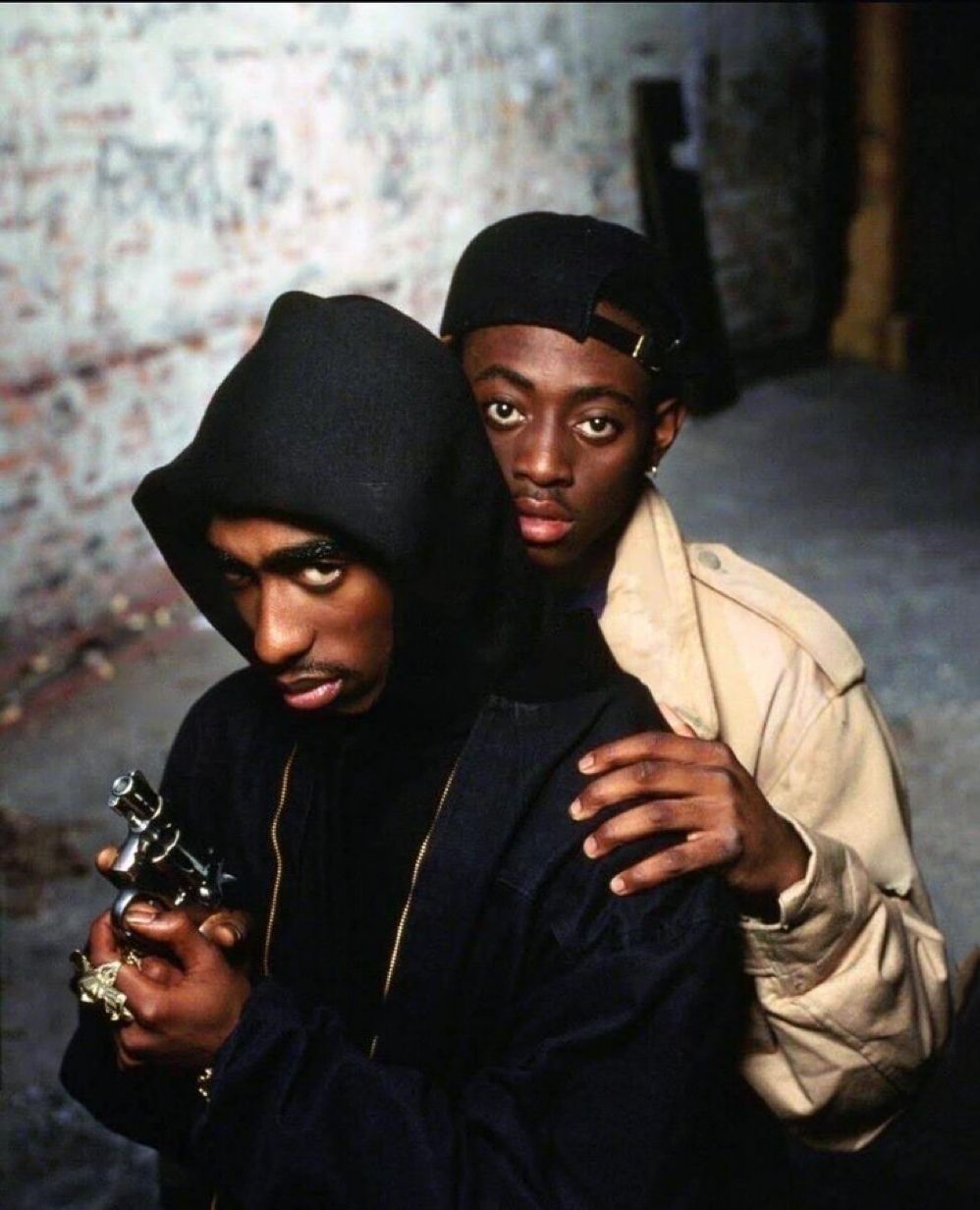
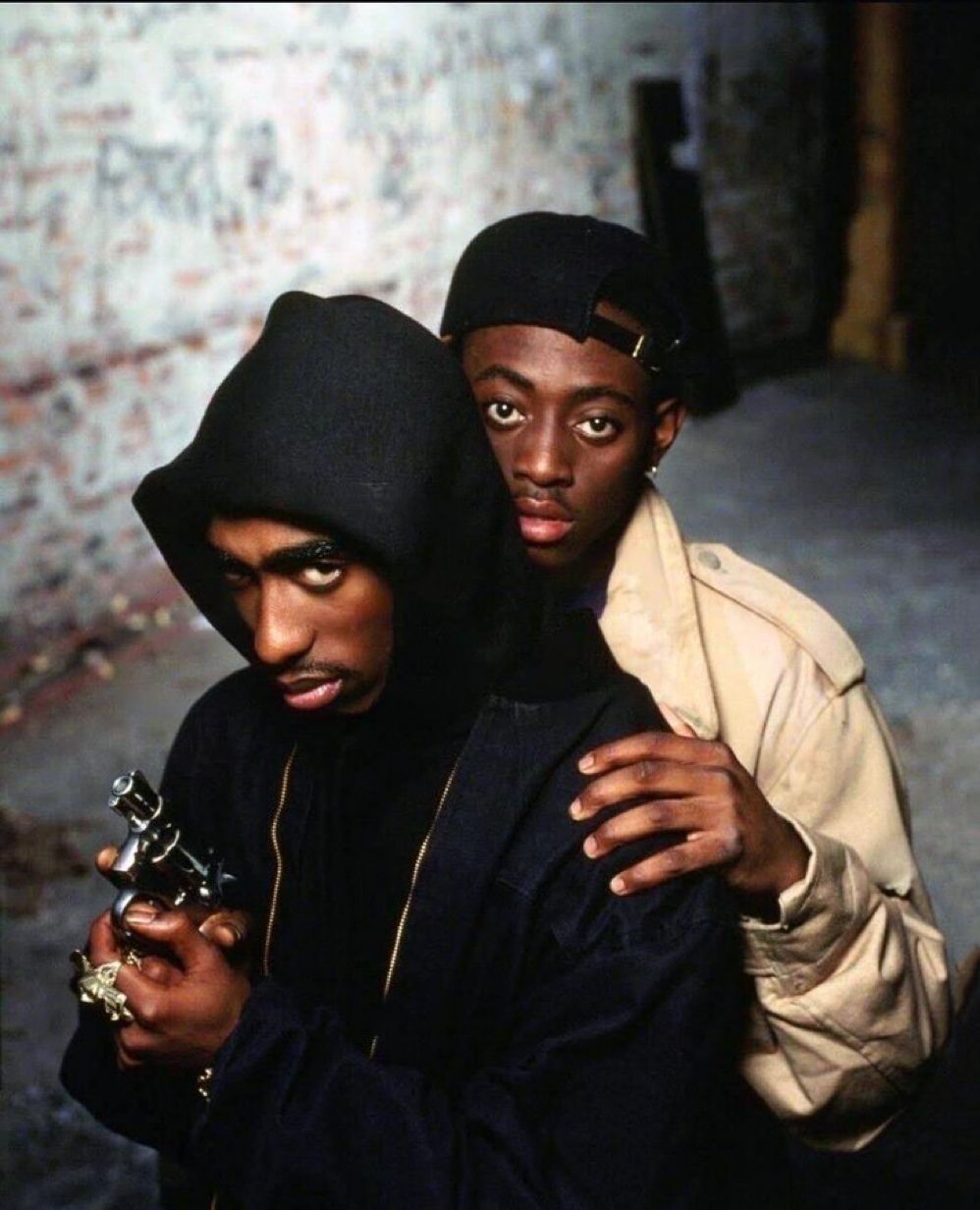
“At a young age, he was forced to prevail through hell, throwing pennies into the wishing well, hoping the wishes would heal the scars on his fleshy shell…”
In the tender years of a boy’s life, the world revealed its thorns, casting him into a wilderness of pain and discovery. The sharp sting of his father’s belt carved scars upon his flesh, wounds that pierced deeper into his soul, marking him with the weight of a broken world. In desperation, he tossed pennies into a wishing well—small acts of hope, like prayers lifted to a God who “heals the brokenhearted and binds up their wounds” (Psalm 147:3). Yet, at ten, another shadow fell. As “daylight faded and night set sail,” a television screen flickered with adult content, its explicit images planting a seed that stirred a “monster” within—a restless force of confusion and desire he could not yet name.
This is the story of a child’s soul, shaped by trauma and temptation, seen through the lens of biblical truth and philosophical reflection. It asks: How does a boy endure the crucible of suffering? What does it mean to wrestle with desires awakened too soon? And how does one find redemption in a world of shadows?
The Crucible of Suffering
The boy’s early years were a furnace of affliction, where the belt became a symbol of a world marred by pain. Each strike taught him powerlessness, yet he sought refuge in casting pennies into the wishing well, a child’s plea for healing. These acts were his fragile hope, a belief that grace could mend what human hands had broken.
Friedrich Nietzsche’s philosophy offers a lens: “That which does not kill us makes us stronger.” The boy’s scars were not just wounds but markers of endurance, forging resilience in the face of chaos. Yet, as a child, he felt not strength but fracture, yearning for a wholeness beyond his grasp. His wishing well was a quiet rebellion, a refusal to let pain define him, echoing the biblical promise that God binds up the wounds of the broken (Psalm 147:3).
The Seed of Temptation
At ten, the boy stumbled into a different wilderness. As “night set sail across the sky,” the television glowed with adult content, drawing his wide-eyed gaze. The images were a portal to desires he could not comprehend, planting a seed that awakened a “monster”—not malice, but a shadow of his own humanity. This moment mirrors Paul’s struggle: “For I do not do the good I want to do, but the evil I do not want to do—this I keep on doing” (Romans 7:19).
Jean-Paul Sartre’s existentialism frames this as a moment of freedom’s burden: we are “condemned to be free,” forced to make meaning from chaos. The boy, lacking a framework to process the explicit scenes, was thrust into a premature encounter with longing and shame. The seed grew in silence, shaping his inner world, a philosophical rupture between innocence and experience.
The Battle Within
The boy’s story is a microcosm of the human condition, a tension between light and shadow. The “monster” within is the sin nature, stirred by temptation yet yearning for redemption. His exposure was not a chosen act but a burden, raising questions of agency: Are we the sum of our wounds, or do we transcend them?
Viktor Frankl’s logotherapy offers insight: meaning is found in suffering, not by avoiding it but by embracing it with purpose. The boy’s wishing well was a cry for transcendence, a plea for light in a shadowed world. Scripture assures that “the light shines in the darkness, and the darkness has not overcome it” (John 1:5), promising that even in temptation, grace prevails.
The Path to Redemption
Though scarred by trauma and stirred by temptation, the boy’s journey is one of hope. His pennies, cast into the wishing well, were prayers heard by a God who heals (Psalm 147:3). The “monster” is not his captor but a guide, urging him to confront his shadows. Frankl’s wisdom aligns with biblical truth: suffering, when faced with courage, becomes a path to meaning. The boy’s scars and the seed within are threads in a divine tapestry, woven by a God who transforms pain into redemption (John 1:5).
This is the first chapter of his pilgrimage—a soul navigating the wilderness of trauma and temptation, seeking the light of grace. The scars remain, but so does the promise of a God who makes all things new.