Dissected Threads
Tread One :The Process…(Blog)...


IntroThe most dangerous temptations rarely arrive wearing the face of evil. They come adorned with beauty, virtue, and promises that seem almost sacred. What nearly destroyed me was not ugliness but the illusion that something pleasing must also be good. In that moment, discernment demanded I distrust my own impulses and judge by truth rather…

IntroThey call him nonchalant, but they rarely understand what lies beneath the silence. To most, his calm expression looks like detachment; in reality, it is discipline disguised as ease. Like Zoro from One Piece, he carries himself with quiet conviction, allowing his actions to speak where words fall short. On the pitch, he finds a…
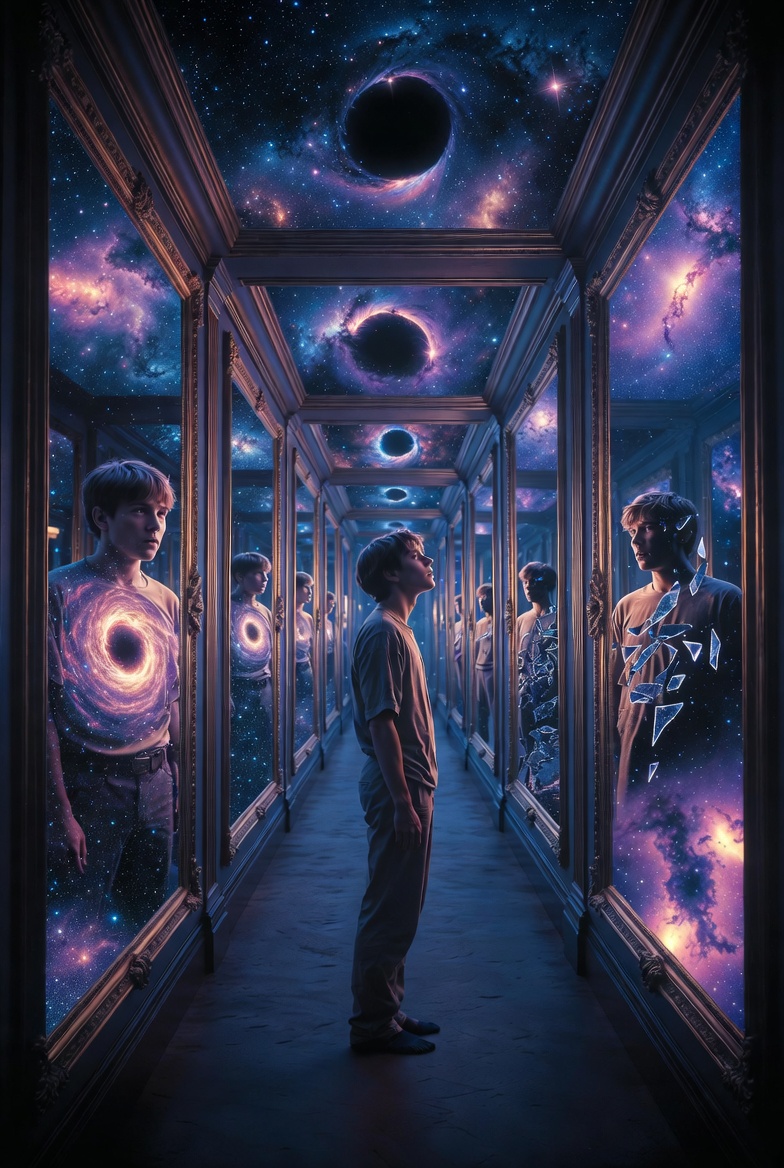
IntroThe second floor didn’t feel like part of a hotel it felt like a trial. Every step carried the weight of memories I had spent years trying to outrun. The air itself seemed to recognize my fear, thick with the quiet certainty that there are places capable of peeling away every layer you’ve carefully worn…
Peace and silence…

IntroSome places aren’t built with bricks, but with the hidden chambers of the soul. I never intended to enter the hotel, yet somehow I found myself climbing its endless floors, where every room seemed to know the parts of me I had spent a lifetime hiding. What waited inside wasn’t there to kill me—it wanted…
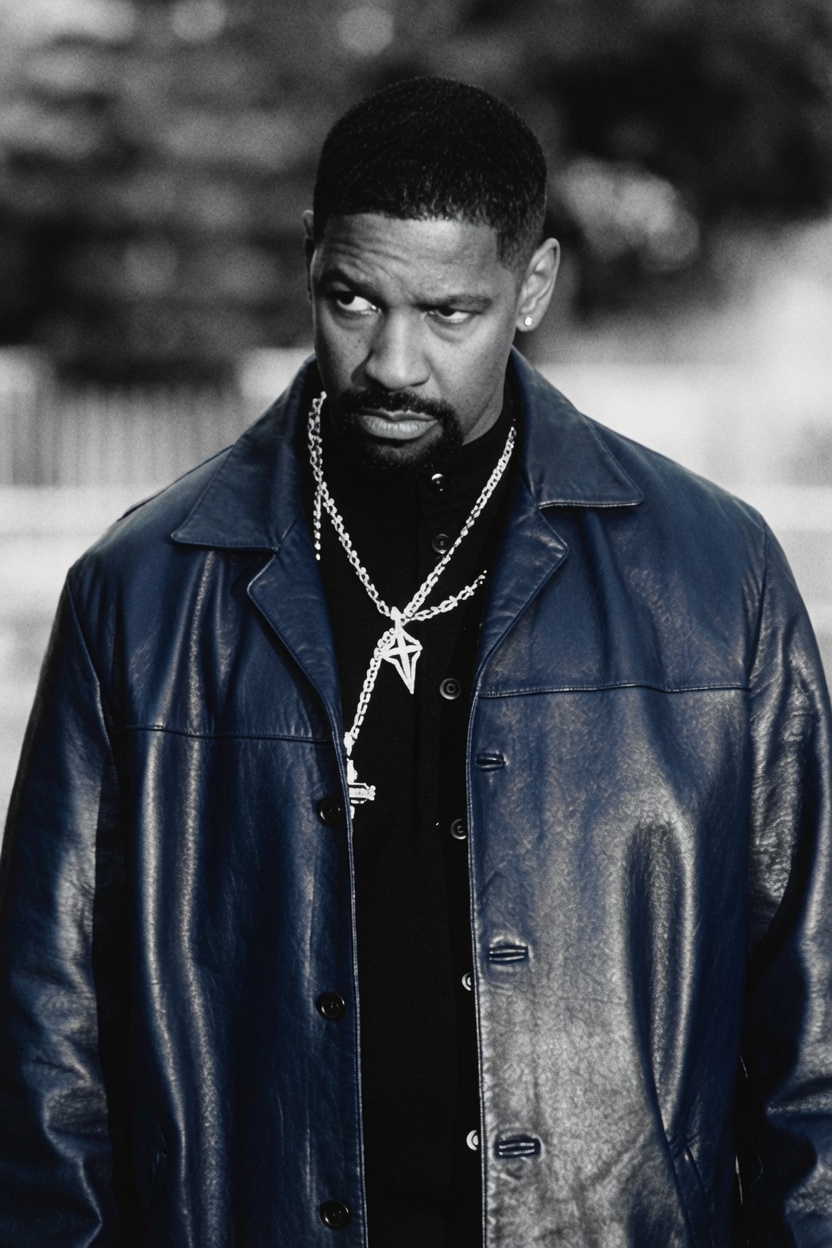
IntroThis poem explores the terrifying contradiction of a soul that longs for righteousness while remaining devoted to its own corruption. Through images of prayer, marriage, violence, blasphemy, and judgment, the speaker wrestles with hypocrisy, pride, and the illusion of holiness. What begins as a confession of self-deception gradually descends into a vision of spiritual ruin,…

Intro She broke my heart on our honeymoon. As the sun laid to rest and the moon rose, its gentle light caressing my eyes, I fell asleep believing in forever. I woke to an empty bed and a letter in her place: “If you want your heart restored forever, come to my hotel and see…

A direct challenge to the heart, drawing from Sahih Muslim 2767a and John 3:16. The Christian Perspective: God’s Infinite Love and Justice Meet at the Cross John 3:16 declares: “For God so loved the world that he gave his one and only Son, that whoever believes in him shall not perish but have eternal life.” Christianity proclaims a God…

IntroSuccess came so relentlessly that it numbed me to life itself. Beneath the applause and achievements, I felt an urgent need to melt the ice before it permanently sealed my veins shut. What once carried passion and purpose had hardened into frosted spikes, sharp enough to pierce my own heart. While the world stood at…

Intro As I watch the minutes pass, I become increasingly aware of how time shapes me in ways I rarely notice until I pause to look inward. Each second seems to carry away a small piece of my innocence, leaving behind a version of myself that is more guarded, more distant from the softness I…
IntroThe most dangerous temptations rarely arrive wearing the face of evil. They come adorned with beauty, virtue, and promises that seem almost sacred. What nearly destroyed me was not ugliness but the illusion that something pleasing must also be good. In that moment, discernment demanded I distrust my own impulses and judge by truth rather…
IntroThey call him nonchalant, but they rarely understand what lies beneath the silence. To most, his calm expression looks like detachment; in reality, it is discipline disguised as ease. Like Zoro from One Piece, he carries himself with quiet conviction, allowing his actions to speak where words fall short. On the pitch, he finds a…
IntroThe second floor didn’t feel like part of a hotel it felt like a trial. Every step carried the weight of memories I had spent years trying to outrun. The air itself seemed to recognize my fear, thick with the quiet certainty that there are places capable of peeling away every layer you’ve carefully worn…
Peace and silence…
IntroSome places aren’t built with bricks, but with the hidden chambers of the soul. I never intended to enter the hotel, yet somehow I found myself climbing its endless floors, where every room seemed to know the parts of me I had spent a lifetime hiding. What waited inside wasn’t there to kill me—it wanted…
IntroThis poem explores the terrifying contradiction of a soul that longs for righteousness while remaining devoted to its own corruption. Through images of prayer, marriage, violence, blasphemy, and judgment, the speaker wrestles with hypocrisy, pride, and the illusion of holiness. What begins as a confession of self-deception gradually descends into a vision of spiritual ruin,…
Intro She broke my heart on our honeymoon. As the sun laid to rest and the moon rose, its gentle light caressing my eyes, I fell asleep believing in forever. I woke to an empty bed and a letter in her place: “If you want your heart restored forever, come to my hotel and see…
A direct challenge to the heart, drawing from Sahih Muslim 2767a and John 3:16. The Christian Perspective: God’s Infinite Love and Justice Meet at the Cross John 3:16 declares: “For God so loved the world that he gave his one and only Son, that whoever believes in him shall not perish but have eternal life.” Christianity proclaims a God…
IntroSuccess came so relentlessly that it numbed me to life itself. Beneath the applause and achievements, I felt an urgent need to melt the ice before it permanently sealed my veins shut. What once carried passion and purpose had hardened into frosted spikes, sharp enough to pierce my own heart. While the world stood at…
Intro As I watch the minutes pass, I become increasingly aware of how time shapes me in ways I rarely notice until I pause to look inward. Each second seems to carry away a small piece of my innocence, leaving behind a version of myself that is more guarded, more distant from the softness I…
The cinematic portrayal of Malèna, in Giuseppe Tornatore’s 2000 film Malèna, serves as a profound allegory for the human condition, where beauty becomes both a divine gift and a crucible of existential isolation. Malèna, a woman of striking physical allure, navigates a Sicilian town steeped in patriarchal desire and judgment, her aura radiating a spiritual depth that transcends the superficial. Philosophically, her presence evokes Plato’s concept of the Ideal Form—beauty as a reflection of the divine, yet perpetually misunderstood by those bound to the material world. Her seashore solitude, as depicted in the film, mirrors the Stoic ideal of inner fortitude, where true strength lies in embracing one’s essence despite external clamor. Malèna’s beauty, like the poem’s “aura off the seashore,” invites us to question: Is beauty a bridge to the divine, or a veil that obscures the soul’s deeper truth?

The poem’s imagery of Malèna’s soul, trusted only by “a few friends and family,” and her body as “earthly dust,” resonates with the dualism of body and soul found in Augustine’s theology. Malèna knows her physical form is transient, a mere vessel subject to the lustful projections of others, yet her soul remains inviolable, a sacred enclave. This dichotomy mirrors the film’s portrayal of her as both idolized and ostracized, a paradox that echoes Heidegger’s concept of Geworfenheit—being “thrown” into a world that misunderstands one’s essence. Her choice to seek solace alone, “home all alone seeking solace,” aligns with the existentialist embrace of angst as a path to self-discovery. Malèna’s solitude is not mere withdrawal but a deliberate act of reclaiming her being, prompting us to ask: Is solitude the price of preserving one’s soul, or is it the only space where true communion with the divine occurs?
Ultimately, Malèna’s story, interwoven with the poem’s lyrical reverence, challenges us to confront the ephemeral nature of desire and the eternal quest for meaning. Her blush, yearned for by men “dying of lust,” symbolizes the fleeting nature of earthly passions, which crumble like dust against the timelessness of her spiritual allure. This evokes Spinoza’s pantheistic view of God as immanent in all things—Malèna’s beauty is not hers alone but a manifestation of the universal divine, misunderstood by those who see only the surface. Her journey, like the poem’s speaker observing her mind “like a wristwatch,” suggests a temporal struggle to grasp the eternal within the finite. Philosophically, Malèna becomes a cipher for the human soul’s paradox: to be seen yet unseen, to be desired yet unknowable. In her, we glimpse the eternal question: How do we reconcile the world’s gaze with the soul’s silent truth?
Dissected Threads
Tread One :
IntroThe most dangerous temptations rarely arrive wearing the face of evil. They come adorned with beauty, virtue, and promises that seem almost sacred. What nearly destroyed me was not ugliness but the illusion that something pleasing must also be good. In that moment, discernment demanded I distrust my own impulses and judge by truth rather…
IntroThey call him nonchalant, but they rarely understand what lies beneath the silence. To most, his calm expression looks like detachment; in reality, it is discipline disguised as ease. Like Zoro from One Piece, he carries himself with quiet conviction, allowing his actions to speak where words fall short. On the pitch, he finds a…
IntroThe second floor didn’t feel like part of a hotel it felt like a trial. Every step carried the weight of memories I had spent years trying to outrun. The air itself seemed to recognize my fear, thick with the quiet certainty that there are places capable of peeling away every layer you’ve carefully worn…
Peace and silence…
IntroSome places aren’t built with bricks, but with the hidden chambers of the soul. I never intended to enter the hotel, yet somehow I found myself climbing its endless floors, where every room seemed to know the parts of me I had spent a lifetime hiding. What waited inside wasn’t there to kill me—it wanted…
IntroThis poem explores the terrifying contradiction of a soul that longs for righteousness while remaining devoted to its own corruption. Through images of prayer, marriage, violence, blasphemy, and judgment, the speaker wrestles with hypocrisy, pride, and the illusion of holiness. What begins as a confession of self-deception gradually descends into a vision of spiritual ruin,…
Intro She broke my heart on our honeymoon. As the sun laid to rest and the moon rose, its gentle light caressing my eyes, I fell asleep believing in forever. I woke to an empty bed and a letter in her place: “If you want your heart restored forever, come to my hotel and see…
A direct challenge to the heart, drawing from Sahih Muslim 2767a and John 3:16. The Christian Perspective: God’s Infinite Love and Justice Meet at the Cross John 3:16 declares: “For God so loved the world that he gave his one and only Son, that whoever believes in him shall not perish but have eternal life.” Christianity proclaims a God…
IntroSuccess came so relentlessly that it numbed me to life itself. Beneath the applause and achievements, I felt an urgent need to melt the ice before it permanently sealed my veins shut. What once carried passion and purpose had hardened into frosted spikes, sharp enough to pierce my own heart. While the world stood at…
Intro As I watch the minutes pass, I become increasingly aware of how time shapes me in ways I rarely notice until I pause to look inward. Each second seems to carry away a small piece of my innocence, leaving behind a version of myself that is more guarded, more distant from the softness I…

Dissected Threads
Tread One :The Enigmatic Allure of Malèna: A Philosophical Reflection on Beauty, Isolation, and the Human Soul.
IntroThe most dangerous temptations rarely arrive wearing the face of evil. They come adorned with beauty, virtue, and promises that seem almost sacred. What nearly destroyed me was not ugliness but the illusion that something pleasing must also be good. In that moment, discernment demanded I distrust my own impulses and judge by truth rather…
IntroThey call him nonchalant, but they rarely understand what lies beneath the silence. To most, his calm expression looks like detachment; in reality, it is discipline disguised as ease. Like Zoro from One Piece, he carries himself with quiet conviction, allowing his actions to speak where words fall short. On the pitch, he finds a…
IntroThe second floor didn’t feel like part of a hotel it felt like a trial. Every step carried the weight of memories I had spent years trying to outrun. The air itself seemed to recognize my fear, thick with the quiet certainty that there are places capable of peeling away every layer you’ve carefully worn…
Peace and silence…
IntroSome places aren’t built with bricks, but with the hidden chambers of the soul. I never intended to enter the hotel, yet somehow I found myself climbing its endless floors, where every room seemed to know the parts of me I had spent a lifetime hiding. What waited inside wasn’t there to kill me—it wanted…
IntroThis poem explores the terrifying contradiction of a soul that longs for righteousness while remaining devoted to its own corruption. Through images of prayer, marriage, violence, blasphemy, and judgment, the speaker wrestles with hypocrisy, pride, and the illusion of holiness. What begins as a confession of self-deception gradually descends into a vision of spiritual ruin,…
Intro She broke my heart on our honeymoon. As the sun laid to rest and the moon rose, its gentle light caressing my eyes, I fell asleep believing in forever. I woke to an empty bed and a letter in her place: “If you want your heart restored forever, come to my hotel and see…
A direct challenge to the heart, drawing from Sahih Muslim 2767a and John 3:16. The Christian Perspective: God’s Infinite Love and Justice Meet at the Cross John 3:16 declares: “For God so loved the world that he gave his one and only Son, that whoever believes in him shall not perish but have eternal life.” Christianity proclaims a God…
IntroSuccess came so relentlessly that it numbed me to life itself. Beneath the applause and achievements, I felt an urgent need to melt the ice before it permanently sealed my veins shut. What once carried passion and purpose had hardened into frosted spikes, sharp enough to pierce my own heart. While the world stood at…
Intro As I watch the minutes pass, I become increasingly aware of how time shapes me in ways I rarely notice until I pause to look inward. Each second seems to carry away a small piece of my innocence, leaving behind a version of myself that is more guarded, more distant from the softness I…
IntroThe most dangerous temptations rarely arrive wearing the face of evil. They come adorned with beauty, virtue, and promises that seem almost sacred. What nearly destroyed me was not ugliness but the illusion that something pleasing must also be good. In that moment, discernment demanded I distrust my own impulses and judge by truth rather…
IntroThey call him nonchalant, but they rarely understand what lies beneath the silence. To most, his calm expression looks like detachment; in reality, it is discipline disguised as ease. Like Zoro from One Piece, he carries himself with quiet conviction, allowing his actions to speak where words fall short. On the pitch, he finds a…
IntroThe second floor didn’t feel like part of a hotel it felt like a trial. Every step carried the weight of memories I had spent years trying to outrun. The air itself seemed to recognize my fear, thick with the quiet certainty that there are places capable of peeling away every layer you’ve carefully worn…
Peace and silence…
IntroSome places aren’t built with bricks, but with the hidden chambers of the soul. I never intended to enter the hotel, yet somehow I found myself climbing its endless floors, where every room seemed to know the parts of me I had spent a lifetime hiding. What waited inside wasn’t there to kill me—it wanted…
IntroThis poem explores the terrifying contradiction of a soul that longs for righteousness while remaining devoted to its own corruption. Through images of prayer, marriage, violence, blasphemy, and judgment, the speaker wrestles with hypocrisy, pride, and the illusion of holiness. What begins as a confession of self-deception gradually descends into a vision of spiritual ruin,…
Intro She broke my heart on our honeymoon. As the sun laid to rest and the moon rose, its gentle light caressing my eyes, I fell asleep believing in forever. I woke to an empty bed and a letter in her place: “If you want your heart restored forever, come to my hotel and see…
A direct challenge to the heart, drawing from Sahih Muslim 2767a and John 3:16. The Christian Perspective: God’s Infinite Love and Justice Meet at the Cross John 3:16 declares: “For God so loved the world that he gave his one and only Son, that whoever believes in him shall not perish but have eternal life.” Christianity proclaims a God…
IntroSuccess came so relentlessly that it numbed me to life itself. Beneath the applause and achievements, I felt an urgent need to melt the ice before it permanently sealed my veins shut. What once carried passion and purpose had hardened into frosted spikes, sharp enough to pierce my own heart. While the world stood at…
Intro As I watch the minutes pass, I become increasingly aware of how time shapes me in ways I rarely notice until I pause to look inward. Each second seems to carry away a small piece of my innocence, leaving behind a version of myself that is more guarded, more distant from the softness I…
The line—“My shine’s a guillotine, black diamonds gleam, / Time’s a corpse, no medics for the dream. / Custom death, I call the jeweller first, / Then the coroner—your fate’s been cursed. / My watch ticks doom, no mercy, no pause, / Your reflection kneels to my unholy laws”—is a haunting exploration of power, mortality, and the human quest for meaning. Its vivid imagery, blending opulence with dread, challenges readers to confront existential and spiritual truths. The speaker’s godlike control and the relentless march of time create a tension that resonates across philosophical and biblical frameworks. This article unravels the philosophical and biblical meaning of the verse, delving into themes of vanity, time, mortality, and redemption, while inviting readers to reflect on its profound implications.
The Guillotine of Materialism
Philosophically, the verse wields a “guillotine” of materialism, its “black diamonds” symbolizing wealth’s seductive yet lethal allure. The speaker’s act of calling the jeweler before the coroner reveals a chilling hubris, as if death can be curated like a bespoke jewel. This godlike control, however, is undermined by time, depicted as a “corpse” with “no medics for the dream.” The imagery evokes Friedrich Nietzsche’s concept of the abyss, where human brilliance gazes into a void of meaninglessness. The guillotine’s gleam reflects a broader existential critique: wealth and power, though dazzling, are powerless against mortality’s blade. The verse thus challenges readers to question material pursuits, urging a search for purpose in the fleeting dreams that persist despite time’s decay. This resonates with existentialist thinkers like Jean-Paul Sartre, who emphasized creating meaning in an absurd, indifferent world.
Time’s Relentless Judgment
The “watch ticks doom” without mercy, and the “unholy laws” force reflections—others’ lives, hopes, or legacies—to kneel, painting a world where divine order is usurped by amoral sovereignty. Time’s indifference, a universal guillotine, cuts through all human constructs, from wealth to ambition. This relentless ticking aligns with Albert Camus’ absurdism, where humanity grapples with a universe devoid of inherent purpose. The speaker’s attempt to impose “unholy laws” mirrors a futile rebellion against time’s judgment, yet the kneeling reflections suggest that even this power is illusory. Philosophically, the verse invites us to embrace the fragile dream, finding meaning not in defying mortality but in living authentically within its shadow, a call to courage in the face of inevitable doom.
Biblical Warnings of Vanity
Biblically, the verse echoes the somber wisdom of Ecclesiastes: “All is vanity” (Ecclesiastes 1:2). The guillotine-shine and custom death mirror the Teacher’s critique of wealth as a fleeting pursuit, unable to outlast death’s curse (Ecclesiastes 2:11). The speaker’s “unholy laws” recall the pride of Babylon in Revelation, glittering with riches yet doomed to collapse (Revelation 18:7). Time’s corpse and the absence of medics evoke the Fall in Genesis, where death entered as humanity’s curse (Genesis 3:19). The speaker’s rebellion against divine authority underscores the futility of human power, akin to the Tower of Babel’s collapse (Genesis 11:4-9). This biblical lens reveals the verse as a cautionary tale, warning against the vanity of self-made sovereignty and the illusion of control over eternal consequences.
Redemption’s Hope Beyond Doom
In stark contrast to the verse’s nihilism, Scripture offers redemption: Christ’s resurrection triumphs over death’s guillotine, promising eternal life (1 Corinthians 15:54-57). While the speaker’s watch ticks doom, the biblical narrative points to a hope that transcends time’s corpse, urging pursuit of divine purpose over worldly gleam. This tension—despair versus salvation, vanity versus eternity—makes the verse a profound meditation on human existence. Its haunting beauty lies in its ability to provoke reflection, blending existential dread with spiritual possibility. Readers are invited to share their interpretations in the comments, exploring how this dark poetry speaks to life’s deepest questions and challenges us to seek meaning beyond the curse.