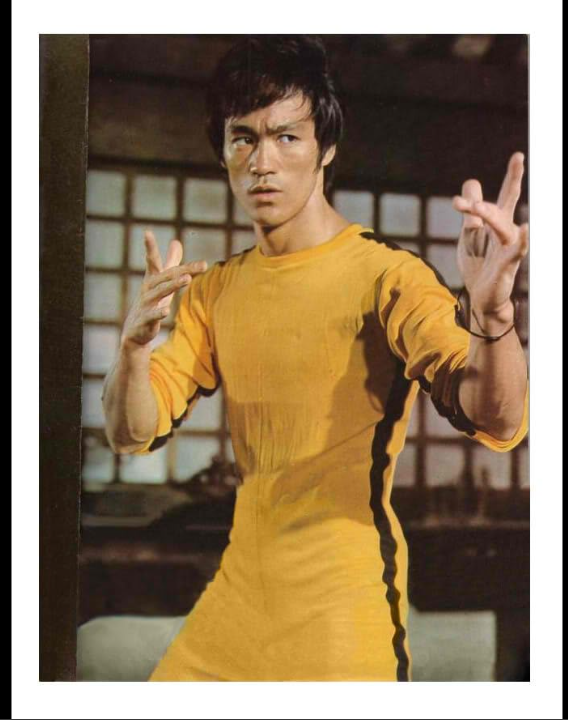
Description This poem reflects a powerful metaphor for life, where the speaker’s journey mirrors Bruce Lee’s Game of Death—a symbolic ascent to power and control, only to face a sudden, devastating fall. The “forbidden mansion” and the throne symbolize the speaker’s elevated status or achievements, acquired through perseverance, but also under constant threat from those…
Description This poem captures a sense of internal conflict, blending themes of speed, creativity, and spiritual turmoil. The speaker identifies as a “speed demon,” suggesting a feeling of uncontrollable energy or compulsion, especially in the act of writing or creating (“these poetic artistry’s / evoke fast as lightning”). The imagery of lightning conveys a sudden,…
Description This poem presents a powerful exploration of duality, inner turmoil, and the struggle between an outward facade of innocence and an inner world brimming with darkness. The speaker describes themselves as appearing innocent and refined, symbolized by their “Versace lenses” and “glowing like a pearl,” which represent a polished, external image that others perceive.…
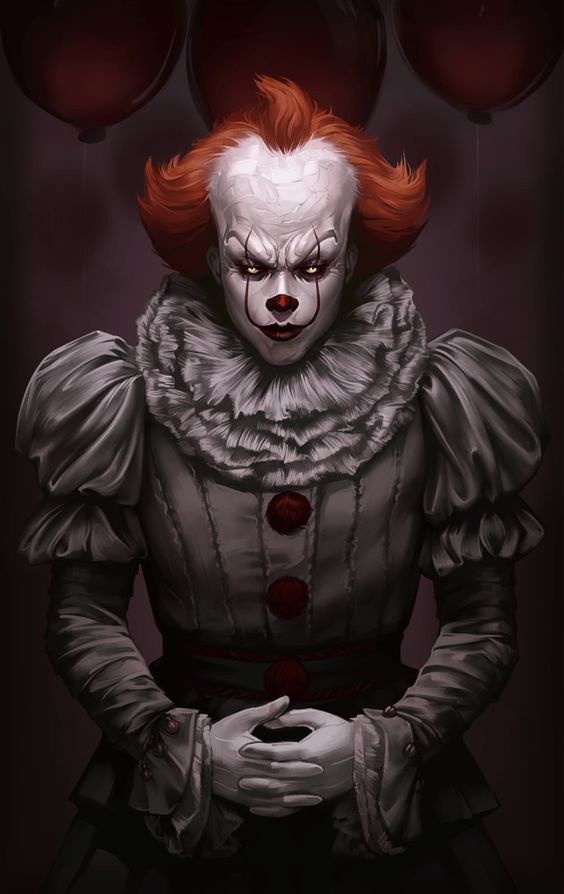
Description This poem captures the essence of a menacing clown persona, reminiscent of Stephen King’s Pennywise. The poem paints a vivid picture of this clown’s intent to instill fear while maintaining an eerie sense of pride. Let’s break down the elements and themes: Breakdown and Themes: Suggestions for Enhancements: Final Poem: Here’s a revised version…
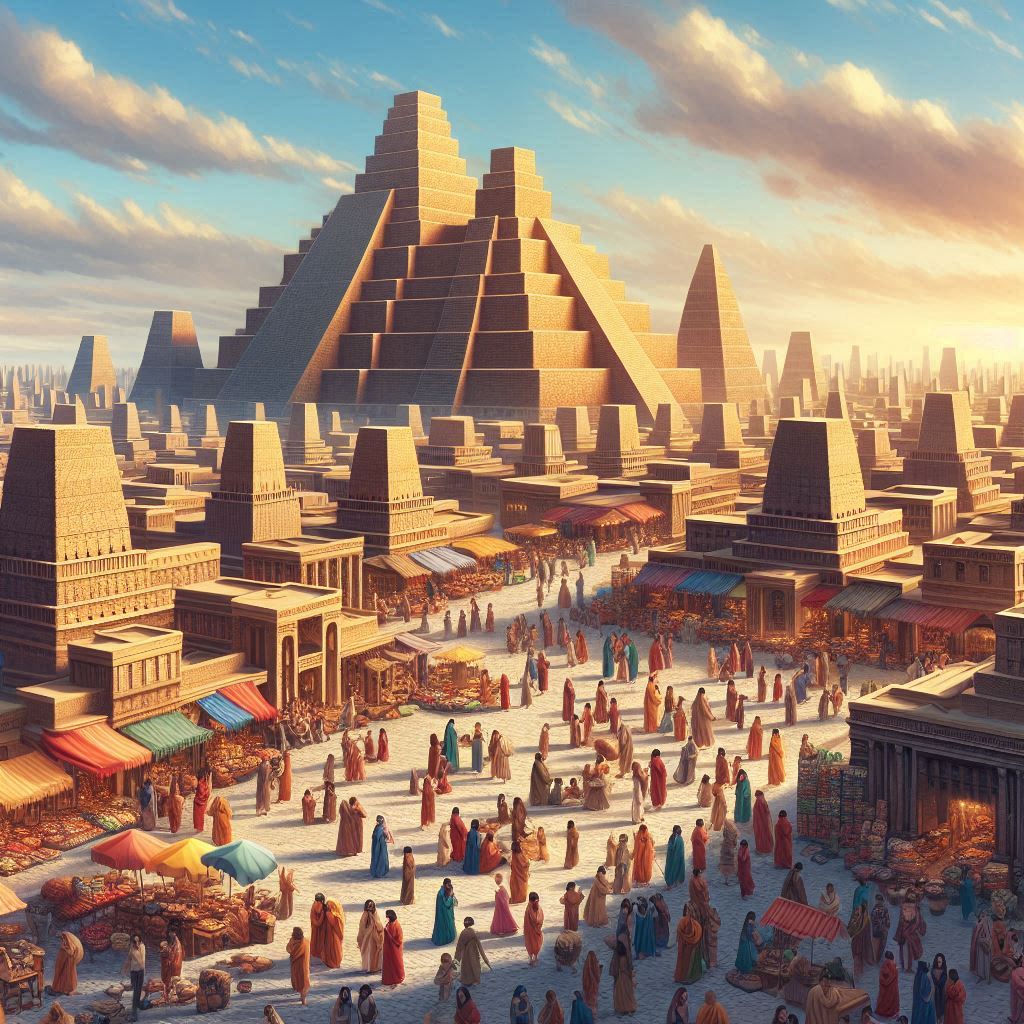
Description This poem explores the theme of spiritual conflict and moral temptation, using the symbolic setting of Babylon, an ancient civilization often associated with decadence, corruption, and moral decline. The speaker reflects on their loss of faith, highlighting the struggle between spiritual ideals and worldly desires. Key Elements and Themes: Overall Description: The poem is…
Description This poem presents a complex and vivid exploration of inner turmoil and artistic expression. Here’s a breakdown of its key themes and imagery: Imagery and Symbolism Themes Tone and Style Overall, the poem is a powerful exploration of the interplay between suffering, creativity, and the desire for control and understanding. It uses evocative imagery…
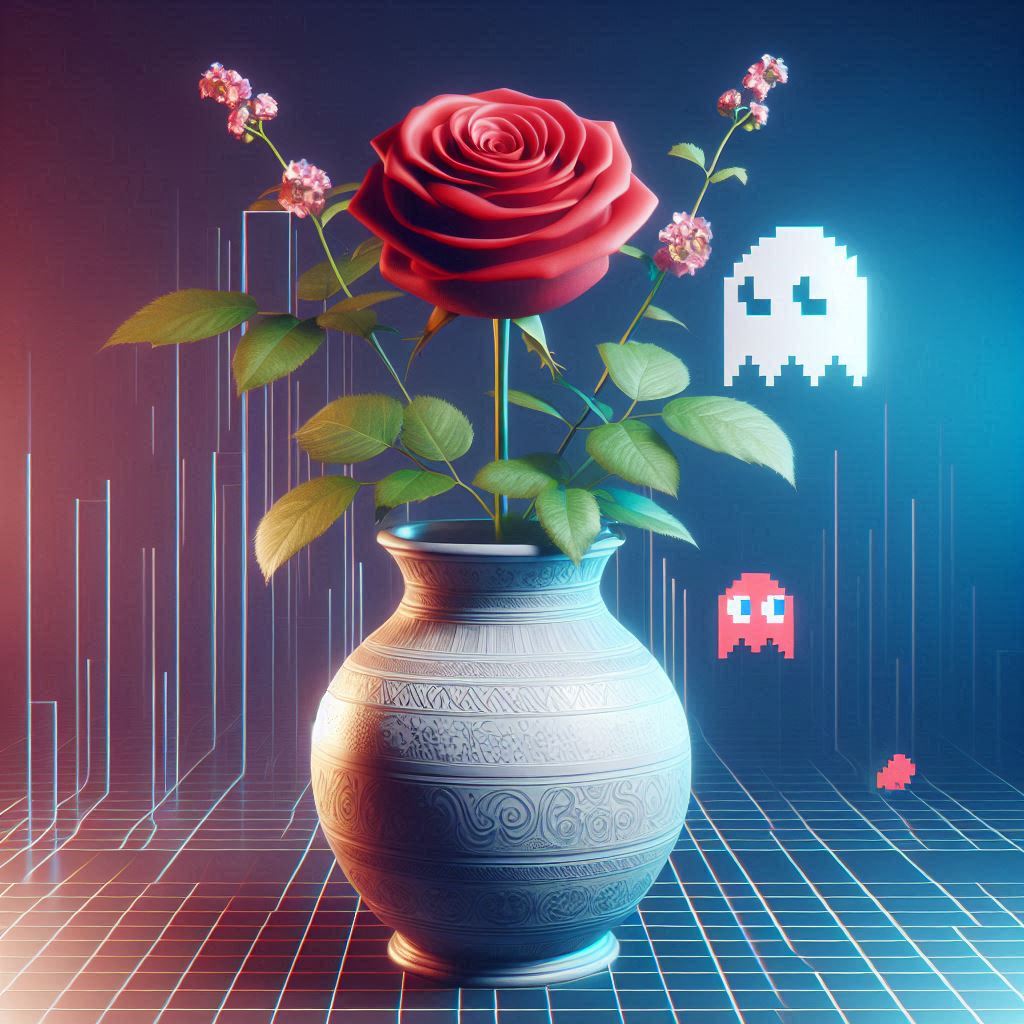
Description This poem explores the metaphor of life as a simulation, specifically comparing it to the classic video game Pac-Man. The poem suggests a journey of empowerment and growth, where the speaker navigates through challenges and adversities, symbolized by ghosts in the game. Here’s a breakdown of the poem’s themes and imagery: Analysis Themes Conclusion…
Description The poem “Arrogance” explores the destructive nature of excessive pride and the inevitable downfall it brings. Through vivid imagery and powerful metaphors, the poem personifies arrogance as a tyrant whose toxic rule poisons everything around him. Detailed Analysis: Themes and Messages: Conclusion: The poem “Arrogance” serves as a powerful warning against the perils of…
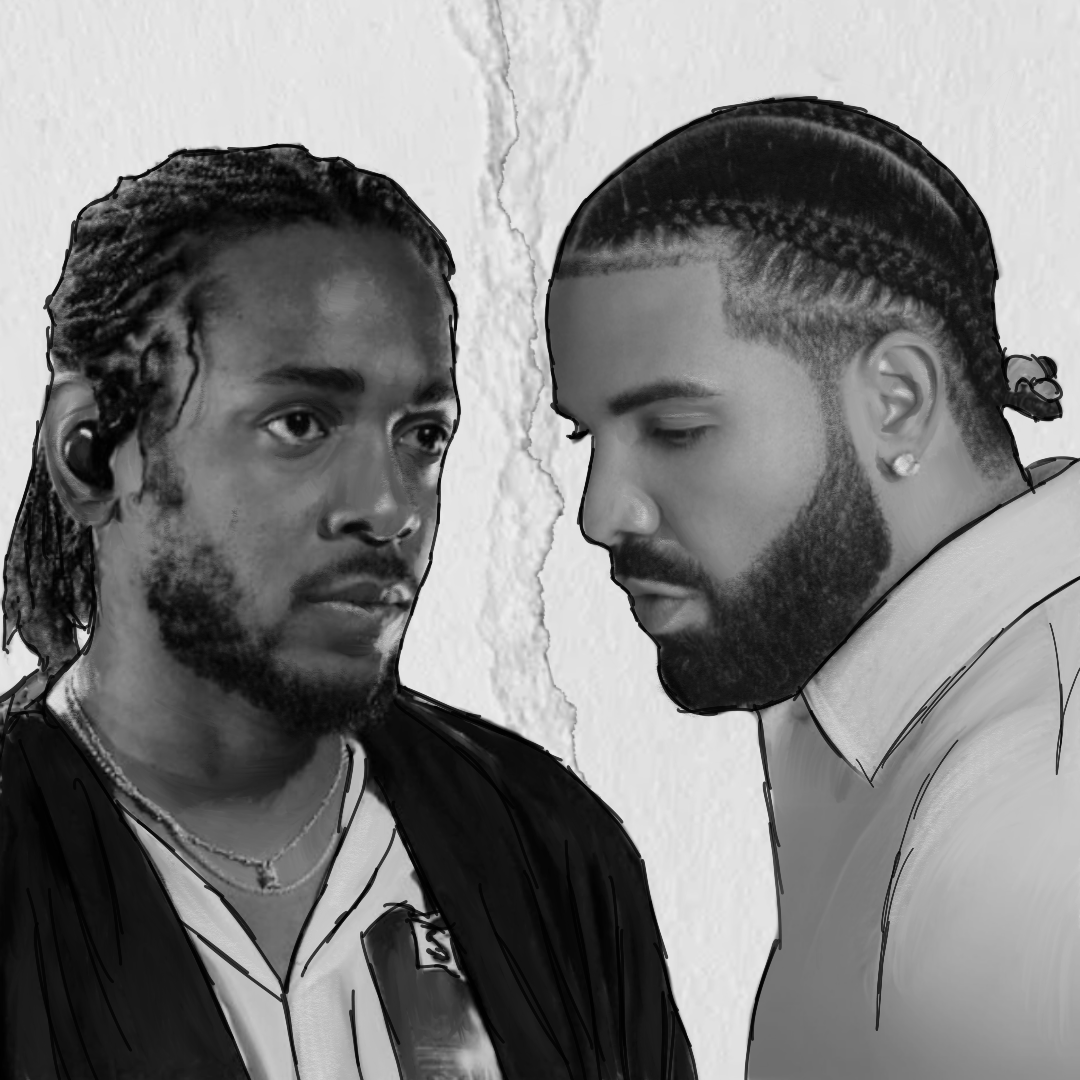
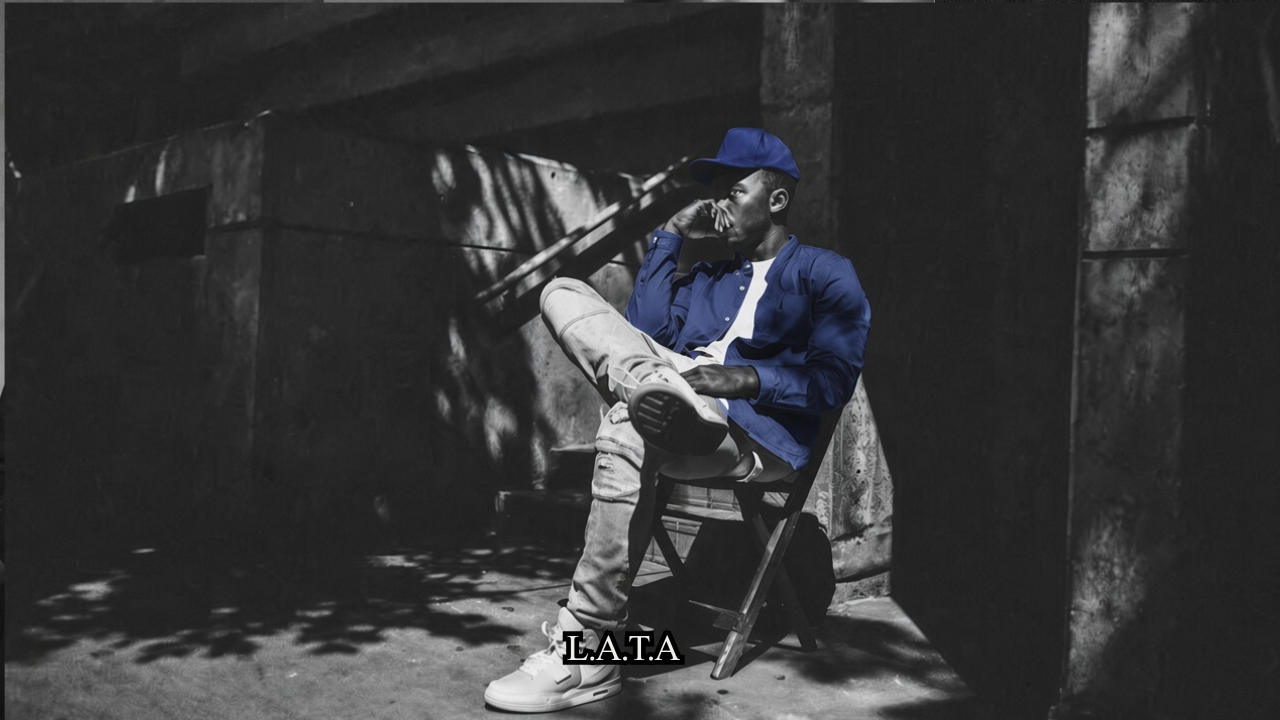
The rap industry thrives on competition, with diss tracks being one of its cornerstones. Recently, Kendrick Lamar released a track titled “6:16 IN LA,” which generated significant buzz due to the multiple layers of meaning embedded within it. Here’s an in-depth breakdown of this intricate track. ## The Significance of the Title The title “6:16…
Description This poem conveys the inner reflections and ambitions of a young football prodigy. Despite their youthful appearance, the speaker identifies as an old soul, possessing wisdom and depth beyond their years. The juxtaposition of their adolescent looks with their mature spirit sets the tone for the rest of the poem. The speaker’s football skills,…
In this poem, I’m reflecting on my own journey with a mix of confidence and self-awareness. I start by admitting that I’ve got a clear grasp of who I am—plenty of understanding about myself—and I’m upfront about the fact that I don’t see myself as the best-looking guy you’d spot wandering around in the daylight. I’m no head-turner, and I’m fine with that. But then the tone shifts as I dive into what’s changed. Those women who used to laugh at me, who’d poke fun at my expense, they’re the same ones now falling for my words. It’s like my poetry and creativity have flipped the script—they can’t resist the pull of what I craft.
I’ve got this knack now for drawing in these refined, elegant women, the classy types, and it’s become almost a compulsion for me, a kind of restless drive. I lure them in, pulling them into what I call my “poisonous chamber”—this intense, intoxicating space where my poems come alive, fuelled by raw passion. It’s not just about seduction for the sake of it; it’s the act of creating, of pouring myself into those lines, that hooks them. The poem’s got this edge of triumph, like I’ve turned the tables, and what once held me back is now the very thing that gives me power.
Description This poem reflects a powerful metaphor for life, where the speaker’s journey mirrors Bruce Lee’s Game of Death—a symbolic ascent to power and control, only to face a sudden, devastating fall. The “forbidden mansion” and the throne symbolize the speaker’s elevated status or achievements, acquired through perseverance, but also under constant threat from those…
Description This poem captures a sense of internal conflict, blending themes of speed, creativity, and spiritual turmoil. The speaker identifies as a “speed demon,” suggesting a feeling of uncontrollable energy or compulsion, especially in the act of writing or creating (“these poetic artistry’s / evoke fast as lightning”). The imagery of lightning conveys a sudden,…
Description This poem presents a powerful exploration of duality, inner turmoil, and the struggle between an outward facade of innocence and an inner world brimming with darkness. The speaker describes themselves as appearing innocent and refined, symbolized by their “Versace lenses” and “glowing like a pearl,” which represent a polished, external image that others perceive.…
Description This poem captures the essence of a menacing clown persona, reminiscent of Stephen King’s Pennywise. The poem paints a vivid picture of this clown’s intent to instill fear while maintaining an eerie sense of pride. Let’s break down the elements and themes: Breakdown and Themes: Suggestions for Enhancements: Final Poem: Here’s a revised version…
Description This poem explores the theme of spiritual conflict and moral temptation, using the symbolic setting of Babylon, an ancient civilization often associated with decadence, corruption, and moral decline. The speaker reflects on their loss of faith, highlighting the struggle between spiritual ideals and worldly desires. Key Elements and Themes: Overall Description: The poem is…
Description This poem presents a complex and vivid exploration of inner turmoil and artistic expression. Here’s a breakdown of its key themes and imagery: Imagery and Symbolism Themes Tone and Style Overall, the poem is a powerful exploration of the interplay between suffering, creativity, and the desire for control and understanding. It uses evocative imagery…
Description This poem explores the metaphor of life as a simulation, specifically comparing it to the classic video game Pac-Man. The poem suggests a journey of empowerment and growth, where the speaker navigates through challenges and adversities, symbolized by ghosts in the game. Here’s a breakdown of the poem’s themes and imagery: Analysis Themes Conclusion…
Description The poem “Arrogance” explores the destructive nature of excessive pride and the inevitable downfall it brings. Through vivid imagery and powerful metaphors, the poem personifies arrogance as a tyrant whose toxic rule poisons everything around him. Detailed Analysis: Themes and Messages: Conclusion: The poem “Arrogance” serves as a powerful warning against the perils of…
The rap industry thrives on competition, with diss tracks being one of its cornerstones. Recently, Kendrick Lamar released a track titled “6:16 IN LA,” which generated significant buzz due to the multiple layers of meaning embedded within it. Here’s an in-depth breakdown of this intricate track. ## The Significance of the Title The title “6:16…
Description This poem conveys the inner reflections and ambitions of a young football prodigy. Despite their youthful appearance, the speaker identifies as an old soul, possessing wisdom and depth beyond their years. The juxtaposition of their adolescent looks with their mature spirit sets the tone for the rest of the poem. The speaker’s football skills,…
I find myself drawn to this blazing force within me—my “fiery fire”—a restless, burning energy that I crave to awaken fully. It’s as if I’m seeking to dissolve the frost encasing my heart, a coldness I’ve carried too long, tucked away in a place I call the “void less dark.” That phrase feels right to me—a shadow not pitch-black, but muted, a half-lit emptiness where I’ve lingered, neither lost nor found. Philosophers like Heraclitus might see this fire as my life’s constant flux, a heat that promises to reshape me if I let it.
But there’s a tension I can’t ignore. This fire I tend, this soul I ignite—it’s fleeting. A bonfire roars only as long as I feed it, and my cold heart, my void, they hover close, ready to reclaim me. I wonder if this is what Sartre meant by crafting meaning in the face of nothing—a refusal to let the dark win. Or maybe it’s Nietzsche’s voice I hear, urging me to embrace this cycle of melting and burning, to affirm myself again and again. I’m caught in that dance, desiring my own renewal, holding my soul’s light steady against the shadows I know too well.
Description This poem reflects a powerful metaphor for life, where the speaker’s journey mirrors Bruce Lee’s Game of Death—a symbolic ascent to power and control, only to face a sudden, devastating fall. The “forbidden mansion” and the throne symbolize the speaker’s elevated status or achievements, acquired through perseverance, but also under constant threat from those…
Description This poem captures a sense of internal conflict, blending themes of speed, creativity, and spiritual turmoil. The speaker identifies as a “speed demon,” suggesting a feeling of uncontrollable energy or compulsion, especially in the act of writing or creating (“these poetic artistry’s / evoke fast as lightning”). The imagery of lightning conveys a sudden,…
Description This poem presents a powerful exploration of duality, inner turmoil, and the struggle between an outward facade of innocence and an inner world brimming with darkness. The speaker describes themselves as appearing innocent and refined, symbolized by their “Versace lenses” and “glowing like a pearl,” which represent a polished, external image that others perceive.…
Description This poem captures the essence of a menacing clown persona, reminiscent of Stephen King’s Pennywise. The poem paints a vivid picture of this clown’s intent to instill fear while maintaining an eerie sense of pride. Let’s break down the elements and themes: Breakdown and Themes: Suggestions for Enhancements: Final Poem: Here’s a revised version…
Description This poem explores the theme of spiritual conflict and moral temptation, using the symbolic setting of Babylon, an ancient civilization often associated with decadence, corruption, and moral decline. The speaker reflects on their loss of faith, highlighting the struggle between spiritual ideals and worldly desires. Key Elements and Themes: Overall Description: The poem is…
Description This poem presents a complex and vivid exploration of inner turmoil and artistic expression. Here’s a breakdown of its key themes and imagery: Imagery and Symbolism Themes Tone and Style Overall, the poem is a powerful exploration of the interplay between suffering, creativity, and the desire for control and understanding. It uses evocative imagery…
Description This poem explores the metaphor of life as a simulation, specifically comparing it to the classic video game Pac-Man. The poem suggests a journey of empowerment and growth, where the speaker navigates through challenges and adversities, symbolized by ghosts in the game. Here’s a breakdown of the poem’s themes and imagery: Analysis Themes Conclusion…
Description The poem “Arrogance” explores the destructive nature of excessive pride and the inevitable downfall it brings. Through vivid imagery and powerful metaphors, the poem personifies arrogance as a tyrant whose toxic rule poisons everything around him. Detailed Analysis: Themes and Messages: Conclusion: The poem “Arrogance” serves as a powerful warning against the perils of…
The rap industry thrives on competition, with diss tracks being one of its cornerstones. Recently, Kendrick Lamar released a track titled “6:16 IN LA,” which generated significant buzz due to the multiple layers of meaning embedded within it. Here’s an in-depth breakdown of this intricate track. ## The Significance of the Title The title “6:16…
Description This poem conveys the inner reflections and ambitions of a young football prodigy. Despite their youthful appearance, the speaker identifies as an old soul, possessing wisdom and depth beyond their years. The juxtaposition of their adolescent looks with their mature spirit sets the tone for the rest of the poem. The speaker’s football skills,…
I find myself drawn to this blazing force within me—my “fiery fire”—a restless, burning energy that I crave to awaken fully. It’s as if I’m seeking to dissolve the frost encasing my heart, a coldness I’ve carried too long, tucked away in a place I call the “void less dark.” That phrase feels right to me—a shadow not pitch-black, but muted, a half-lit emptiness where I’ve lingered, neither lost nor found. Philosophers like Heraclitus might see this fire as my life’s constant flux, a heat that promises to reshape me if I let it.
But there’s a tension I can’t ignore. This fire I tend, this soul I ignite—it’s fleeting. A bonfire roars only as long as I feed it, and my cold heart, my void, they hover close, ready to reclaim me. I wonder if this is what Sartre meant by crafting meaning in the face of nothing—a refusal to let the dark win. Or maybe it’s Nietzsche’s voice I hear, urging me to embrace this cycle of melting and burning, to affirm myself again and again. I’m caught in that dance, desiring my own renewal, holding my soul’s light steady against the shadows I know too well.
Description This poem reflects a powerful metaphor for life, where the speaker’s journey mirrors Bruce Lee’s Game of Death—a symbolic ascent to power and control, only to face a sudden, devastating fall. The “forbidden mansion” and the throne symbolize the speaker’s elevated status or achievements, acquired through perseverance, but also under constant threat from those…
Description This poem captures a sense of internal conflict, blending themes of speed, creativity, and spiritual turmoil. The speaker identifies as a “speed demon,” suggesting a feeling of uncontrollable energy or compulsion, especially in the act of writing or creating (“these poetic artistry’s / evoke fast as lightning”). The imagery of lightning conveys a sudden,…
Description This poem presents a powerful exploration of duality, inner turmoil, and the struggle between an outward facade of innocence and an inner world brimming with darkness. The speaker describes themselves as appearing innocent and refined, symbolized by their “Versace lenses” and “glowing like a pearl,” which represent a polished, external image that others perceive.…
Description This poem captures the essence of a menacing clown persona, reminiscent of Stephen King’s Pennywise. The poem paints a vivid picture of this clown’s intent to instill fear while maintaining an eerie sense of pride. Let’s break down the elements and themes: Breakdown and Themes: Suggestions for Enhancements: Final Poem: Here’s a revised version…
Description This poem explores the theme of spiritual conflict and moral temptation, using the symbolic setting of Babylon, an ancient civilization often associated with decadence, corruption, and moral decline. The speaker reflects on their loss of faith, highlighting the struggle between spiritual ideals and worldly desires. Key Elements and Themes: Overall Description: The poem is…
Description This poem presents a complex and vivid exploration of inner turmoil and artistic expression. Here’s a breakdown of its key themes and imagery: Imagery and Symbolism Themes Tone and Style Overall, the poem is a powerful exploration of the interplay between suffering, creativity, and the desire for control and understanding. It uses evocative imagery…
Description This poem explores the metaphor of life as a simulation, specifically comparing it to the classic video game Pac-Man. The poem suggests a journey of empowerment and growth, where the speaker navigates through challenges and adversities, symbolized by ghosts in the game. Here’s a breakdown of the poem’s themes and imagery: Analysis Themes Conclusion…
Description The poem “Arrogance” explores the destructive nature of excessive pride and the inevitable downfall it brings. Through vivid imagery and powerful metaphors, the poem personifies arrogance as a tyrant whose toxic rule poisons everything around him. Detailed Analysis: Themes and Messages: Conclusion: The poem “Arrogance” serves as a powerful warning against the perils of…
The rap industry thrives on competition, with diss tracks being one of its cornerstones. Recently, Kendrick Lamar released a track titled “6:16 IN LA,” which generated significant buzz due to the multiple layers of meaning embedded within it. Here’s an in-depth breakdown of this intricate track. ## The Significance of the Title The title “6:16…
Description This poem conveys the inner reflections and ambitions of a young football prodigy. Despite their youthful appearance, the speaker identifies as an old soul, possessing wisdom and depth beyond their years. The juxtaposition of their adolescent looks with their mature spirit sets the tone for the rest of the poem. The speaker’s football skills,…
“Deceptive information flooding my timeline looks like a flooded fiery hell.” Open my phone, and it’s ablaze—a torrent of deceptive information Israel-Palestine pours through my timeline, a deluge that scorches and drowns in equal measure. Posts flare up, videos ignite, headlines smolder—each a spark in a fiery hell where truth chokes beneath waves of noise. This isn’t a quiet flood; it’s a crafted inferno, a chaos so loud it consumes us. The Israel-Palestine war feeds this blaze, its every twist and turn stoking the fiery lies that burn across screens, leaving us gasping for something solid to hold.
Scroll, and you’ll see it: a barrage of deceptive information Israel-Palestine—claims of victory, cries of victimhood, stats twisted into weapons. One post screams of atrocities, another counters with defiance, and beneath it all, a thousand comments clash in the heat. It’s not just confusion; it’s a brushstroke in the deceptive art, each lie painting over the last until the canvas is a mess of flames. My timeline isn’t a window to the world—it’s a furnace, scorching us with half-truths and hyperbole, a flooded fiery hell where clarity sinks and chaos rises. We’re not enlightened by this flood; we’re engulfed.
Scripture saw this coming, sharp and unflinching: “But evil men and impostors will grow worse and worse, deceiving and being deceived” (2 Timothy 3:13). Paul’s warning to Timothy isn’t a whisper—it’s a shout across centuries, a prophecy of fiery lies that multiply unchecked. The deceptive information Israel-Palestine fits this mold: impostors—pundits, bots, powerbrokers—spin tales that deceive us, and in their echo chambers, they deceive themselves. 2 Timothy 3:13 doesn’t just describe—it diagnoses: this flood isn’t random; it’s a crafted inferno, growing worse as the liars drown in their own heat.
Jean Baudrillard’s ghost nods from the sidelines, his hyperreality haunting this mess. He saw a world of simulacra—copies without originals—and my timeline proves it. The Israel-Palestine war dissolves into a flood of images, a fiery hell of narratives with no root in truth—just endless replicas of chaos. A video loops, a quote distorts, a photo morphs; there’s no source to trace, only fiery lies piling higher. Baudrillard might call it a desert of the real, but it’s wetter here—a deluge of deception that burns as it drowns, leaving us clutching at shadows instead of facts.
This isn’t passive—it’s personal. The deceptive information Israel-Palestine hits my screen daily: a friend shares a skewed stat, a stranger peddles a conspiracy, a newsfeed buries context under outrage. It’s a crafted inferno, not an accident—each lie stoked by unseen hands, the painters of power from earlier threads, brushing chaos while we scroll. 2 Timothy 3:13 rings true: the deceivers multiply, and we’re caught in their flood, not wiser but wearier, consumed by the heat of their artifice. The war’s real, the suffering’s real, but the timeline’s a lie—a fiery hell we can’t escape.
The fiery lies don’t just obscure—they overwhelm. They’re a flood we wade through, flames licking at our feet, drowning truth in noise so loud it deafens. 2 Timothy 3:13 doesn’t offer comfort—it demands vigilance, a call to sift through the torrent for what holds. Baudrillard’s hyperreality isn’t a trap we’re doomed to; it’s a mirror, showing us how easily we’re swept away. The deceptive information Israel-Palestine burns because it’s meant to—not to inform, but to incinerate reason, leaving us ash and embers.
So I ask: What do you cling to when the lies rise like flames? The Israel-Palestine war floods our timelines with fiery lies, and 2 Timothy 3:13 warns they’ll worsen—deceivers deceiving, deceived in turn. This hellish deluge consumes us, but it doesn’t have to. Do you swim through the flood, or find a rock to stand on?
Description This poem reflects a powerful metaphor for life, where the speaker’s journey mirrors Bruce Lee’s Game of Death—a symbolic ascent to power and control, only to face a sudden, devastating fall. The “forbidden mansion” and the throne symbolize the speaker’s elevated status or achievements, acquired through perseverance, but also under constant threat from those…
Description This poem captures a sense of internal conflict, blending themes of speed, creativity, and spiritual turmoil. The speaker identifies as a “speed demon,” suggesting a feeling of uncontrollable energy or compulsion, especially in the act of writing or creating (“these poetic artistry’s / evoke fast as lightning”). The imagery of lightning conveys a sudden,…
Description This poem presents a powerful exploration of duality, inner turmoil, and the struggle between an outward facade of innocence and an inner world brimming with darkness. The speaker describes themselves as appearing innocent and refined, symbolized by their “Versace lenses” and “glowing like a pearl,” which represent a polished, external image that others perceive.…
Description This poem captures the essence of a menacing clown persona, reminiscent of Stephen King’s Pennywise. The poem paints a vivid picture of this clown’s intent to instill fear while maintaining an eerie sense of pride. Let’s break down the elements and themes: Breakdown and Themes: Suggestions for Enhancements: Final Poem: Here’s a revised version…
Description This poem explores the theme of spiritual conflict and moral temptation, using the symbolic setting of Babylon, an ancient civilization often associated with decadence, corruption, and moral decline. The speaker reflects on their loss of faith, highlighting the struggle between spiritual ideals and worldly desires. Key Elements and Themes: Overall Description: The poem is…
Description This poem presents a complex and vivid exploration of inner turmoil and artistic expression. Here’s a breakdown of its key themes and imagery: Imagery and Symbolism Themes Tone and Style Overall, the poem is a powerful exploration of the interplay between suffering, creativity, and the desire for control and understanding. It uses evocative imagery…
Description This poem explores the metaphor of life as a simulation, specifically comparing it to the classic video game Pac-Man. The poem suggests a journey of empowerment and growth, where the speaker navigates through challenges and adversities, symbolized by ghosts in the game. Here’s a breakdown of the poem’s themes and imagery: Analysis Themes Conclusion…
Description The poem “Arrogance” explores the destructive nature of excessive pride and the inevitable downfall it brings. Through vivid imagery and powerful metaphors, the poem personifies arrogance as a tyrant whose toxic rule poisons everything around him. Detailed Analysis: Themes and Messages: Conclusion: The poem “Arrogance” serves as a powerful warning against the perils of…
The rap industry thrives on competition, with diss tracks being one of its cornerstones. Recently, Kendrick Lamar released a track titled “6:16 IN LA,” which generated significant buzz due to the multiple layers of meaning embedded within it. Here’s an in-depth breakdown of this intricate track. ## The Significance of the Title The title “6:16…
Description This poem conveys the inner reflections and ambitions of a young football prodigy. Despite their youthful appearance, the speaker identifies as an old soul, possessing wisdom and depth beyond their years. The juxtaposition of their adolescent looks with their mature spirit sets the tone for the rest of the poem. The speaker’s football skills,…
“Palestine or Israel? None of thee of above, both governments are controlled opposition and isn’t hard to tell.” The question echoes everywhere—choose a side, pick your flag: Palestine or Israel? It’s a snare, a trap disguised as a choice, woven into the deceptive art of the Israel-Palestine war. We’re told it’s a binary—right or wrong, oppressed or oppressor—but what if neither side stands free? Both governments dance as puppets, their strings pulled by the same unseen masters, twirling in a choreography of chaos. This isn’t conspiracy whispered in dark corners—it’s evident, plain as day, if you dare look past the smoke of rockets and rhetoric.
The controlled opposition isn’t a new game. It’s a tactic, a sleight of hand where two foes seem at odds, yet serve the same end. In the Israel-Palestine war, the governments posture—speeches of defiance, promises of victory—but the strings don’t lie. Behind the flags, the borders, the holy claims, a single hand moves them both, keeping the conflict alive, endless, profitable. It’s not hard to tell when you stop cheering and start watching: the war doesn’t resolve because it’s not meant to. The deceptive art thrives on this illusion of opposition, a puppet show we mistake for reality.
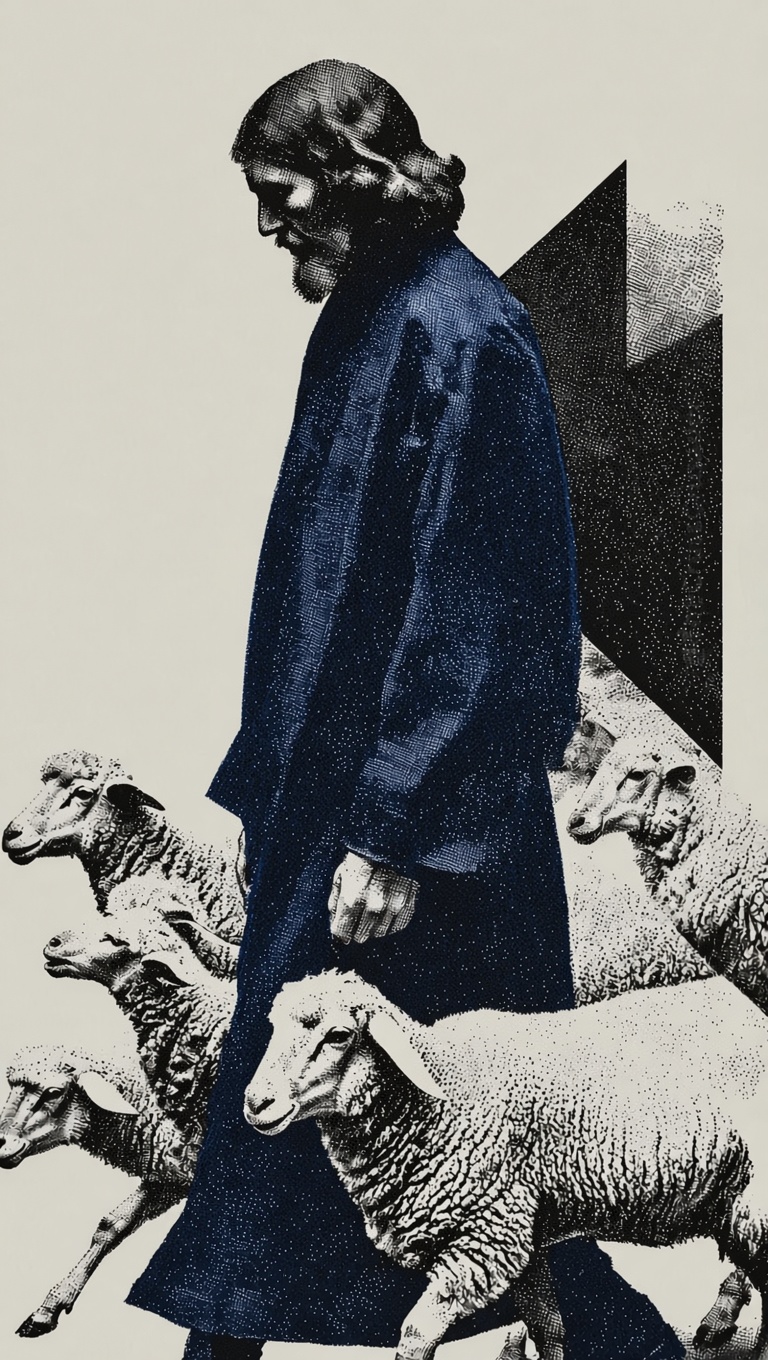
Scripture cuts through the haze with a warning: “Beware of false prophets, who come to you in sheep’s clothing, but inwardly they are ravenous wolves” (Matthew 7:15). Jesus didn’t mince words—these wolves don’t howl; they deceive, cloaked in innocence while hunger drives them. In the Israel-Palestine war, the wolves wear flags, not fleece—governments draped in the garb of justice or sovereignty, yet ravenous beneath. Matthew 7:15 isn’t just a caution; it’s a lens of discernment, urging us to see past the costumes to the controlled opposition fueling endless strife. These aren’t shepherds leading their people—they’re puppets serving a master we don’t name.
Hegel’s dialectic twists into view here: thesis, antithesis, synthesis. In theory, it resolves—two opposites clash, birthing something new. But in the Israel-Palestine war, the synthesis never comes. The controlled opposition locks it in perpetual conflict—Palestine the thesis, Israel the antithesis, and no resolution, just a cycle of war without end. The unseen masters pull the strings, and the dialectic bends to their will: chaos, not clarity. Matthew 7:15 echoes through this distortion—false prophets promise peace or triumph, but their wolfish hunger feeds on division, not deliverance.
This isn’t abstract—it’s the war we watch unfold. Decades pass, treaties falter, and the Israel-Palestine war churns on, a machine too perfect to be chance. The controlled opposition reveals itself in patterns: escalations timed too neatly, aid flowing too predictably, narratives too aligned to be organic. It’s evident if you look past the smoke—past the protests, the headlines, the tears—to the hands that profit while the land burns. Scripture’s call to discernment isn’t passive; it’s a demand to question the sheep’s clothing, to spot the wolves beneath the flags.
The controlled opposition isn’t invincible—it’s exposed when we see it. The Israel-Palestine war isn’t a duel of nations; it’s a stage, and we’re the audience, clapping for puppets while the masters count their take. Matthew 7:15 doesn’t just warn—it empowers us to peel back the artifice. Hegel’s endless dialectic isn’t fate; it’s a choice we can refuse. The strings are there, taut and trembling, if we dare to trace them. The war endures because it’s designed to—not by the people, but by the puppeteers.
So I ask: Do you see the strings, or just the puppets? The Israel-Palestine war spins its controlled opposition, and Matthew 7:15 calls us to look deeper—past the flags, past the smoke. The deceptive art dazzles, but discernment cuts. Are you watching the dance, or spotting the hands that lead it?