




Introduction: A Love Beyond the Veil of Time In a world captivated by fleeting appearances and societal norms, the poem Her Mature and Seasoned Soul unveils a love that transcends age, judgment, and time itself. With vivid imagery of a woman’s radiant soul and a youthful speaker’s boundless spirit, the poem captures a connection that
The poem “A Tool of Lucy” presents a chilling narrative of a soul ensnared by sin, embodying the archetype of a cold-hearted predator who spiritually and emotionally devastates others. Through its vivid imagery and raw confession, the poem invites exploration of profound philosophical and biblical themes: the nature of evil, the consequences of free will,
“At a young age, he was forced to prevail through hell, throwing pennies into the wishing well, hoping the wishes would heal the scars on his fleshy shell…” “At a young age, he was forced to prevail through hell, throwing pennies into the wishing well, hoping the wishes would heal the scars on his fleshy
Introduction I am joseph le artist, an artist unravelling the depths of human existence, yet I find myself haunted by a poem that paints the streets in blood and despair. The “roadmen” it describes—lost youths shaped by violence and fatherless homes—are more than figures in an urban tragedy. They are a mirror to a world
The poet’s words—“The weight of God’s glory / leaves me hunchbacked, like Notre-Dame. / Still, I am capable of withstanding / and bearing the glorious pain / from the colossal weight in my mind”—strike at the heart of a profound philosophical tension: the encounter between the finite human self and the infinite divine. This brief
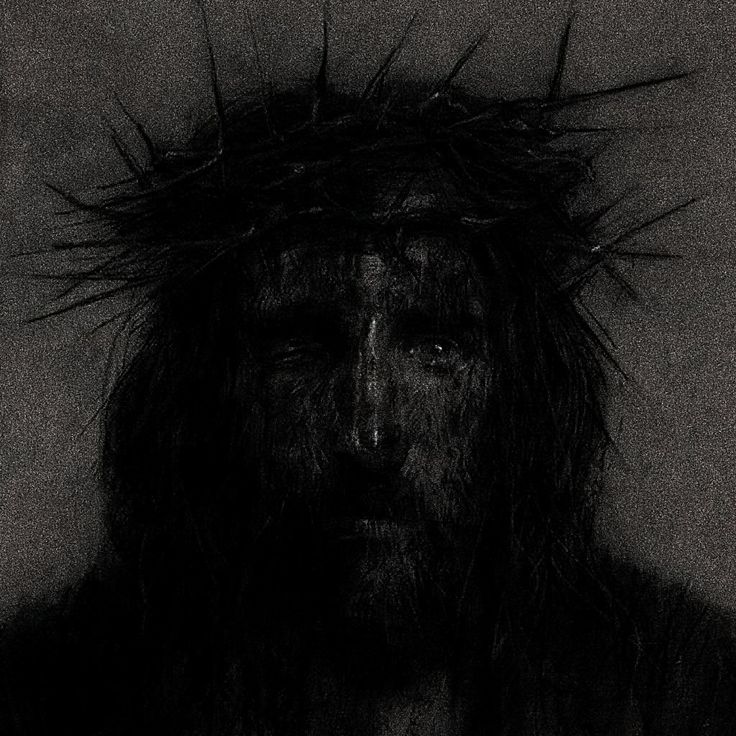
Even though the image of Jesus commonly portrayed in the Western world is historically inaccurate, mockery only carries power when it is directed at the true God—the One who holds authority over the world and the universe. Wearing that specific figure around the neck is not random; it targets the real authority behind the symbol, not merely the image itself.
The core idea here is that symbols transcend their physical or visual form. In semiotics (the study of signs and symbols), a symbol like the cross or an image of Jesus isn’t just an object—it’s a signifier pointing to a deeper signified reality. For Christians, the “true God” referenced is the triune God of the Bible: Father, Son (Jesus as the incarnate Word), and Holy Spirit, who is omnipotent and sovereign over creation (as described in passages like Psalm 115:3 or Colossians 1:16-17).
This hinges on a theological assertion: mockery has no inherent power unless it confronts something real and authoritative. In Christian thought, false gods or idols are powerless (e.g., Isaiah 44:9-20 mocks wooden idols as lifeless), so ridiculing them is futile—like punching a shadow. But targeting the “true God” (Yahweh, as revealed in Jesus) invites real consequences because He is the ultimate reality, not a human invention.
Introduction: A Love Beyond the Veil of Time In a world captivated by fleeting appearances and societal norms, the poem Her Mature and Seasoned Soul unveils a love that transcends age, judgment, and time itself. With vivid imagery of a woman’s radiant soul and a youthful speaker’s boundless spirit, the poem captures a connection that
The poem “A Tool of Lucy” presents a chilling narrative of a soul ensnared by sin, embodying the archetype of a cold-hearted predator who spiritually and emotionally devastates others. Through its vivid imagery and raw confession, the poem invites exploration of profound philosophical and biblical themes: the nature of evil, the consequences of free will,
“At a young age, he was forced to prevail through hell, throwing pennies into the wishing well, hoping the wishes would heal the scars on his fleshy shell…” “At a young age, he was forced to prevail through hell, throwing pennies into the wishing well, hoping the wishes would heal the scars on his fleshy
Introduction I am joseph le artist, an artist unravelling the depths of human existence, yet I find myself haunted by a poem that paints the streets in blood and despair. The “roadmen” it describes—lost youths shaped by violence and fatherless homes—are more than figures in an urban tragedy. They are a mirror to a world
The poet’s words—“The weight of God’s glory / leaves me hunchbacked, like Notre-Dame. / Still, I am capable of withstanding / and bearing the glorious pain / from the colossal weight in my mind”—strike at the heart of a profound philosophical tension: the encounter between the finite human self and the infinite divine. This brief
Introduction: A Love Beyond the Veil of Time In a world captivated by fleeting appearances and societal norms, the poem Her Mature and Seasoned Soul unveils a love that transcends age, judgment, and time itself. With vivid imagery of a woman’s radiant soul and a youthful speaker’s boundless spirit, the poem captures a connection that
The poem “A Tool of Lucy” presents a chilling narrative of a soul ensnared by sin, embodying the archetype of a cold-hearted predator who spiritually and emotionally devastates others. Through its vivid imagery and raw confession, the poem invites exploration of profound philosophical and biblical themes: the nature of evil, the consequences of free will,
“At a young age, he was forced to prevail through hell, throwing pennies into the wishing well, hoping the wishes would heal the scars on his fleshy shell…” “At a young age, he was forced to prevail through hell, throwing pennies into the wishing well, hoping the wishes would heal the scars on his fleshy
Introduction I am joseph le artist, an artist unravelling the depths of human existence, yet I find myself haunted by a poem that paints the streets in blood and despair. The “roadmen” it describes—lost youths shaped by violence and fatherless homes—are more than figures in an urban tragedy. They are a mirror to a world
The poet’s words—“The weight of God’s glory / leaves me hunchbacked, like Notre-Dame. / Still, I am capable of withstanding / and bearing the glorious pain / from the colossal weight in my mind”—strike at the heart of a profound philosophical tension: the encounter between the finite human self and the infinite divine. This brief
Introduction: A Love Beyond the Veil of Time In a world captivated by fleeting appearances and societal norms, the poem Her Mature and Seasoned Soul unveils a love that transcends age, judgment, and time itself. With vivid imagery of a woman’s radiant soul and a youthful speaker’s boundless spirit, the poem captures a connection that
The poem “A Tool of Lucy” presents a chilling narrative of a soul ensnared by sin, embodying the archetype of a cold-hearted predator who spiritually and emotionally devastates others. Through its vivid imagery and raw confession, the poem invites exploration of profound philosophical and biblical themes: the nature of evil, the consequences of free will,
“At a young age, he was forced to prevail through hell, throwing pennies into the wishing well, hoping the wishes would heal the scars on his fleshy shell…” “At a young age, he was forced to prevail through hell, throwing pennies into the wishing well, hoping the wishes would heal the scars on his fleshy
Introduction I am joseph le artist, an artist unravelling the depths of human existence, yet I find myself haunted by a poem that paints the streets in blood and despair. The “roadmen” it describes—lost youths shaped by violence and fatherless homes—are more than figures in an urban tragedy. They are a mirror to a world
The poet’s words—“The weight of God’s glory / leaves me hunchbacked, like Notre-Dame. / Still, I am capable of withstanding / and bearing the glorious pain / from the colossal weight in my mind”—strike at the heart of a profound philosophical tension: the encounter between the finite human self and the infinite divine. This brief
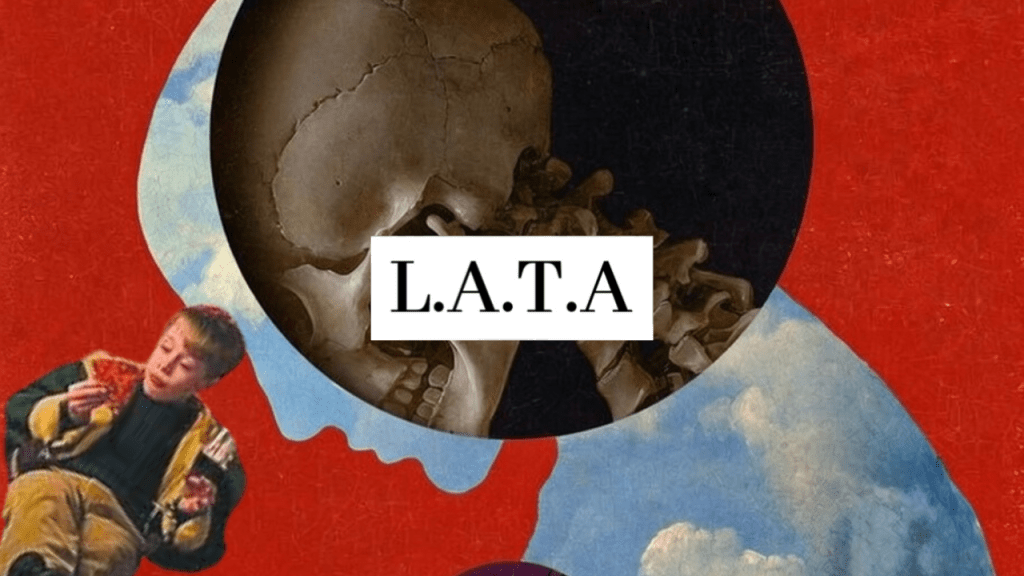
This poem offers a contemplative glimpse into the poet’s mind as they engage in everyday activities. The poem begins with the poet reflecting deeply while eating a slice of pizza, contemplating their spiritual fate. They reject the idea of going to hell and express a preference for going to heaven, demonstrating reverence and seeking forgiveness for past disobedience.
The poem then shifts to a modern scene of scrolling on a mobile device, which leaves the poet feeling mentally numb and paralyzed. This contrast between spiritual contemplation and digital distraction highlights the poet’s struggle to balance the two.
In the midst of this mental chaos, the poet reaffirms their faith, declaring that their devotion to Allah will never lead them to commit acts of terror in the name of religion. They speak of women in heaven as a divine surprise, indicating their respect for the spiritual rewards promised by their faith.
The poem concludes with the poet seeking solitude, sipping grape juice and reflecting on life. This final image ties together the themes of contemplation, spirituality, and the search for personal peace amid the distractions of modern life.
Introduction: A Love Beyond the Veil of Time In a world captivated by fleeting appearances and societal norms, the poem Her Mature and Seasoned Soul unveils a love that transcends age, judgment, and time itself. With vivid imagery of a woman’s radiant soul and a youthful speaker’s boundless spirit, the poem captures a connection that
The poem “A Tool of Lucy” presents a chilling narrative of a soul ensnared by sin, embodying the archetype of a cold-hearted predator who spiritually and emotionally devastates others. Through its vivid imagery and raw confession, the poem invites exploration of profound philosophical and biblical themes: the nature of evil, the consequences of free will,
“At a young age, he was forced to prevail through hell, throwing pennies into the wishing well, hoping the wishes would heal the scars on his fleshy shell…” “At a young age, he was forced to prevail through hell, throwing pennies into the wishing well, hoping the wishes would heal the scars on his fleshy
Introduction I am joseph le artist, an artist unravelling the depths of human existence, yet I find myself haunted by a poem that paints the streets in blood and despair. The “roadmen” it describes—lost youths shaped by violence and fatherless homes—are more than figures in an urban tragedy. They are a mirror to a world
The poet’s words—“The weight of God’s glory / leaves me hunchbacked, like Notre-Dame. / Still, I am capable of withstanding / and bearing the glorious pain / from the colossal weight in my mind”—strike at the heart of a profound philosophical tension: the encounter between the finite human self and the infinite divine. This brief
The cinematic portrayal of Malèna, in Giuseppe Tornatore’s 2000 film Malèna, serves as a profound allegory for the human condition, where beauty becomes both a divine gift and a crucible of existential isolation. Malèna, a woman of striking physical allure, navigates a Sicilian town steeped in patriarchal desire and judgment, her aura radiating a spiritual depth that transcends the superficial. Philosophically, her presence evokes Plato’s concept of the Ideal Form—beauty as a reflection of the divine, yet perpetually misunderstood by those bound to the material world. Her seashore solitude, as depicted in the film, mirrors the Stoic ideal of inner fortitude, where true strength lies in embracing one’s essence despite external clamor. Malèna’s beauty, like the poem’s “aura off the seashore,” invites us to question: Is beauty a bridge to the divine, or a veil that obscures the soul’s deeper truth?
The poem’s imagery of Malèna’s soul, trusted only by “a few friends and family,” and her body as “earthly dust,” resonates with the dualism of body and soul found in Augustine’s theology. Malèna knows her physical form is transient, a mere vessel subject to the lustful projections of others, yet her soul remains inviolable, a sacred enclave. This dichotomy mirrors the film’s portrayal of her as both idolized and ostracized, a paradox that echoes Heidegger’s concept of Geworfenheit—being “thrown” into a world that misunderstands one’s essence. Her choice to seek solace alone, “home all alone seeking solace,” aligns with the existentialist embrace of angst as a path to self-discovery. Malèna’s solitude is not mere withdrawal but a deliberate act of reclaiming her being, prompting us to ask: Is solitude the price of preserving one’s soul, or is it the only space where true communion with the divine occurs?
Ultimately, Malèna’s story, interwoven with the poem’s lyrical reverence, challenges us to confront the ephemeral nature of desire and the eternal quest for meaning. Her blush, yearned for by men “dying of lust,” symbolizes the fleeting nature of earthly passions, which crumble like dust against the timelessness of her spiritual allure. This evokes Spinoza’s pantheistic view of God as immanent in all things—Malèna’s beauty is not hers alone but a manifestation of the universal divine, misunderstood by those who see only the surface. Her journey, like the poem’s speaker observing her mind “like a wristwatch,” suggests a temporal struggle to grasp the eternal within the finite. Philosophically, Malèna becomes a cipher for the human soul’s paradox: to be seen yet unseen, to be desired yet unknowable. In her, we glimpse the eternal question: How do we reconcile the world’s gaze with the soul’s silent truth?