Dissected Threads
Tread One :
Inspiration from :

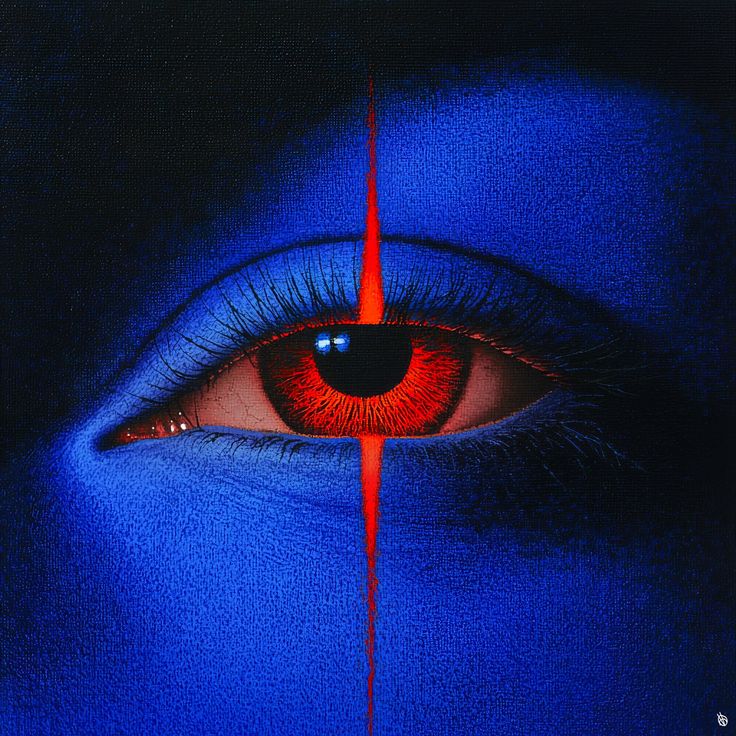
Dissected Threads Tread One : Inspired By :
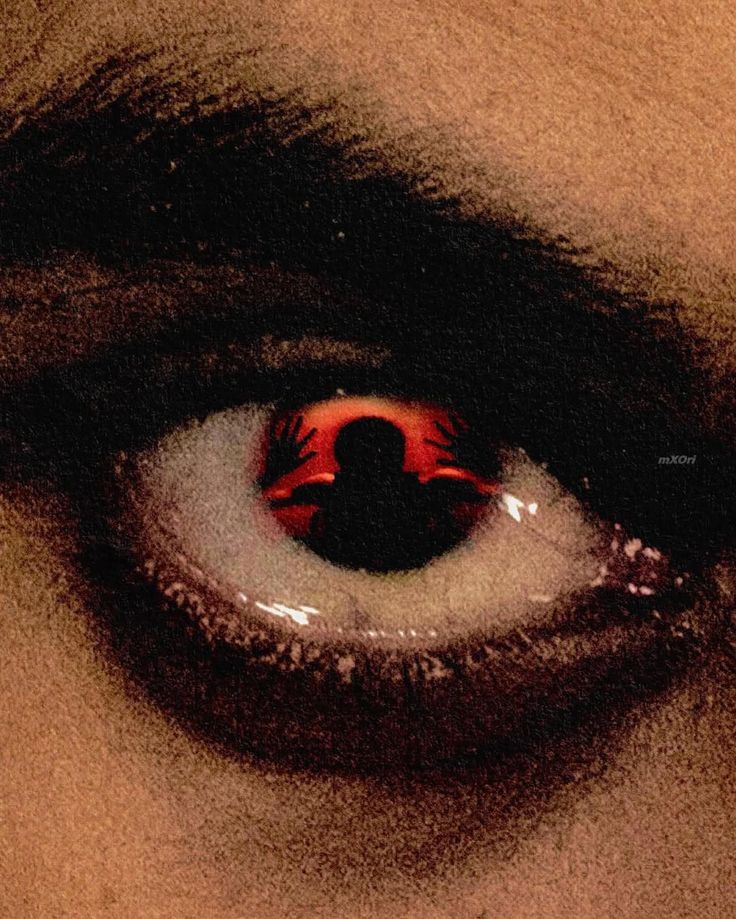
“At a young age, he was forced to prevail through hell, throwing pennies into the wishing well, hoping the wishes would heal the scars on his fleshy shell…” “At a young age, he was forced to prevail through hell, throwing pennies into the wishing well, hoping the wishes would heal the scars on his fleshy…
Dissected Threads Tread One : Inspired By :
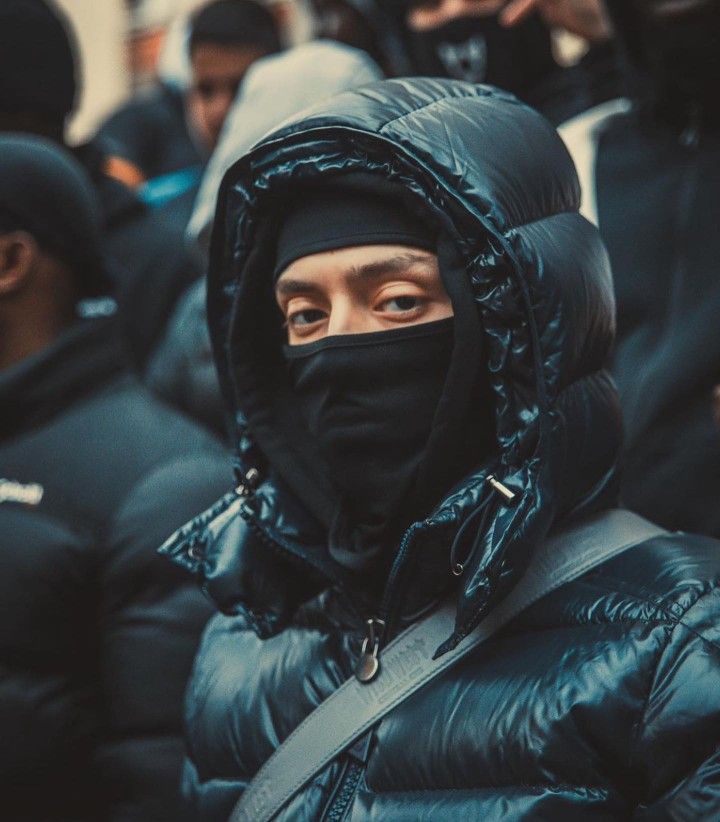
Introduction I am joseph le artist, an artist unravelling the depths of human existence, yet I find myself haunted by a poem that paints the streets in blood and despair. The “roadmen” it describes—lost youths shaped by violence and fatherless homes—are more than figures in an urban tragedy. They are a mirror to a world…
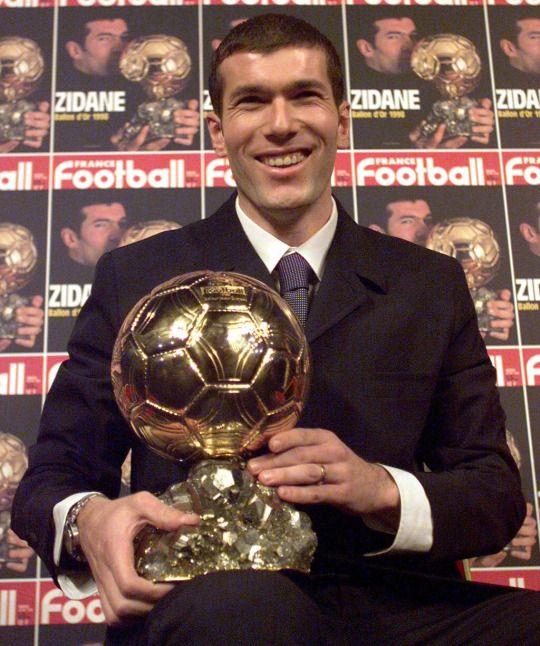
The poet’s words—“The weight of God’s glory / leaves me hunchbacked, like Notre-Dame. / Still, I am capable of withstanding / and bearing the glorious pain / from the colossal weight in my mind”—strike at the heart of a profound philosophical tension: the encounter between the finite human self and the infinite divine. This brief…
Dissected Threads Tread One :Art as a Spiritual Journey: Poetry, Life, and the Quest for Grace…(Blog) .
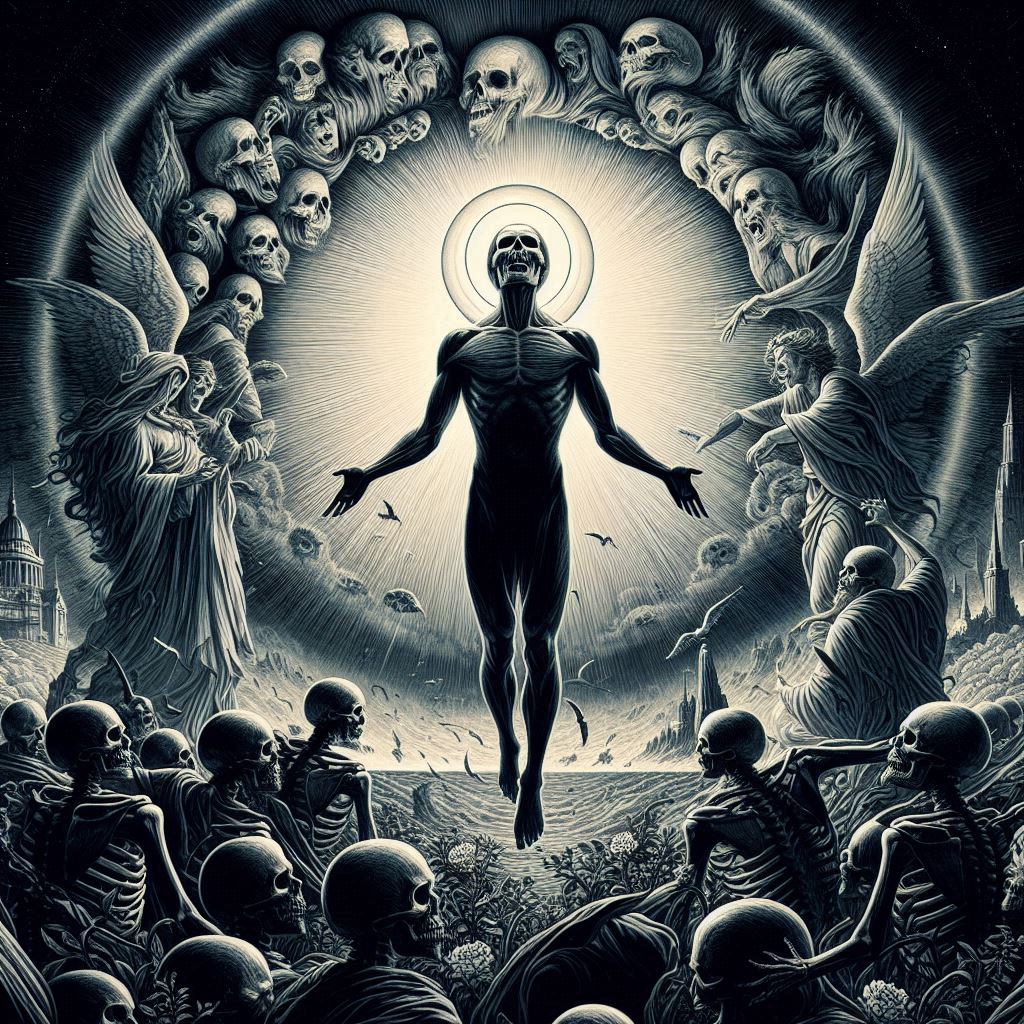
The poet’s words—“The weight of God’s glory / leaves me hunchbacked, like Notre-Dame. / Still, I am capable of withstanding / and bearing the glorious pain / from the colossal weight in my mind”—strike at the heart of a profound philosophical tension: the encounter between the finite human self and the infinite divine. This brief…
Dissected Threads Tread One : The Weight of Divine Glory: A Philosophical Reflection on Spiritual Burden.

The poem “Flannel and Cherubim Fabrics” resonates deeply with me, weaving a philosophical reflection on my struggle to define my authentic self against the soft, suffocating threads of cultural expectation. I feel culture stitching my soul with “soft and fuzzy fabrics” of flannel—warm, feminine, cozy—yet these threads leave my heart anxious, my true essence buried…
Dissected Threads
Tread One :
Inspiration from :
Dissected Threads Tread One : Inspired By :
“At a young age, he was forced to prevail through hell, throwing pennies into the wishing well, hoping the wishes would heal the scars on his fleshy shell…” “At a young age, he was forced to prevail through hell, throwing pennies into the wishing well, hoping the wishes would heal the scars on his fleshy…
Dissected Threads Tread One : Inspired By :
Introduction I am joseph le artist, an artist unravelling the depths of human existence, yet I find myself haunted by a poem that paints the streets in blood and despair. The “roadmen” it describes—lost youths shaped by violence and fatherless homes—are more than figures in an urban tragedy. They are a mirror to a world…
The poet’s words—“The weight of God’s glory / leaves me hunchbacked, like Notre-Dame. / Still, I am capable of withstanding / and bearing the glorious pain / from the colossal weight in my mind”—strike at the heart of a profound philosophical tension: the encounter between the finite human self and the infinite divine. This brief…
Dissected Threads Tread One :Art as a Spiritual Journey: Poetry, Life, and the Quest for Grace…(Blog) .
The poet’s words—“The weight of God’s glory / leaves me hunchbacked, like Notre-Dame. / Still, I am capable of withstanding / and bearing the glorious pain / from the colossal weight in my mind”—strike at the heart of a profound philosophical tension: the encounter between the finite human self and the infinite divine. This brief…
Dissected Threads Tread One : The Weight of Divine Glory: A Philosophical Reflection on Spiritual Burden.
The poem “Flannel and Cherubim Fabrics” resonates deeply with me, weaving a philosophical reflection on my struggle to define my authentic self against the soft, suffocating threads of cultural expectation. I feel culture stitching my soul with “soft and fuzzy fabrics” of flannel—warm, feminine, cozy—yet these threads leave my heart anxious, my true essence buried…
The human experience is a tapestry woven with threads of joy and sorrow, laughter and despair, each strand inseparable from the other. Few mediums capture this duality as vividly as comedy, a craft that transforms the absurdities and pains of existence into moments of shared catharsis. Yet, beneath the surface of every laugh lies a deeper question: What does it mean to find meaning in a world where happiness is fleeting and suffering is inevitable? Through the lens of comedy, and with a nod to the life and legacy of comedian and actor Robin Williams, we can explore the existential, psychological, and societal dimensions of this paradox, confronting the masks we wear, the voids we seek to fill, and the fragile beauty of our shared humanity.
The Comic as Existential Rebel: Laughter Against the Void
Philosophers have long grappled with the absurdity of existence. Albert Camus, in The Myth of Sisyphus, argued that life lacks inherent meaning, yet we must rebel against this absurdity by creating our own purpose. Comedy is one such rebellion—an act of defiance that transforms chaos into connection. The comedian, armed with wit and vulnerability, stands before the void and dares to laugh. This act is not mere entertainment but a philosophical stance, asserting humanity’s resilience in the face of an indifferent universe.
Comedy’s power lies in its ability to hold a mirror to our contradictions. It reveals the ridiculousness of our pretensions, the fragility of our certainties, and the universality of our struggles. Søren Kierkegaard, reflecting on the nature of existence, noted that “the same thing that makes one laugh makes one cry.” This interplay is the heart of comedy’s philosophical weight: it does not deny suffering but embraces it, weaving it into a shared experience that momentarily transcends isolation. The comedian becomes a guide, navigating the tension between despair and hope, inviting us to laugh at our own impermanence.
The Mask of the Jester: Comedy as a Double-Edged Sword
Yet, comedy is not always liberation; it can also be a mask. Sigmund Freud viewed humor as a defense mechanism, a way to deflect pain by reframing it. For the comedian, the stage becomes both a sanctuary and a prison—a space to externalize anguish but also a demand to perform joy on command. This paradox raises a profound question: Can one ever truly escape suffering through performance? Jean-Paul Sartre’s concept of “bad faith” suggests that living inauthentically—hiding one’s true self behind a role—leads to existential alienation. The comedian who dons the mask of mirth risks losing touch with their own humanity, trapped in a cycle of expectation and denial.
This tension is poignantly illustrated in the life of Robin Williams, whose frenetic energy and emotional depth left an indelible mark on comedy and cinema. Robin Williams (1951–2014), an American comedian and actor, was renowned for his improvisational genius in films like Good Morning, Vietnam (1987), Dead Poets Society (1989), Good Will Hunting (1997), and Mrs. Doubtfire (1993). His vibrant humor masked struggles with depression, addiction, and Lewy body dementia, culminating in his tragic suicide. Williams’ legacy reflects the interplay of laughter and pain, embodying the human condition’s complexity. His performances, whether as the irreverent DJ Adrian Cronauer or the grief-stricken therapist Sean Maguire, revealed a man who could pivot from hilarity to heartbreak, embodying Kierkegaard’s insight. In a 1991 Playboy interview, Williams described his stage persona as a “shield,” a way to outrun sadness. Yet, as the poet in the original query laments—“More vice, more plight, more numbness… Only to see suicide face to face”—the pursuit of “more” could not fill the void. Williams’ death in 2014 laid bare the limits of comedy as salvation, forcing us to confront the fragility of the masks we all wear.
The Social Mirror: Comedy as Collective Catharsis
Beyond the individual, comedy serves a societal function, holding a mirror to humanity’s flaws and aspirations. Henri Bergson argued that laughter corrects social rigidity, mocking inflexibility to foster fluidity and connection. The comedian, in this sense, is a cultural alchemist, transforming collective anxieties into shared relief. Williams’ work exemplified this role. In The Birdcage (1996), he championed acceptance through humor; in Mrs. Doubtfire, he explored the absurdity and tenderness of family. His improvisational style—wild, inclusive, and deeply human—invited audiences to laugh at their own imperfections, forging unity in a fractured world.
Yet, society often demands that comedians remain “on,” perpetuating the myth of the eternal jester. This expectation can be a form of exploitation, ignoring the humanity behind the performer’s mask. Hannah Arendt’s concept of the “banality of evil” finds a parallel in the banality of neglect—failing to see the person beneath the persona. Williams’ struggles with mental health were compounded by this pressure, as fans and media craved the next quip, the next burst of brilliance. His death sparked vital conversations about mental health and the cost of fame, but it also exposed our collective complicity in idealizing the “happy clown.” This raises an ethical question: How do we honor the humanity of those who make us laugh, without reducing them to mere vessels of joy?
The Fragile Beauty of Being Human
In the end, comedy’s philosophical depth lies in its embrace of the human condition in all its messiness. It does not resolve the tension between joy and sorrow but holds space for both, reminding us that to laugh is to live, even in the shadow of loss. Williams’ legacy is a testament to this truth. His performances were not escapes from pain but confrontations with it, offering moments of connection that linger long after the laughter fades. As Camus wrote, “One must imagine Sisyphus happy.” So too must we imagine the comedian—Williams included—finding fleeting joy in the act of rebellion, even as the boulder of existence rolls back down.
The poet’s lament—“As I hang myself, giving my final comedic sketch on stage”—captures the tragic irony of a life spent chasing laughter only to face despair. Yet, in Williams’ case, the stage was also a gift, a space where he touched millions with his humanity. His life invites us to reflect on our own masks, our own voids, and the ways we seek meaning. To laugh, to cry, to connect—these are not solutions to the absurdity of existence but affirmations of it. In the delicate balance of comedy and tragedy, we glimpse the fragile beauty of being human, a beauty that Robin Williams, in all his brilliance and brokenness, embodied until the end.
Dissected Threads Tread One : Inspired By :
“At a young age, he was forced to prevail through hell, throwing pennies into the wishing well, hoping the wishes would heal the scars on his fleshy shell…” “At a young age, he was forced to prevail through hell, throwing pennies into the wishing well, hoping the wishes would heal the scars on his fleshy…
Dissected Threads Tread One : Inspired By :
Introduction I am joseph le artist, an artist unravelling the depths of human existence, yet I find myself haunted by a poem that paints the streets in blood and despair. The “roadmen” it describes—lost youths shaped by violence and fatherless homes—are more than figures in an urban tragedy. They are a mirror to a world…
The poet’s words—“The weight of God’s glory / leaves me hunchbacked, like Notre-Dame. / Still, I am capable of withstanding / and bearing the glorious pain / from the colossal weight in my mind”—strike at the heart of a profound philosophical tension: the encounter between the finite human self and the infinite divine. This brief…
Dissected Threads Tread One :Art as a Spiritual Journey: Poetry, Life, and the Quest for Grace…(Blog) .
The poet’s words—“The weight of God’s glory / leaves me hunchbacked, like Notre-Dame. / Still, I am capable of withstanding / and bearing the glorious pain / from the colossal weight in my mind”—strike at the heart of a profound philosophical tension: the encounter between the finite human self and the infinite divine. This brief…
Dissected Threads Tread One : The Weight of Divine Glory: A Philosophical Reflection on Spiritual Burden.
The poem “Flannel and Cherubim Fabrics” resonates deeply with me, weaving a philosophical reflection on my struggle to define my authentic self against the soft, suffocating threads of cultural expectation. I feel culture stitching my soul with “soft and fuzzy fabrics” of flannel—warm, feminine, cozy—yet these threads leave my heart anxious, my true essence buried…

Dissected Threads
Tread One : The Mask of Mirth: A Philosophical Exploration of Comedy, Tragedy, and the Human Condition…(Blog)
Inspiration from :
Dissected Threads Tread One : Inspired By :
“At a young age, he was forced to prevail through hell, throwing pennies into the wishing well, hoping the wishes would heal the scars on his fleshy shell…” “At a young age, he was forced to prevail through hell, throwing pennies into the wishing well, hoping the wishes would heal the scars on his fleshy…
Dissected Threads Tread One : Inspired By :
Introduction I am joseph le artist, an artist unravelling the depths of human existence, yet I find myself haunted by a poem that paints the streets in blood and despair. The “roadmen” it describes—lost youths shaped by violence and fatherless homes—are more than figures in an urban tragedy. They are a mirror to a world…
The poet’s words—“The weight of God’s glory / leaves me hunchbacked, like Notre-Dame. / Still, I am capable of withstanding / and bearing the glorious pain / from the colossal weight in my mind”—strike at the heart of a profound philosophical tension: the encounter between the finite human self and the infinite divine. This brief…
Dissected Threads Tread One :Art as a Spiritual Journey: Poetry, Life, and the Quest for Grace…(Blog) .
The poet’s words—“The weight of God’s glory / leaves me hunchbacked, like Notre-Dame. / Still, I am capable of withstanding / and bearing the glorious pain / from the colossal weight in my mind”—strike at the heart of a profound philosophical tension: the encounter between the finite human self and the infinite divine. This brief…
Dissected Threads Tread One : The Weight of Divine Glory: A Philosophical Reflection on Spiritual Burden.
The poem “Flannel and Cherubim Fabrics” resonates deeply with me, weaving a philosophical reflection on my struggle to define my authentic self against the soft, suffocating threads of cultural expectation. I feel culture stitching my soul with “soft and fuzzy fabrics” of flannel—warm, feminine, cozy—yet these threads leave my heart anxious, my true essence buried…
To flirt with lust and passion is to step into a cosmic dance, a primal waltz with the divine that reverberates through both the fierce imagery of Kali, the Hindu goddess of destruction, and the sacrificial narratives of the Bible. Offering one’s severed head to Kali’s sacred garland or laying down one’s life at the cross represents a profound surrender—a philosophical and spiritual act that transcends desire to touch the eternal. This exploration weaves mythology, Christian theology, and existential reflection into a meditation on ego death, divine love, and transformation.
The Dance with Kali: Passion as Destruction and Creation
In Hindu mythology, Kali embodies paradox: creation born of destruction, life sustained by death. To dance with her, flirting with the raw energy of lust and passion, is to risk annihilation. The severed head offered to her garland symbolizes the surrender of ego, a concept mirrored in existential philosophy and spiritual traditions. This act, far from mere loss, integrates the devotee into the divine cycle, where passion’s fire clears the way for renewal. Keywords: Kali mythology, spiritual surrender, passion and destruction, ego death philosophy
Biblical Parallels: Sacrifice and Redemption
The Bible offers a striking parallel in its narratives of surrender and redemption. Samson’s passion for Delilah (Judges 16:4–21) leads to his metaphorical “beheading”—the loss of his strength—yet his final act of surrender aligns him with divine purpose, toppling the Philistine temple. Similarly, Christ’s teaching in John 12:24—“Unless a grain of wheat falls to the ground and dies, it produces many seeds”—frames death to self as the path to spiritual fruitfulness. The cross, like Kali’s garland, becomes a symbol of liberation through sacrifice. Keywords: biblical sacrifice, Samson and Delilah, John 12:24, Christian redemption
Paul’s words in Galatians 2:20—“I have been crucified with Christ and I no longer live, but Christ lives in me”—echo the devotee’s offering to Kali. Both traditions demand the death of the ego, a release of the finite self to embrace the infinite divine. Yet, Christianity infuses this surrender with redemptive hope. Christ’s resurrection (John 20:1–18) transforms the “severed head” into a promise of eternal life, contrasting Kali’s relentless cycle with the triumph of divine love. Keywords: Galatians 2:20, resurrection meaning, divine love, Christian surrender
The Philosophy of Surrender: Balancing Desire and Transcendence
To flirt with lust is to navigate a perilous edge, where desire can consume or illuminate. Philosophically, this dance evokes Nietzsche’s Dionysian chaos or Advaita Vedanta’s non-dual unity, where the self dissolves into the divine. The biblical call to “deny oneself” (Matthew 16:24) aligns with Kali’s demand for total surrender, but it tempers passion’s fire with the eternal flame of love described in Song of Solomon 8:6: “Love is as strong as death.” Keywords: philosophy of desire, non-dual spirituality, Matthew 16:24, Song of Solomon
The ethical question emerges: how do we engage passion without being consumed? Kali’s dance requires disciplined surrender, a conscious offering rather than blind indulgence. Similarly, Christian teachings advocate discernment, channeling desire toward divine alignment. This balance transforms lust from sin into a sacred fire, a portal to transcendence. Keywords: spiritual discipline, passion and discernment, sacred desire
Conclusion: A Universal Call to Transformation
Whether through Kali’s garland or Christ’s cross, the dance with passion invites us to surrender the ego, embracing destruction as a path to liberation. In Hindu and Christian contexts, this act reveals a universal truth: in dying to self, we awaken to the divine. To flirt with lust and passion is to worship at the altar of existence, trusting that in surrender, we find eternity. Keywords: spiritual transformation, universal spirituality, divine surrender
Dissected Threads Tread One : Inspired By :
“At a young age, he was forced to prevail through hell, throwing pennies into the wishing well, hoping the wishes would heal the scars on his fleshy shell…” “At a young age, he was forced to prevail through hell, throwing pennies into the wishing well, hoping the wishes would heal the scars on his fleshy…
Dissected Threads Tread One : Inspired By :
Introduction I am joseph le artist, an artist unravelling the depths of human existence, yet I find myself haunted by a poem that paints the streets in blood and despair. The “roadmen” it describes—lost youths shaped by violence and fatherless homes—are more than figures in an urban tragedy. They are a mirror to a world…
The poet’s words—“The weight of God’s glory / leaves me hunchbacked, like Notre-Dame. / Still, I am capable of withstanding / and bearing the glorious pain / from the colossal weight in my mind”—strike at the heart of a profound philosophical tension: the encounter between the finite human self and the infinite divine. This brief…
Dissected Threads Tread One :Art as a Spiritual Journey: Poetry, Life, and the Quest for Grace…(Blog) .
The poet’s words—“The weight of God’s glory / leaves me hunchbacked, like Notre-Dame. / Still, I am capable of withstanding / and bearing the glorious pain / from the colossal weight in my mind”—strike at the heart of a profound philosophical tension: the encounter between the finite human self and the infinite divine. This brief…
Dissected Threads Tread One : The Weight of Divine Glory: A Philosophical Reflection on Spiritual Burden.
The poem “Flannel and Cherubim Fabrics” resonates deeply with me, weaving a philosophical reflection on my struggle to define my authentic self against the soft, suffocating threads of cultural expectation. I feel culture stitching my soul with “soft and fuzzy fabrics” of flannel—warm, feminine, cozy—yet these threads leave my heart anxious, my true essence buried…

Dissected Threads
Tread One : The Sacred Dance of Surrender: A Philosophical and Biblical Exploration of Lust, Passion, and Transcendence