


Description
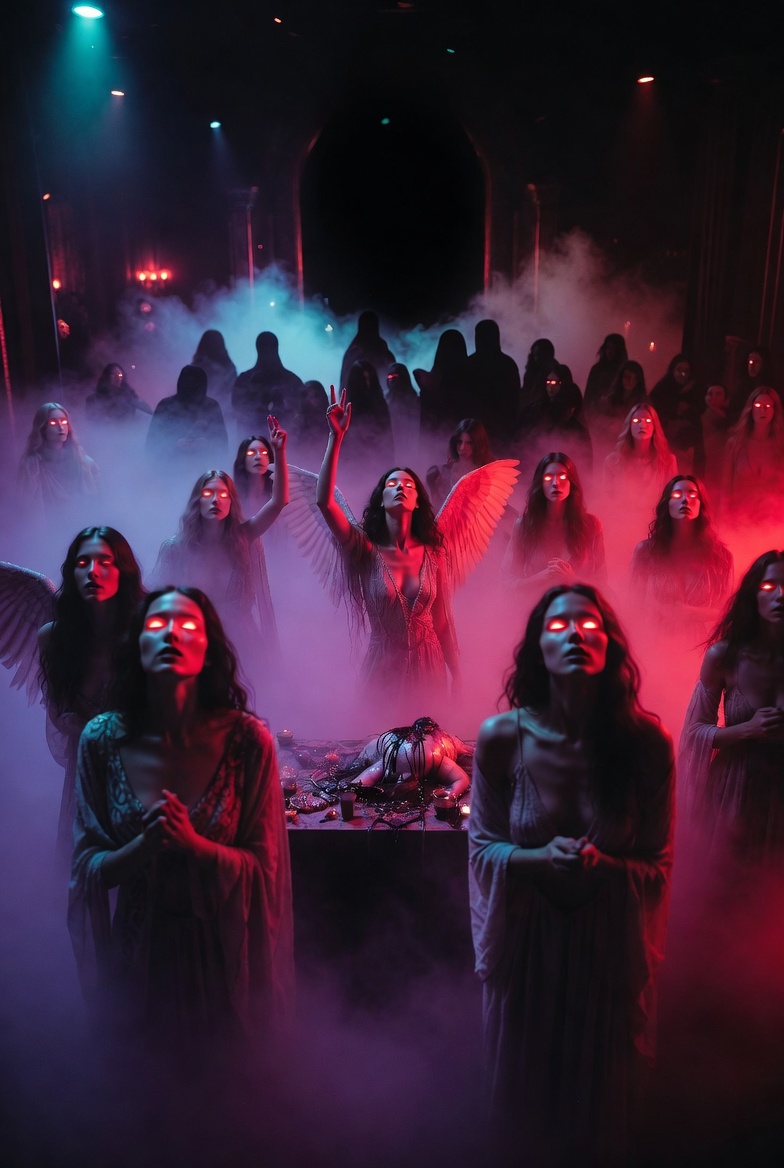
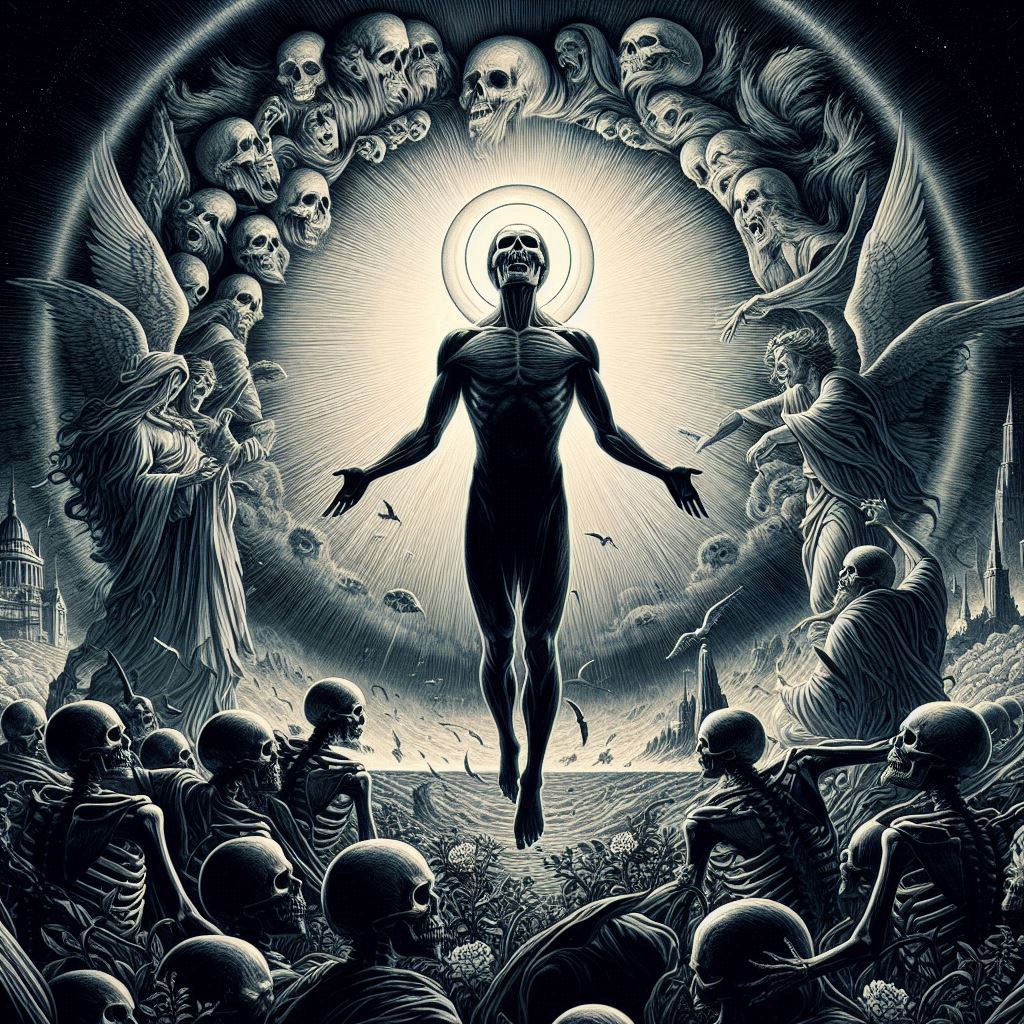
This poem explores the theme of spiritual conflict and moral temptation, using the symbolic setting of Babylon, an ancient civilization often associated with decadence, corruption, and moral decline. The speaker reflects on their loss of faith, highlighting the struggle between spiritual ideals and worldly desires.
Key Elements and Themes:
- Loss of Faith:
- The poem opens with the line “Putting my faith in you has been forgotten,” immediately establishing a sense of spiritual abandonment. The speaker admits that their faith has waned, leading them to drift away from their previous beliefs.
- Symbolism of Babylon:
- Babylon represents a place of moral decay and temptation. By “swerving through Babylon,” the speaker navigates through a world where “power and perversion reign with passion.” Babylon serves as a metaphor for the challenges and temptations the speaker faces in life.
- Temptation and Deception:
- The speaker questions the value of maintaining faith when faced with the allure of “Babylonian women” whose “deceptive beauty” blinds them with grace. This symbolizes the temptation to indulge in worldly pleasures, despite their potential to lead one astray.
- Blasphemy and Curses:
- The speaker acknowledges that waiting for “heaven to come to earth” feels like blasphemy, suggesting that their hope for divine intervention or spiritual fulfillment has turned into frustration. Their heart, now “filled with curses,” indicates a deep sense of inner turmoil and resentment.
- Embracing Sin:
- The poem concludes with the speaker’s decision to “let my wild sins sit on the throne in an instant.” This act of showing “reverence” to their sins symbolizes a conscious choice to embrace their darker impulses, fully succumbing to the temptations of Babylon.
- Conflict and Resignation:
- Throughout the poem, there’s a tension between spiritual aspiration and the pull of worldly desires. The speaker ultimately resigns to the latter, finding a twisted form of reverence in the very things that lead them away from faith.
Overall Description:
The poem is a powerful expression of the internal conflict between faith and temptation, set against the backdrop of Babylon, a symbol of moral decay. The speaker’s journey through Babylon mirrors their struggle with the seductive allure of sin and the resulting loss of faith. The imagery of “power and perversion” ruling with “passion” captures the intensity of this battle, while the speaker’s ultimate decision to “reverence” their sins reflects a profound sense of resignation and spiritual despair.