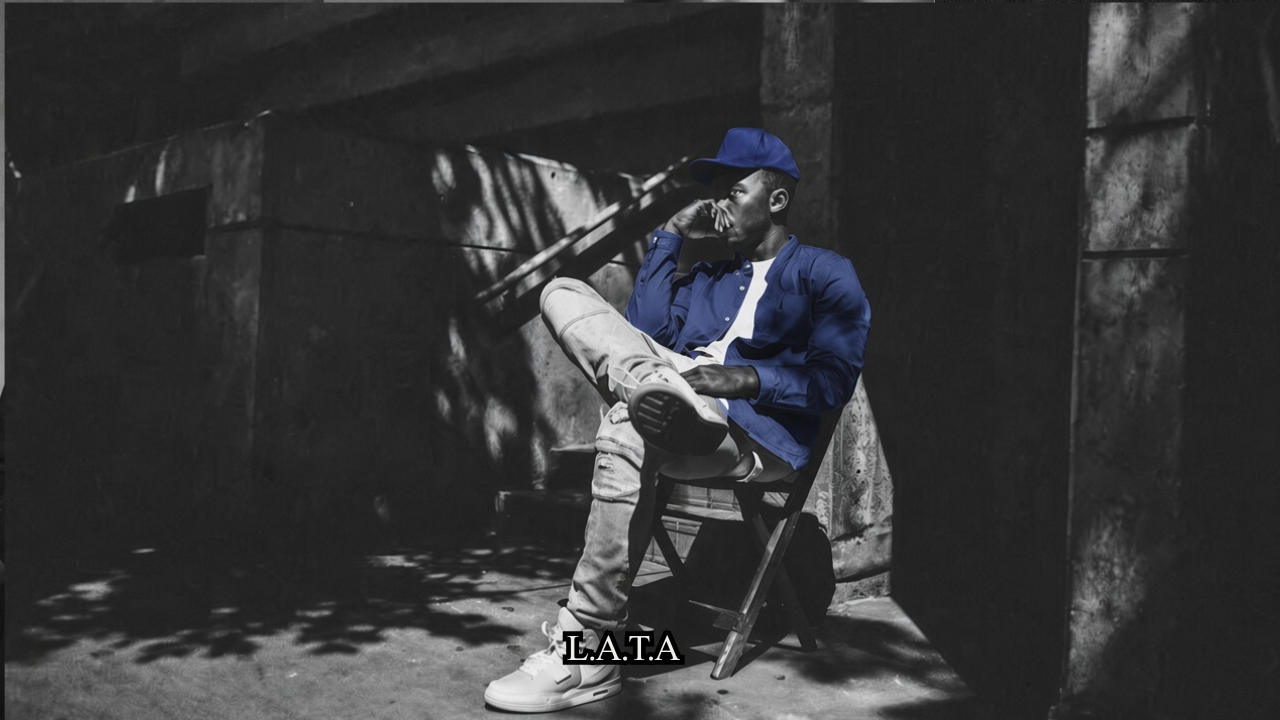









The concept of “broken soul ties” in the poem resonates with Martin Buber’s I-Thou philosophy, which champions authentic, mutual relationships where individuals encounter each other as sacred subjects. When soul ties break, it signals a collapse of this I-Thou dynamic, reducing others to mere objects (I-It), fostering isolation and distrust. This erosion of trust, as the poem suggests, extends beyond human connections to a profound alienation from “God up above,” reflecting an existential crisis where both human and divine relationships are fractured, leaving the self disconnected and wary.
Biblical Take: The poem’s portrayal of broken trust echoes Psalm 55:12-14, where David grieves the betrayal of a trusted companion, capturing the deep wound of severed soul ties—intimate emotional or spiritual bonds. Biblically, such ties can turn destructive when rooted in sin, as seen in 1 Corinthians 6:16, which warns against unholy unions. The poem’s distrust in God mirrors a spiritual rupture, yet scriptures like Proverbs 3:5-6 offer hope, urging reliance on the Lord to mend brokenness and restore trust in both divine and human relationships through faith and healing.
The Problem of Trust: Broken soul ties, whether philosophical or biblical, create a pervasive trust deficit that destabilizes relationships and spiritual grounding. Philosophically, the shift from I-Thou to I-It dehumanizes connections, breeding suspicion and disconnection. Biblically, betrayal and sinful bonds deepen this wound, challenging faith in God and others. The poem’s lament of distrust reflects this dual alienation, yet both perspectives suggest a path forward: Buber’s call to re-engage authentically and scripture’s promise of divine restoration point to rebuilding trust through intentional, faithful reconnection with the human and the divine.