








The third Tread from “Call Me A.C Green..(Poem):
“Battling Lust: Protecting My Eternal Sunshine in a Lustful World
“
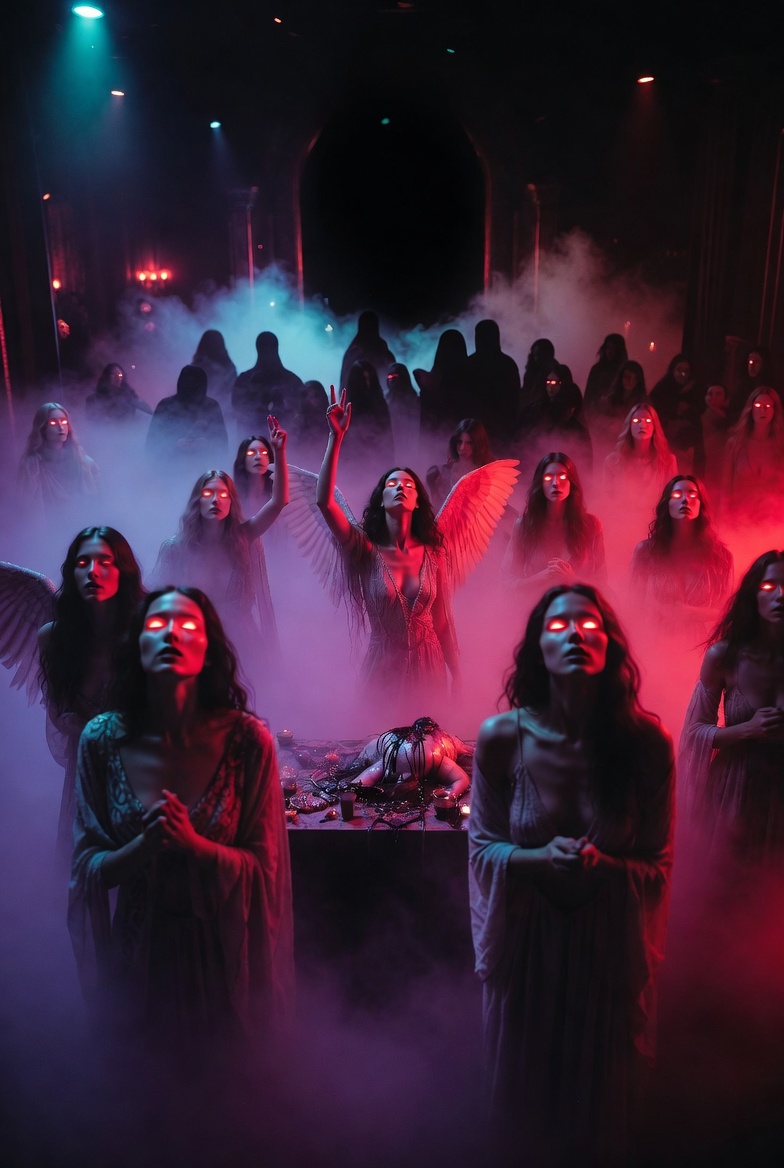
“Each day, I battle this lustful world, keeping it from blinding my eternal sunshine.” That’s the rhythm of my life—a constant push and pull against a tide of temptation that threatens to dim what matters most. This isn’t a fight I stumble into; it’s a deliberate stand I take every morning when I wake up and every night when I lay my head down. The lustful world is relentless, a storm of desires that swirls around me, but my eternal sunshine—the purity and radiance of my soul—is worth protecting. Plato’s allegory of the cave echoes in my mind here, yet scripture gives me the strength to stand firm: “Flee from sexual immorality” (1 Corinthians 6:18). This battle isn’t just resistance—it’s a pursuit of something brighter, something lasting.
The Lustful World
Let’s call it what it is: we live in a lustful world. It’s not just about sex—it’s about the constant barrage of craving, the way everything from ads to apps pushes me to want more, feel more, chase more. Lust isn’t always loud; sometimes it’s a whisper—a quick glance, a fleeting thought, a subtle nudge to let my guard down. But I’ve seen what happens when I don’t fight back. It’s not just a moment of weakness; it’s a shadow that creeps over my eternal sunshine, dulling the clarity I’ve worked so hard to hold onto. This world doesn’t rest, and neither can I if I want to keep my radiance intact.
This battle feels personal because it is. Temptation isn’t some abstract force—it’s tailored to my weaknesses, testing my resolve in ways that hit close to home. A lustful world doesn’t care about my goals or my faith; it just wants me to cave. But I’m not here to let it win. I’m here to guard what’s mine, to keep my soul’s light from being swallowed up.
Plato’s Shadows and My Sunshine
Philosophers like Plato have wrestled with this idea for centuries. In his allegory of the cave, he describes people chained in darkness, mistaking shadows on the wall for reality. The lustful world feels like that cave—full of flickering temptations that promise satisfaction but deliver emptiness. Lust is a shadow, a distortion of something real, and if I stare at it too long, I risk losing sight of the sun outside. My eternal sunshine isn’t just a feeling; it’s the truth of who I am when I’m free from those chains—the purity and radiance that come from living with intention.
Plato’s cave isn’t just a story—it’s a warning. The longer I linger on those shadows, the harder it is to turn toward the light. That’s why this battle matters. Every time I resist temptation, I’m stepping out of the cave, choosing the real over the illusion. Lust might dazzle for a moment, but it can’t hold a candle to the steady glow of my eternal sunshine.
Scripture as My Sword
Philosophy gives me perspective, but scripture gives me power. 1 Corinthians 6:18 cuts straight to the point: “Flee from sexual immorality.” It’s not a suggestion—it’s a command, urgent and clear. Fleeing isn’t weakness; it’s strategy. When lust comes knocking, I don’t stand there debating it—I run the other way, straight toward the purity I’m fighting for. This isn’t about shame or fear; it’s about knowing what’s at stake. My eternal sunshine is too precious to let a moment of temptation snuff it out.
Scripture doesn’t just tell me to run—it shows me why. Sexual immorality, in all its forms, isn’t just a physical act; it’s a spiritual weight that dims my radiance. 1 Corinthians 6:18 goes on to say that it’s a sin against my own body, a betrayal of the temple God gave me. That’s what keeps me in this battle—not guilt, but a fierce love for the light I carry inside.
The Fight for Purity
Purity isn’t a buzzword for me—it’s the heart of my eternal sunshine. It’s not about being perfect; it’s about being whole, unclouded by the haze of a lustful world. This battle against lust isn’t passive—I’m not just dodging temptation, I’m chasing radiance. Every “no” to lust is a “yes” to something better: peace, clarity, a soul that shines without apology. The lustful world wants me to settle for fleeting sparks, but I’m holding out for a fire that doesn’t fade.
Some days, the fight is harder than others. Temptation doesn’t always announce itself—it sneaks in, quiet and cunning. But I’ve learned its tricks. I surround myself with reminders of my purpose—friends who get it, music that lifts me, words from scripture that anchor me. When lust tugs, I don’t wrestle it alone; I lean on what keeps my sunshine alive.
Radiance Worth Protecting
In the end, this battle isn’t about what I’m against—it’s about what I’m for. My eternal sunshine is the radiance of a life lived on my terms, not the world’s. Lust might blind me for a moment, but it can’t touch what I’ve built through faith and resolve. Plato saw the sun as truth; scripture calls it holiness. For me, it’s both—a light that no lustful world can extinguish.
So I keep fighting, day by day. Not because it’s easy, but because it’s worth it. My eternal sunshine isn’t just a glow—it’s my victory, my proof that purity and radiance can thrive even in the thick of the storm.
The Second Tread from “Call Me A.C Green..(Poem):
“Purpose Over Pleasure: How I Stay Focused on Life’s Court Like A.C. Green”
 LifeandTimelessart