Fragment Blog
Other Blogs
Inspired By :

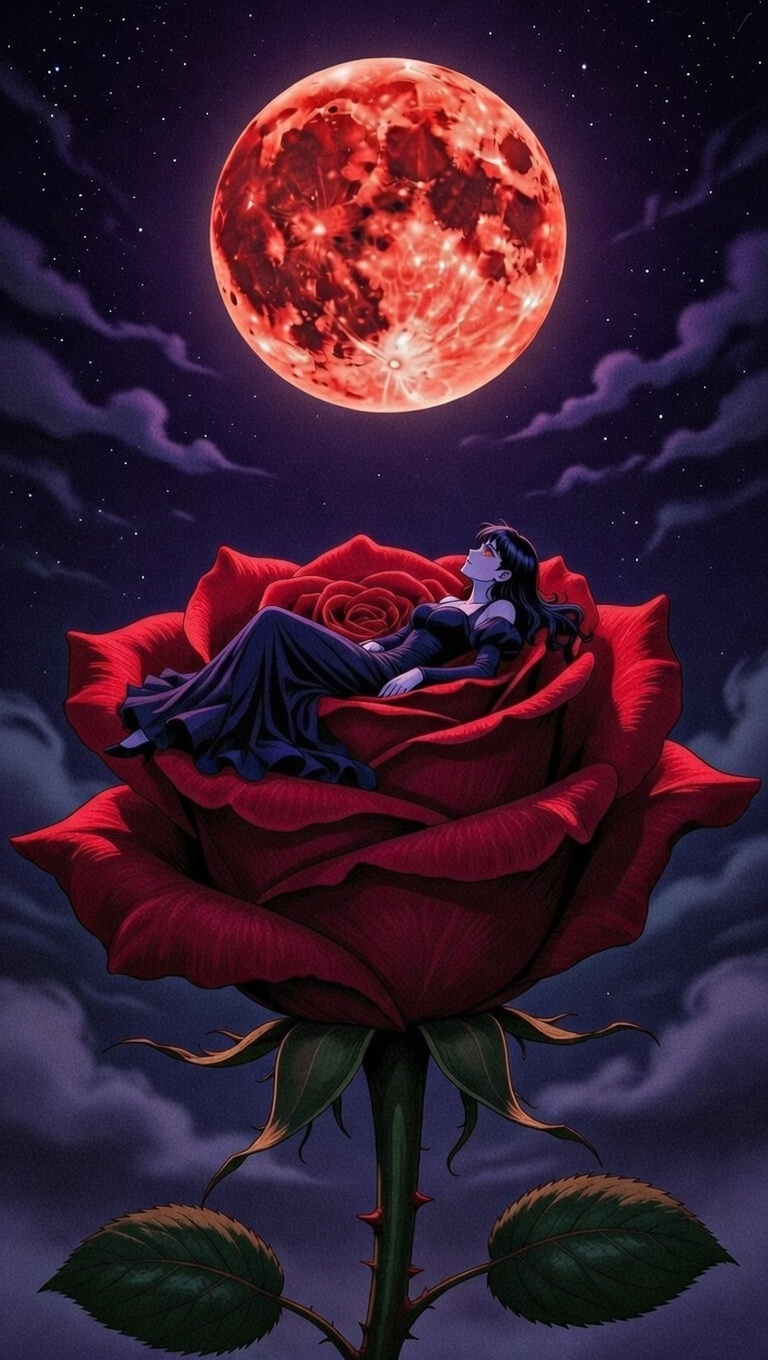
IntroHit The Gas… is a vivid meditation on impatience, desire, and the fragile illusion of escaping time. Through striking imagery of shattered hourglasses, blood-soaked moons, and frozen skies, the poem captures a desperate attempt to outrun mortality in pursuit of love. In that suspended moment, time bends and intimacy feels infinite—but reality inevitably restores its…

We live in a time where love is labelled toxic while lust is celebrated as liberation, and that contradiction should trouble us. Love asks for discipline, sacrifice, and commitment — qualities that build stability — yet it is side-lined and neglected, waiting on the bench of modern culture. Lust, on the other hand, is praised,…

Mechanical Love explores the haunting idea of love stripped of free will. The poem imagines a world where human agency is buried “six feet deep,” replaced by chemical impulses and mechanical repetition. Joseph Le Artist presents love not as a conscious choice, but as a programmed reaction—driven by dopamine rather than desire. The transformation into…
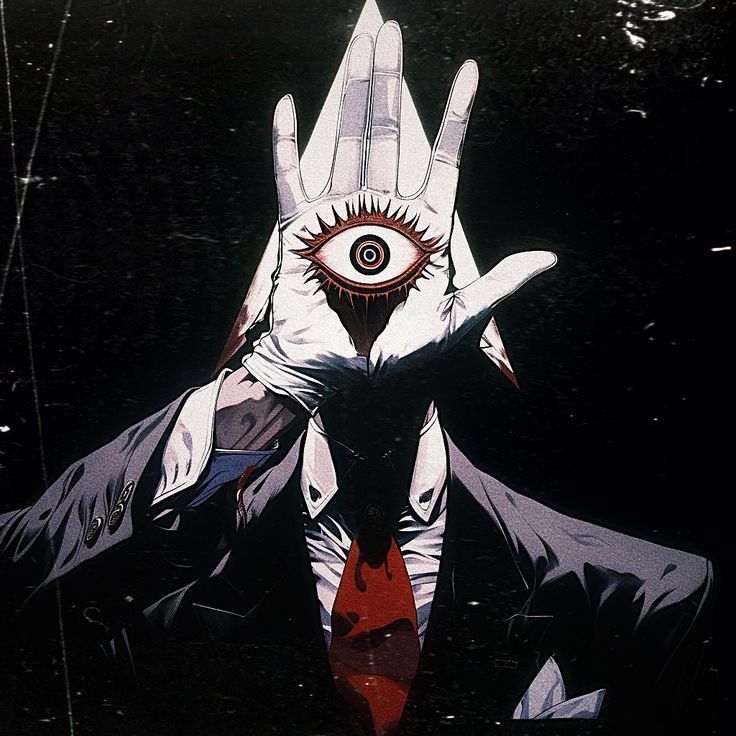
Power no longer hides in shadows it flickers on our screens, injected into daily life while we run the wheels built for someone else’s amusement. Eyes open, minds on cruise, we mistake repetition for truth and noise for freedom. Epstein becomes a symbol of the rot behind the curtain, where influence circulates quietly, systems feed…
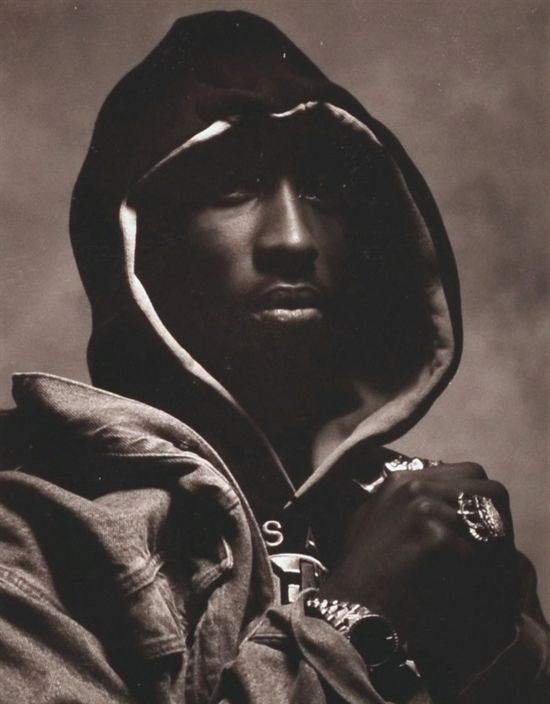
Intro:This poem descends into the moment betrayal is no longer hidden and rage learns to speak. What begins as loyalty rots into illusion, and from that fracture, wrath is born—not as chaos, but as intention. Read with caution: this is the anatomy of a soul pushed past forgiveness. Outro:And when the echoes fade, what remains…

In the relentless tick of the wristwatch, time reveals its cruel indifference—Father Time eroding youth, flesh, and fragile hopes into dust, while death lingers like an inevitable embrace. This piece confronts the quiet terror of running out of moments for authentic love, crushed instead by the heavy, hollow weight of lust and repeated defeats. What…
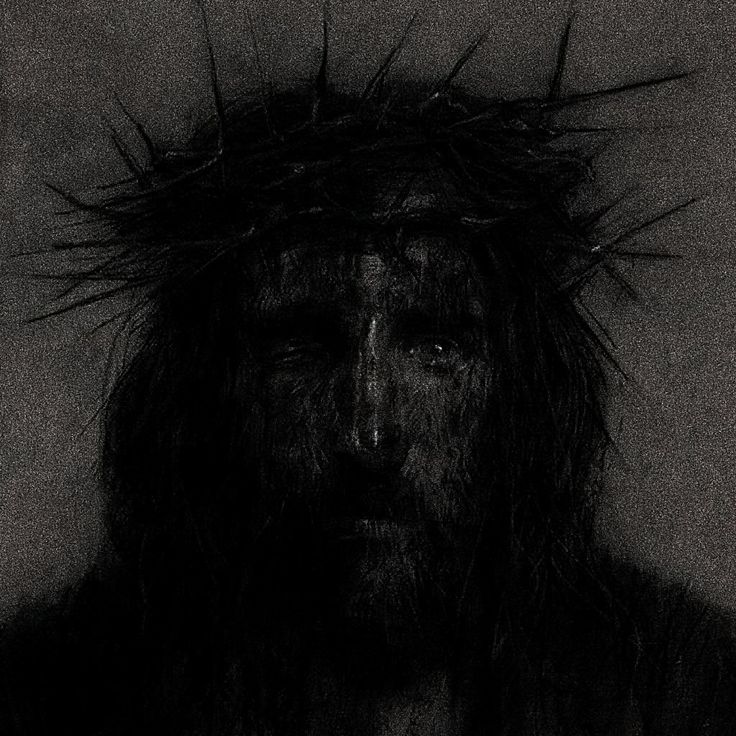
Even though the image of Jesus commonly portrayed in the Western world is historically inaccurate, mockery only carries power when it is directed at the true God—the One who holds authority over the world and the universe. Wearing that specific figure around the neck is not random; it targets the real authority behind the symbol,…
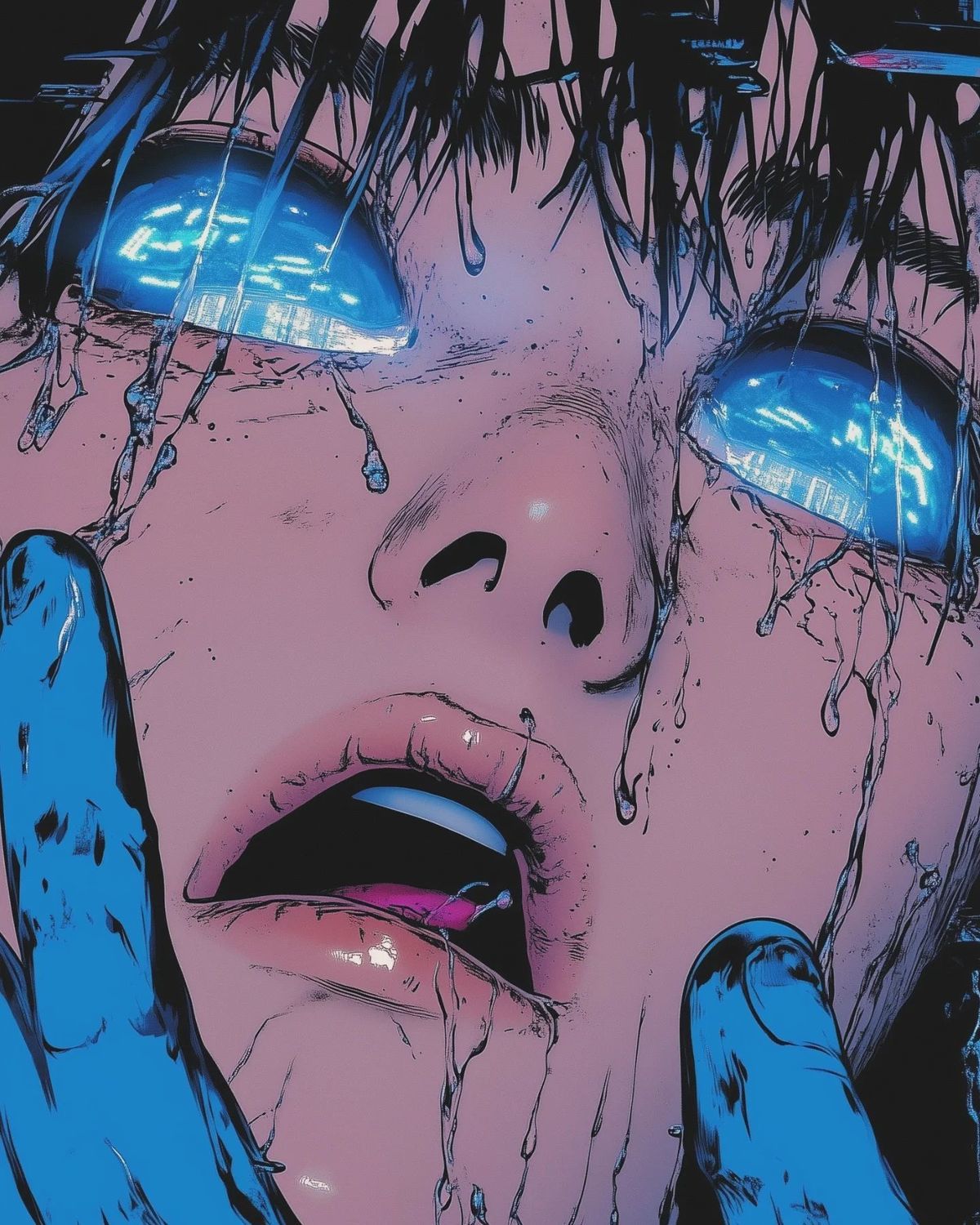
This poem is for people haunted by eyes that once sparkled with wonder, now overflowing with ruin. She chose and obsessed—to go to the soul cage.I wrote this once I saw: love without real caution is just code waiting to flood.Faith sank deeper when pretence ended and her obsession met my disarray.No sermon here just…
Fragment Blog
Other Blogs
Inspired By :
IntroHit The Gas… is a vivid meditation on impatience, desire, and the fragile illusion of escaping time. Through striking imagery of shattered hourglasses, blood-soaked moons, and frozen skies, the poem captures a desperate attempt to outrun mortality in pursuit of love. In that suspended moment, time bends and intimacy feels infinite—but reality inevitably restores its…
We live in a time where love is labelled toxic while lust is celebrated as liberation, and that contradiction should trouble us. Love asks for discipline, sacrifice, and commitment — qualities that build stability — yet it is side-lined and neglected, waiting on the bench of modern culture. Lust, on the other hand, is praised,…
Mechanical Love explores the haunting idea of love stripped of free will. The poem imagines a world where human agency is buried “six feet deep,” replaced by chemical impulses and mechanical repetition. Joseph Le Artist presents love not as a conscious choice, but as a programmed reaction—driven by dopamine rather than desire. The transformation into…
Power no longer hides in shadows it flickers on our screens, injected into daily life while we run the wheels built for someone else’s amusement. Eyes open, minds on cruise, we mistake repetition for truth and noise for freedom. Epstein becomes a symbol of the rot behind the curtain, where influence circulates quietly, systems feed…
Intro:This poem descends into the moment betrayal is no longer hidden and rage learns to speak. What begins as loyalty rots into illusion, and from that fracture, wrath is born—not as chaos, but as intention. Read with caution: this is the anatomy of a soul pushed past forgiveness. Outro:And when the echoes fade, what remains…
In the relentless tick of the wristwatch, time reveals its cruel indifference—Father Time eroding youth, flesh, and fragile hopes into dust, while death lingers like an inevitable embrace. This piece confronts the quiet terror of running out of moments for authentic love, crushed instead by the heavy, hollow weight of lust and repeated defeats. What…
Even though the image of Jesus commonly portrayed in the Western world is historically inaccurate, mockery only carries power when it is directed at the true God—the One who holds authority over the world and the universe. Wearing that specific figure around the neck is not random; it targets the real authority behind the symbol,…
This poem is for people haunted by eyes that once sparkled with wonder, now overflowing with ruin. She chose and obsessed—to go to the soul cage.I wrote this once I saw: love without real caution is just code waiting to flood.Faith sank deeper when pretence ended and her obsession met my disarray.No sermon here just…
Fragment Poem
Other Blogs
Inspired By :
IntroHit The Gas… is a vivid meditation on impatience, desire, and the fragile illusion of escaping time. Through striking imagery of shattered hourglasses, blood-soaked moons, and frozen skies, the poem captures a desperate attempt to outrun mortality in pursuit of love. In that suspended moment, time bends and intimacy feels infinite—but reality inevitably restores its…
We live in a time where love is labelled toxic while lust is celebrated as liberation, and that contradiction should trouble us. Love asks for discipline, sacrifice, and commitment — qualities that build stability — yet it is side-lined and neglected, waiting on the bench of modern culture. Lust, on the other hand, is praised,…
Mechanical Love explores the haunting idea of love stripped of free will. The poem imagines a world where human agency is buried “six feet deep,” replaced by chemical impulses and mechanical repetition. Joseph Le Artist presents love not as a conscious choice, but as a programmed reaction—driven by dopamine rather than desire. The transformation into…
Power no longer hides in shadows it flickers on our screens, injected into daily life while we run the wheels built for someone else’s amusement. Eyes open, minds on cruise, we mistake repetition for truth and noise for freedom. Epstein becomes a symbol of the rot behind the curtain, where influence circulates quietly, systems feed…
Intro:This poem descends into the moment betrayal is no longer hidden and rage learns to speak. What begins as loyalty rots into illusion, and from that fracture, wrath is born—not as chaos, but as intention. Read with caution: this is the anatomy of a soul pushed past forgiveness. Outro:And when the echoes fade, what remains…
In the relentless tick of the wristwatch, time reveals its cruel indifference—Father Time eroding youth, flesh, and fragile hopes into dust, while death lingers like an inevitable embrace. This piece confronts the quiet terror of running out of moments for authentic love, crushed instead by the heavy, hollow weight of lust and repeated defeats. What…
Even though the image of Jesus commonly portrayed in the Western world is historically inaccurate, mockery only carries power when it is directed at the true God—the One who holds authority over the world and the universe. Wearing that specific figure around the neck is not random; it targets the real authority behind the symbol,…
This poem is for people haunted by eyes that once sparkled with wonder, now overflowing with ruin. She chose and obsessed—to go to the soul cage.I wrote this once I saw: love without real caution is just code waiting to flood.Faith sank deeper when pretence ended and her obsession met my disarray.No sermon here just…
The Quiet Triumph of the authentic youth In certain corners of the world, virtue is punished before it is ever rewarded. To be young, sharp-minded, and clean-handed is to invite contempt. The clever boy who reads instead of robbing, the girl who dreams in metaphors instead of carrying a blade—these are branded as inauthentic, as outsiders to “real” life. Purity becomes a stain; a blank criminal record, a mark of shame. In the economy of the streets, innocence has no currency. Only spilled blood buys respect. This inversion of values is not new. Societies have always had their rites of passage, their sacrificial altars. What changes is the idol on the altar. Where once we demanded the young prove themselves through courage, discipline, or creation, some subcultures now demand proof through destruction—preferably of someone else, but of the self if necessary. To refuse that offering is to be cast out as “uncool,” as someone who has not truly lived.Yet the poem reminds us of a colder truth: the grave is the great equalizer, and it does not negotiate. The villainous youth who chased the dragon of reputation often find it first—six feet deep before the story has properly begun. Their names become cautionary tales whispered by the next generation, fairy tales with real corpses. Meanwhile, the ones who were mocked for keeping their hands clean, for defining life through “the void and darkest weather” without adding to the darkness—they endure. Quietly. Uncelebrated. Alive.There is a deep philosophical irony here. The path that promises immediate belonging, adrenaline, and mythic status leads most reliably to oblivion. The path that offers only the cold shoulder in the present grants the only thing that ultimately matters: a future. Authenticity, it turns out, is not measured by how loudly the crowd cheers in your twenties, but by whether you are still breathing in your thirties to tell a different story.The authentic youth prevail not because destiny favors them, not because some cosmic justice intervenes, but because they refuse to trade the infinite possibilities of a long life for the fleeting applause of a culture already burning itself out. In the end, the ones who seemed most alive were only hurrying toward death. The ones dismissed as mediocre inherited the only victory that cannot be taken away: tomorrow.
Fragment Poem
Other Blogs
Inspired By :
IntroHit The Gas… is a vivid meditation on impatience, desire, and the fragile illusion of escaping time. Through striking imagery of shattered hourglasses, blood-soaked moons, and frozen skies, the poem captures a desperate attempt to outrun mortality in pursuit of love. In that suspended moment, time bends and intimacy feels infinite—but reality inevitably restores its…
We live in a time where love is labelled toxic while lust is celebrated as liberation, and that contradiction should trouble us. Love asks for discipline, sacrifice, and commitment — qualities that build stability — yet it is side-lined and neglected, waiting on the bench of modern culture. Lust, on the other hand, is praised,…
Mechanical Love explores the haunting idea of love stripped of free will. The poem imagines a world where human agency is buried “six feet deep,” replaced by chemical impulses and mechanical repetition. Joseph Le Artist presents love not as a conscious choice, but as a programmed reaction—driven by dopamine rather than desire. The transformation into…
Power no longer hides in shadows it flickers on our screens, injected into daily life while we run the wheels built for someone else’s amusement. Eyes open, minds on cruise, we mistake repetition for truth and noise for freedom. Epstein becomes a symbol of the rot behind the curtain, where influence circulates quietly, systems feed…
Intro:This poem descends into the moment betrayal is no longer hidden and rage learns to speak. What begins as loyalty rots into illusion, and from that fracture, wrath is born—not as chaos, but as intention. Read with caution: this is the anatomy of a soul pushed past forgiveness. Outro:And when the echoes fade, what remains…
In the relentless tick of the wristwatch, time reveals its cruel indifference—Father Time eroding youth, flesh, and fragile hopes into dust, while death lingers like an inevitable embrace. This piece confronts the quiet terror of running out of moments for authentic love, crushed instead by the heavy, hollow weight of lust and repeated defeats. What…
Even though the image of Jesus commonly portrayed in the Western world is historically inaccurate, mockery only carries power when it is directed at the true God—the One who holds authority over the world and the universe. Wearing that specific figure around the neck is not random; it targets the real authority behind the symbol,…
This poem is for people haunted by eyes that once sparkled with wonder, now overflowing with ruin. She chose and obsessed—to go to the soul cage.I wrote this once I saw: love without real caution is just code waiting to flood.Faith sank deeper when pretence ended and her obsession met my disarray.No sermon here just…
Fragment Blog
Other Blogs
Inspired By :
IntroHit The Gas… is a vivid meditation on impatience, desire, and the fragile illusion of escaping time. Through striking imagery of shattered hourglasses, blood-soaked moons, and frozen skies, the poem captures a desperate attempt to outrun mortality in pursuit of love. In that suspended moment, time bends and intimacy feels infinite—but reality inevitably restores its…
We live in a time where love is labelled toxic while lust is celebrated as liberation, and that contradiction should trouble us. Love asks for discipline, sacrifice, and commitment — qualities that build stability — yet it is side-lined and neglected, waiting on the bench of modern culture. Lust, on the other hand, is praised,…
Mechanical Love explores the haunting idea of love stripped of free will. The poem imagines a world where human agency is buried “six feet deep,” replaced by chemical impulses and mechanical repetition. Joseph Le Artist presents love not as a conscious choice, but as a programmed reaction—driven by dopamine rather than desire. The transformation into…
Power no longer hides in shadows it flickers on our screens, injected into daily life while we run the wheels built for someone else’s amusement. Eyes open, minds on cruise, we mistake repetition for truth and noise for freedom. Epstein becomes a symbol of the rot behind the curtain, where influence circulates quietly, systems feed…
Intro:This poem descends into the moment betrayal is no longer hidden and rage learns to speak. What begins as loyalty rots into illusion, and from that fracture, wrath is born—not as chaos, but as intention. Read with caution: this is the anatomy of a soul pushed past forgiveness. Outro:And when the echoes fade, what remains…
In the relentless tick of the wristwatch, time reveals its cruel indifference—Father Time eroding youth, flesh, and fragile hopes into dust, while death lingers like an inevitable embrace. This piece confronts the quiet terror of running out of moments for authentic love, crushed instead by the heavy, hollow weight of lust and repeated defeats. What…
Even though the image of Jesus commonly portrayed in the Western world is historically inaccurate, mockery only carries power when it is directed at the true God—the One who holds authority over the world and the universe. Wearing that specific figure around the neck is not random; it targets the real authority behind the symbol,…
This poem is for people haunted by eyes that once sparkled with wonder, now overflowing with ruin. She chose and obsessed—to go to the soul cage.I wrote this once I saw: love without real caution is just code waiting to flood.Faith sank deeper when pretence ended and her obsession met my disarray.No sermon here just…
Fragment Blog
Other Blogs
Inspired By :