Fragment Blog
Other Blogs
Inspired By :


Dissected Threads Thread 1 :Becoming the barbaric King :A Poem of Prophecy, Guilt and 2 kings 8:13

The First Tread from “Caramel Fever (Poem)” is The Soulful Layers. My Fever’s Cinematic EchoWhen I watch Spike Lee’s Jungle Fever, I see “jungle fever” unfold as a wild, tangled pull—Flipper and Angie caught in a taboo storm of interracial desire, weighed down by society’s glare. I feel that raw energy resonate when I write,…
The Caramel Skin… Treads Thread One : Jungle Fever Vs Caramel Fever : Soulful Layers (Blog)
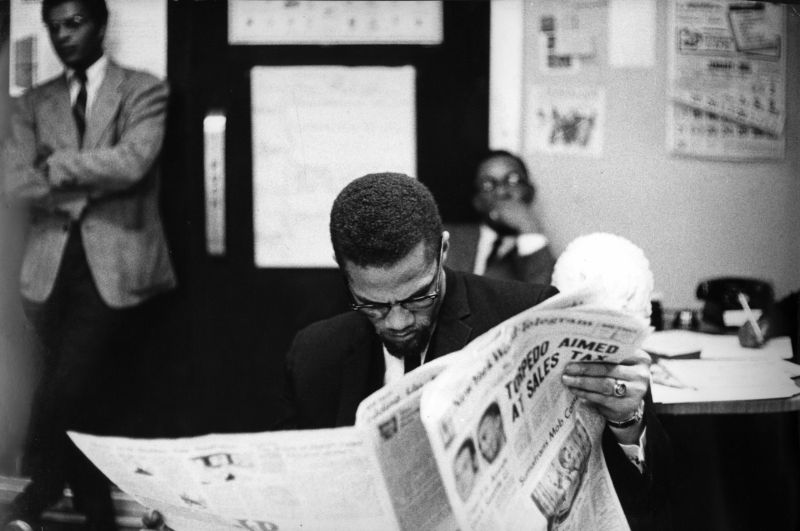
The Fourth Tread from “Leave Me Alone II“ “The Aesthetic Of Decay“ When I see “a gruesome suicide, painted in front of my eyes,” the image hits me with a visceral force, its vividness carving a scene of raw, unfiltered horror into my mind. The word “gruesome” doesn’t just suggest death—it drags me into a…
The Third Tread from “Leave Me Alone II“ “Kali’s Puppet: How the Villain of the System Meets Its End“ One can see it now—Kali holds the villain in her hands, and the realization cuts through like a blade. The system has always felt like a crushing weight, an oppressive presence that’s been suffocating lives for…
The Second Tread from “Leave Me Alone II“ “Faith Fuels My Defiance: A New Freedom“ The”slave ship” wasn’t just the 9-to-5—it was a whole fleet: capitalism’s greed sucking my time dry, society’s rules boxing me in, and the ghosts of historical chains rattling in my bones. It wasn’t work alone; it was a system that…
The First Tread from “Leave Me Alone II” “Triumph Over Circumstance: Stoicism Fuels My Soul” When I say, “This system can’t kill my vibe,” I’m claiming a strength that runs deeper than the chaos around me. The system—be it the 9-to-5 grind, societal pressure, or life’s relentless demands—tries to crush me, but I stand firm.…

The Hypocrisy…(Poem) Description In this poem, I’m reflecting on my own journey with a mix of confidence and self-awareness. I start by admitting that I’ve got a clear grasp of who I am—plenty of understanding about myself—and I’m upfront about the fact that I don’t see myself as the best-looking guy you’d spot wandering around…
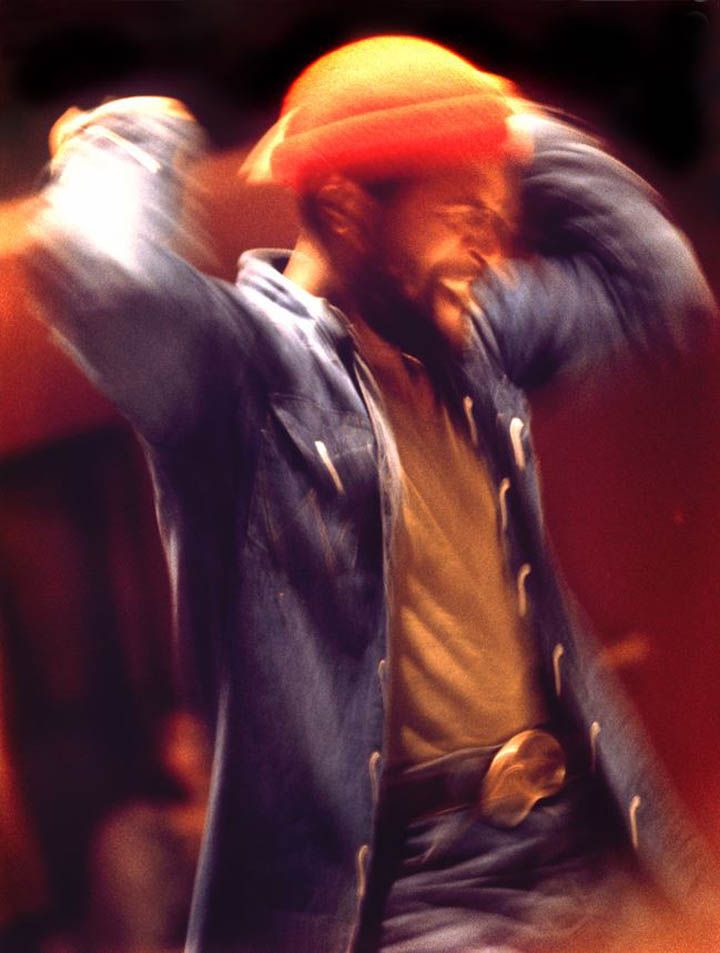
Fiend…(Poem) Description I find myself drawn to this blazing force within me—my “fiery fire”—a restless, burning energy that I crave to awaken fully. It’s as if I’m seeking to dissolve the frost encasing my heart, a coldness I’ve carried too long, tucked away in a place I call the “void less dark.” That phrase feels…

Ignite…(Poem) Description I find myself drawn to this blazing force within me—my “fiery fire”—a restless, burning energy that I crave to awaken fully. It’s as if I’m seeking to dissolve the frost encasing my heart, a coldness I’ve carried too long, tucked away in a place I call the “void less dark.” That phrase feels…
Fragment Blog
Other Blogs
Inspired By :
Dissected Threads Thread 1 :Becoming the barbaric King :A Poem of Prophecy, Guilt and 2 kings 8:13
The First Tread from “Caramel Fever (Poem)” is The Soulful Layers. My Fever’s Cinematic EchoWhen I watch Spike Lee’s Jungle Fever, I see “jungle fever” unfold as a wild, tangled pull—Flipper and Angie caught in a taboo storm of interracial desire, weighed down by society’s glare. I feel that raw energy resonate when I write,…
The Caramel Skin… Treads Thread One : Jungle Fever Vs Caramel Fever : Soulful Layers (Blog)
The Fourth Tread from “Leave Me Alone II“ “The Aesthetic Of Decay“ When I see “a gruesome suicide, painted in front of my eyes,” the image hits me with a visceral force, its vividness carving a scene of raw, unfiltered horror into my mind. The word “gruesome” doesn’t just suggest death—it drags me into a…
The Third Tread from “Leave Me Alone II“ “Kali’s Puppet: How the Villain of the System Meets Its End“ One can see it now—Kali holds the villain in her hands, and the realization cuts through like a blade. The system has always felt like a crushing weight, an oppressive presence that’s been suffocating lives for…
The Second Tread from “Leave Me Alone II“ “Faith Fuels My Defiance: A New Freedom“ The”slave ship” wasn’t just the 9-to-5—it was a whole fleet: capitalism’s greed sucking my time dry, society’s rules boxing me in, and the ghosts of historical chains rattling in my bones. It wasn’t work alone; it was a system that…
The First Tread from “Leave Me Alone II” “Triumph Over Circumstance: Stoicism Fuels My Soul” When I say, “This system can’t kill my vibe,” I’m claiming a strength that runs deeper than the chaos around me. The system—be it the 9-to-5 grind, societal pressure, or life’s relentless demands—tries to crush me, but I stand firm.…
The Hypocrisy…(Poem) Description In this poem, I’m reflecting on my own journey with a mix of confidence and self-awareness. I start by admitting that I’ve got a clear grasp of who I am—plenty of understanding about myself—and I’m upfront about the fact that I don’t see myself as the best-looking guy you’d spot wandering around…
Fiend…(Poem) Description I find myself drawn to this blazing force within me—my “fiery fire”—a restless, burning energy that I crave to awaken fully. It’s as if I’m seeking to dissolve the frost encasing my heart, a coldness I’ve carried too long, tucked away in a place I call the “void less dark.” That phrase feels…
Ignite…(Poem) Description I find myself drawn to this blazing force within me—my “fiery fire”—a restless, burning energy that I crave to awaken fully. It’s as if I’m seeking to dissolve the frost encasing my heart, a coldness I’ve carried too long, tucked away in a place I call the “void less dark.” That phrase feels…
Fragment Blog
Other Blogs
Inspired By :
Dissected Threads Thread 1 :Becoming the barbaric King :A Poem of Prophecy, Guilt and 2 kings 8:13
The First Tread from “Caramel Fever (Poem)” is The Soulful Layers. My Fever’s Cinematic EchoWhen I watch Spike Lee’s Jungle Fever, I see “jungle fever” unfold as a wild, tangled pull—Flipper and Angie caught in a taboo storm of interracial desire, weighed down by society’s glare. I feel that raw energy resonate when I write,…
The Caramel Skin… Treads Thread One : Jungle Fever Vs Caramel Fever : Soulful Layers (Blog)
The Fourth Tread from “Leave Me Alone II“ “The Aesthetic Of Decay“ When I see “a gruesome suicide, painted in front of my eyes,” the image hits me with a visceral force, its vividness carving a scene of raw, unfiltered horror into my mind. The word “gruesome” doesn’t just suggest death—it drags me into a…
The Third Tread from “Leave Me Alone II“ “Kali’s Puppet: How the Villain of the System Meets Its End“ One can see it now—Kali holds the villain in her hands, and the realization cuts through like a blade. The system has always felt like a crushing weight, an oppressive presence that’s been suffocating lives for…
The Second Tread from “Leave Me Alone II“ “Faith Fuels My Defiance: A New Freedom“ The”slave ship” wasn’t just the 9-to-5—it was a whole fleet: capitalism’s greed sucking my time dry, society’s rules boxing me in, and the ghosts of historical chains rattling in my bones. It wasn’t work alone; it was a system that…
The First Tread from “Leave Me Alone II” “Triumph Over Circumstance: Stoicism Fuels My Soul” When I say, “This system can’t kill my vibe,” I’m claiming a strength that runs deeper than the chaos around me. The system—be it the 9-to-5 grind, societal pressure, or life’s relentless demands—tries to crush me, but I stand firm.…
The Hypocrisy…(Poem) Description In this poem, I’m reflecting on my own journey with a mix of confidence and self-awareness. I start by admitting that I’ve got a clear grasp of who I am—plenty of understanding about myself—and I’m upfront about the fact that I don’t see myself as the best-looking guy you’d spot wandering around…
Fiend…(Poem) Description I find myself drawn to this blazing force within me—my “fiery fire”—a restless, burning energy that I crave to awaken fully. It’s as if I’m seeking to dissolve the frost encasing my heart, a coldness I’ve carried too long, tucked away in a place I call the “void less dark.” That phrase feels…
Ignite…(Poem) Description I find myself drawn to this blazing force within me—my “fiery fire”—a restless, burning energy that I crave to awaken fully. It’s as if I’m seeking to dissolve the frost encasing my heart, a coldness I’ve carried too long, tucked away in a place I call the “void less dark.” That phrase feels…
Poem Tread :
Inspired By :
Dissected Threads Thread 1 :Becoming the barbaric King :A Poem of Prophecy, Guilt and 2 kings 8:13
The First Tread from “Caramel Fever (Poem)” is The Soulful Layers. My Fever’s Cinematic EchoWhen I watch Spike Lee’s Jungle Fever, I see “jungle fever” unfold as a wild, tangled pull—Flipper and Angie caught in a taboo storm of interracial desire, weighed down by society’s glare. I feel that raw energy resonate when I write,…
The Caramel Skin… Treads Thread One : Jungle Fever Vs Caramel Fever : Soulful Layers (Blog)
The Fourth Tread from “Leave Me Alone II“ “The Aesthetic Of Decay“ When I see “a gruesome suicide, painted in front of my eyes,” the image hits me with a visceral force, its vividness carving a scene of raw, unfiltered horror into my mind. The word “gruesome” doesn’t just suggest death—it drags me into a…
The Third Tread from “Leave Me Alone II“ “Kali’s Puppet: How the Villain of the System Meets Its End“ One can see it now—Kali holds the villain in her hands, and the realization cuts through like a blade. The system has always felt like a crushing weight, an oppressive presence that’s been suffocating lives for…
The Second Tread from “Leave Me Alone II“ “Faith Fuels My Defiance: A New Freedom“ The”slave ship” wasn’t just the 9-to-5—it was a whole fleet: capitalism’s greed sucking my time dry, society’s rules boxing me in, and the ghosts of historical chains rattling in my bones. It wasn’t work alone; it was a system that…
The First Tread from “Leave Me Alone II” “Triumph Over Circumstance: Stoicism Fuels My Soul” When I say, “This system can’t kill my vibe,” I’m claiming a strength that runs deeper than the chaos around me. The system—be it the 9-to-5 grind, societal pressure, or life’s relentless demands—tries to crush me, but I stand firm.…
The Hypocrisy…(Poem) Description In this poem, I’m reflecting on my own journey with a mix of confidence and self-awareness. I start by admitting that I’ve got a clear grasp of who I am—plenty of understanding about myself—and I’m upfront about the fact that I don’t see myself as the best-looking guy you’d spot wandering around…
Fiend…(Poem) Description I find myself drawn to this blazing force within me—my “fiery fire”—a restless, burning energy that I crave to awaken fully. It’s as if I’m seeking to dissolve the frost encasing my heart, a coldness I’ve carried too long, tucked away in a place I call the “void less dark.” That phrase feels…
Ignite…(Poem) Description I find myself drawn to this blazing force within me—my “fiery fire”—a restless, burning energy that I crave to awaken fully. It’s as if I’m seeking to dissolve the frost encasing my heart, a coldness I’ve carried too long, tucked away in a place I call the “void less dark.” That phrase feels…
Details :
Explore the powerful parallels between Jay-Z’s “I Know” and Tragic Hero’s “Mercy,” two hip-hop tracks that personify addiction as a seductive woman. Through vivid metaphors of lust, materialism, and dependency, both songs delve into the emotional and physical toll of temptation, with Jay-Z’s confident swagger contrasting Tragic Hero’s introspective struggle.
Poem Treads :
Inspired By :
Dissected Threads Thread 1 :Becoming the barbaric King :A Poem of Prophecy, Guilt and 2 kings 8:13
The First Tread from “Caramel Fever (Poem)” is The Soulful Layers. My Fever’s Cinematic EchoWhen I watch Spike Lee’s Jungle Fever, I see “jungle fever” unfold as a wild, tangled pull—Flipper and Angie caught in a taboo storm of interracial desire, weighed down by society’s glare. I feel that raw energy resonate when I write,…
The Caramel Skin… Treads Thread One : Jungle Fever Vs Caramel Fever : Soulful Layers (Blog)
The Fourth Tread from “Leave Me Alone II“ “The Aesthetic Of Decay“ When I see “a gruesome suicide, painted in front of my eyes,” the image hits me with a visceral force, its vividness carving a scene of raw, unfiltered horror into my mind. The word “gruesome” doesn’t just suggest death—it drags me into a…
The Third Tread from “Leave Me Alone II“ “Kali’s Puppet: How the Villain of the System Meets Its End“ One can see it now—Kali holds the villain in her hands, and the realization cuts through like a blade. The system has always felt like a crushing weight, an oppressive presence that’s been suffocating lives for…
The Second Tread from “Leave Me Alone II“ “Faith Fuels My Defiance: A New Freedom“ The”slave ship” wasn’t just the 9-to-5—it was a whole fleet: capitalism’s greed sucking my time dry, society’s rules boxing me in, and the ghosts of historical chains rattling in my bones. It wasn’t work alone; it was a system that…
The First Tread from “Leave Me Alone II” “Triumph Over Circumstance: Stoicism Fuels My Soul” When I say, “This system can’t kill my vibe,” I’m claiming a strength that runs deeper than the chaos around me. The system—be it the 9-to-5 grind, societal pressure, or life’s relentless demands—tries to crush me, but I stand firm.…
The Hypocrisy…(Poem) Description In this poem, I’m reflecting on my own journey with a mix of confidence and self-awareness. I start by admitting that I’ve got a clear grasp of who I am—plenty of understanding about myself—and I’m upfront about the fact that I don’t see myself as the best-looking guy you’d spot wandering around…
Fiend…(Poem) Description I find myself drawn to this blazing force within me—my “fiery fire”—a restless, burning energy that I crave to awaken fully. It’s as if I’m seeking to dissolve the frost encasing my heart, a coldness I’ve carried too long, tucked away in a place I call the “void less dark.” That phrase feels…
Ignite…(Poem) Description I find myself drawn to this blazing force within me—my “fiery fire”—a restless, burning energy that I crave to awaken fully. It’s as if I’m seeking to dissolve the frost encasing my heart, a coldness I’ve carried too long, tucked away in a place I call the “void less dark.” That phrase feels…
Poem Tread :
Inspired By :