
The Caramel Skin…
Treads
Thread One : Jungle Fever Vs Caramel Fever : Soulful Layers (Blog)

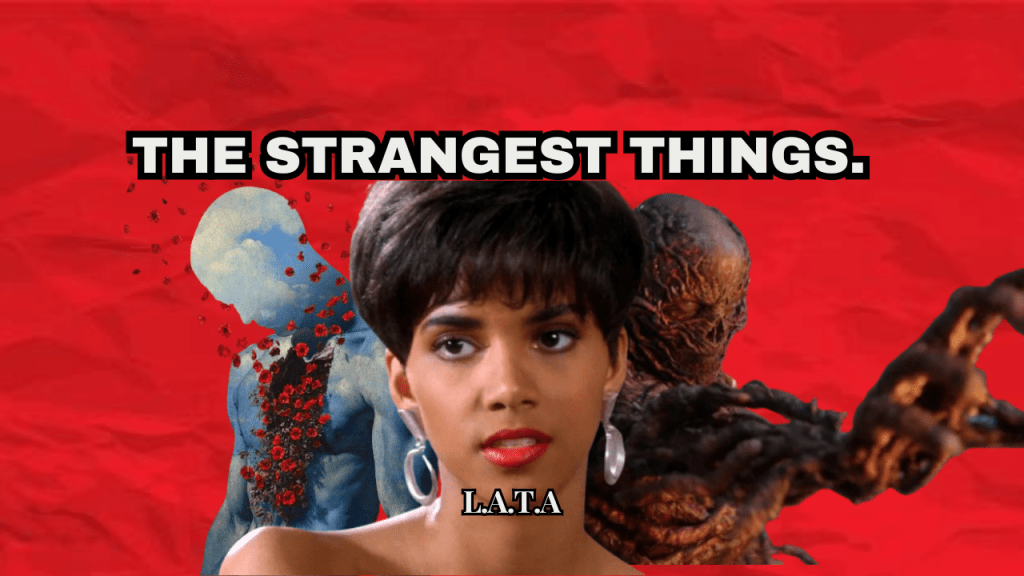
Some moments in life feel like they’ve been woven into the fabric of the universe, perfectly timed and undeniably sacred. I stumbled into one such moment not long ago, when the winding grapevine of life—those serendipitous threads of chance—led me to her. Her name is Halle, and from the instant I met her, I knew

In my youth, a seed was planted, cold and unrelenting, deep within my heart. It grew as I did, twisting me into a figure I liken to Michael Myers—a silent, unyielding archetype of destruction. I didn’t fight it; I let it consume me. That seed bloomed into a lascivious hunger, a monstrous drive that’s left
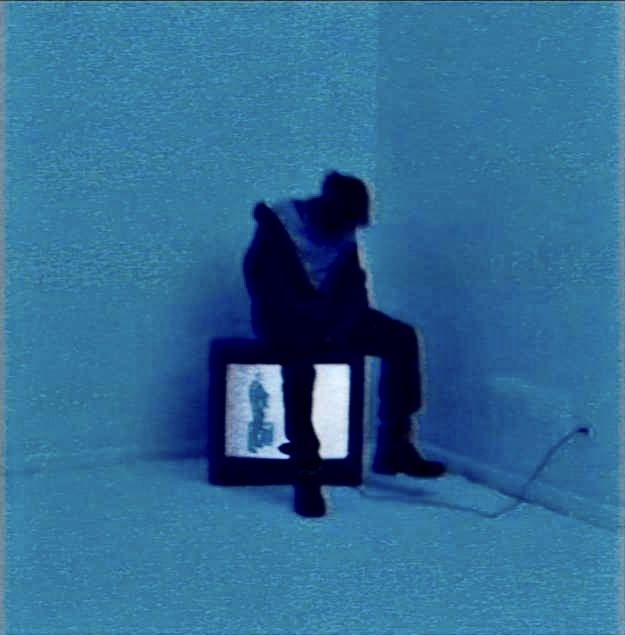
As I sit here, pen in hand, my thoughts drift to the electric pulse of the club, a place where the world blurs into a haze of lights and rhythm. It’s a space where I find myself searching, chasing something fleeting—a spark, a connection, a moment of lust that feels like it could ignite my

Dissected Tread I was bored one day and i was amazed by @jid feature on a track called fried rice by @bas and I thought let me write something over @jid flow just for fun. #LATA Treads : Inspired By :
Dissected Tread Tread One : Inspired By :

I blaze through the streets, my heart pounding, seeking those I once called my best friends—friends who betrayed me, their masks peeling away to reveal fragments of lust, loafing, guilt, and shame. Their deception trapped me in a “happy illusion,” but now, with wrath born from the abyss of my heart, I confront the wreckage
Some moments in life feel like they’ve been woven into the fabric of the universe, perfectly timed and undeniably sacred. I stumbled into one such moment not long ago, when the winding grapevine of life—those serendipitous threads of chance—led me to her. Her name is Halle, and from the instant I met her, I knew
In my youth, a seed was planted, cold and unrelenting, deep within my heart. It grew as I did, twisting me into a figure I liken to Michael Myers—a silent, unyielding archetype of destruction. I didn’t fight it; I let it consume me. That seed bloomed into a lascivious hunger, a monstrous drive that’s left
As I sit here, pen in hand, my thoughts drift to the electric pulse of the club, a place where the world blurs into a haze of lights and rhythm. It’s a space where I find myself searching, chasing something fleeting—a spark, a connection, a moment of lust that feels like it could ignite my
Dissected Tread I was bored one day and i was amazed by @jid feature on a track called fried rice by @bas and I thought let me write something over @jid flow just for fun. #LATA Treads : Inspired By :
Dissected Tread Tread One : Inspired By :
I blaze through the streets, my heart pounding, seeking those I once called my best friends—friends who betrayed me, their masks peeling away to reveal fragments of lust, loafing, guilt, and shame. Their deception trapped me in a “happy illusion,” but now, with wrath born from the abyss of my heart, I confront the wreckage
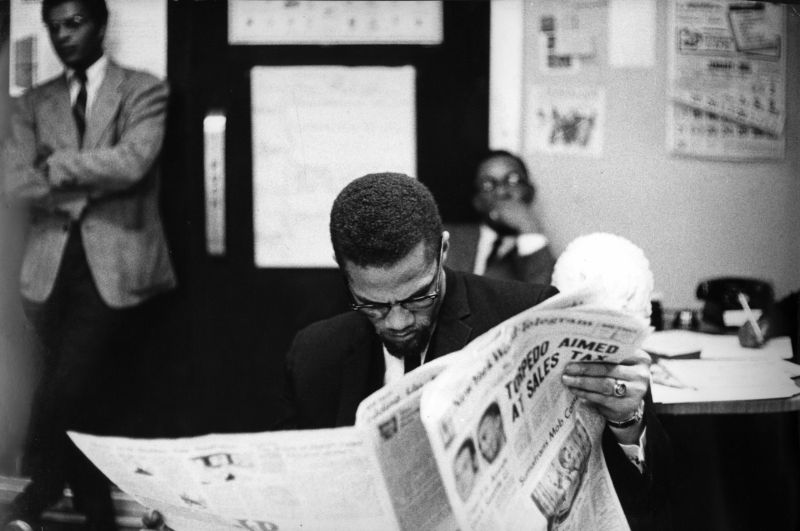
“The Aesthetic Of Decay“
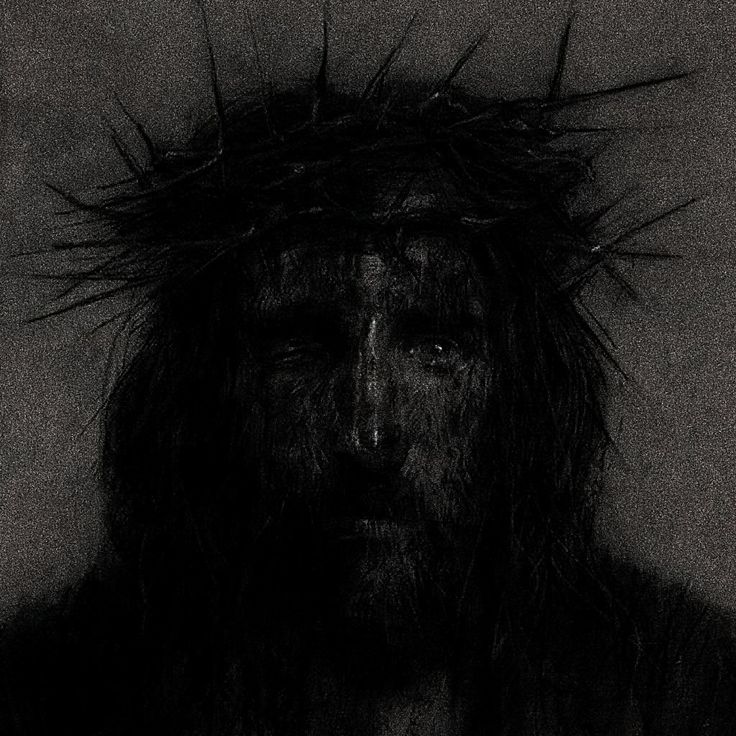
When I see “a gruesome suicide, painted in front of my eyes,” the image hits me with a visceral force, its vividness carving a scene of raw, unfiltered horror into my mind. The word “gruesome” doesn’t just suggest death—it drags me into a decay so deep it repulses and fascinates me all at once, an aesthetic that somehow makes the grotesque beautiful. I can’t help but think of Schopenhauer’s bleak view: life as a ceaseless churn of suffering, a canvas I’m forced to stare at, smeared with despair’s dark shades. For me, this suicide isn’t just an end—it’s a desperate claim to power in a world that offers nothing but pain, the last stroke I imagine on a portrait of collapse.
But the fact that I see it “painted” shifts everything—it’s not just happening; I’m making it art. I’m the one holding the brush, turning chaos into something deliberate. I stand back, not caught up in the mess but watching it unfold, a chronicler of ruin. It feels like Schopenhauer’s resignation creeping in—I know the will to live is a sham, yet here I am, still compelled to look, to record. Whether it’s “Kali” or some suffocating system I’ve conjured, its end isn’t a victory—it’s a self-inflicted fall, and I’m the one staring at it, unflinching.
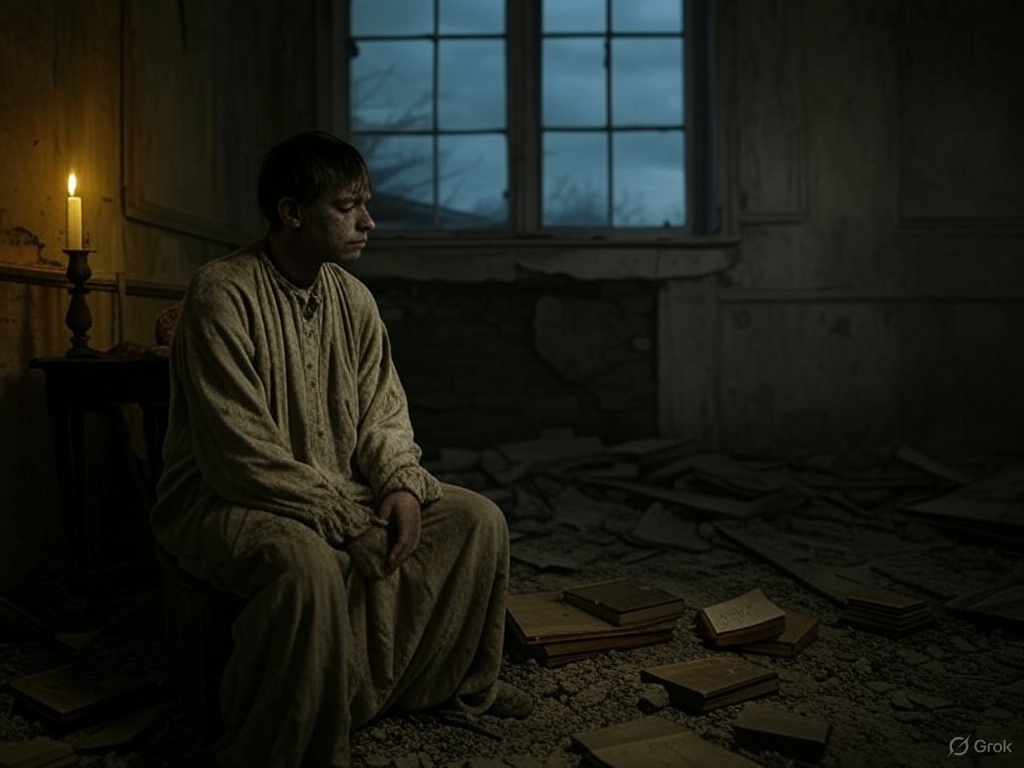
There’s a strange calm in that distance, a Buddhist echo whispering that nothing lasts—not Kali, not the systems I’ve built in my head, nothing. They crumble, their power fading into a smudge of paint I’ve left on the canvas. Nietzsche’s words hit me here: “What does not kill me makes me stronger” (Twilight of the Idols), but I wonder—maybe it’s not strength I gain, just the grit to keep watching as it all unravels. That gruesome suicide I’ve painted isn’t just a finish line; it’s a truth I can’t escape: everything mighty—gods, rules, me—rots away, and I’m left holding the brush, tracing the outlines of impermanence.
So I find myself caught in this aesthetic of decay, a twisted kind of freedom in the wreckage I’ve imagined. That suicide I see isn’t only suffering—it’s my quiet rebellion against anything lasting too long, against the lie of forever. The Bible’s voice cuts through: “For dust you are, and to dust you shall return” (Genesis 3:19), and I feel it in my bones, a truth that ties me to the dirt and the divine all at once. Schopenhauer’s gloom, Buddhism’s letting go, Nietzsche’s defiance—they mix in me, and I turn the horror into something I can hold, something almost beautiful. What’s left is an image I can’t shake—not a scream, but a proof of everything falling apart, and me, still here, watching it fade.
Some moments in life feel like they’ve been woven into the fabric of the universe, perfectly timed and undeniably sacred. I stumbled into one such moment not long ago, when the winding grapevine of life—those serendipitous threads of chance—led me to her. Her name is Halle, and from the instant I met her, I knew
In my youth, a seed was planted, cold and unrelenting, deep within my heart. It grew as I did, twisting me into a figure I liken to Michael Myers—a silent, unyielding archetype of destruction. I didn’t fight it; I let it consume me. That seed bloomed into a lascivious hunger, a monstrous drive that’s left
As I sit here, pen in hand, my thoughts drift to the electric pulse of the club, a place where the world blurs into a haze of lights and rhythm. It’s a space where I find myself searching, chasing something fleeting—a spark, a connection, a moment of lust that feels like it could ignite my
Dissected Tread I was bored one day and i was amazed by @jid feature on a track called fried rice by @bas and I thought let me write something over @jid flow just for fun. #LATA Treads : Inspired By :
Dissected Tread Tread One : Inspired By :
I blaze through the streets, my heart pounding, seeking those I once called my best friends—friends who betrayed me, their masks peeling away to reveal fragments of lust, loafing, guilt, and shame. Their deception trapped me in a “happy illusion,” but now, with wrath born from the abyss of my heart, I confront the wreckage
“Kali’s Puppet: How the Villain of the System Meets Its End“
One can see it now—Kali holds the villain in her hands, and the realization cuts through like a blade. The system has always felt like a crushing weight, an oppressive presence that’s been suffocating lives for as long as memory holds. It’s easy to picture it as some impersonal, mechanical beast, churning endlessly with no heart or face—just a cold, grinding force. But that’s not the full truth anymore. The fog lifts, and there it is: a figure at the center, dark and twisted, bloated with greed and teetering on the edge of its own arrogance. Kali, the fierce Hindu goddess of destruction and transformation, isn’t just hovering in the background—she’s the one in charge, her fingers wrapped tight around the strings of this puppet, pulling with deliberate intent.
This villain isn’t a vague concept—it’s a living, breathing force that’s been ruling lives with a grip that feels personal. Its presence is everywhere, a shadow that creeps into every decision, every quiet moment, feeding off the struggles it creates. It’s not content to simply exist; it thrives on power, gorging itself on the chaos it sows, its pride swelling with every inch it claims. But that’s where it missteps—its confidence is its weakness, and Kali sees it clear as day. She doesn’t just stand there, waiting for it to collapse under its own weight. No, she’s active, relentless, turning the disorder into something she controls. She’s not here to patch things up or keep the peace—she’s tearing down the façade, exposing the raw, fragile thing beneath. What once seemed like an unshakable ruler is now just a marionette, twitching helplessly as she dictates its every move.

This isn’t a fleeting glimpse—it’s a seismic shift, a turning point that redefines everything. The villain, the source of so much blame and suffering, isn’t as solid as it appeared. It’s fraying, unravelling under Kali’s relentless pressure, its grip on power slipping away like dust in the wind. She’s not just about destruction, though that’s a key piece—she’s transformation, a force that doesn’t stop at tearing down but pushes forward to forge something new. The chaos swirling around isn’t the final chapter; it’s the raw material for what’s next, a fresh shape emerging from the debris. Lives have been crushed under this villain’s heel, battered by its ceaseless demands, but with Kali at the helm, a spark of change ignites. The tables aren’t just turning—they’re being flipped, shattered, and remade by a goddess who bows to no one, her dance of justice rewriting the system’s fate.
 LifeandTimelessart