Intro“King Solomon Size” evokes the legendary magnitude of love and desire associated with Solomon, using his grand reputation as a metaphor for vast romantic ambition. The poem speaks in the voice of a man who longs to warm his “cold and dark” heart through touch, admiration, and conquest, revealing both vulnerability and hunger for devotion.…
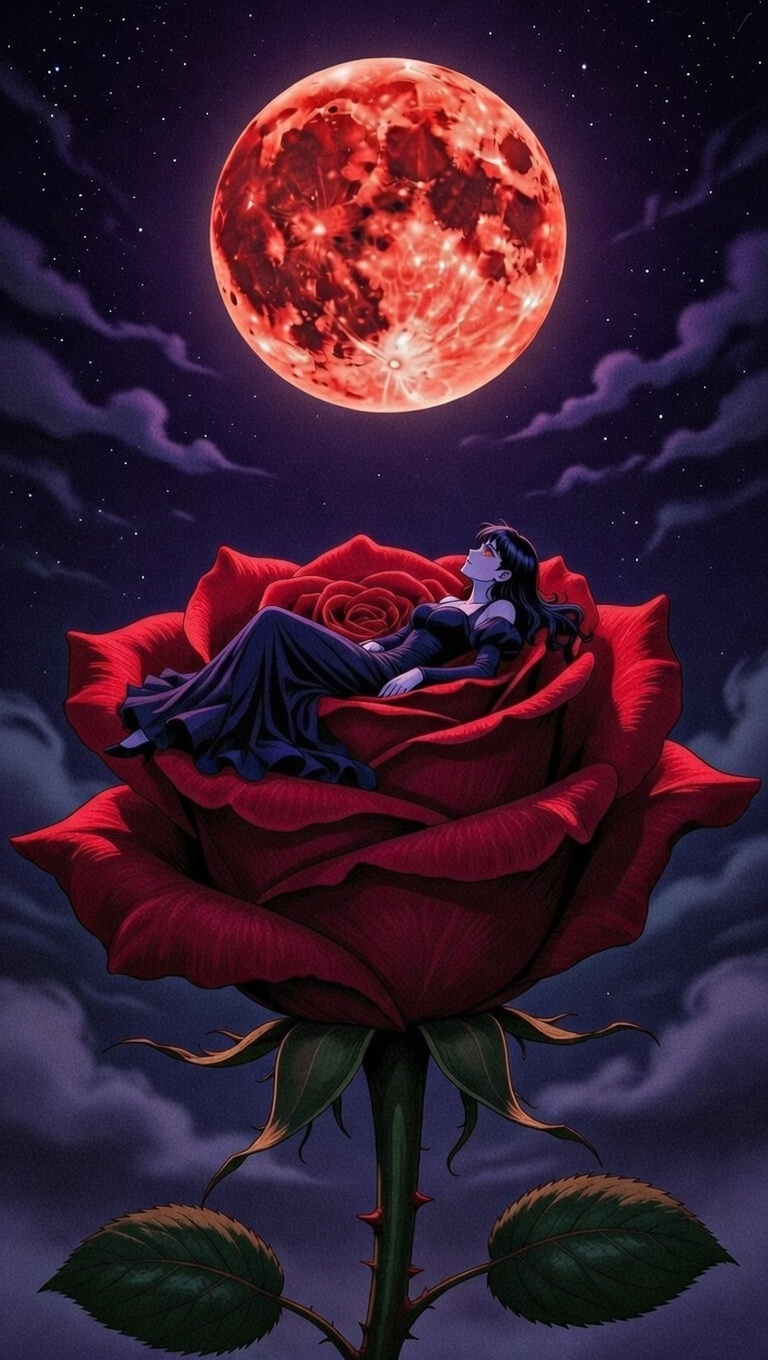
IntroHit The Gas… is a vivid meditation on impatience, desire, and the fragile illusion of escaping time. Through striking imagery of shattered hourglasses, blood-soaked moons, and frozen skies, the poem captures a desperate attempt to outrun mortality in pursuit of love. In that suspended moment, time bends and intimacy feels infinite—but reality inevitably restores its…
We live in a time where love is labelled toxic while lust is celebrated as liberation, and that contradiction should trouble us. Love asks for discipline, sacrifice, and commitment — qualities that build stability — yet it is side-lined and neglected, waiting on the bench of modern culture. Lust, on the other hand, is praised,…
Mechanical Love explores the haunting idea of love stripped of free will. The poem imagines a world where human agency is buried “six feet deep,” replaced by chemical impulses and mechanical repetition. Joseph Le Artist presents love not as a conscious choice, but as a programmed reaction—driven by dopamine rather than desire. The transformation into…
Power no longer hides in shadows it flickers on our screens, injected into daily life while we run the wheels built for someone else’s amusement. Eyes open, minds on cruise, we mistake repetition for truth and noise for freedom. Epstein becomes a symbol of the rot behind the curtain, where influence circulates quietly, systems feed…
Intro:This poem descends into the moment betrayal is no longer hidden and rage learns to speak. What begins as loyalty rots into illusion, and from that fracture, wrath is born—not as chaos, but as intention. Read with caution: this is the anatomy of a soul pushed past forgiveness. Outro:And when the echoes fade, what remains…
In the relentless tick of the wristwatch, time reveals its cruel indifference—Father Time eroding youth, flesh, and fragile hopes into dust, while death lingers like an inevitable embrace. This piece confronts the quiet terror of running out of moments for authentic love, crushed instead by the heavy, hollow weight of lust and repeated defeats. What…
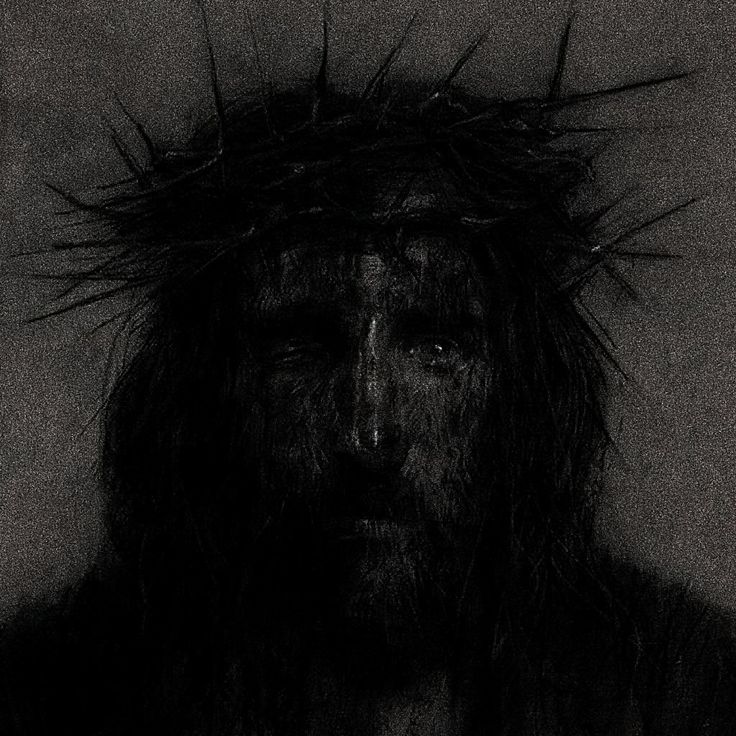
Even though the image of Jesus commonly portrayed in the Western world is historically inaccurate, mockery only carries power when it is directed at the true God—the One who holds authority over the world and the universe. Wearing that specific figure around the neck is not random; it targets the real authority behind the symbol,…
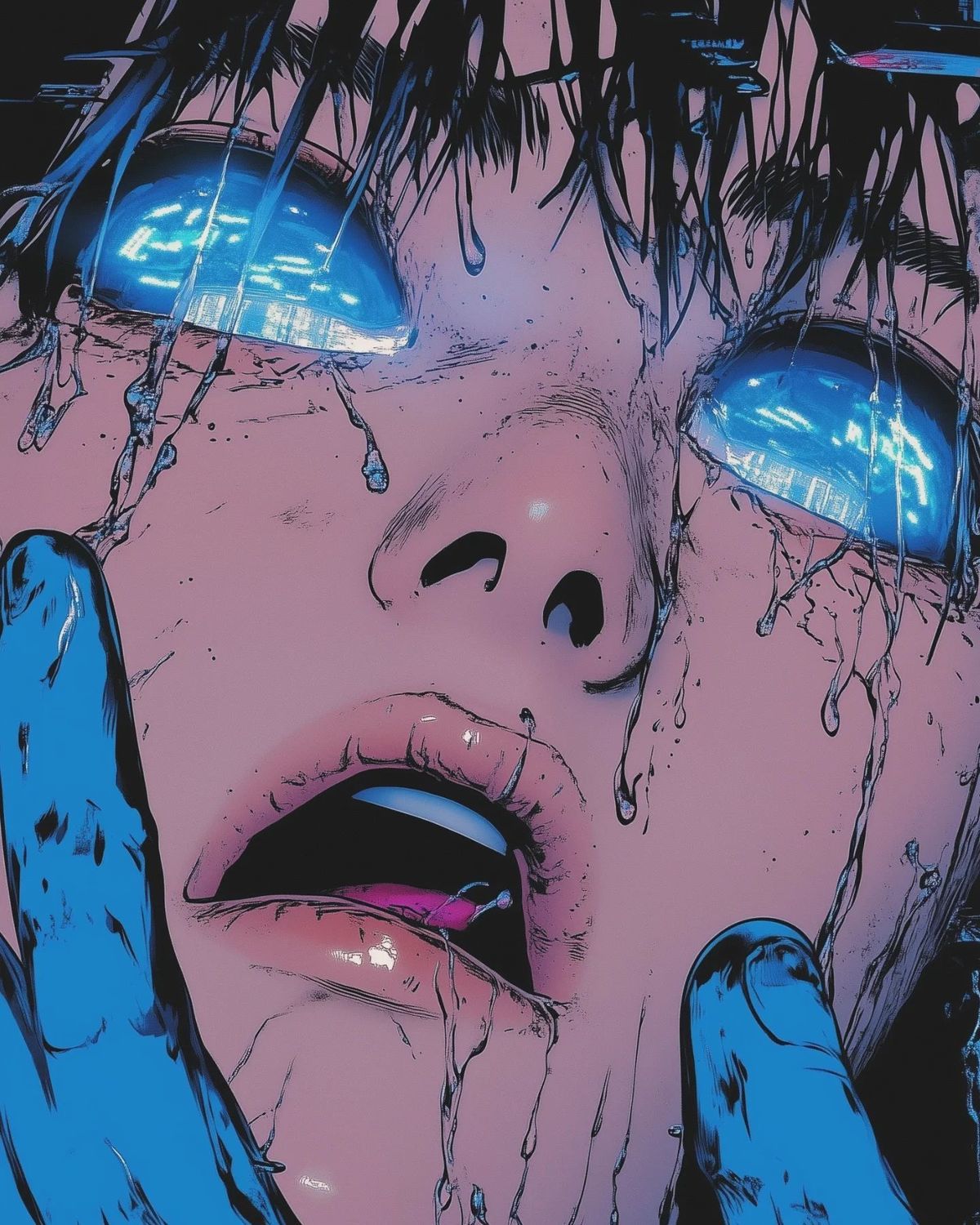
This poem is for people haunted by eyes that once sparkled with wonder, now overflowing with ruin. She chose and obsessed—to go to the soul cage.I wrote this once I saw: love without real caution is just code waiting to flood.Faith sank deeper when pretence ended and her obsession met my disarray.No sermon here just…
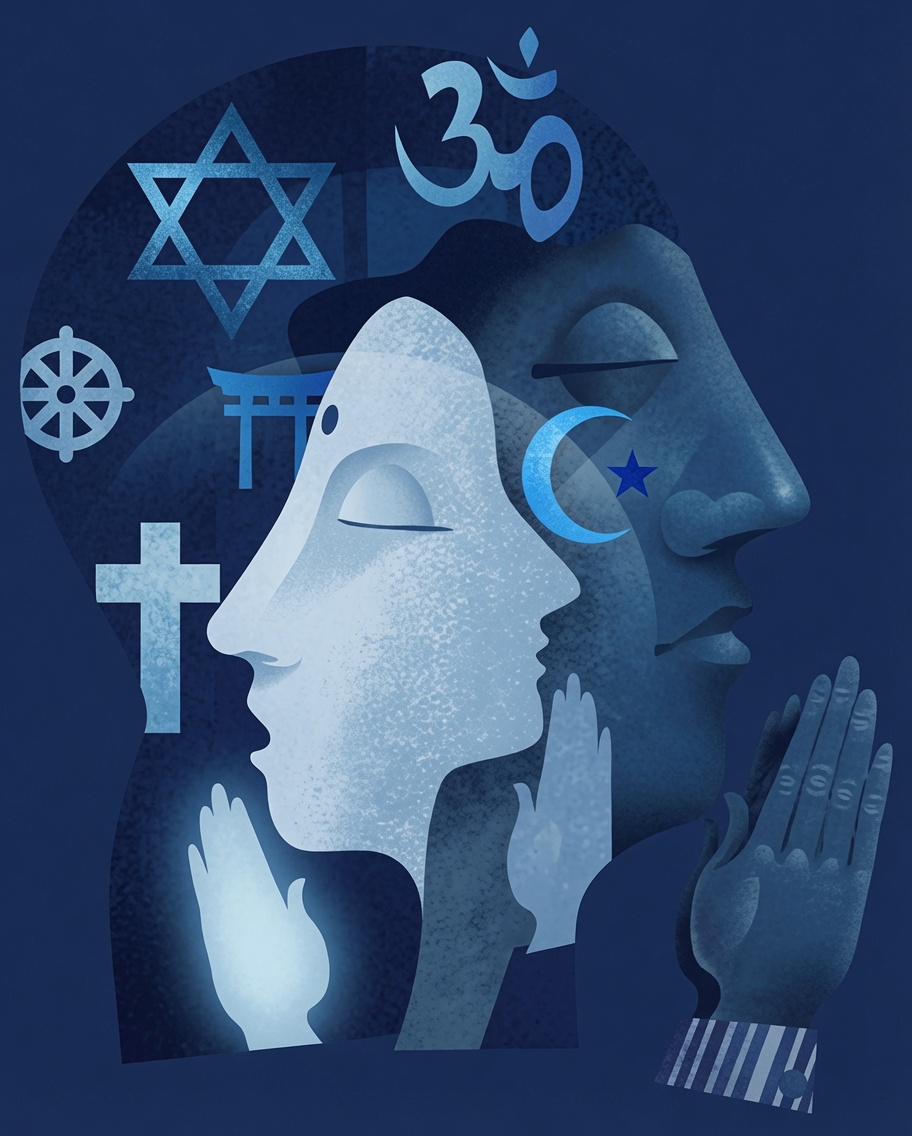
This poem offers a contemplative glimpse into the poet’s mind as they engage in everyday activities. The poem begins with the poet reflecting deeply while eating a slice of pizza, contemplating their spiritual fate. They reject the idea of going to hell and express a preference for going to heaven, demonstrating reverence and seeking forgiveness for past disobedience.
The poem then shifts to a modern scene of scrolling on a mobile device, which leaves the poet feeling mentally numb and paralyzed. This contrast between spiritual contemplation and digital distraction highlights the poet’s struggle to balance the two.
In the midst of this mental chaos, the poet reaffirms their faith, declaring that their devotion to Allah will never lead them to commit acts of terror in the name of religion. They speak of women in heaven as a divine surprise, indicating their respect for the spiritual rewards promised by their faith.
The poem concludes with the poet seeking solitude, sipping grape juice and reflecting on life. This final image ties together the themes of contemplation, spirituality, and the search for personal peace amid the distractions of modern life.
Intro“King Solomon Size” evokes the legendary magnitude of love and desire associated with Solomon, using his grand reputation as a metaphor for vast romantic ambition. The poem speaks in the voice of a man who longs to warm his “cold and dark” heart through touch, admiration, and conquest, revealing both vulnerability and hunger for devotion.…
IntroHit The Gas… is a vivid meditation on impatience, desire, and the fragile illusion of escaping time. Through striking imagery of shattered hourglasses, blood-soaked moons, and frozen skies, the poem captures a desperate attempt to outrun mortality in pursuit of love. In that suspended moment, time bends and intimacy feels infinite—but reality inevitably restores its…
We live in a time where love is labelled toxic while lust is celebrated as liberation, and that contradiction should trouble us. Love asks for discipline, sacrifice, and commitment — qualities that build stability — yet it is side-lined and neglected, waiting on the bench of modern culture. Lust, on the other hand, is praised,…
Mechanical Love explores the haunting idea of love stripped of free will. The poem imagines a world where human agency is buried “six feet deep,” replaced by chemical impulses and mechanical repetition. Joseph Le Artist presents love not as a conscious choice, but as a programmed reaction—driven by dopamine rather than desire. The transformation into…
Power no longer hides in shadows it flickers on our screens, injected into daily life while we run the wheels built for someone else’s amusement. Eyes open, minds on cruise, we mistake repetition for truth and noise for freedom. Epstein becomes a symbol of the rot behind the curtain, where influence circulates quietly, systems feed…
Intro:This poem descends into the moment betrayal is no longer hidden and rage learns to speak. What begins as loyalty rots into illusion, and from that fracture, wrath is born—not as chaos, but as intention. Read with caution: this is the anatomy of a soul pushed past forgiveness. Outro:And when the echoes fade, what remains…
In the relentless tick of the wristwatch, time reveals its cruel indifference—Father Time eroding youth, flesh, and fragile hopes into dust, while death lingers like an inevitable embrace. This piece confronts the quiet terror of running out of moments for authentic love, crushed instead by the heavy, hollow weight of lust and repeated defeats. What…
Even though the image of Jesus commonly portrayed in the Western world is historically inaccurate, mockery only carries power when it is directed at the true God—the One who holds authority over the world and the universe. Wearing that specific figure around the neck is not random; it targets the real authority behind the symbol,…
This poem is for people haunted by eyes that once sparkled with wonder, now overflowing with ruin. She chose and obsessed—to go to the soul cage.I wrote this once I saw: love without real caution is just code waiting to flood.Faith sank deeper when pretence ended and her obsession met my disarray.No sermon here just…
Intro“King Solomon Size” evokes the legendary magnitude of love and desire associated with Solomon, using his grand reputation as a metaphor for vast romantic ambition. The poem speaks in the voice of a man who longs to warm his “cold and dark” heart through touch, admiration, and conquest, revealing both vulnerability and hunger for devotion.…
IntroHit The Gas… is a vivid meditation on impatience, desire, and the fragile illusion of escaping time. Through striking imagery of shattered hourglasses, blood-soaked moons, and frozen skies, the poem captures a desperate attempt to outrun mortality in pursuit of love. In that suspended moment, time bends and intimacy feels infinite—but reality inevitably restores its…
We live in a time where love is labelled toxic while lust is celebrated as liberation, and that contradiction should trouble us. Love asks for discipline, sacrifice, and commitment — qualities that build stability — yet it is side-lined and neglected, waiting on the bench of modern culture. Lust, on the other hand, is praised,…
Mechanical Love explores the haunting idea of love stripped of free will. The poem imagines a world where human agency is buried “six feet deep,” replaced by chemical impulses and mechanical repetition. Joseph Le Artist presents love not as a conscious choice, but as a programmed reaction—driven by dopamine rather than desire. The transformation into…
Power no longer hides in shadows it flickers on our screens, injected into daily life while we run the wheels built for someone else’s amusement. Eyes open, minds on cruise, we mistake repetition for truth and noise for freedom. Epstein becomes a symbol of the rot behind the curtain, where influence circulates quietly, systems feed…
Intro:This poem descends into the moment betrayal is no longer hidden and rage learns to speak. What begins as loyalty rots into illusion, and from that fracture, wrath is born—not as chaos, but as intention. Read with caution: this is the anatomy of a soul pushed past forgiveness. Outro:And when the echoes fade, what remains…
In the relentless tick of the wristwatch, time reveals its cruel indifference—Father Time eroding youth, flesh, and fragile hopes into dust, while death lingers like an inevitable embrace. This piece confronts the quiet terror of running out of moments for authentic love, crushed instead by the heavy, hollow weight of lust and repeated defeats. What…
Even though the image of Jesus commonly portrayed in the Western world is historically inaccurate, mockery only carries power when it is directed at the true God—the One who holds authority over the world and the universe. Wearing that specific figure around the neck is not random; it targets the real authority behind the symbol,…
This poem is for people haunted by eyes that once sparkled with wonder, now overflowing with ruin. She chose and obsessed—to go to the soul cage.I wrote this once I saw: love without real caution is just code waiting to flood.Faith sank deeper when pretence ended and her obsession met my disarray.No sermon here just…
“Deceptive information flooding my timeline looks like a flooded fiery hell.” Open my phone, and it’s ablaze—a torrent of deceptive information Israel-Palestine pours through my timeline, a deluge that scorches and drowns in equal measure. Posts flare up, videos ignite, headlines smolder—each a spark in a fiery hell where truth chokes beneath waves of noise. This isn’t a quiet flood; it’s a crafted inferno, a chaos so loud it consumes us. The Israel-Palestine war feeds this blaze, its every twist and turn stoking the fiery lies that burn across screens, leaving us gasping for something solid to hold.
Scroll, and you’ll see it: a barrage of deceptive information Israel-Palestine—claims of victory, cries of victimhood, stats twisted into weapons. One post screams of atrocities, another counters with defiance, and beneath it all, a thousand comments clash in the heat. It’s not just confusion; it’s a brushstroke in the deceptive art, each lie painting over the last until the canvas is a mess of flames. My timeline isn’t a window to the world—it’s a furnace, scorching us with half-truths and hyperbole, a flooded fiery hell where clarity sinks and chaos rises. We’re not enlightened by this flood; we’re engulfed.
Scripture saw this coming, sharp and unflinching: “But evil men and impostors will grow worse and worse, deceiving and being deceived” (2 Timothy 3:13). Paul’s warning to Timothy isn’t a whisper—it’s a shout across centuries, a prophecy of fiery lies that multiply unchecked. The deceptive information Israel-Palestine fits this mold: impostors—pundits, bots, powerbrokers—spin tales that deceive us, and in their echo chambers, they deceive themselves. 2 Timothy 3:13 doesn’t just describe—it diagnoses: this flood isn’t random; it’s a crafted inferno, growing worse as the liars drown in their own heat.
Jean Baudrillard’s ghost nods from the sidelines, his hyperreality haunting this mess. He saw a world of simulacra—copies without originals—and my timeline proves it. The Israel-Palestine war dissolves into a flood of images, a fiery hell of narratives with no root in truth—just endless replicas of chaos. A video loops, a quote distorts, a photo morphs; there’s no source to trace, only fiery lies piling higher. Baudrillard might call it a desert of the real, but it’s wetter here—a deluge of deception that burns as it drowns, leaving us clutching at shadows instead of facts.
This isn’t passive—it’s personal. The deceptive information Israel-Palestine hits my screen daily: a friend shares a skewed stat, a stranger peddles a conspiracy, a newsfeed buries context under outrage. It’s a crafted inferno, not an accident—each lie stoked by unseen hands, the painters of power from earlier threads, brushing chaos while we scroll. 2 Timothy 3:13 rings true: the deceivers multiply, and we’re caught in their flood, not wiser but wearier, consumed by the heat of their artifice. The war’s real, the suffering’s real, but the timeline’s a lie—a fiery hell we can’t escape.
The fiery lies don’t just obscure—they overwhelm. They’re a flood we wade through, flames licking at our feet, drowning truth in noise so loud it deafens. 2 Timothy 3:13 doesn’t offer comfort—it demands vigilance, a call to sift through the torrent for what holds. Baudrillard’s hyperreality isn’t a trap we’re doomed to; it’s a mirror, showing us how easily we’re swept away. The deceptive information Israel-Palestine burns because it’s meant to—not to inform, but to incinerate reason, leaving us ash and embers.
So I ask: What do you cling to when the lies rise like flames? The Israel-Palestine war floods our timelines with fiery lies, and 2 Timothy 3:13 warns they’ll worsen—deceivers deceiving, deceived in turn. This hellish deluge consumes us, but it doesn’t have to. Do you swim through the flood, or find a rock to stand on?
Intro“King Solomon Size” evokes the legendary magnitude of love and desire associated with Solomon, using his grand reputation as a metaphor for vast romantic ambition. The poem speaks in the voice of a man who longs to warm his “cold and dark” heart through touch, admiration, and conquest, revealing both vulnerability and hunger for devotion.…
IntroHit The Gas… is a vivid meditation on impatience, desire, and the fragile illusion of escaping time. Through striking imagery of shattered hourglasses, blood-soaked moons, and frozen skies, the poem captures a desperate attempt to outrun mortality in pursuit of love. In that suspended moment, time bends and intimacy feels infinite—but reality inevitably restores its…
We live in a time where love is labelled toxic while lust is celebrated as liberation, and that contradiction should trouble us. Love asks for discipline, sacrifice, and commitment — qualities that build stability — yet it is side-lined and neglected, waiting on the bench of modern culture. Lust, on the other hand, is praised,…
Mechanical Love explores the haunting idea of love stripped of free will. The poem imagines a world where human agency is buried “six feet deep,” replaced by chemical impulses and mechanical repetition. Joseph Le Artist presents love not as a conscious choice, but as a programmed reaction—driven by dopamine rather than desire. The transformation into…
Power no longer hides in shadows it flickers on our screens, injected into daily life while we run the wheels built for someone else’s amusement. Eyes open, minds on cruise, we mistake repetition for truth and noise for freedom. Epstein becomes a symbol of the rot behind the curtain, where influence circulates quietly, systems feed…
Intro:This poem descends into the moment betrayal is no longer hidden and rage learns to speak. What begins as loyalty rots into illusion, and from that fracture, wrath is born—not as chaos, but as intention. Read with caution: this is the anatomy of a soul pushed past forgiveness. Outro:And when the echoes fade, what remains…
In the relentless tick of the wristwatch, time reveals its cruel indifference—Father Time eroding youth, flesh, and fragile hopes into dust, while death lingers like an inevitable embrace. This piece confronts the quiet terror of running out of moments for authentic love, crushed instead by the heavy, hollow weight of lust and repeated defeats. What…
Even though the image of Jesus commonly portrayed in the Western world is historically inaccurate, mockery only carries power when it is directed at the true God—the One who holds authority over the world and the universe. Wearing that specific figure around the neck is not random; it targets the real authority behind the symbol,…
This poem is for people haunted by eyes that once sparkled with wonder, now overflowing with ruin. She chose and obsessed—to go to the soul cage.I wrote this once I saw: love without real caution is just code waiting to flood.Faith sank deeper when pretence ended and her obsession met my disarray.No sermon here just…
“Palestine or Israel? None of thee of above, both governments are controlled opposition and isn’t hard to tell.” The question echoes everywhere—choose a side, pick your flag: Palestine or Israel? It’s a snare, a trap disguised as a choice, woven into the deceptive art of the Israel-Palestine war. We’re told it’s a binary—right or wrong, oppressed or oppressor—but what if neither side stands free? Both governments dance as puppets, their strings pulled by the same unseen masters, twirling in a choreography of chaos. This isn’t conspiracy whispered in dark corners—it’s evident, plain as day, if you dare look past the smoke of rockets and rhetoric.
The controlled opposition isn’t a new game. It’s a tactic, a sleight of hand where two foes seem at odds, yet serve the same end. In the Israel-Palestine war, the governments posture—speeches of defiance, promises of victory—but the strings don’t lie. Behind the flags, the borders, the holy claims, a single hand moves them both, keeping the conflict alive, endless, profitable. It’s not hard to tell when you stop cheering and start watching: the war doesn’t resolve because it’s not meant to. The deceptive art thrives on this illusion of opposition, a puppet show we mistake for reality.
Scripture cuts through the haze with a warning: “Beware of false prophets, who come to you in sheep’s clothing, but inwardly they are ravenous wolves” (Matthew 7:15). Jesus didn’t mince words—these wolves don’t howl; they deceive, cloaked in innocence while hunger drives them. In the Israel-Palestine war, the wolves wear flags, not fleece—governments draped in the garb of justice or sovereignty, yet ravenous beneath. Matthew 7:15 isn’t just a caution; it’s a lens of discernment, urging us to see past the costumes to the controlled opposition fueling endless strife. These aren’t shepherds leading their people—they’re puppets serving a master we don’t name.
Hegel’s dialectic twists into view here: thesis, antithesis, synthesis. In theory, it resolves—two opposites clash, birthing something new. But in the Israel-Palestine war, the synthesis never comes. The controlled opposition locks it in perpetual conflict—Palestine the thesis, Israel the antithesis, and no resolution, just a cycle of war without end. The unseen masters pull the strings, and the dialectic bends to their will: chaos, not clarity. Matthew 7:15 echoes through this distortion—false prophets promise peace or triumph, but their wolfish hunger feeds on division, not deliverance.
This isn’t abstract—it’s the war we watch unfold. Decades pass, treaties falter, and the Israel-Palestine war churns on, a machine too perfect to be chance. The controlled opposition reveals itself in patterns: escalations timed too neatly, aid flowing too predictably, narratives too aligned to be organic. It’s evident if you look past the smoke—past the protests, the headlines, the tears—to the hands that profit while the land burns. Scripture’s call to discernment isn’t passive; it’s a demand to question the sheep’s clothing, to spot the wolves beneath the flags.
The controlled opposition isn’t invincible—it’s exposed when we see it. The Israel-Palestine war isn’t a duel of nations; it’s a stage, and we’re the audience, clapping for puppets while the masters count their take. Matthew 7:15 doesn’t just warn—it empowers us to peel back the artifice. Hegel’s endless dialectic isn’t fate; it’s a choice we can refuse. The strings are there, taut and trembling, if we dare to trace them. The war endures because it’s designed to—not by the people, but by the puppeteers.
So I ask: Do you see the strings, or just the puppets? The Israel-Palestine war spins its controlled opposition, and Matthew 7:15 calls us to look deeper—past the flags, past the smoke. The deceptive art dazzles, but discernment cuts. Are you watching the dance, or spotting the hands that lead it?
Intro“King Solomon Size” evokes the legendary magnitude of love and desire associated with Solomon, using his grand reputation as a metaphor for vast romantic ambition. The poem speaks in the voice of a man who longs to warm his “cold and dark” heart through touch, admiration, and conquest, revealing both vulnerability and hunger for devotion.…
IntroHit The Gas… is a vivid meditation on impatience, desire, and the fragile illusion of escaping time. Through striking imagery of shattered hourglasses, blood-soaked moons, and frozen skies, the poem captures a desperate attempt to outrun mortality in pursuit of love. In that suspended moment, time bends and intimacy feels infinite—but reality inevitably restores its…
We live in a time where love is labelled toxic while lust is celebrated as liberation, and that contradiction should trouble us. Love asks for discipline, sacrifice, and commitment — qualities that build stability — yet it is side-lined and neglected, waiting on the bench of modern culture. Lust, on the other hand, is praised,…
Mechanical Love explores the haunting idea of love stripped of free will. The poem imagines a world where human agency is buried “six feet deep,” replaced by chemical impulses and mechanical repetition. Joseph Le Artist presents love not as a conscious choice, but as a programmed reaction—driven by dopamine rather than desire. The transformation into…
Power no longer hides in shadows it flickers on our screens, injected into daily life while we run the wheels built for someone else’s amusement. Eyes open, minds on cruise, we mistake repetition for truth and noise for freedom. Epstein becomes a symbol of the rot behind the curtain, where influence circulates quietly, systems feed…
Intro:This poem descends into the moment betrayal is no longer hidden and rage learns to speak. What begins as loyalty rots into illusion, and from that fracture, wrath is born—not as chaos, but as intention. Read with caution: this is the anatomy of a soul pushed past forgiveness. Outro:And when the echoes fade, what remains…
In the relentless tick of the wristwatch, time reveals its cruel indifference—Father Time eroding youth, flesh, and fragile hopes into dust, while death lingers like an inevitable embrace. This piece confronts the quiet terror of running out of moments for authentic love, crushed instead by the heavy, hollow weight of lust and repeated defeats. What…
Even though the image of Jesus commonly portrayed in the Western world is historically inaccurate, mockery only carries power when it is directed at the true God—the One who holds authority over the world and the universe. Wearing that specific figure around the neck is not random; it targets the real authority behind the symbol,…
This poem is for people haunted by eyes that once sparkled with wonder, now overflowing with ruin. She chose and obsessed—to go to the soul cage.I wrote this once I saw: love without real caution is just code waiting to flood.Faith sank deeper when pretence ended and her obsession met my disarray.No sermon here just…
“The deceptive art been displayed are painted by those with more money than Bill Gates behind the scenes painting narratives causing chaos and disarray.” Step back from the canvas of today’s turmoil—the Israel-Palestine war raging in headlines and hearts—and ask: Who wields the brush? It’s not the soldiers trudging through the dust, nor the mourners weeping over shattered homes. No, the painters of power stand apart, their wealth beyond imagining, richer than Bill Gates, crafting this chaos from the shadows. Their paint isn’t blood or steel—it’s narrative, their canvas disorder, and we’re the ones left staring, lost in the disarray they’ve spun.
These hidden artists don’t march into battle; they don’t need to. With fortunes that dwarf empires, they sit behind the scenes, dipping their brushes into pots of influence—media, politics, money—and splashing chaos across the Israel-Palestine war. What we see as a clash of nations, a struggle for sacred land, they see as a script, a story they write to keep the world spinning in their favor. Rockets fall, borders shift, yet their hands stay clean, their profits soar. The painters of power don’t fight—they orchestrate, turning grief into gain while we fixate on the art, blind to the gallery they own.
Scripture shines a harsh light on their kind: “For the love of money is a root of all kinds of evil, for which some have strayed from the faith in their greediness” (1 Timothy 6:10). Paul’s words cut deep—this isn’t about money itself, but the love of it, the greed that twists souls and sows all kinds of evil. The Israel-Palestine war becomes their masterpiece, a chaos fueled not by faith or justice, but by the greed of those who profit from division. 1 Timothy 6:10 isn’t a gentle rebuke; it’s a revelation of the painters of power, straying from truth to chase wealth, leaving us to stumble through the wreckage they’ve painted.
Karl Marx saw this too, peering through a different lens. He argued the elite orchestrate history, shaping wars and societies while the rest of us chase their crumbs—labor, loyalty, lives. In the Israel-Palestine war, the painters of power play his script: they fund the narratives—tales of heroes, villains, holy causes—while pocketing the dividends of disorder. Oil, arms, influence—their brushstrokes aren’t random; they’re calculated, each one stirring the pot of disarray. We argue over who’s right, who’s wrong, while they count the coins we don’t see. The art deceives because they design it to.
But this isn’t abstract theory—it’s the world we live in. Look at the Israel-Palestine war: decades of conflict, billions in aid and arms, and yet the same powers thrive while the land bleeds. The painters of power don’t wear uniforms or wave flags—they sit in boardrooms, behind screens, painting stories that keep us divided. 1 Timothy 6:10 warns of their greed, but it’s more than a moral failing—it’s a system, a machine that runs on chaos. They don’t need to fight when they can profit from our fixation, when they can turn a war into a gallery exhibit we can’t stop watching.
The painters of power leave us with a question: Who’s funding this masterpiece of mayhem? Scripture and Marx point to the same shadow—those who love money more than truth, who paint disarray while we mourn the colors. The Israel-Palestine war isn’t just a tragedy; it’s their art, a deceptive display that hides their hands. 1 Timothy 6:10 doesn’t just condemn—it calls us to look up, past the canvas, to the ones holding the brush. We’re not powerless, but we’re distracted, chasing crumbs while they build empires.
So I ask: Who do you think funds this chaos? The painters of power thrive while we debate the art—Israel or Palestine, right or wrong—missing the gallery they’ve rigged. 1 Timothy 6:10 lays it bare: greed paints this war, and we’re the audience. What do you see beyond the brushstrokes?