



Intro
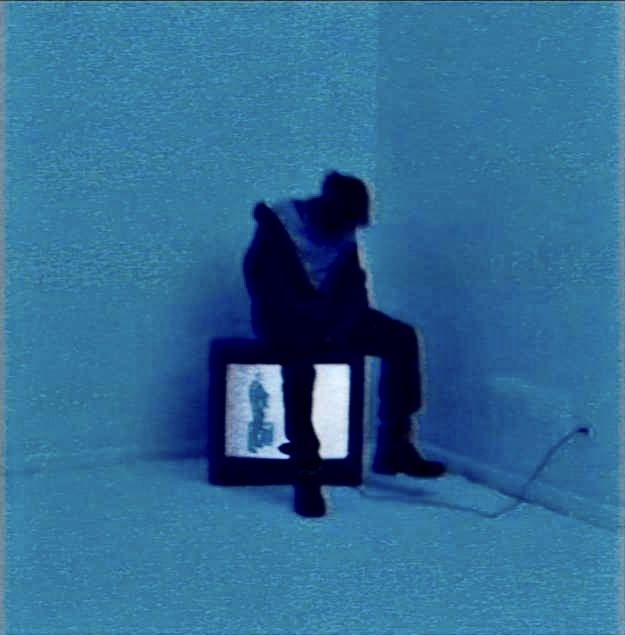
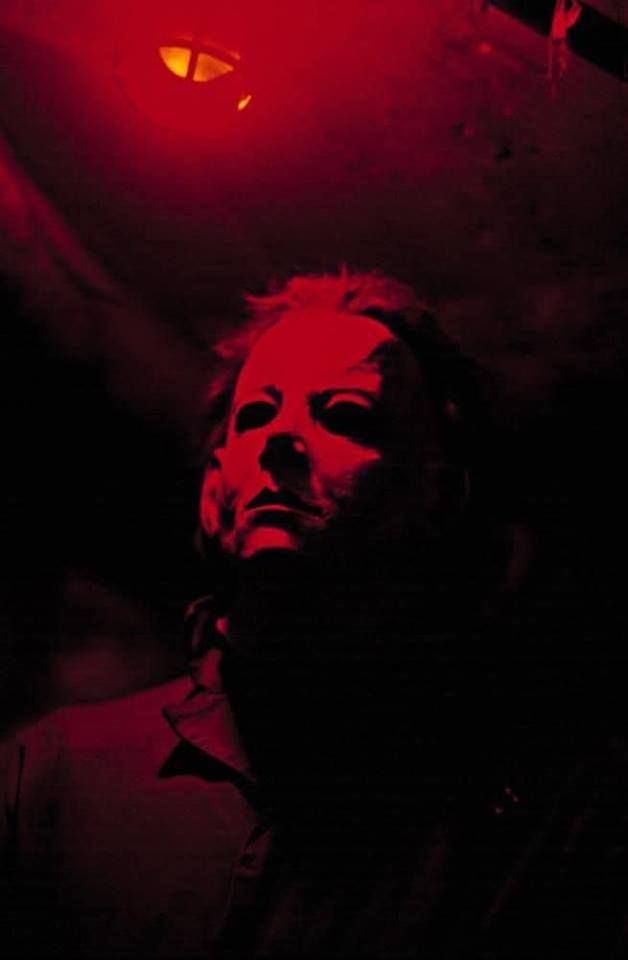
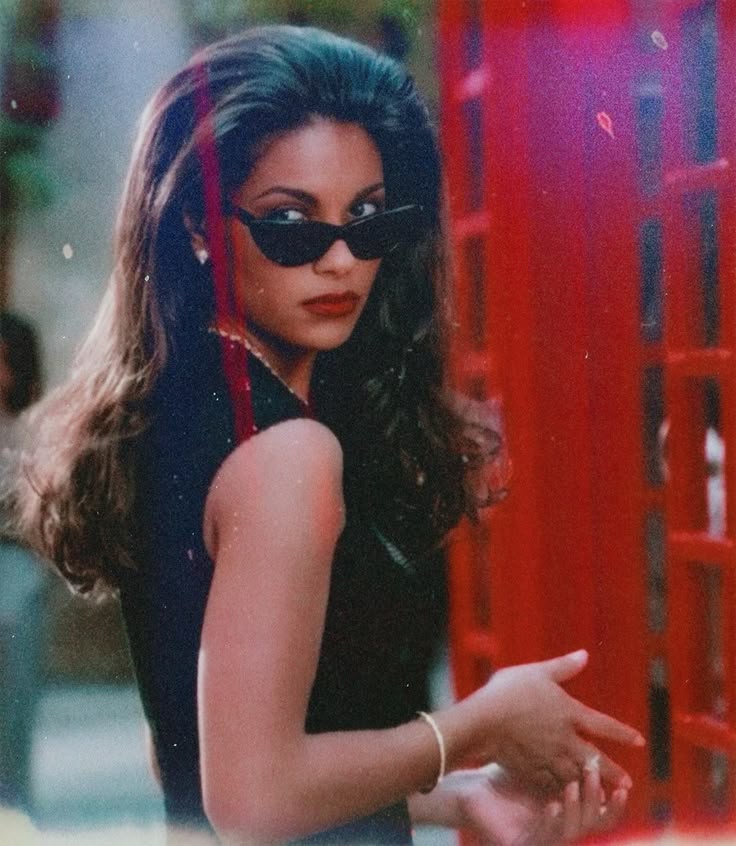
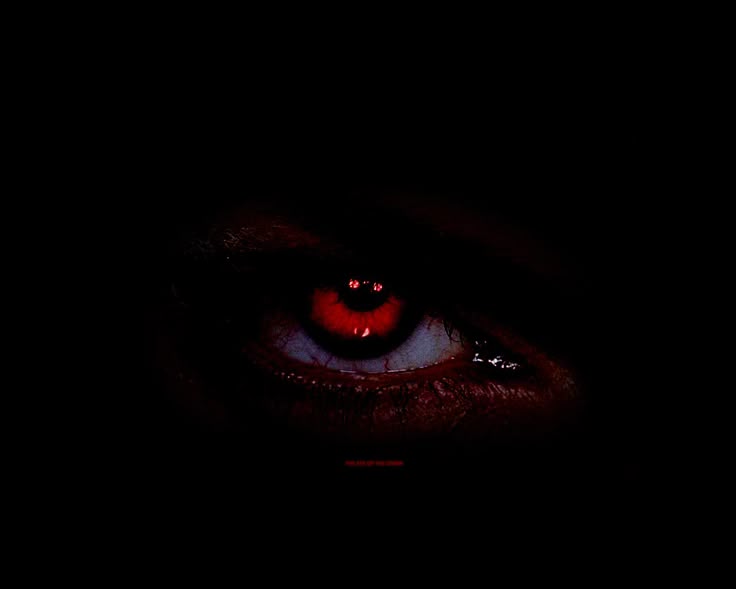
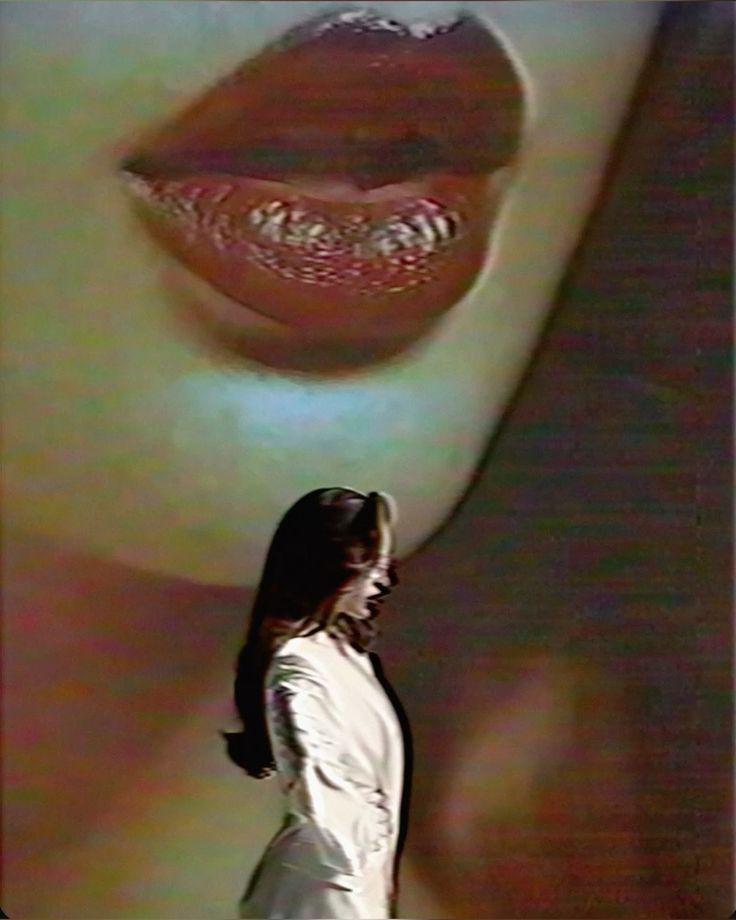
Before I crossed the threshold into that pulsing underworld, I handed my soul to a fallen angel at the door—sealing a Faustian bargain for women who existed only in virtual promise, illusions spun from desire and digital haze. Inside, the club drowned in dark misty buzz, hypnotic music clamping my mind like a vice while friends turned feral, circling for lust in the crimson gloom. I met their eyes—those angelic women whose irises burned like red moons multiplied tenfold, searing seduction directly onto my thoughts. Wine fueled a rising confidence, false as sunrise in hell; their hands clasped mine, lips brushed my neck, electric shivers racing down my spine. Then the mask slipped: the space grew haunted, their beautiful faces melting into faceless voids, hollow and ravenous. On the throbbing dance floor they encircled me, devouring my very countenance until I was nothing but a sacrifice stretched across their altar, offered up to goddesses who were never holy—only devourers wearing borrowed skin.
Outro
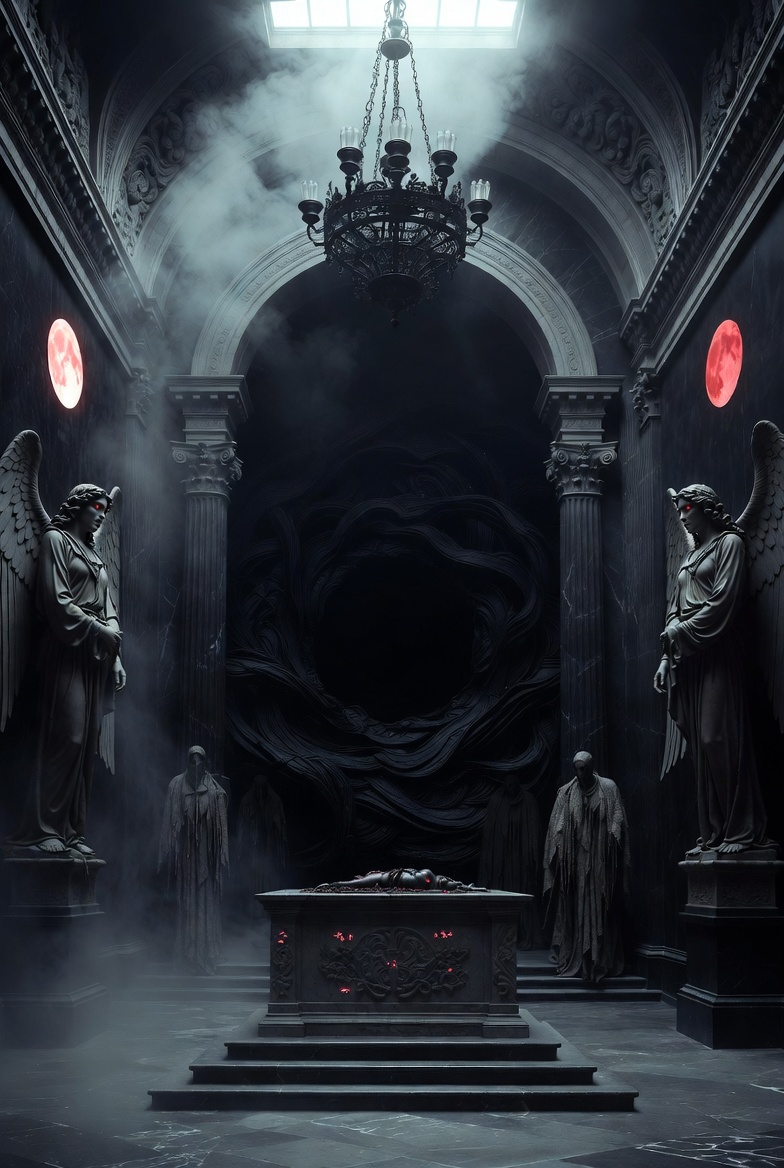
In the end, standing outside myself like a stranger watching the wreckage, I see it clearly: the soul wasn’t stolen in one dramatic theft but eroded night after night, song after song, sip after sip, until only a hollow silhouette remained on that altar. What I once called desire was merely the echo of a bargain I never read to the fine print; the red-moon eyes that promised ecstasy were the same that measured my worth in shadows and traded me piece by piece to goddesses who never needed names. Now the club is silent, the mist dissolved, yet the heartbeat I traded still thumps faintly somewhere behind closed doors—reminding me that freedom was never lost in the darkness inside, but in the moment I chose to step through them anyway, knowing full well I would never truly walk out again.
Fragment Blog
Other Blogs
Inspired By :
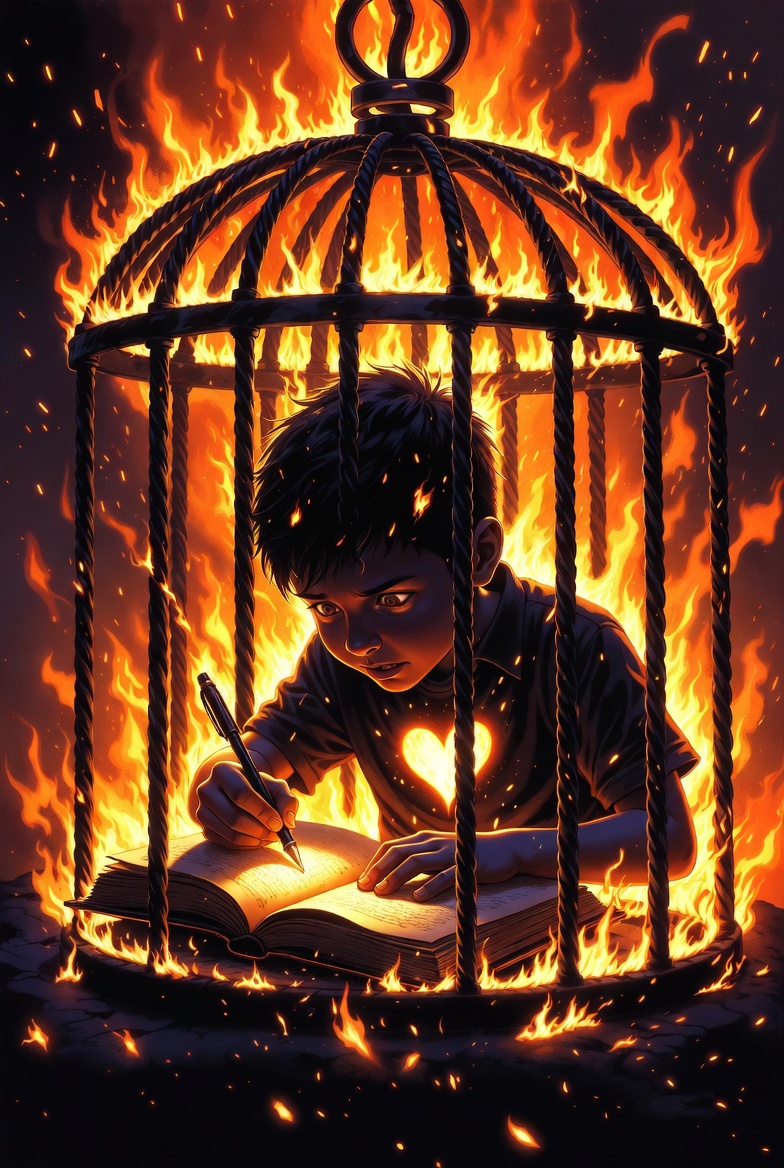
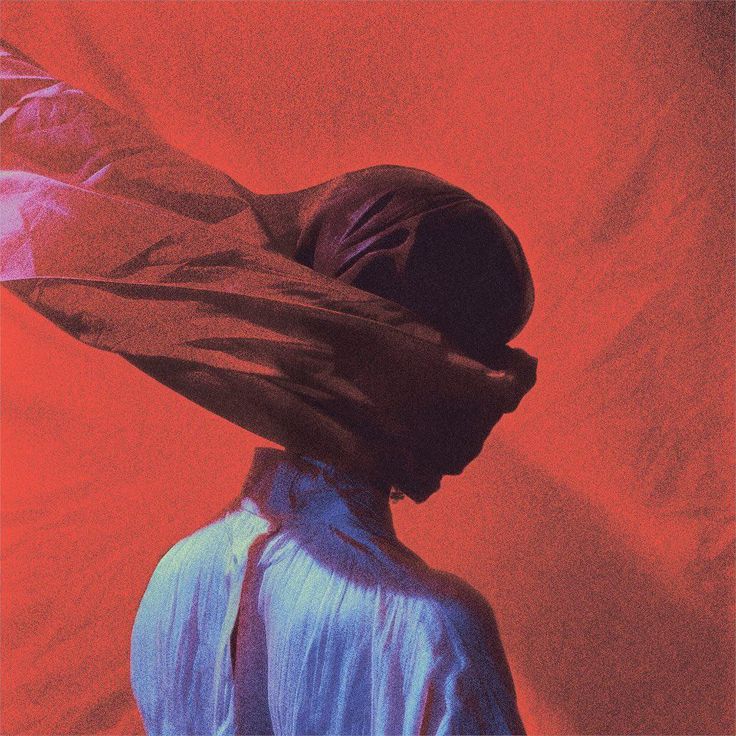

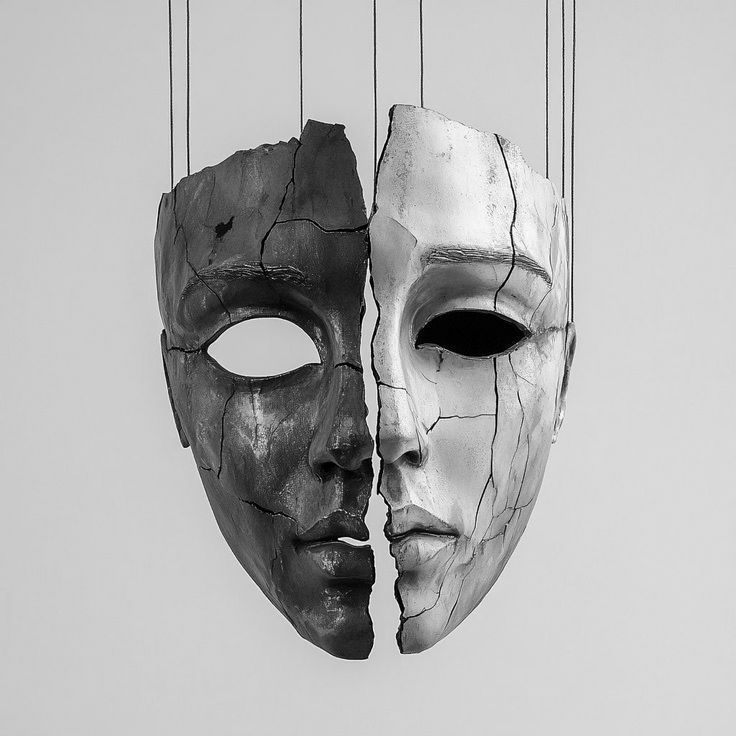
 LifeandTimelessart