Fragment Blog
Other Blogs
Inspired By :

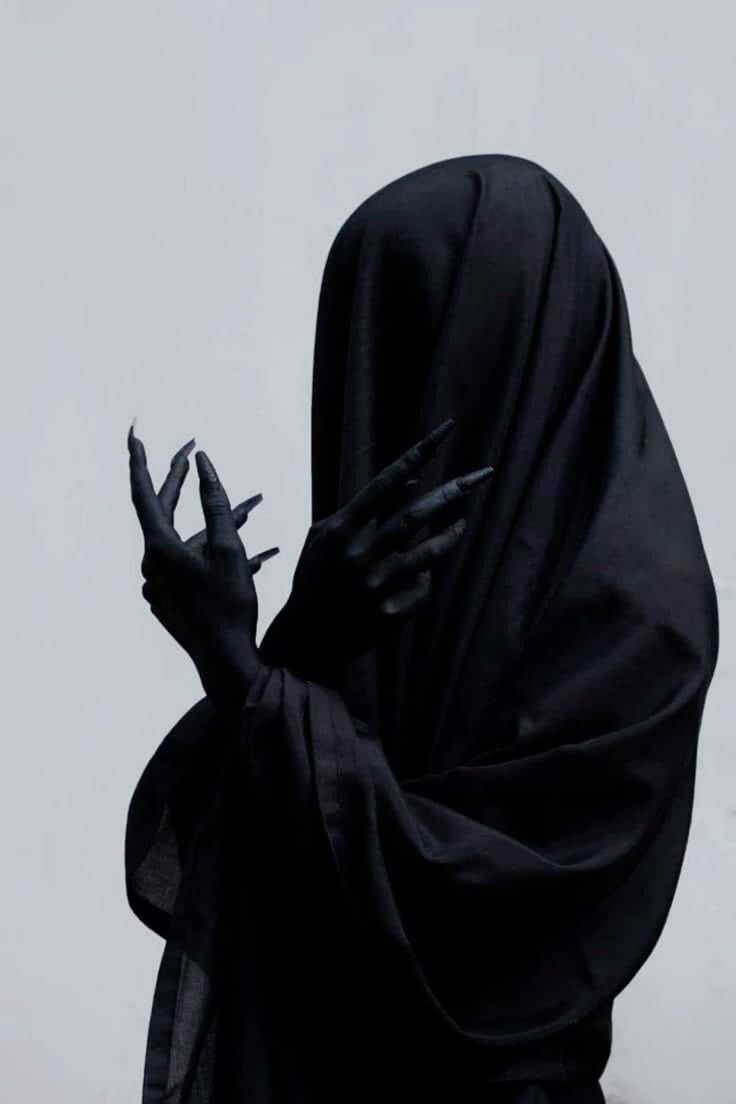
Intro Sometimes I think about why the urge to create feels so natural, almost unavoidable, as if it was placed inside us long before we understood what art even was. It makes me wonder if creativity is part of the reason we exist at all—like God invented us so imagination could move through human hands…

Intro In an age where virtue is performed beneath studio lights and righteousness is rehearsed for applause, the loudest saviors often cast the longest shadows. History has shown how public personas can crumble — from the fall of R. Kelly to the scandal surrounding Jeffrey Epstein — revealing how influence and power can conceal disturbing…

IntroThis poem presents a sharp and cautionary portrait of a woman whose outer beauty conceals inner danger. By comparing her appearance to Stacy Dash, the speaker immediately establishes an image of striking physical attractiveness, only to contrast it with the darker image of a “fallen angel.” Throughout the poem, religious symbolism—halos, horns, heaven—blends with modern…

IntroPurpose and destiny have always guided me, embodied in figures like Tia and Tamara, whose presence kept me steady and focused on achieving higher victories. Their influence lit a path toward growth and fulfillment, shaping my choices and ambitions. Yet, life’s temptations came in the form of vices resembling Samara, pulling me toward darker paths…
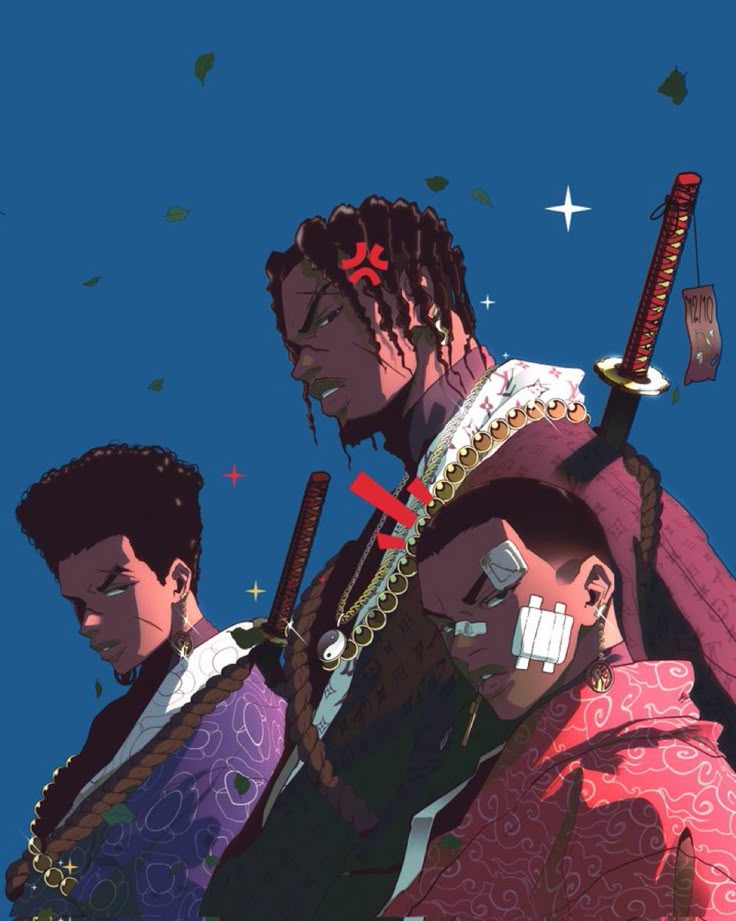
IntroThrough powerful biblical symbolism and vivid, confrontational imagery, the poem examines the complex tension between femininity, masculinity, and authority. By invoking Moses parting the Red Sea as a metaphor for spiritual revelation and division, the speaker establishes a dramatic tone that carries throughout the piece. The contrasting portrayals of “quiet and feminine grace” against loud,…

IntroThrough powerful biblical symbolism and vivid, confrontational imagery, the poem examines the complex tension between femininity, masculinity, and authority. By invoking Moses parting the Red Sea as a metaphor for spiritual revelation and division, the speaker establishes a dramatic tone that carries throughout the piece. The contrasting portrayals of “quiet and feminine grace” against loud,…

Intro“King Solomon Size” evokes the legendary magnitude of love and desire associated with Solomon, using his grand reputation as a metaphor for vast romantic ambition. The poem speaks in the voice of a man who longs to warm his “cold and dark” heart through touch, admiration, and conquest, revealing both vulnerability and hunger for devotion.…
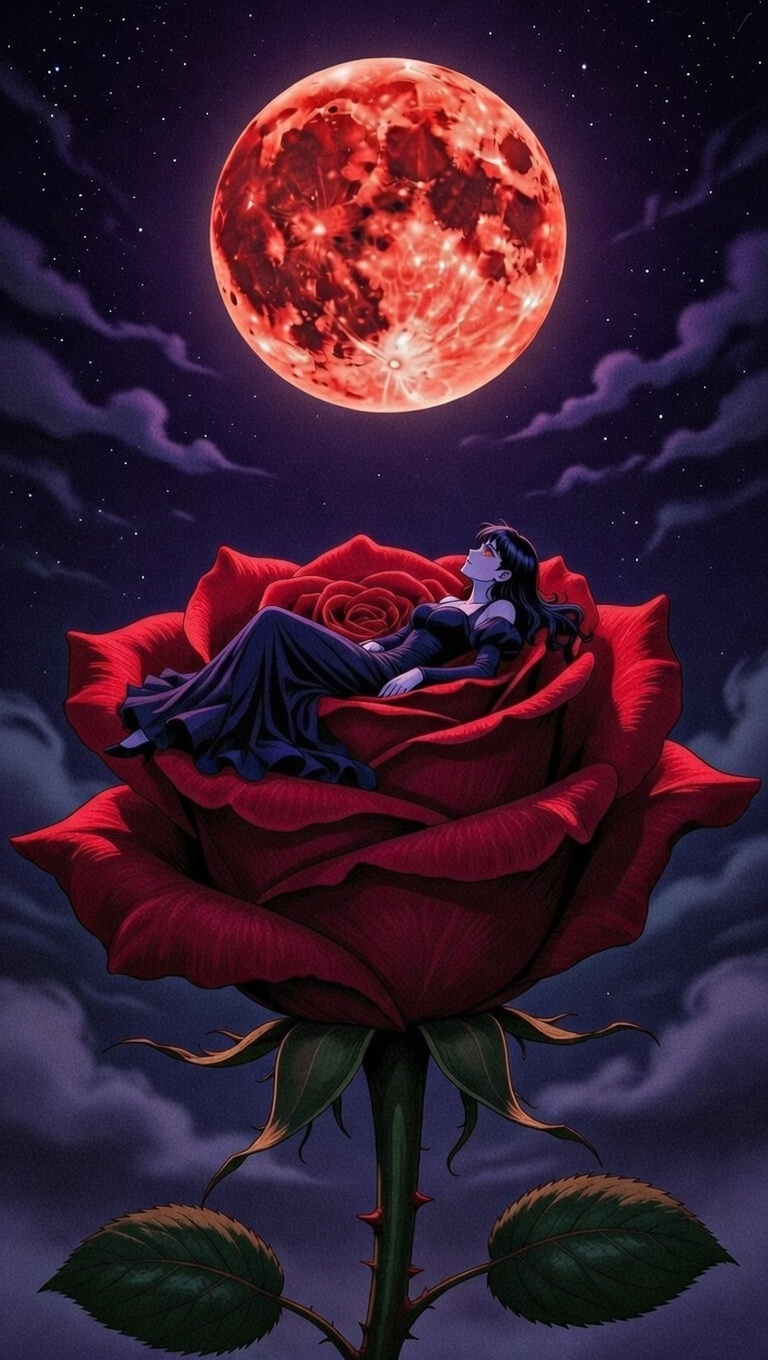
IntroHit The Gas… is a vivid meditation on impatience, desire, and the fragile illusion of escaping time. Through striking imagery of shattered hourglasses, blood-soaked moons, and frozen skies, the poem captures a desperate attempt to outrun mortality in pursuit of love. In that suspended moment, time bends and intimacy feels infinite—but reality inevitably restores its…

We live in a time where love is labelled toxic while lust is celebrated as liberation, and that contradiction should trouble us. Love asks for discipline, sacrifice, and commitment — qualities that build stability — yet it is side-lined and neglected, waiting on the bench of modern culture. Lust, on the other hand, is praised,…

Mechanical Love explores the haunting idea of love stripped of free will. The poem imagines a world where human agency is buried “six feet deep,” replaced by chemical impulses and mechanical repetition. Joseph Le Artist presents love not as a conscious choice, but as a programmed reaction—driven by dopamine rather than desire. The transformation into…
Fragment Blog
Other Blogs
Inspired By :
Intro Sometimes I think about why the urge to create feels so natural, almost unavoidable, as if it was placed inside us long before we understood what art even was. It makes me wonder if creativity is part of the reason we exist at all—like God invented us so imagination could move through human hands…
Intro In an age where virtue is performed beneath studio lights and righteousness is rehearsed for applause, the loudest saviors often cast the longest shadows. History has shown how public personas can crumble — from the fall of R. Kelly to the scandal surrounding Jeffrey Epstein — revealing how influence and power can conceal disturbing…
IntroThis poem presents a sharp and cautionary portrait of a woman whose outer beauty conceals inner danger. By comparing her appearance to Stacy Dash, the speaker immediately establishes an image of striking physical attractiveness, only to contrast it with the darker image of a “fallen angel.” Throughout the poem, religious symbolism—halos, horns, heaven—blends with modern…
IntroPurpose and destiny have always guided me, embodied in figures like Tia and Tamara, whose presence kept me steady and focused on achieving higher victories. Their influence lit a path toward growth and fulfillment, shaping my choices and ambitions. Yet, life’s temptations came in the form of vices resembling Samara, pulling me toward darker paths…
IntroThrough powerful biblical symbolism and vivid, confrontational imagery, the poem examines the complex tension between femininity, masculinity, and authority. By invoking Moses parting the Red Sea as a metaphor for spiritual revelation and division, the speaker establishes a dramatic tone that carries throughout the piece. The contrasting portrayals of “quiet and feminine grace” against loud,…
IntroThrough powerful biblical symbolism and vivid, confrontational imagery, the poem examines the complex tension between femininity, masculinity, and authority. By invoking Moses parting the Red Sea as a metaphor for spiritual revelation and division, the speaker establishes a dramatic tone that carries throughout the piece. The contrasting portrayals of “quiet and feminine grace” against loud,…
Intro“King Solomon Size” evokes the legendary magnitude of love and desire associated with Solomon, using his grand reputation as a metaphor for vast romantic ambition. The poem speaks in the voice of a man who longs to warm his “cold and dark” heart through touch, admiration, and conquest, revealing both vulnerability and hunger for devotion.…
IntroHit The Gas… is a vivid meditation on impatience, desire, and the fragile illusion of escaping time. Through striking imagery of shattered hourglasses, blood-soaked moons, and frozen skies, the poem captures a desperate attempt to outrun mortality in pursuit of love. In that suspended moment, time bends and intimacy feels infinite—but reality inevitably restores its…
We live in a time where love is labelled toxic while lust is celebrated as liberation, and that contradiction should trouble us. Love asks for discipline, sacrifice, and commitment — qualities that build stability — yet it is side-lined and neglected, waiting on the bench of modern culture. Lust, on the other hand, is praised,…
Mechanical Love explores the haunting idea of love stripped of free will. The poem imagines a world where human agency is buried “six feet deep,” replaced by chemical impulses and mechanical repetition. Joseph Le Artist presents love not as a conscious choice, but as a programmed reaction—driven by dopamine rather than desire. The transformation into…
Fragment Poem
Other Blogs
Inspired By :
Intro Sometimes I think about why the urge to create feels so natural, almost unavoidable, as if it was placed inside us long before we understood what art even was. It makes me wonder if creativity is part of the reason we exist at all—like God invented us so imagination could move through human hands…
Intro In an age where virtue is performed beneath studio lights and righteousness is rehearsed for applause, the loudest saviors often cast the longest shadows. History has shown how public personas can crumble — from the fall of R. Kelly to the scandal surrounding Jeffrey Epstein — revealing how influence and power can conceal disturbing…
IntroThis poem presents a sharp and cautionary portrait of a woman whose outer beauty conceals inner danger. By comparing her appearance to Stacy Dash, the speaker immediately establishes an image of striking physical attractiveness, only to contrast it with the darker image of a “fallen angel.” Throughout the poem, religious symbolism—halos, horns, heaven—blends with modern…
IntroPurpose and destiny have always guided me, embodied in figures like Tia and Tamara, whose presence kept me steady and focused on achieving higher victories. Their influence lit a path toward growth and fulfillment, shaping my choices and ambitions. Yet, life’s temptations came in the form of vices resembling Samara, pulling me toward darker paths…
IntroThrough powerful biblical symbolism and vivid, confrontational imagery, the poem examines the complex tension between femininity, masculinity, and authority. By invoking Moses parting the Red Sea as a metaphor for spiritual revelation and division, the speaker establishes a dramatic tone that carries throughout the piece. The contrasting portrayals of “quiet and feminine grace” against loud,…
IntroThrough powerful biblical symbolism and vivid, confrontational imagery, the poem examines the complex tension between femininity, masculinity, and authority. By invoking Moses parting the Red Sea as a metaphor for spiritual revelation and division, the speaker establishes a dramatic tone that carries throughout the piece. The contrasting portrayals of “quiet and feminine grace” against loud,…
Intro“King Solomon Size” evokes the legendary magnitude of love and desire associated with Solomon, using his grand reputation as a metaphor for vast romantic ambition. The poem speaks in the voice of a man who longs to warm his “cold and dark” heart through touch, admiration, and conquest, revealing both vulnerability and hunger for devotion.…
IntroHit The Gas… is a vivid meditation on impatience, desire, and the fragile illusion of escaping time. Through striking imagery of shattered hourglasses, blood-soaked moons, and frozen skies, the poem captures a desperate attempt to outrun mortality in pursuit of love. In that suspended moment, time bends and intimacy feels infinite—but reality inevitably restores its…
We live in a time where love is labelled toxic while lust is celebrated as liberation, and that contradiction should trouble us. Love asks for discipline, sacrifice, and commitment — qualities that build stability — yet it is side-lined and neglected, waiting on the bench of modern culture. Lust, on the other hand, is praised,…
Mechanical Love explores the haunting idea of love stripped of free will. The poem imagines a world where human agency is buried “six feet deep,” replaced by chemical impulses and mechanical repetition. Joseph Le Artist presents love not as a conscious choice, but as a programmed reaction—driven by dopamine rather than desire. The transformation into…
The Quiet Triumph of the authentic youth In certain corners of the world, virtue is punished before it is ever rewarded. To be young, sharp-minded, and clean-handed is to invite contempt. The clever boy who reads instead of robbing, the girl who dreams in metaphors instead of carrying a blade—these are branded as inauthentic, as outsiders to “real” life. Purity becomes a stain; a blank criminal record, a mark of shame. In the economy of the streets, innocence has no currency. Only spilled blood buys respect. This inversion of values is not new. Societies have always had their rites of passage, their sacrificial altars. What changes is the idol on the altar. Where once we demanded the young prove themselves through courage, discipline, or creation, some subcultures now demand proof through destruction—preferably of someone else, but of the self if necessary. To refuse that offering is to be cast out as “uncool,” as someone who has not truly lived.Yet the poem reminds us of a colder truth: the grave is the great equalizer, and it does not negotiate. The villainous youth who chased the dragon of reputation often find it first—six feet deep before the story has properly begun. Their names become cautionary tales whispered by the next generation, fairy tales with real corpses. Meanwhile, the ones who were mocked for keeping their hands clean, for defining life through “the void and darkest weather” without adding to the darkness—they endure. Quietly. Uncelebrated. Alive.There is a deep philosophical irony here. The path that promises immediate belonging, adrenaline, and mythic status leads most reliably to oblivion. The path that offers only the cold shoulder in the present grants the only thing that ultimately matters: a future. Authenticity, it turns out, is not measured by how loudly the crowd cheers in your twenties, but by whether you are still breathing in your thirties to tell a different story.The authentic youth prevail not because destiny favors them, not because some cosmic justice intervenes, but because they refuse to trade the infinite possibilities of a long life for the fleeting applause of a culture already burning itself out. In the end, the ones who seemed most alive were only hurrying toward death. The ones dismissed as mediocre inherited the only victory that cannot be taken away: tomorrow.
Fragment Poem
Other Blogs
Inspired By :
Intro Sometimes I think about why the urge to create feels so natural, almost unavoidable, as if it was placed inside us long before we understood what art even was. It makes me wonder if creativity is part of the reason we exist at all—like God invented us so imagination could move through human hands…
Intro In an age where virtue is performed beneath studio lights and righteousness is rehearsed for applause, the loudest saviors often cast the longest shadows. History has shown how public personas can crumble — from the fall of R. Kelly to the scandal surrounding Jeffrey Epstein — revealing how influence and power can conceal disturbing…
IntroThis poem presents a sharp and cautionary portrait of a woman whose outer beauty conceals inner danger. By comparing her appearance to Stacy Dash, the speaker immediately establishes an image of striking physical attractiveness, only to contrast it with the darker image of a “fallen angel.” Throughout the poem, religious symbolism—halos, horns, heaven—blends with modern…
IntroPurpose and destiny have always guided me, embodied in figures like Tia and Tamara, whose presence kept me steady and focused on achieving higher victories. Their influence lit a path toward growth and fulfillment, shaping my choices and ambitions. Yet, life’s temptations came in the form of vices resembling Samara, pulling me toward darker paths…
IntroThrough powerful biblical symbolism and vivid, confrontational imagery, the poem examines the complex tension between femininity, masculinity, and authority. By invoking Moses parting the Red Sea as a metaphor for spiritual revelation and division, the speaker establishes a dramatic tone that carries throughout the piece. The contrasting portrayals of “quiet and feminine grace” against loud,…
IntroThrough powerful biblical symbolism and vivid, confrontational imagery, the poem examines the complex tension between femininity, masculinity, and authority. By invoking Moses parting the Red Sea as a metaphor for spiritual revelation and division, the speaker establishes a dramatic tone that carries throughout the piece. The contrasting portrayals of “quiet and feminine grace” against loud,…
Intro“King Solomon Size” evokes the legendary magnitude of love and desire associated with Solomon, using his grand reputation as a metaphor for vast romantic ambition. The poem speaks in the voice of a man who longs to warm his “cold and dark” heart through touch, admiration, and conquest, revealing both vulnerability and hunger for devotion.…
IntroHit The Gas… is a vivid meditation on impatience, desire, and the fragile illusion of escaping time. Through striking imagery of shattered hourglasses, blood-soaked moons, and frozen skies, the poem captures a desperate attempt to outrun mortality in pursuit of love. In that suspended moment, time bends and intimacy feels infinite—but reality inevitably restores its…
We live in a time where love is labelled toxic while lust is celebrated as liberation, and that contradiction should trouble us. Love asks for discipline, sacrifice, and commitment — qualities that build stability — yet it is side-lined and neglected, waiting on the bench of modern culture. Lust, on the other hand, is praised,…
Mechanical Love explores the haunting idea of love stripped of free will. The poem imagines a world where human agency is buried “six feet deep,” replaced by chemical impulses and mechanical repetition. Joseph Le Artist presents love not as a conscious choice, but as a programmed reaction—driven by dopamine rather than desire. The transformation into…
Fragment Blog
Other Blogs
Inspired By :
Intro Sometimes I think about why the urge to create feels so natural, almost unavoidable, as if it was placed inside us long before we understood what art even was. It makes me wonder if creativity is part of the reason we exist at all—like God invented us so imagination could move through human hands…
Intro In an age where virtue is performed beneath studio lights and righteousness is rehearsed for applause, the loudest saviors often cast the longest shadows. History has shown how public personas can crumble — from the fall of R. Kelly to the scandal surrounding Jeffrey Epstein — revealing how influence and power can conceal disturbing…
IntroThis poem presents a sharp and cautionary portrait of a woman whose outer beauty conceals inner danger. By comparing her appearance to Stacy Dash, the speaker immediately establishes an image of striking physical attractiveness, only to contrast it with the darker image of a “fallen angel.” Throughout the poem, religious symbolism—halos, horns, heaven—blends with modern…
IntroPurpose and destiny have always guided me, embodied in figures like Tia and Tamara, whose presence kept me steady and focused on achieving higher victories. Their influence lit a path toward growth and fulfillment, shaping my choices and ambitions. Yet, life’s temptations came in the form of vices resembling Samara, pulling me toward darker paths…
IntroThrough powerful biblical symbolism and vivid, confrontational imagery, the poem examines the complex tension between femininity, masculinity, and authority. By invoking Moses parting the Red Sea as a metaphor for spiritual revelation and division, the speaker establishes a dramatic tone that carries throughout the piece. The contrasting portrayals of “quiet and feminine grace” against loud,…
IntroThrough powerful biblical symbolism and vivid, confrontational imagery, the poem examines the complex tension between femininity, masculinity, and authority. By invoking Moses parting the Red Sea as a metaphor for spiritual revelation and division, the speaker establishes a dramatic tone that carries throughout the piece. The contrasting portrayals of “quiet and feminine grace” against loud,…
Intro“King Solomon Size” evokes the legendary magnitude of love and desire associated with Solomon, using his grand reputation as a metaphor for vast romantic ambition. The poem speaks in the voice of a man who longs to warm his “cold and dark” heart through touch, admiration, and conquest, revealing both vulnerability and hunger for devotion.…
IntroHit The Gas… is a vivid meditation on impatience, desire, and the fragile illusion of escaping time. Through striking imagery of shattered hourglasses, blood-soaked moons, and frozen skies, the poem captures a desperate attempt to outrun mortality in pursuit of love. In that suspended moment, time bends and intimacy feels infinite—but reality inevitably restores its…
We live in a time where love is labelled toxic while lust is celebrated as liberation, and that contradiction should trouble us. Love asks for discipline, sacrifice, and commitment — qualities that build stability — yet it is side-lined and neglected, waiting on the bench of modern culture. Lust, on the other hand, is praised,…
Mechanical Love explores the haunting idea of love stripped of free will. The poem imagines a world where human agency is buried “six feet deep,” replaced by chemical impulses and mechanical repetition. Joseph Le Artist presents love not as a conscious choice, but as a programmed reaction—driven by dopamine rather than desire. The transformation into…
Fragment Blog
Other Blogs
Inspired By :