



Intro
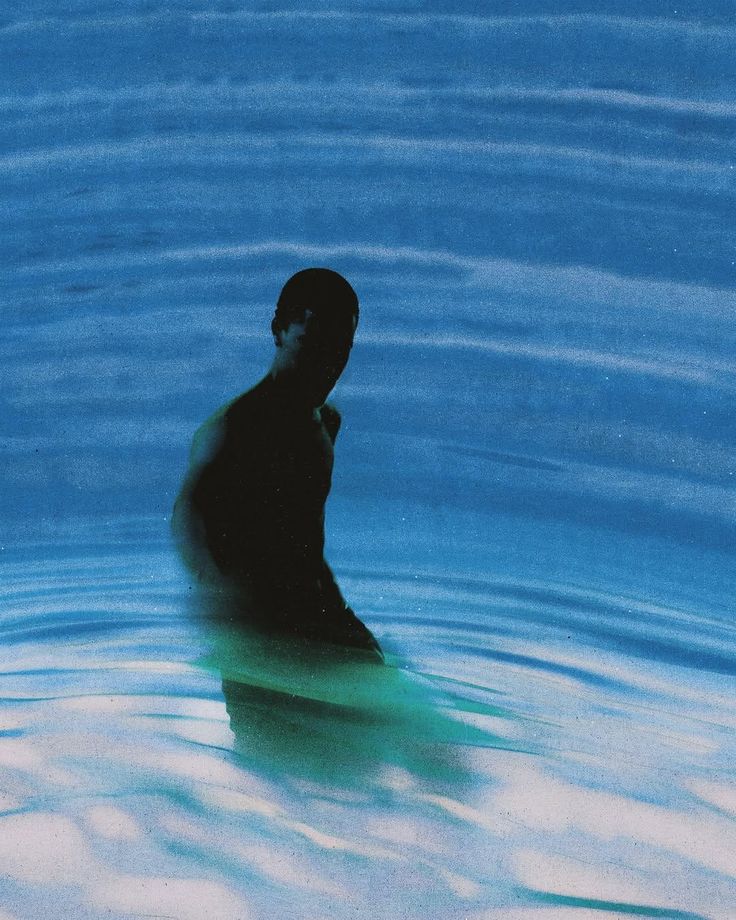
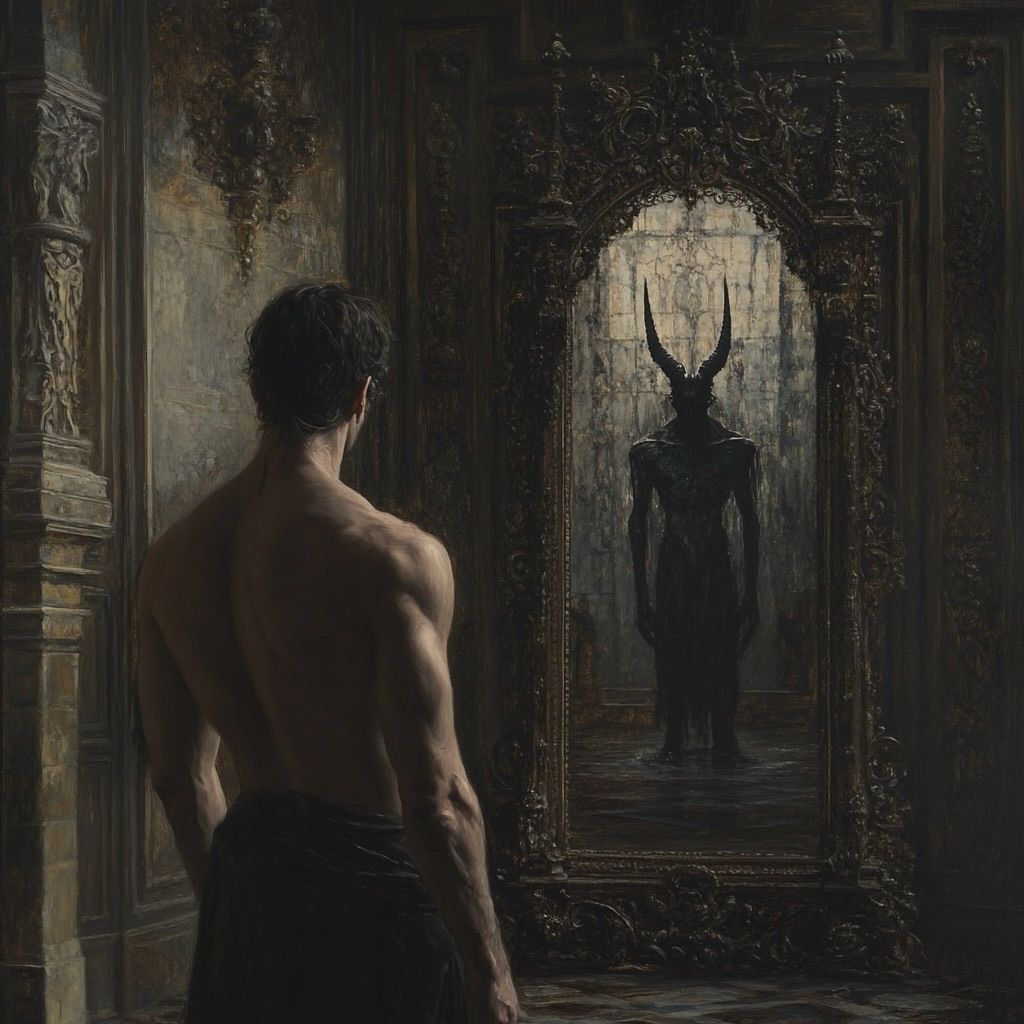
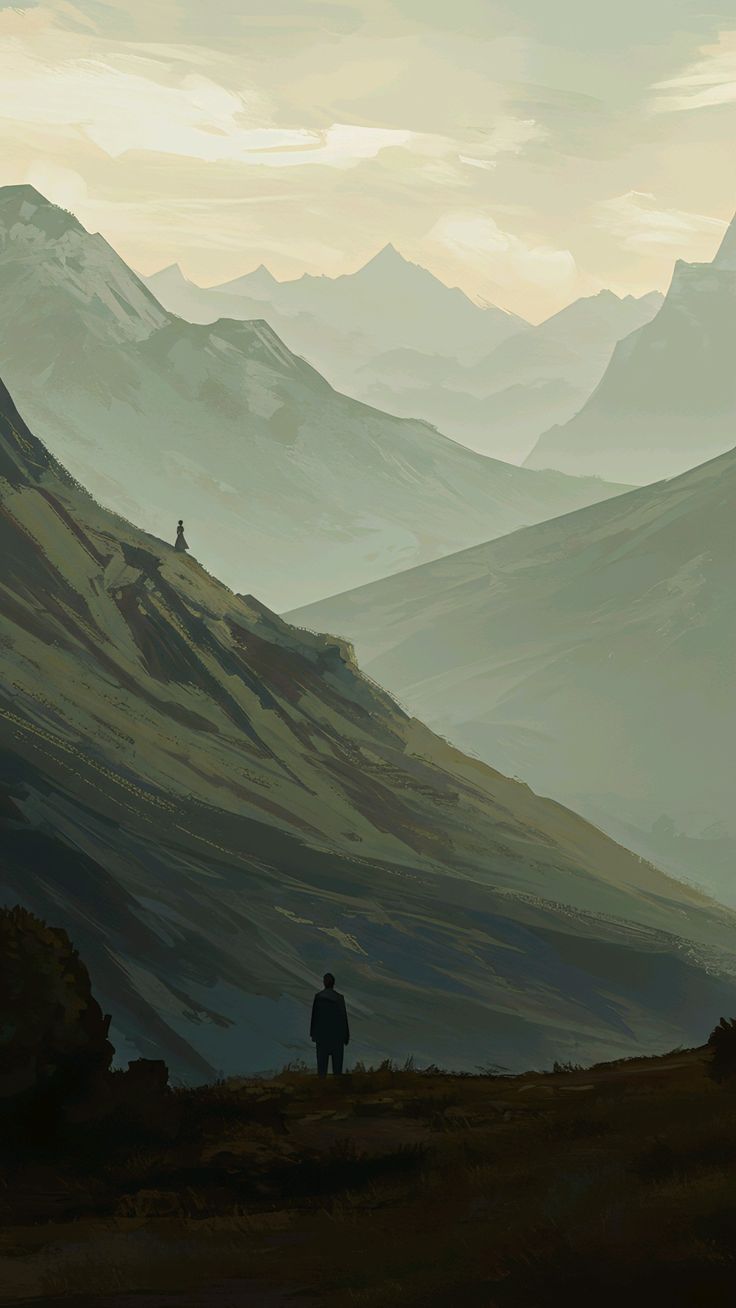
In the shadowed theatre of the human spirit, where ghosts of yesterday clash violently with the fragile promise of tomorrow, I catch fleeting glimpses of Triumph shimmering on the distant horizon like a defiant beacon. My troubled past charges at me with ferocious might, its claws sinking deep into my shoulders, weighing me down beneath layers of regret, shame, and unhealed wounds that blind my eyesight with every piercing vision. Yet I refuse to stay down—I won’t be polite clinging desperately to faith with bloodied knuckles, a stubborn lifeline against the storm. Then Life herself leans in close, her breath warm and velvet-soft against my ear, whispering tenderly with seductive wisdom: “Stop chasing triumph just for me. Come, let me lead you to the land of vanity, where you can savour every delightful vice, free from the exhausting burdens of guilt, shame, and pride.” In that intimate moment, the true intrigue unfolds—not as crude temptation, but as a profound existential choice: surrender to the effortless kingdom of self-indulgence where the soul trades growth for fleeting comfort, or endure the bruising fight toward authentic triumph, where resilience forges character from the very chains that seek to break us.
Outro
And yet, as the echoes of that tender whisper fade into the gathering dusk, I tighten my bloodied grip on faith and rise once more, refusing the velvet road to vanity. The past may charge again with all its savage might, blinding my eyes with familiar ghosts, but I will not loosen my hold, nor will I be polite in the face of surrender. Triumph is no longer a distant shimmer I merely glimpse—it is the quiet fire forged in every stubborn refusal to kneel, the sacred defiance that turns bruises into armor and pain into purpose. Life may lean in with her sweetest temptations, promising freedom from guilt, shame, and pride, yet I have learned that true liberation lives not in the land of easy vices, but in the bruised, unyielding ascent toward becoming whole. So let the visions blind me if they must; I will walk forward by something deeper than sight, carrying my scars like quiet stars, knowing that the real triumph was never the arrival—it was the sacred, impolite refusal to stay down.
Poem Fragment