Fragment Blog
Other Blogs
Inspired By :


“Do not store up for yourselves treasures on earth, where moths and vermin destroy, and where thieves break in and steal. But store up for yourselves treasures in heaven… For where your treasure is, there your heart will be also.”— Matthew 6:19-21 (NIV)As I reflect on the words of my own heart poured into verse,…
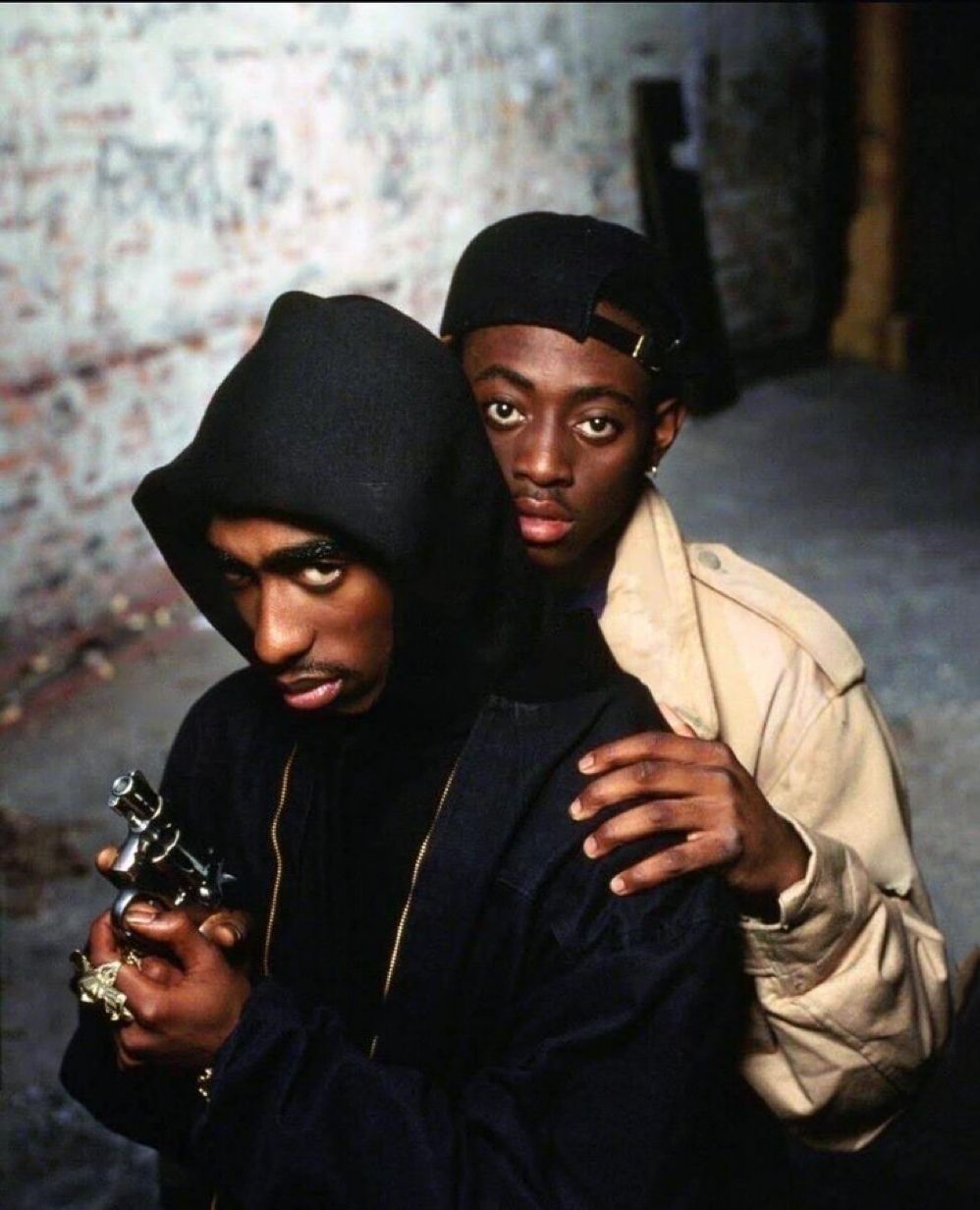
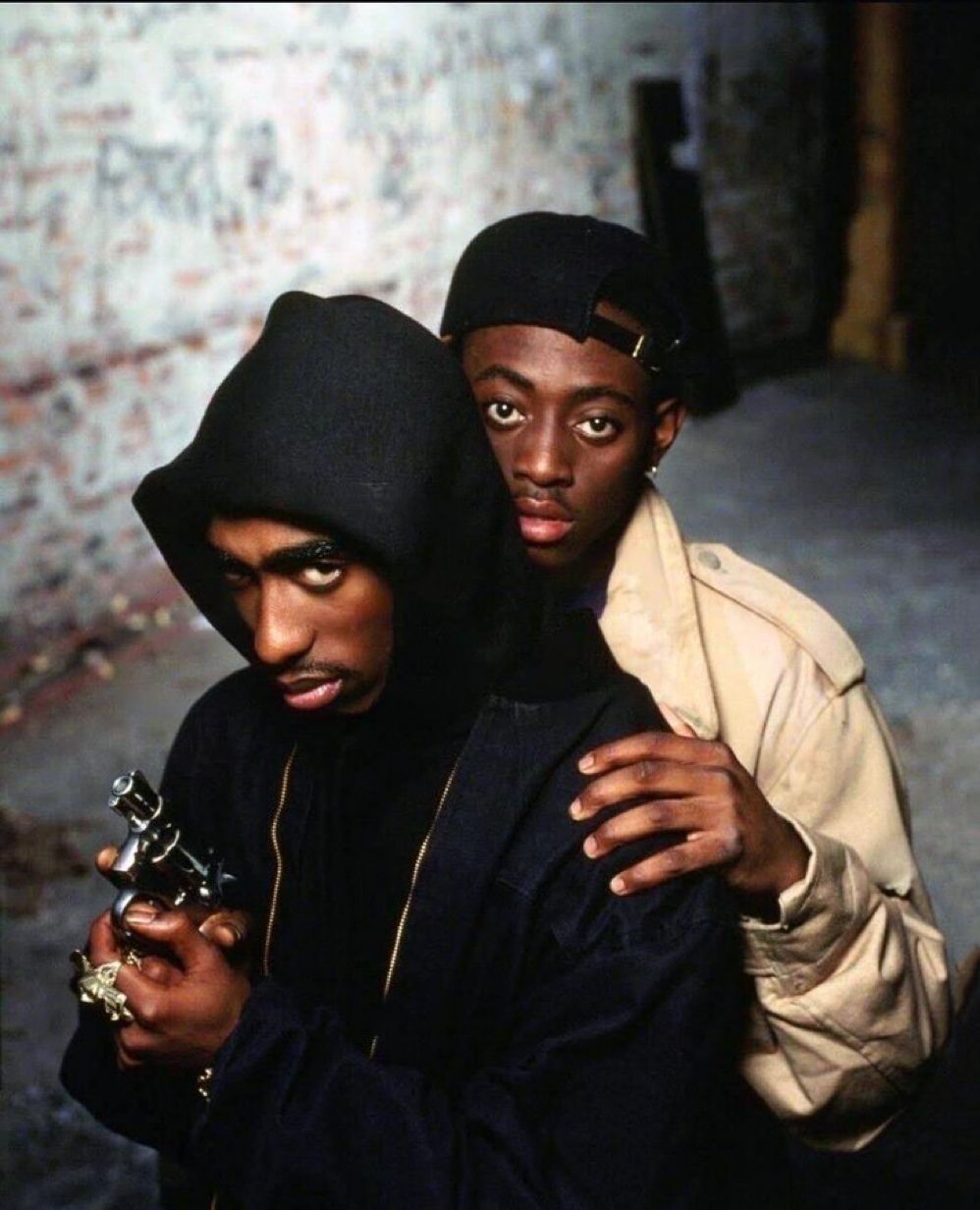
I woke to a shadow in my room, my own face staring back, twisted with a grin that wasn’t mine. It held my gun, accusing me: “You thought you could embody the essence of wrath’s?” Its words cut deep, naming “friends” I’d killed—lives I’d ended or betrayed in moments I can’t unmake. Jean-Paul Sartre’s words…

Some moments in life feel like they’ve been woven into the fabric of the universe, perfectly timed and undeniably sacred. I stumbled into one such moment not long ago, when the winding grapevine of life—those serendipitous threads of chance—led me to her. Her name is Halle, and from the instant I met her, I knew…
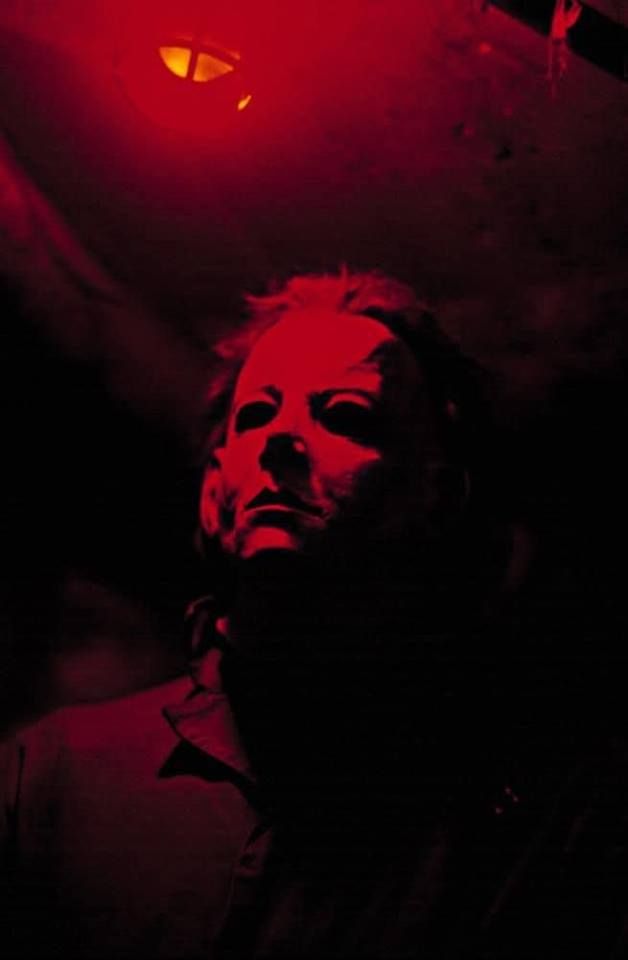
In my youth, a seed was planted, cold and unrelenting, deep within my heart. It grew as I did, twisting me into a figure I liken to Michael Myers—a silent, unyielding archetype of destruction. I didn’t fight it; I let it consume me. That seed bloomed into a lascivious hunger, a monstrous drive that’s left…
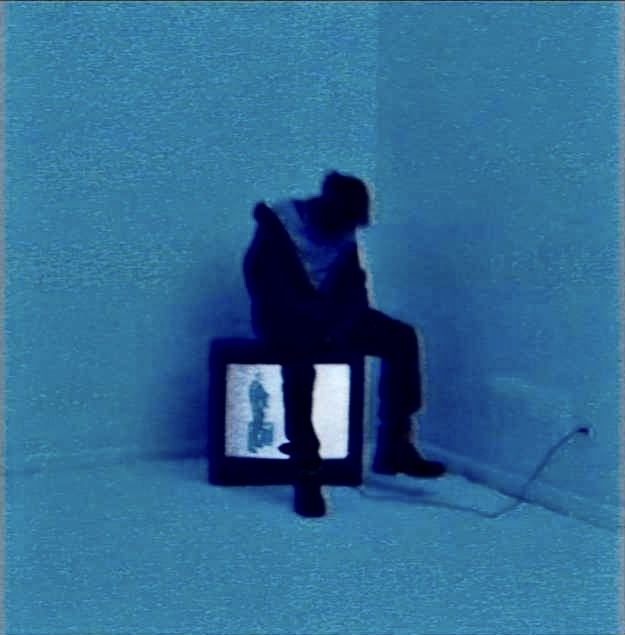
As I sit here, pen in hand, my thoughts drift to the electric pulse of the club, a place where the world blurs into a haze of lights and rhythm. It’s a space where I find myself searching, chasing something fleeting—a spark, a connection, a moment of lust that feels like it could ignite my…

Dissected Tread I was bored one day and i was amazed by @jid feature on a track called fried rice by @bas and I thought let me write something over @jid flow just for fun. #LATA Treads : Inspired By :
Dissected Tread Tread One : Inspired By :
Fragment Blog
Other Blogs
Inspired By :
“Do not store up for yourselves treasures on earth, where moths and vermin destroy, and where thieves break in and steal. But store up for yourselves treasures in heaven… For where your treasure is, there your heart will be also.”— Matthew 6:19-21 (NIV)As I reflect on the words of my own heart poured into verse,…
I woke to a shadow in my room, my own face staring back, twisted with a grin that wasn’t mine. It held my gun, accusing me: “You thought you could embody the essence of wrath’s?” Its words cut deep, naming “friends” I’d killed—lives I’d ended or betrayed in moments I can’t unmake. Jean-Paul Sartre’s words…
Some moments in life feel like they’ve been woven into the fabric of the universe, perfectly timed and undeniably sacred. I stumbled into one such moment not long ago, when the winding grapevine of life—those serendipitous threads of chance—led me to her. Her name is Halle, and from the instant I met her, I knew…
In my youth, a seed was planted, cold and unrelenting, deep within my heart. It grew as I did, twisting me into a figure I liken to Michael Myers—a silent, unyielding archetype of destruction. I didn’t fight it; I let it consume me. That seed bloomed into a lascivious hunger, a monstrous drive that’s left…
As I sit here, pen in hand, my thoughts drift to the electric pulse of the club, a place where the world blurs into a haze of lights and rhythm. It’s a space where I find myself searching, chasing something fleeting—a spark, a connection, a moment of lust that feels like it could ignite my…
Dissected Tread I was bored one day and i was amazed by @jid feature on a track called fried rice by @bas and I thought let me write something over @jid flow just for fun. #LATA Treads : Inspired By :
Dissected Tread Tread One : Inspired By :
Fragment Poem
Other Blogs
Inspired By :
“Do not store up for yourselves treasures on earth, where moths and vermin destroy, and where thieves break in and steal. But store up for yourselves treasures in heaven… For where your treasure is, there your heart will be also.”— Matthew 6:19-21 (NIV)As I reflect on the words of my own heart poured into verse,…
I woke to a shadow in my room, my own face staring back, twisted with a grin that wasn’t mine. It held my gun, accusing me: “You thought you could embody the essence of wrath’s?” Its words cut deep, naming “friends” I’d killed—lives I’d ended or betrayed in moments I can’t unmake. Jean-Paul Sartre’s words…
Some moments in life feel like they’ve been woven into the fabric of the universe, perfectly timed and undeniably sacred. I stumbled into one such moment not long ago, when the winding grapevine of life—those serendipitous threads of chance—led me to her. Her name is Halle, and from the instant I met her, I knew…
In my youth, a seed was planted, cold and unrelenting, deep within my heart. It grew as I did, twisting me into a figure I liken to Michael Myers—a silent, unyielding archetype of destruction. I didn’t fight it; I let it consume me. That seed bloomed into a lascivious hunger, a monstrous drive that’s left…
As I sit here, pen in hand, my thoughts drift to the electric pulse of the club, a place where the world blurs into a haze of lights and rhythm. It’s a space where I find myself searching, chasing something fleeting—a spark, a connection, a moment of lust that feels like it could ignite my…
Dissected Tread I was bored one day and i was amazed by @jid feature on a track called fried rice by @bas and I thought let me write something over @jid flow just for fun. #LATA Treads : Inspired By :
Dissected Tread Tread One : Inspired By :
The Quiet Triumph of the authentic youth In certain corners of the world, virtue is punished before it is ever rewarded. To be young, sharp-minded, and clean-handed is to invite contempt. The clever boy who reads instead of robbing, the girl who dreams in metaphors instead of carrying a blade—these are branded as inauthentic, as outsiders to “real” life. Purity becomes a stain; a blank criminal record, a mark of shame. In the economy of the streets, innocence has no currency. Only spilled blood buys respect. This inversion of values is not new. Societies have always had their rites of passage, their sacrificial altars. What changes is the idol on the altar. Where once we demanded the young prove themselves through courage, discipline, or creation, some subcultures now demand proof through destruction—preferably of someone else, but of the self if necessary. To refuse that offering is to be cast out as “uncool,” as someone who has not truly lived.Yet the poem reminds us of a colder truth: the grave is the great equalizer, and it does not negotiate. The villainous youth who chased the dragon of reputation often find it first—six feet deep before the story has properly begun. Their names become cautionary tales whispered by the next generation, fairy tales with real corpses. Meanwhile, the ones who were mocked for keeping their hands clean, for defining life through “the void and darkest weather” without adding to the darkness—they endure. Quietly. Uncelebrated. Alive.There is a deep philosophical irony here. The path that promises immediate belonging, adrenaline, and mythic status leads most reliably to oblivion. The path that offers only the cold shoulder in the present grants the only thing that ultimately matters: a future. Authenticity, it turns out, is not measured by how loudly the crowd cheers in your twenties, but by whether you are still breathing in your thirties to tell a different story.The authentic youth prevail not because destiny favors them, not because some cosmic justice intervenes, but because they refuse to trade the infinite possibilities of a long life for the fleeting applause of a culture already burning itself out. In the end, the ones who seemed most alive were only hurrying toward death. The ones dismissed as mediocre inherited the only victory that cannot be taken away: tomorrow.
Fragment Poem
Other Blogs
Inspired By :
“Do not store up for yourselves treasures on earth, where moths and vermin destroy, and where thieves break in and steal. But store up for yourselves treasures in heaven… For where your treasure is, there your heart will be also.”— Matthew 6:19-21 (NIV)As I reflect on the words of my own heart poured into verse,…
I woke to a shadow in my room, my own face staring back, twisted with a grin that wasn’t mine. It held my gun, accusing me: “You thought you could embody the essence of wrath’s?” Its words cut deep, naming “friends” I’d killed—lives I’d ended or betrayed in moments I can’t unmake. Jean-Paul Sartre’s words…
Some moments in life feel like they’ve been woven into the fabric of the universe, perfectly timed and undeniably sacred. I stumbled into one such moment not long ago, when the winding grapevine of life—those serendipitous threads of chance—led me to her. Her name is Halle, and from the instant I met her, I knew…
In my youth, a seed was planted, cold and unrelenting, deep within my heart. It grew as I did, twisting me into a figure I liken to Michael Myers—a silent, unyielding archetype of destruction. I didn’t fight it; I let it consume me. That seed bloomed into a lascivious hunger, a monstrous drive that’s left…
As I sit here, pen in hand, my thoughts drift to the electric pulse of the club, a place where the world blurs into a haze of lights and rhythm. It’s a space where I find myself searching, chasing something fleeting—a spark, a connection, a moment of lust that feels like it could ignite my…
Dissected Tread I was bored one day and i was amazed by @jid feature on a track called fried rice by @bas and I thought let me write something over @jid flow just for fun. #LATA Treads : Inspired By :
Dissected Tread Tread One : Inspired By :
Fragment Blog
Other Blogs
Inspired By :
“Do not store up for yourselves treasures on earth, where moths and vermin destroy, and where thieves break in and steal. But store up for yourselves treasures in heaven… For where your treasure is, there your heart will be also.”— Matthew 6:19-21 (NIV)As I reflect on the words of my own heart poured into verse,…
I woke to a shadow in my room, my own face staring back, twisted with a grin that wasn’t mine. It held my gun, accusing me: “You thought you could embody the essence of wrath’s?” Its words cut deep, naming “friends” I’d killed—lives I’d ended or betrayed in moments I can’t unmake. Jean-Paul Sartre’s words…
Some moments in life feel like they’ve been woven into the fabric of the universe, perfectly timed and undeniably sacred. I stumbled into one such moment not long ago, when the winding grapevine of life—those serendipitous threads of chance—led me to her. Her name is Halle, and from the instant I met her, I knew…
In my youth, a seed was planted, cold and unrelenting, deep within my heart. It grew as I did, twisting me into a figure I liken to Michael Myers—a silent, unyielding archetype of destruction. I didn’t fight it; I let it consume me. That seed bloomed into a lascivious hunger, a monstrous drive that’s left…
As I sit here, pen in hand, my thoughts drift to the electric pulse of the club, a place where the world blurs into a haze of lights and rhythm. It’s a space where I find myself searching, chasing something fleeting—a spark, a connection, a moment of lust that feels like it could ignite my…
Dissected Tread I was bored one day and i was amazed by @jid feature on a track called fried rice by @bas and I thought let me write something over @jid flow just for fun. #LATA Treads : Inspired By :
Dissected Tread Tread One : Inspired By :
Fragment Blog
Other Blogs
Inspired By :