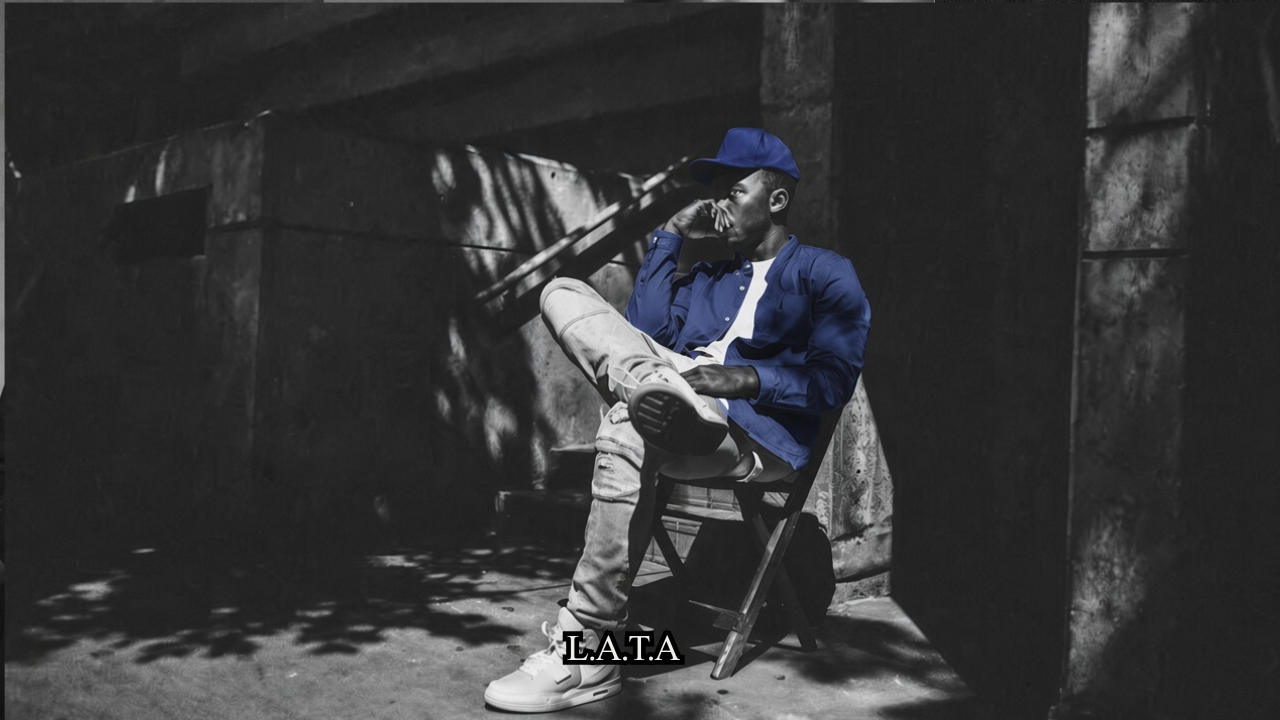







The poem “A Tool of Lucy” presents a chilling narrative of a soul ensnared by sin, embodying the archetype of a cold-hearted predator who spiritually and emotionally devastates others. Through its vivid imagery and raw confession, the poem invites exploration of profound philosophical and biblical themes: the nature of evil, the consequences of free will, and the possibility of redemption. This article examines these themes, drawing on philosophical perspectives and biblical teachings to illuminate the poem’s portrayal of a life consumed by lasciviousness and spiritual destruction.
The Philosophical Lens: Free Will and the Descent into Evil
Philosophically, the poem grapples with the concept of free will and its role in moral corruption. The speaker acknowledges becoming a “tool of Lucy” (likely a reference to Lucifer, the embodiment of evil) “without fighting back,” suggesting a voluntary surrender to destructive impulses. This aligns with existentialist thought, particularly Jean-Paul Sartre’s notion that humans are condemned to be free, bearing full responsibility for their choices. The speaker’s choice of the “Michael Myers archetype”—a symbol of relentless, emotionless violence—reflects a deliberate embrace of a persona devoid of empathy, highlighting the existential weight of choosing one’s path.
From a Nietzschean perspective, the speaker’s “magnificent brute” persona could be seen as an extreme expression of the will to power, where dominance over others (here, through spiritual and emotional manipulation) becomes a perverse assertion of self. Yet, Nietzsche also warns of the nihilistic void that follows such unchecked power, mirrored in the poem’s imagery of a “graveyard” of souls, where the speaker’s actions leave only destruction and emptiness. The philosophical question arises: does the speaker’s surrender to “Lucy” reflect a failure of will to resist, or is it an active choice to revel in chaos?

The Biblical Lens: Sin, Temptation, and Spiritual Death
Biblically, the poem resonates with the narrative of humanity’s susceptibility to sin, rooted in the Fall (Genesis 3). The “seed of lasciviousness” that “bloomed in my youth” evokes the biblical concept of original sin, where the propensity for evil is inherent but activated through choice. The speaker’s predatory behavior—using women’s bodies for pleasure and discarding their “scarred hearts”—parallels the biblical warning against lust as a destructive force. In Matthew 5:28, Jesus teaches that “anyone who looks at a woman lustfully has already committed adultery with her in his heart,” underscoring the spiritual harm of objectifying others.
The reference to “Lucy” taking the wheel suggests a surrender to Satan’s influence, echoing Ephesians 6:12, which speaks of spiritual warfare against “the powers of this dark world.” The speaker’s actions—dismantling souls “for pleasure and ridicule”—reflect the biblical portrayal of Satan as one who seeks to “steal and kill and destroy” (John 10:10). Yet, the poem’s tragic tone, with its admission of being a “fool,” hints at self-awareness, a crack through which biblical hope might enter. Romans 7:24–25 captures this tension: “What a wretched man I am! Who will rescue me from this body that is subject to death? Thanks be to God, who delivers me through Jesus Christ our Lord!”
The Intersection: Redemption or Damnation?
The poem’s philosophical and biblical threads converge in the question of redemption. Philosophically, the speaker’s paralysis and cold-heartedness suggest a life trapped in what Søren Kierkegaard calls “despair,” a state of alienation from one’s true self and God. Kierkegaard argues that despair can only be overcome by embracing faith, a leap that the speaker has not yet taken. Biblically, the possibility of redemption remains, even for the gravest sinners. 1 John 1:9 promises, “If we confess our sins, he is faithful and just and will forgive us our sins and purify us from all unrighteousness.” The poem, however, leaves the speaker in a state of spiritual desolation, with no explicit turn toward repentance, suggesting a cautionary tale about the consequences of unaddressed sin.
Conclusion
“A Tool of Lucy” is a haunting exploration of a soul consumed by lasciviousness and evil, offering a lens through which to examine philosophical questions of free will and moral responsibility alongside biblical truths about sin and redemption. The speaker’s descent into a “magnificent brute” reflects the philosophical peril of unchecked freedom and the biblical reality of spiritual warfare. Yet, both perspectives hold out hope—philosophically, through the possibility of reclaiming authentic selfhood, and biblically, through the promise of divine forgiveness. The poem challenges readers to confront their own choices and the seeds, whether of light or darkness, they allow to bloom within.
Dissected Threads
Tread One :
Inspired By :