
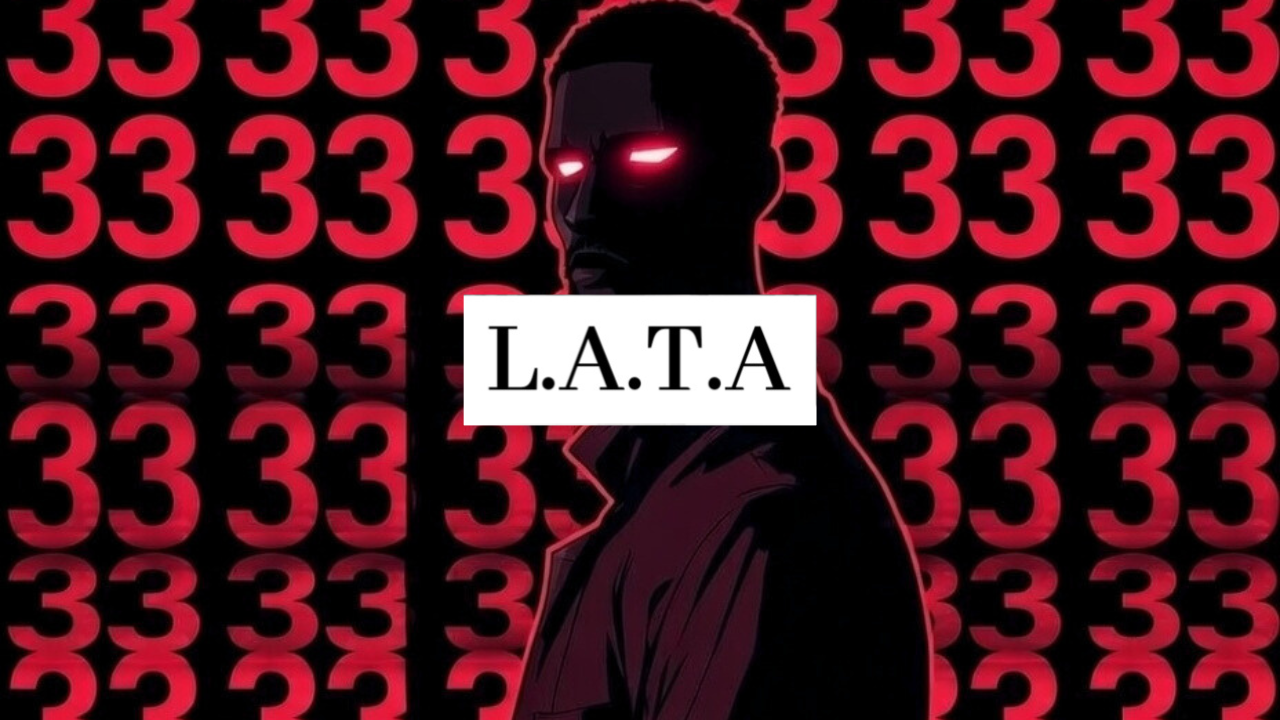
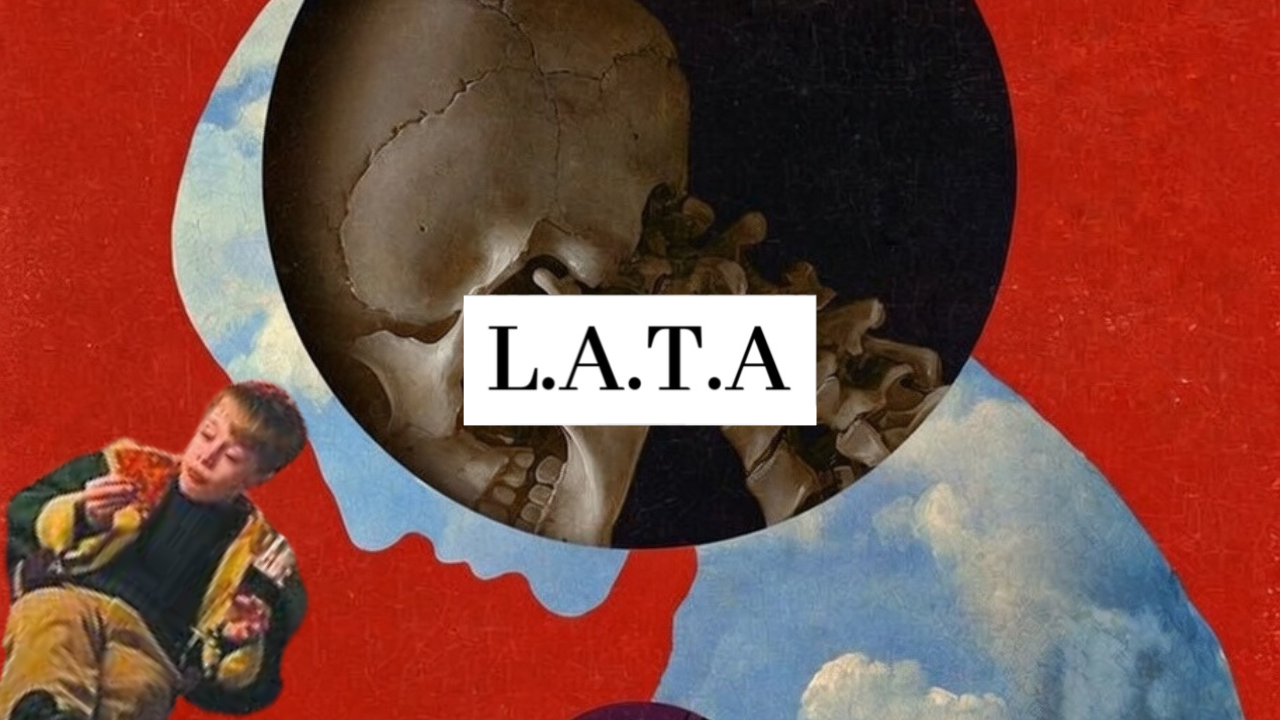

In my youth, a seed was planted, cold and unrelenting, deep within my heart. It grew as I did, twisting me into a figure I liken to Michael Myers—a silent, unyielding archetype of destruction. I didn’t fight it; I let it consume me. That seed bloomed into a lascivious hunger, a monstrous drive that’s left me soulfully paralyzed, wandering through life with death and desire lingering in my eyes. I’ve sought out women, not for love, but to spiritually sabotage them. I’ve used their bodies for fleeting pleasure, discarding their hearts without a second thought.

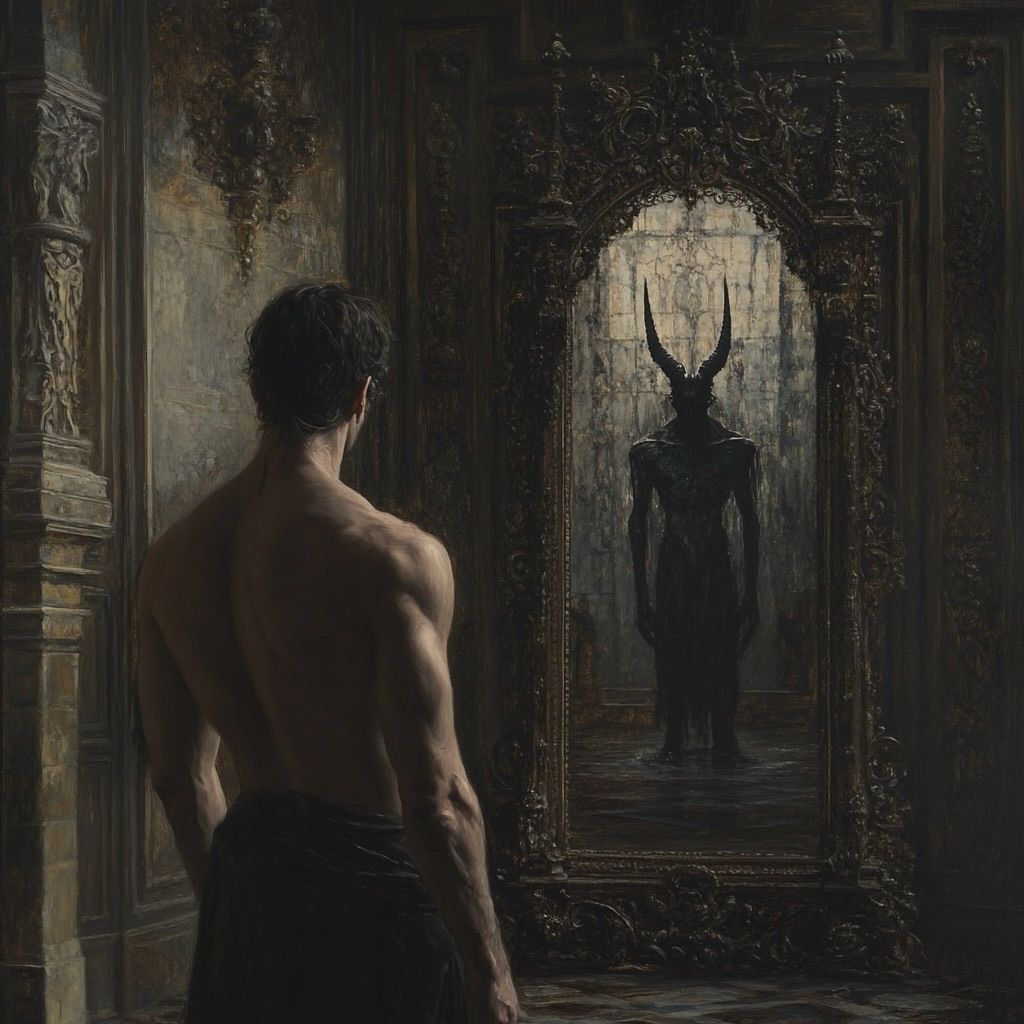
When I’m done, I whisper “Bon voyage” as they leave, their souls scarred and broken, left in the graveyard of my own making. Each encounter fuels me, a magnificent brute playing with their hearts like a flute, dismantling their spirits for my own twisted pleasure and ridicule. Lucy—whatever she represents—has been at the wheel, and I’ve been the ignorant fool letting her drive. Her influence has turned me into something I’m ashamed to admit: a creature of monstrous ways, thriving on the chaos I create. But writing this to you, I feel the weight of it all—the coldness, the destruction, the lives I’ve marred. I don’t know if this is a plea for forgiveness or simply a need to lay bare the truth of who I’ve become. You, of all people, might see through the darkness to the man I once was, or could be. I’m not sure if I can break free from Lucy’s grip, but putting these words on paper feels like a step toward facing the monster within. I hope you’ll read this with an open heart, even if I don’t deserve it.
Poem Tread
https://lifeandtimelessart.com/2025/06/29/lasciviousness-turned-me-into-a-monster-part-iii/
Inspired By :