




Thread :
Inspired By :

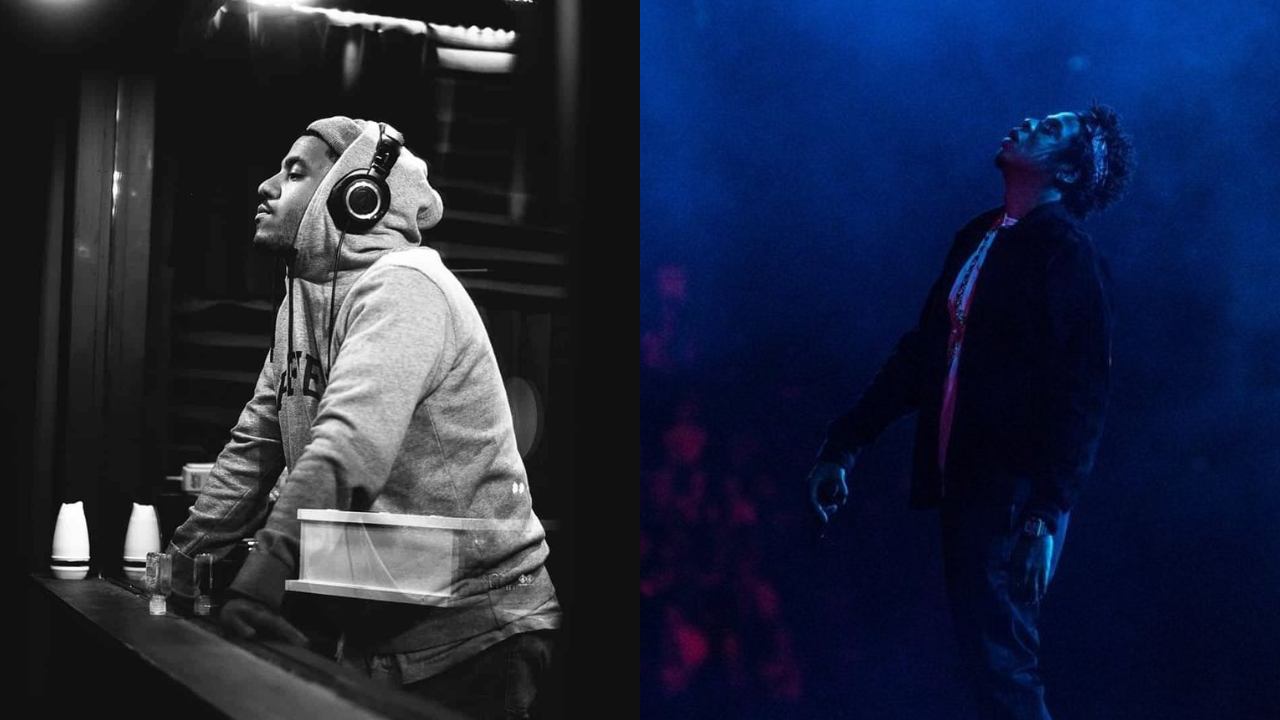
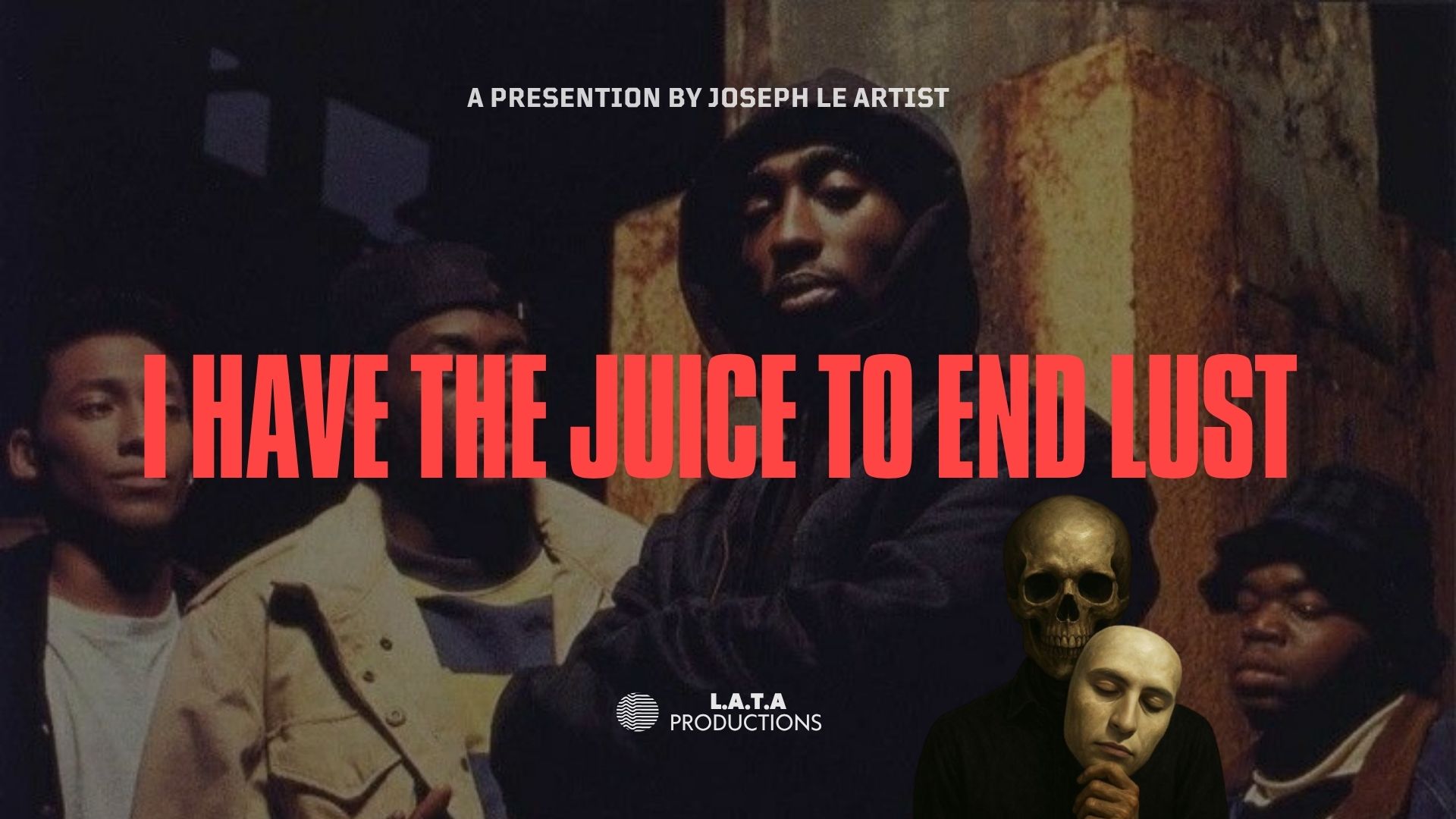
Details : Explore the powerful parallels between Jay-Z’s “I Know” and Tragic Hero’s “Mercy,” two hip-hop tracks that personify addiction as a seductive woman. Through vivid metaphors of lust, materialism, and dependency, both songs delve into the emotional and physical toll of temptation, with Jay-Z’s confident swagger contrasting Tragic Hero’s introspective struggle. Poem Treads :…
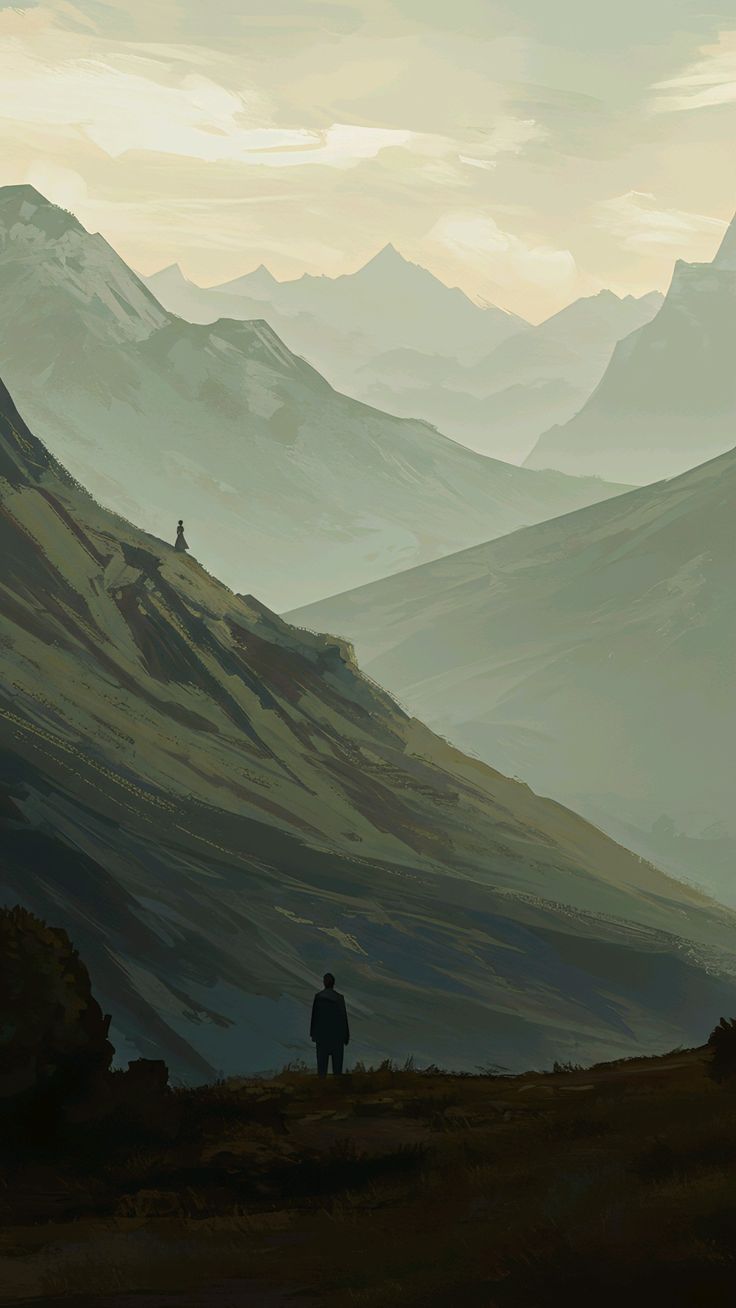
I stand at the edge of philosophy’s abyss, and it calls to me. Its questions—vast as starlit skies, sharp as a blade—cut through the quiet of my mind. Why am I here? What is real? What holds meaning when the world feels like a fleeting shadow? Each inquiry is a thread, spiraling, twisting, weaving a…

“Do not store up for yourselves treasures on earth, where moths and vermin destroy, and where thieves break in and steal. But store up for yourselves treasures in heaven… For where your treasure is, there your heart will be also.”— Matthew 6:19-21 (NIV)As I reflect on the words of my own heart poured into verse,…
Thread :
Inspired By :
Details : Explore the powerful parallels between Jay-Z’s “I Know” and Tragic Hero’s “Mercy,” two hip-hop tracks that personify addiction as a seductive woman. Through vivid metaphors of lust, materialism, and dependency, both songs delve into the emotional and physical toll of temptation, with Jay-Z’s confident swagger contrasting Tragic Hero’s introspective struggle. Poem Treads :…
I stand at the edge of philosophy’s abyss, and it calls to me. Its questions—vast as starlit skies, sharp as a blade—cut through the quiet of my mind. Why am I here? What is real? What holds meaning when the world feels like a fleeting shadow? Each inquiry is a thread, spiraling, twisting, weaving a…
“Do not store up for yourselves treasures on earth, where moths and vermin destroy, and where thieves break in and steal. But store up for yourselves treasures in heaven… For where your treasure is, there your heart will be also.”— Matthew 6:19-21 (NIV)As I reflect on the words of my own heart poured into verse,…
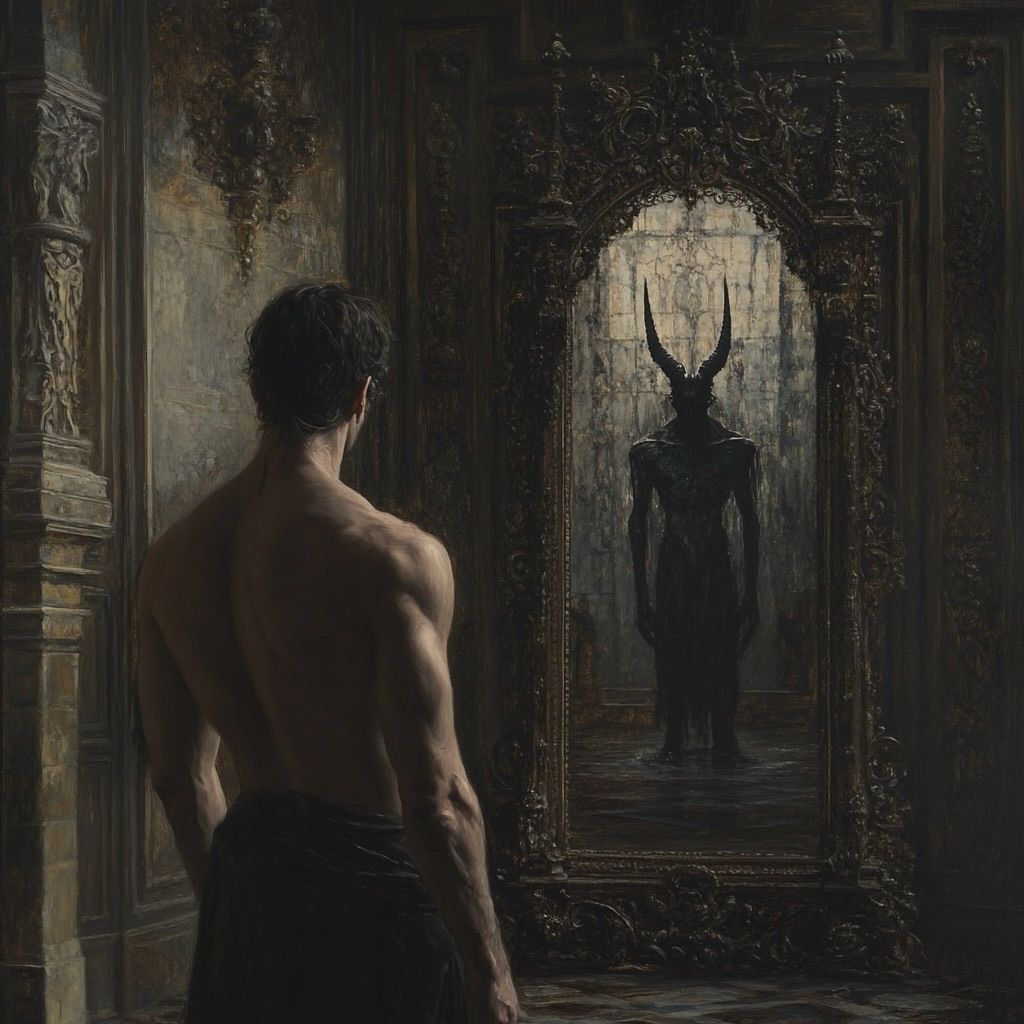
I woke to a shadow in my room, my own face staring back, twisted with a grin that wasn’t mine. It held my gun, accusing me: “You thought you could embody the essence of wrath’s?” Its words cut deep, naming “friends” I’d killed—lives I’d ended or betrayed in moments I can’t unmake. Jean-Paul Sartre’s words haunt me: I’m condemned to be free, chained to every choice I’ve made. I tried to deny it, to flee this mirror of my guilt, but Sartre’s “bad faith” mocks my escape. I can’t outrun myself.
The shadow is me, my truth, my past, demanding I face it. Running through Paris, the city warped into a nightmare—Champs-Élysées turned to “shadowed veins,” ghosts whispering my sins. Martin Heidegger’s Angst grips me; this is dread, not just of death, but of being. My “heart racing like a bullet train,” my “eyes wide open and sharply aware like an eagle”—these are my body screaming what Heidegger calls Being-toward-death. The world collapses into this moment, this chase, where I’m stripped bare, my existence raw and exposed. The streets screech, the wolf howls, and I’m alone with my finitude. Friedrich Nietzsche’s voice echoes: “You have not yet overcome your shadow.” This doppelgänger is my shadow, the parts of me I’ve buried—rage, guilt, the blood on my hands. It threatens to “cage” my soul in a “permanent curse,” like Nietzsche’s eternal recurrence, forcing me to relive my failures forever. I want to scream, to reject it, but it’s me. I’m the accuser and the accused.Søren Kierkegaard’s despair claws at me. My “storm of anxiety” is his sickness unto death—I’m torn between fleeing who I am and fearing to become who I must be.
The shadow’s gun at my head is my own refusal to reconcile with myself. It says, “This is for all my friends you have killed,” and I feel the weight of every wrong, every wound I’ve caused. Despair chokes me, but Kierkegaard whispers of a leap—to face myself, to choose authenticity. Then the trigger clicks, and I wake, “horrifically sweating heavily.” Albert Camus’ absurdism floods in. The world is absurd—beauty in the “moon beaming,” terror in the “streets screeching.” I’m Sisyphus, waking to push the boulder again. The shadow hasn’t vanished; it lingers in my mirror, my conscience. But Camus urges me to rebel, to create meaning in this chaos. I’m alive, breathing, despite the dread. I must forge purpose, not find it, confronting my shadow not with fear but with defiance, building a life from the fragments of my broken self.
Poem Treads
Inspired By :
Details : Explore the powerful parallels between Jay-Z’s “I Know” and Tragic Hero’s “Mercy,” two hip-hop tracks that personify addiction as a seductive woman. Through vivid metaphors of lust, materialism, and dependency, both songs delve into the emotional and physical toll of temptation, with Jay-Z’s confident swagger contrasting Tragic Hero’s introspective struggle. Poem Treads :…
I stand at the edge of philosophy’s abyss, and it calls to me. Its questions—vast as starlit skies, sharp as a blade—cut through the quiet of my mind. Why am I here? What is real? What holds meaning when the world feels like a fleeting shadow? Each inquiry is a thread, spiraling, twisting, weaving a…
“Do not store up for yourselves treasures on earth, where moths and vermin destroy, and where thieves break in and steal. But store up for yourselves treasures in heaven… For where your treasure is, there your heart will be also.”— Matthew 6:19-21 (NIV)As I reflect on the words of my own heart poured into verse,…


Thread :
Inspired By :
Details : Explore the powerful parallels between Jay-Z’s “I Know” and Tragic Hero’s “Mercy,” two hip-hop tracks that personify addiction as a seductive woman. Through vivid metaphors of lust, materialism, and dependency, both songs delve into the emotional and physical toll of temptation, with Jay-Z’s confident swagger contrasting Tragic Hero’s introspective struggle. Poem Treads :…
I stand at the edge of philosophy’s abyss, and it calls to me. Its questions—vast as starlit skies, sharp as a blade—cut through the quiet of my mind. Why am I here? What is real? What holds meaning when the world feels like a fleeting shadow? Each inquiry is a thread, spiraling, twisting, weaving a…
“Do not store up for yourselves treasures on earth, where moths and vermin destroy, and where thieves break in and steal. But store up for yourselves treasures in heaven… For where your treasure is, there your heart will be also.”— Matthew 6:19-21 (NIV)As I reflect on the words of my own heart poured into verse,…
Some moments in life feel like they’ve been woven into the fabric of the universe, perfectly timed and undeniably sacred. I stumbled into one such moment not long ago, when the winding grapevine of life—those serendipitous threads of chance—led me to her. Her name is Halle, and from the instant I met her, I knew my world had shifted. It wasn’t just a meeting; it was a collision of fate, a spark of divine timing that felt like the stars had aligned just for us. I’ve been carrying this moment in my heart ever since, and I need to share the story of how this woman, my gracious Halle Berry, became a melody in my life. I wasn’t expecting anything extraordinary that day. I was simply moving through the rhythm of routine, unaware that the universe was about to gift me something profound. Then she appeared, her presence as sudden and radiant as a sunrise breaking through a clouded sky. Her voice was the first thing that struck me—tender, warm, and utterly divine, like a soft hymn that seemed to resonate with the deepest parts of my soul. It wasn’t just sound; it was a feeling, a vibration that stirred something dormant within me, awakening a sense of wonder I hadn’t realized I’d lost.She introduced herself with a gentle smile, her first name, Halle, slipping from her lips with a quiet confidence that felt like an invitation to know her better.
I couldn’t help but chuckle to myself, thinking her last name must be Berry—not because of the famous namesake, but because her spirit radiates the kind of richness you’d find in a flourishing orchard. She’s like a soulful tree, her branches heavy with the ripest, sweetest berries—berries of kindness, warmth, and life that seem to nourish everyone around her. There’s a fruitful essence to her, a vibrancy that makes the world feel more alive, more possible. In the days since that first encounter, I’ve felt her presence pour into my life like wine from a sacred vine.
She shares herself so graciously, filling my cup with a joy that overflows with an almost miraculous ease. It’s not just her beauty, though that’s undeniable; it’s the way she moves through the world, as if every step is a gift, every word a seed planted for something beautiful to grow. I’ve taken to calling her my gracious Halle Berry, a name that feels both playful and profound, a reflection of the sweetness and abundance she brings to my days. She’s not just a person; she’s a feeling, a living testament to the beauty of the unexpected.I keep replaying that moment of meeting her, marveling at the divine timing that orchestrated it all. It wasn’t just chance; it was as if every path I’d walked, every choice I’d made, had led me to that exact place and time. I see her in my mind’s eye—her eyes sparkling with a quiet wisdom, her laughter rippling like a stream, her presence a reminder that life can be as vibrant and bountiful as a summer harvest.
She’s awakened a hope I didn’t know I’d been carrying, a dream of a future where her light continues to spill into my days, where we might share laughter, stories, and the simple joy of being together. There’s something almost spiritual about the way she’s touched my life. Meeting Halle feels like a gift from the universe, a reminder that even in the ordinary, there’s room for the extraordinary.
I find myself reflecting on how rare it is to meet someone who feels like a blessing, someone whose very existence makes the world seem brighter, fuller, more alive. She’s stirred something deep within me—a longing to be better, to live more fully, to cherish the moments that feel fated. I wonder if this is what it means to encounter a soul who feels like home, a soul whose berries of grace and kindness I’ll carry in my heart forever. As I write these words, I’m filled with gratitude for the divine timing that brought her into my life. I don’t know what the future holds, but I know that meeting Halle has changed me. She’s my proof that life is full of surprises, that a single encounter can shift the course of your heart. My gracious Halle Berry is more than a name; she’s a melody, a fruitful spirit, a moment of magic that I’ll hold onto for as long as I live. I share this story because it’s too beautiful to keep to myself, a testament to the power of connection and the wonder of a universe that knows exactly when to bring two souls together.
Poem Tread
https://lifeandtimelessart.com/2025/06/29/lasciviousness-turned-me-into-a-monster-part-iii/
Inspired By :
Details : Explore the powerful parallels between Jay-Z’s “I Know” and Tragic Hero’s “Mercy,” two hip-hop tracks that personify addiction as a seductive woman. Through vivid metaphors of lust, materialism, and dependency, both songs delve into the emotional and physical toll of temptation, with Jay-Z’s confident swagger contrasting Tragic Hero’s introspective struggle. Poem Treads :…
I stand at the edge of philosophy’s abyss, and it calls to me. Its questions—vast as starlit skies, sharp as a blade—cut through the quiet of my mind. Why am I here? What is real? What holds meaning when the world feels like a fleeting shadow? Each inquiry is a thread, spiraling, twisting, weaving a…
“Do not store up for yourselves treasures on earth, where moths and vermin destroy, and where thieves break in and steal. But store up for yourselves treasures in heaven… For where your treasure is, there your heart will be also.”— Matthew 6:19-21 (NIV)As I reflect on the words of my own heart poured into verse,…
In my youth, a seed was planted, cold and unrelenting, deep within my heart. It grew as I did, twisting me into a figure I liken to Michael Myers—a silent, unyielding archetype of destruction. I didn’t fight it; I let it consume me. That seed bloomed into a lascivious hunger, a monstrous drive that’s left me soulfully paralyzed, wandering through life with death and desire lingering in my eyes. I’ve sought out women, not for love, but to spiritually sabotage them. I’ve used their bodies for fleeting pleasure, discarding their hearts without a second thought.

When I’m done, I whisper “Bon voyage” as they leave, their souls scarred and broken, left in the graveyard of my own making. Each encounter fuels me, a magnificent brute playing with their hearts like a flute, dismantling their spirits for my own twisted pleasure and ridicule. Lucy—whatever she represents—has been at the wheel, and I’ve been the ignorant fool letting her drive. Her influence has turned me into something I’m ashamed to admit: a creature of monstrous ways, thriving on the chaos I create. But writing this to you, I feel the weight of it all—the coldness, the destruction, the lives I’ve marred. I don’t know if this is a plea for forgiveness or simply a need to lay bare the truth of who I’ve become. You, of all people, might see through the darkness to the man I once was, or could be. I’m not sure if I can break free from Lucy’s grip, but putting these words on paper feels like a step toward facing the monster within. I hope you’ll read this with an open heart, even if I don’t deserve it.
Poem Tread
https://lifeandtimelessart.com/2025/06/29/lasciviousness-turned-me-into-a-monster-part-iii/
Inspired By :