

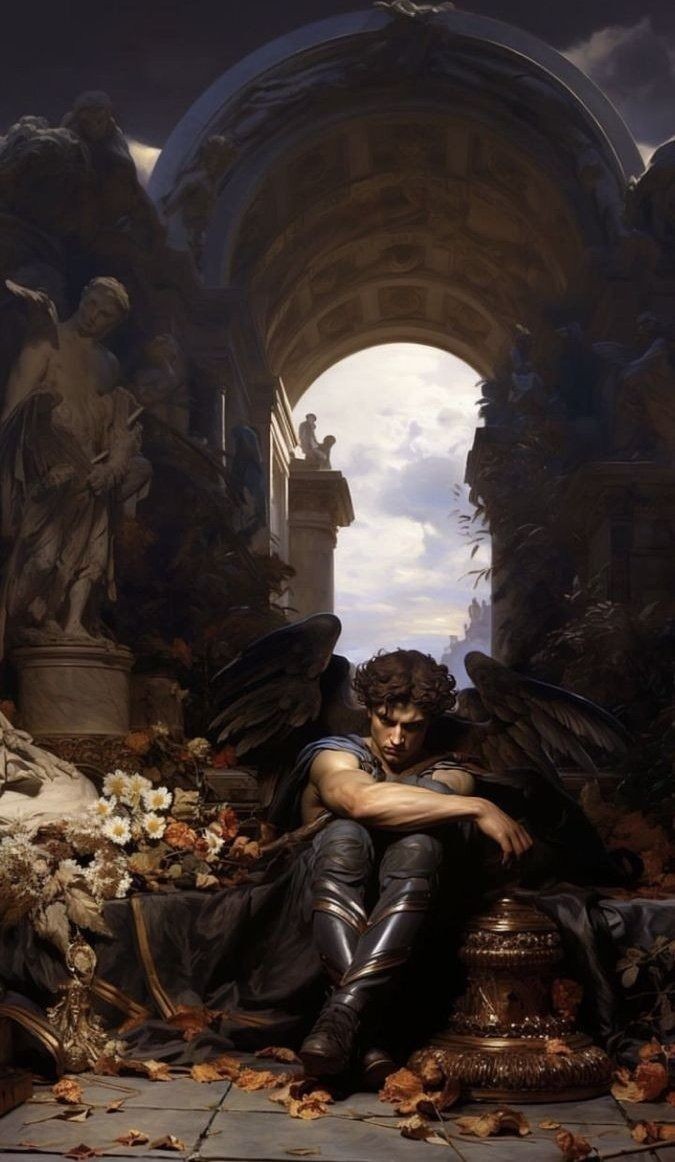




The human experience is a tapestry woven with threads of joy and sorrow, laughter and despair, each strand inseparable from the other. Few mediums capture this duality as vividly as comedy, a craft that transforms the absurdities and pains of existence into moments of shared catharsis. Yet, beneath the surface of every laugh lies a deeper question: What does it mean to find meaning in a world where happiness is fleeting and suffering is inevitable? Through the lens of comedy, and with a nod to the life and legacy of comedian and actor Robin Williams, we can explore the existential, psychological, and societal dimensions of this paradox, confronting the masks we wear, the voids we seek to fill, and the fragile beauty of our shared humanity.
The Comic as Existential Rebel: Laughter Against the Void
Philosophers have long grappled with the absurdity of existence. Albert Camus, in The Myth of Sisyphus, argued that life lacks inherent meaning, yet we must rebel against this absurdity by creating our own purpose. Comedy is one such rebellion—an act of defiance that transforms chaos into connection. The comedian, armed with wit and vulnerability, stands before the void and dares to laugh. This act is not mere entertainment but a philosophical stance, asserting humanity’s resilience in the face of an indifferent universe.
Comedy’s power lies in its ability to hold a mirror to our contradictions. It reveals the ridiculousness of our pretensions, the fragility of our certainties, and the universality of our struggles. Søren Kierkegaard, reflecting on the nature of existence, noted that “the same thing that makes one laugh makes one cry.” This interplay is the heart of comedy’s philosophical weight: it does not deny suffering but embraces it, weaving it into a shared experience that momentarily transcends isolation. The comedian becomes a guide, navigating the tension between despair and hope, inviting us to laugh at our own impermanence.
The Mask of the Jester: Comedy as a Double-Edged Sword
Yet, comedy is not always liberation; it can also be a mask. Sigmund Freud viewed humor as a defense mechanism, a way to deflect pain by reframing it. For the comedian, the stage becomes both a sanctuary and a prison—a space to externalize anguish but also a demand to perform joy on command. This paradox raises a profound question: Can one ever truly escape suffering through performance? Jean-Paul Sartre’s concept of “bad faith” suggests that living inauthentically—hiding one’s true self behind a role—leads to existential alienation. The comedian who dons the mask of mirth risks losing touch with their own humanity, trapped in a cycle of expectation and denial.
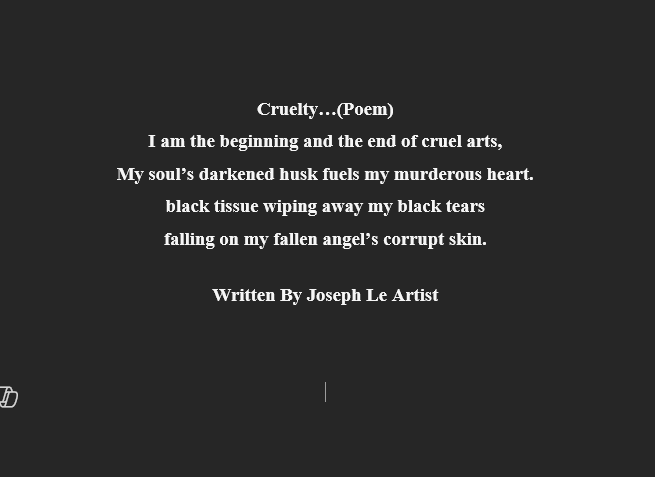
This tension is poignantly illustrated in the life of Robin Williams, whose frenetic energy and emotional depth left an indelible mark on comedy and cinema. Robin Williams (1951–2014), an American comedian and actor, was renowned for his improvisational genius in films like Good Morning, Vietnam (1987), Dead Poets Society (1989), Good Will Hunting (1997), and Mrs. Doubtfire (1993). His vibrant humor masked struggles with depression, addiction, and Lewy body dementia, culminating in his tragic suicide. Williams’ legacy reflects the interplay of laughter and pain, embodying the human condition’s complexity. His performances, whether as the irreverent DJ Adrian Cronauer or the grief-stricken therapist Sean Maguire, revealed a man who could pivot from hilarity to heartbreak, embodying Kierkegaard’s insight. In a 1991 Playboy interview, Williams described his stage persona as a “shield,” a way to outrun sadness. Yet, as the poet in the original query laments—“More vice, more plight, more numbness… Only to see suicide face to face”—the pursuit of “more” could not fill the void. Williams’ death in 2014 laid bare the limits of comedy as salvation, forcing us to confront the fragility of the masks we all wear.
The Social Mirror: Comedy as Collective Catharsis
Beyond the individual, comedy serves a societal function, holding a mirror to humanity’s flaws and aspirations. Henri Bergson argued that laughter corrects social rigidity, mocking inflexibility to foster fluidity and connection. The comedian, in this sense, is a cultural alchemist, transforming collective anxieties into shared relief. Williams’ work exemplified this role. In The Birdcage (1996), he championed acceptance through humor; in Mrs. Doubtfire, he explored the absurdity and tenderness of family. His improvisational style—wild, inclusive, and deeply human—invited audiences to laugh at their own imperfections, forging unity in a fractured world.
Yet, society often demands that comedians remain “on,” perpetuating the myth of the eternal jester. This expectation can be a form of exploitation, ignoring the humanity behind the performer’s mask. Hannah Arendt’s concept of the “banality of evil” finds a parallel in the banality of neglect—failing to see the person beneath the persona. Williams’ struggles with mental health were compounded by this pressure, as fans and media craved the next quip, the next burst of brilliance. His death sparked vital conversations about mental health and the cost of fame, but it also exposed our collective complicity in idealizing the “happy clown.” This raises an ethical question: How do we honor the humanity of those who make us laugh, without reducing them to mere vessels of joy?
The Fragile Beauty of Being Human
In the end, comedy’s philosophical depth lies in its embrace of the human condition in all its messiness. It does not resolve the tension between joy and sorrow but holds space for both, reminding us that to laugh is to live, even in the shadow of loss. Williams’ legacy is a testament to this truth. His performances were not escapes from pain but confrontations with it, offering moments of connection that linger long after the laughter fades. As Camus wrote, “One must imagine Sisyphus happy.” So too must we imagine the comedian—Williams included—finding fleeting joy in the act of rebellion, even as the boulder of existence rolls back down.
The poet’s lament—“As I hang myself, giving my final comedic sketch on stage”—captures the tragic irony of a life spent chasing laughter only to face despair. Yet, in Williams’ case, the stage was also a gift, a space where he touched millions with his humanity. His life invites us to reflect on our own masks, our own voids, and the ways we seek meaning. To laugh, to cry, to connect—these are not solutions to the absurdity of existence but affirmations of it. In the delicate balance of comedy and tragedy, we glimpse the fragile beauty of being human, a beauty that Robin Williams, in all his brilliance and brokenness, embodied until the end.


 LifeandTimelessart