Fragment Poem
Other Blogs


Inspired By :


Description This poem explores the theme of persecution and envy, drawing on biblical imagery to illustrate the speaker’s plight and resilience. The poet uses the metaphor of King Saul and King David to convey a sense of being targeted due to their virtues and divine favor. Lines 1-2: “I am surrounded by the king Saul’s…
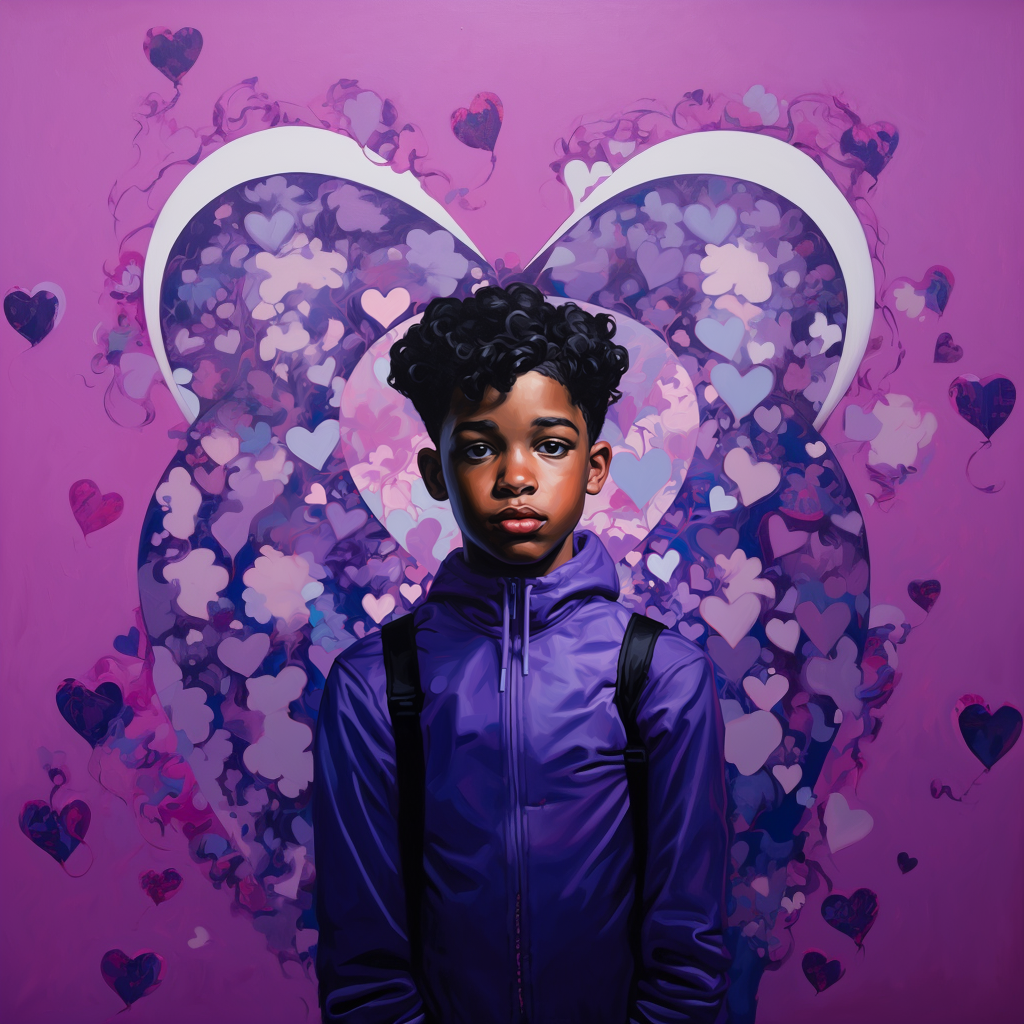
Description This poem delves into the theme of personal evolution and the struggle between one’s environment and inner potential. It is an introspective reflection on the poet’s journey from a troubled past to a place of enlightenment and self-awareness. Stanza 1: The opening lines highlight the poet’s origins in a “chaotic environment” and “underground,” signifying…
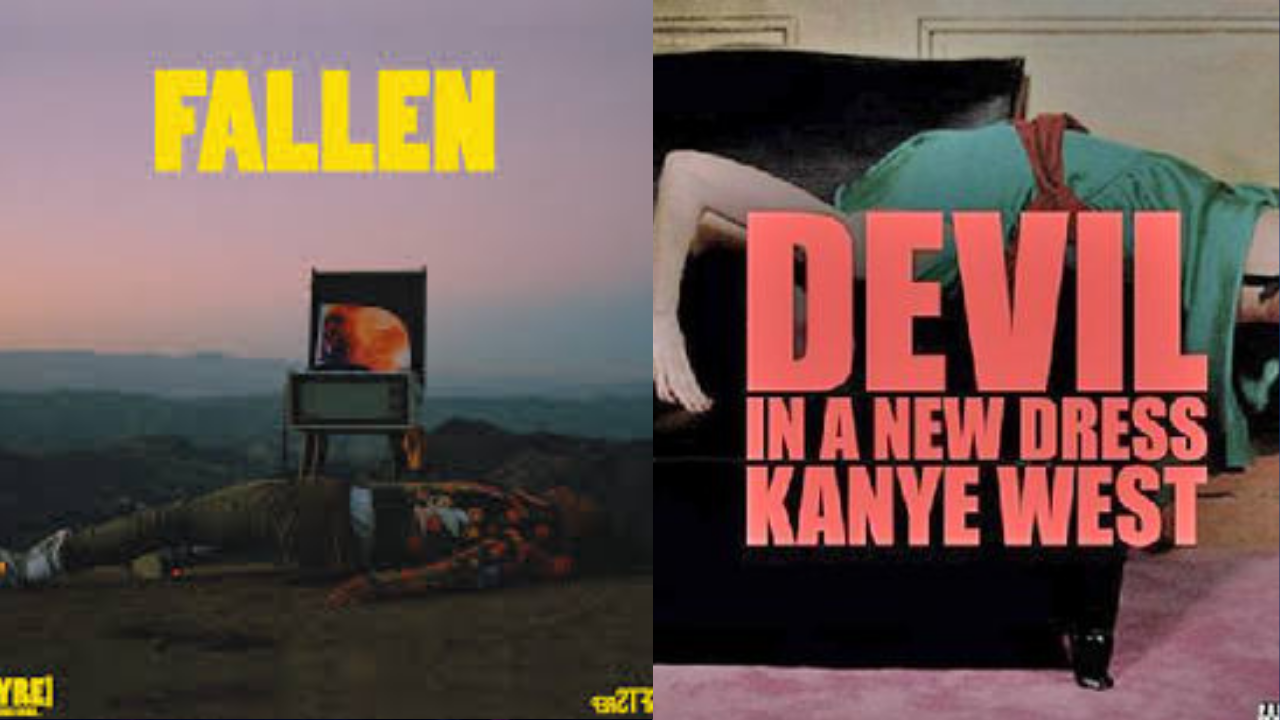
Description This poem explores themes of inspiration, creativity, and the complex relationship between the artist and their muse. It delves into the feelings of jealousy and longing that arise when the muse feels neglected in favor of another source of inspiration. Breakdown of the Poem Themes and Interpretation Imagery and Metaphors Conclusion The poem captures…
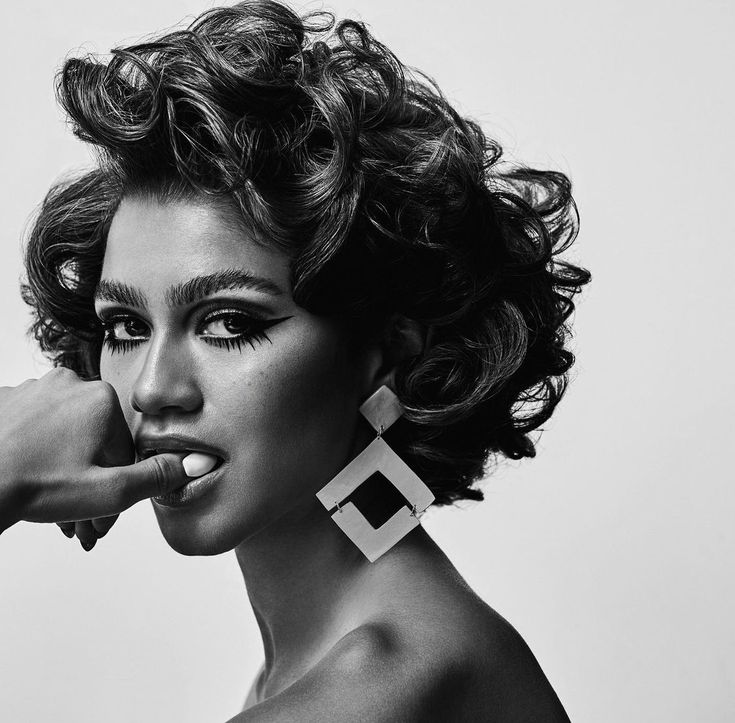
Description The poem celebrates the profound beauty, wisdom, and captivating presence of a beloved person. Here’s a detailed breakdown of its themes and imagery: Stanza 1 “Your beauty is to be admired with reverence” “captivated by your passion and essence.” Stanza 2 “I love the way you illuminate gorgeously.” “Each time your philosophies roll off…
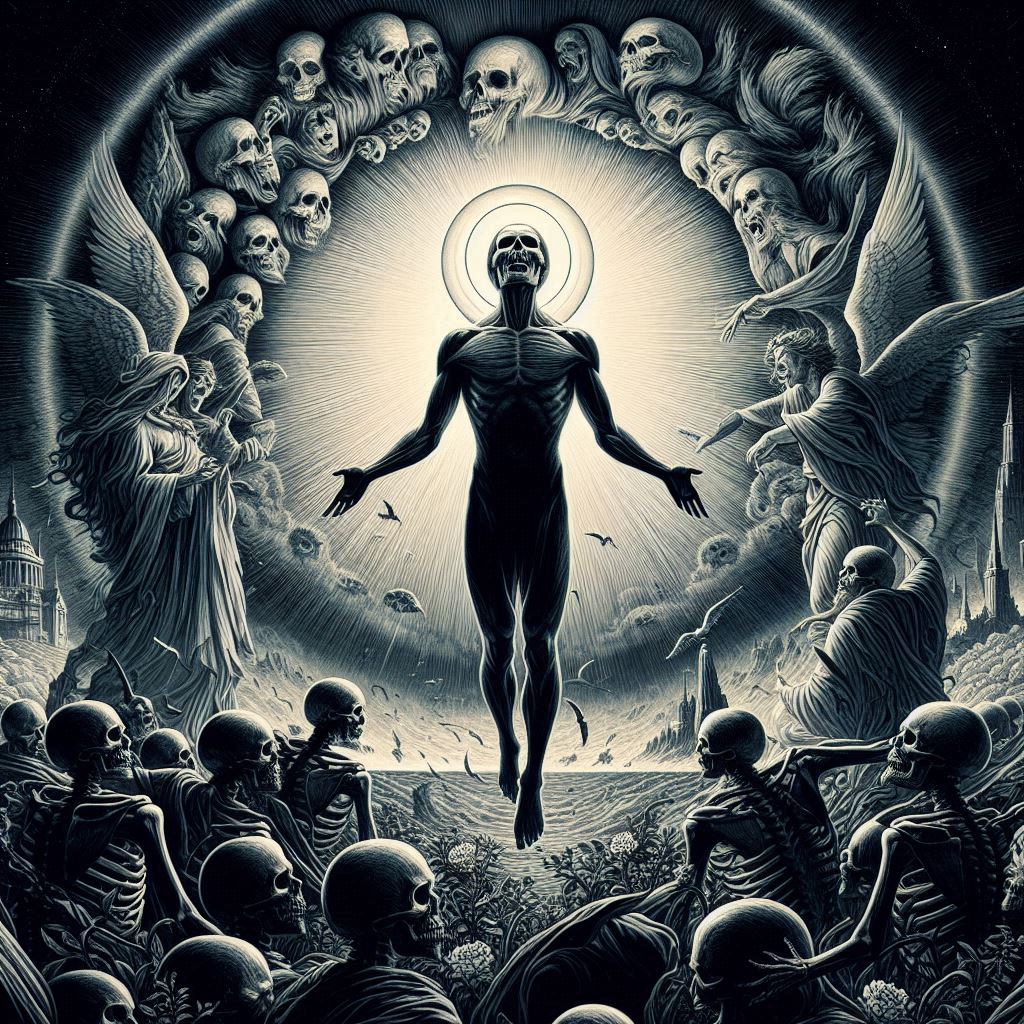
Description This passage contemplates the inevitability of death and contrasts it with the concept of an eternal, blissful existence. Here’s a detailed breakdown of the themes and imagery: Overall, the passage reflects themes of mortality, spiritual reward, transformation, and liberation from the cycle of life and death. It evokes a sense of hope and transcendence,…
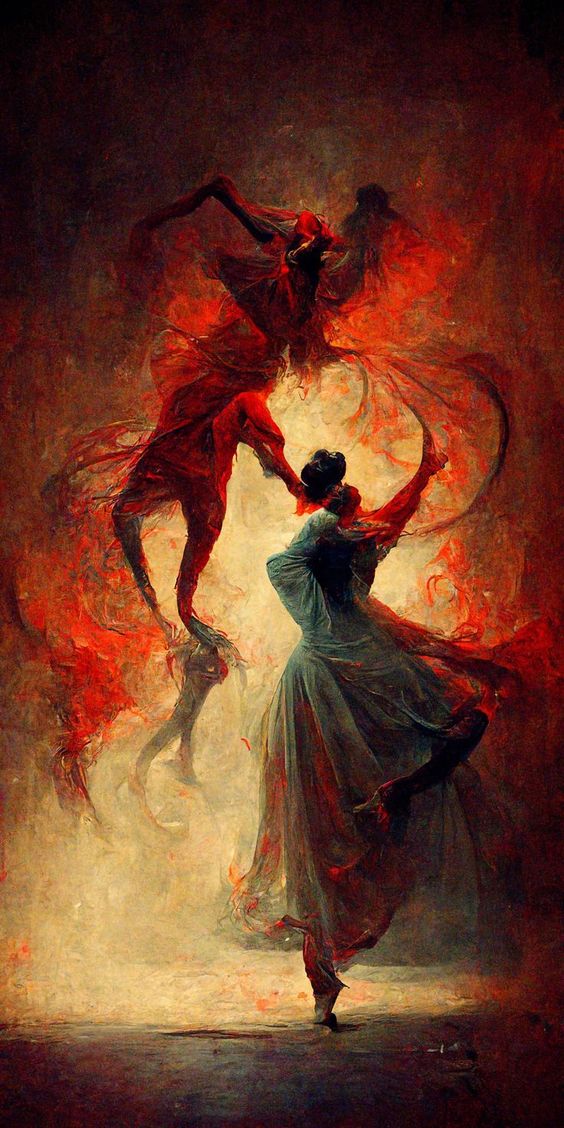
Description This poem personifies the instrumental track “Devil in a New Dress” by Kanye West as a captivating woman who embodies both artistic and musical beauty. The speaker is enthralled by her presence, describing how her creative essence ignites his imagination. Her angelic voice, filled with heartfelt emotion, draws him into a deep, soulful journey.…
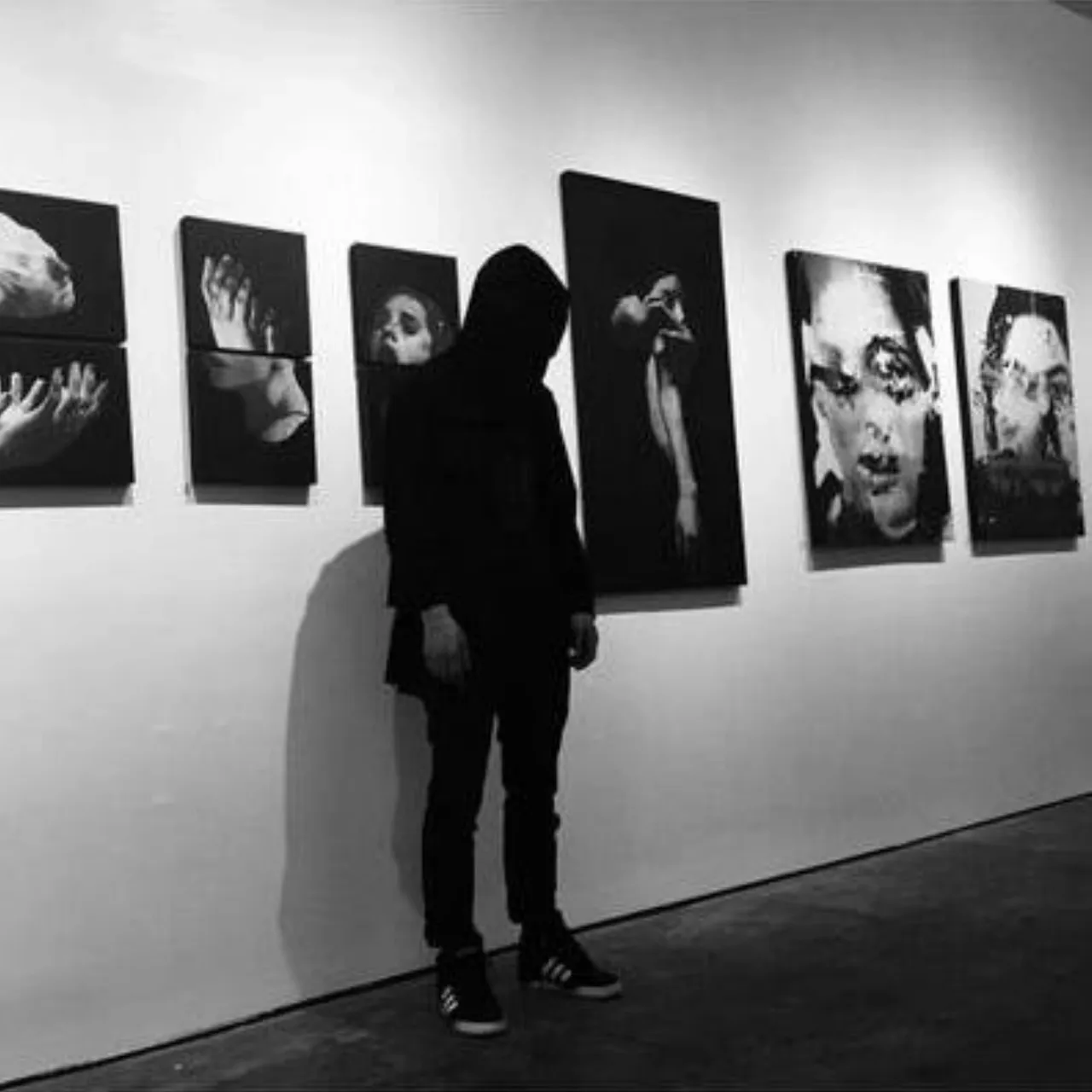
Description The text appears to be a creative narrative that blends introspection, social commentary, and a romantic relationship. Here’s a summary and analysis of the content: Summary: Analysis: Conclusion: The text is a rich, introspective narrative that weaves together personal and societal reflections. It portrays a character caught between deep contemplation and the demands of…

Description This poem explores a deep and profound connection between two individuals, emphasizing the transcendence of mere physical attraction into a union of souls deeply in love. Let’s break down and expand upon the poem’s imagery and themes: Expanded Description: This poem vividly captures the profound and intimate connection between two lovers. The woman’s “elegant…

Description This poem paints a vivid picture of a woman whose belief in meliorism—the idea that the world can be made better by human effort—imbues her with a positive and vibrant presence. Let’s break down and expand upon the poem’s imagery and themes: Expanded Description: The poem celebrates a woman whose unwavering belief in the…
The summer season is my favourite season. The sun’s rays illuminate the brightest throughout the day, and the sky is a crystal clear blue. Butterflies and bees extract nectar as they rest on red roses in the gardens. The sun beaming makes everything in nature comes alive in variety of vibrant colours. The gentle unseen…
Fragment Poem
Other Blogs
Inspired By :
Description This poem explores the theme of persecution and envy, drawing on biblical imagery to illustrate the speaker’s plight and resilience. The poet uses the metaphor of King Saul and King David to convey a sense of being targeted due to their virtues and divine favor. Lines 1-2: “I am surrounded by the king Saul’s…
Description This poem delves into the theme of personal evolution and the struggle between one’s environment and inner potential. It is an introspective reflection on the poet’s journey from a troubled past to a place of enlightenment and self-awareness. Stanza 1: The opening lines highlight the poet’s origins in a “chaotic environment” and “underground,” signifying…
Description This poem explores themes of inspiration, creativity, and the complex relationship between the artist and their muse. It delves into the feelings of jealousy and longing that arise when the muse feels neglected in favor of another source of inspiration. Breakdown of the Poem Themes and Interpretation Imagery and Metaphors Conclusion The poem captures…
Description The poem celebrates the profound beauty, wisdom, and captivating presence of a beloved person. Here’s a detailed breakdown of its themes and imagery: Stanza 1 “Your beauty is to be admired with reverence” “captivated by your passion and essence.” Stanza 2 “I love the way you illuminate gorgeously.” “Each time your philosophies roll off…
Description This passage contemplates the inevitability of death and contrasts it with the concept of an eternal, blissful existence. Here’s a detailed breakdown of the themes and imagery: Overall, the passage reflects themes of mortality, spiritual reward, transformation, and liberation from the cycle of life and death. It evokes a sense of hope and transcendence,…
Description This poem personifies the instrumental track “Devil in a New Dress” by Kanye West as a captivating woman who embodies both artistic and musical beauty. The speaker is enthralled by her presence, describing how her creative essence ignites his imagination. Her angelic voice, filled with heartfelt emotion, draws him into a deep, soulful journey.…
Description The text appears to be a creative narrative that blends introspection, social commentary, and a romantic relationship. Here’s a summary and analysis of the content: Summary: Analysis: Conclusion: The text is a rich, introspective narrative that weaves together personal and societal reflections. It portrays a character caught between deep contemplation and the demands of…
Description This poem explores a deep and profound connection between two individuals, emphasizing the transcendence of mere physical attraction into a union of souls deeply in love. Let’s break down and expand upon the poem’s imagery and themes: Expanded Description: This poem vividly captures the profound and intimate connection between two lovers. The woman’s “elegant…
Description This poem paints a vivid picture of a woman whose belief in meliorism—the idea that the world can be made better by human effort—imbues her with a positive and vibrant presence. Let’s break down and expand upon the poem’s imagery and themes: Expanded Description: The poem celebrates a woman whose unwavering belief in the…
The summer season is my favourite season. The sun’s rays illuminate the brightest throughout the day, and the sky is a crystal clear blue. Butterflies and bees extract nectar as they rest on red roses in the gardens. The sun beaming makes everything in nature comes alive in variety of vibrant colours. The gentle unseen…
The Quiet Triumph of the authentic youth In certain corners of the world, virtue is punished before it is ever rewarded. To be young, sharp-minded, and clean-handed is to invite contempt. The clever boy who reads instead of robbing, the girl who dreams in metaphors instead of carrying a blade—these are branded as inauthentic, as outsiders to “real” life. Purity becomes a stain; a blank criminal record, a mark of shame. In the economy of the streets, innocence has no currency. Only spilled blood buys respect. This inversion of values is not new. Societies have always had their rites of passage, their sacrificial altars. What changes is the idol on the altar. Where once we demanded the young prove themselves through courage, discipline, or creation, some subcultures now demand proof through destruction—preferably of someone else, but of the self if necessary. To refuse that offering is to be cast out as “uncool,” as someone who has not truly lived.Yet the poem reminds us of a colder truth: the grave is the great equalizer, and it does not negotiate. The villainous youth who chased the dragon of reputation often find it first—six feet deep before the story has properly begun. Their names become cautionary tales whispered by the next generation, fairy tales with real corpses. Meanwhile, the ones who were mocked for keeping their hands clean, for defining life through “the void and darkest weather” without adding to the darkness—they endure. Quietly. Uncelebrated. Alive.There is a deep philosophical irony here. The path that promises immediate belonging, adrenaline, and mythic status leads most reliably to oblivion. The path that offers only the cold shoulder in the present grants the only thing that ultimately matters: a future. Authenticity, it turns out, is not measured by how loudly the crowd cheers in your twenties, but by whether you are still breathing in your thirties to tell a different story.The authentic youth prevail not because destiny favors them, not because some cosmic justice intervenes, but because they refuse to trade the infinite possibilities of a long life for the fleeting applause of a culture already burning itself out. In the end, the ones who seemed most alive were only hurrying toward death. The ones dismissed as mediocre inherited the only victory that cannot be taken away: tomorrow.
Fragment Poem
Other Blogs
Inspired By :
Description This poem explores the theme of persecution and envy, drawing on biblical imagery to illustrate the speaker’s plight and resilience. The poet uses the metaphor of King Saul and King David to convey a sense of being targeted due to their virtues and divine favor. Lines 1-2: “I am surrounded by the king Saul’s…
Description This poem delves into the theme of personal evolution and the struggle between one’s environment and inner potential. It is an introspective reflection on the poet’s journey from a troubled past to a place of enlightenment and self-awareness. Stanza 1: The opening lines highlight the poet’s origins in a “chaotic environment” and “underground,” signifying…
Description This poem explores themes of inspiration, creativity, and the complex relationship between the artist and their muse. It delves into the feelings of jealousy and longing that arise when the muse feels neglected in favor of another source of inspiration. Breakdown of the Poem Themes and Interpretation Imagery and Metaphors Conclusion The poem captures…
Description The poem celebrates the profound beauty, wisdom, and captivating presence of a beloved person. Here’s a detailed breakdown of its themes and imagery: Stanza 1 “Your beauty is to be admired with reverence” “captivated by your passion and essence.” Stanza 2 “I love the way you illuminate gorgeously.” “Each time your philosophies roll off…
Description This passage contemplates the inevitability of death and contrasts it with the concept of an eternal, blissful existence. Here’s a detailed breakdown of the themes and imagery: Overall, the passage reflects themes of mortality, spiritual reward, transformation, and liberation from the cycle of life and death. It evokes a sense of hope and transcendence,…
Description This poem personifies the instrumental track “Devil in a New Dress” by Kanye West as a captivating woman who embodies both artistic and musical beauty. The speaker is enthralled by her presence, describing how her creative essence ignites his imagination. Her angelic voice, filled with heartfelt emotion, draws him into a deep, soulful journey.…
Description The text appears to be a creative narrative that blends introspection, social commentary, and a romantic relationship. Here’s a summary and analysis of the content: Summary: Analysis: Conclusion: The text is a rich, introspective narrative that weaves together personal and societal reflections. It portrays a character caught between deep contemplation and the demands of…
Description This poem explores a deep and profound connection between two individuals, emphasizing the transcendence of mere physical attraction into a union of souls deeply in love. Let’s break down and expand upon the poem’s imagery and themes: Expanded Description: This poem vividly captures the profound and intimate connection between two lovers. The woman’s “elegant…
Description This poem paints a vivid picture of a woman whose belief in meliorism—the idea that the world can be made better by human effort—imbues her with a positive and vibrant presence. Let’s break down and expand upon the poem’s imagery and themes: Expanded Description: The poem celebrates a woman whose unwavering belief in the…
The summer season is my favourite season. The sun’s rays illuminate the brightest throughout the day, and the sky is a crystal clear blue. Butterflies and bees extract nectar as they rest on red roses in the gardens. The sun beaming makes everything in nature comes alive in variety of vibrant colours. The gentle unseen…
Fragment Blog
Other Blogs
Inspired By :
Description This poem explores the theme of persecution and envy, drawing on biblical imagery to illustrate the speaker’s plight and resilience. The poet uses the metaphor of King Saul and King David to convey a sense of being targeted due to their virtues and divine favor. Lines 1-2: “I am surrounded by the king Saul’s…
Description This poem delves into the theme of personal evolution and the struggle between one’s environment and inner potential. It is an introspective reflection on the poet’s journey from a troubled past to a place of enlightenment and self-awareness. Stanza 1: The opening lines highlight the poet’s origins in a “chaotic environment” and “underground,” signifying…
Description This poem explores themes of inspiration, creativity, and the complex relationship between the artist and their muse. It delves into the feelings of jealousy and longing that arise when the muse feels neglected in favor of another source of inspiration. Breakdown of the Poem Themes and Interpretation Imagery and Metaphors Conclusion The poem captures…
Description The poem celebrates the profound beauty, wisdom, and captivating presence of a beloved person. Here’s a detailed breakdown of its themes and imagery: Stanza 1 “Your beauty is to be admired with reverence” “captivated by your passion and essence.” Stanza 2 “I love the way you illuminate gorgeously.” “Each time your philosophies roll off…
Description This passage contemplates the inevitability of death and contrasts it with the concept of an eternal, blissful existence. Here’s a detailed breakdown of the themes and imagery: Overall, the passage reflects themes of mortality, spiritual reward, transformation, and liberation from the cycle of life and death. It evokes a sense of hope and transcendence,…
Description This poem personifies the instrumental track “Devil in a New Dress” by Kanye West as a captivating woman who embodies both artistic and musical beauty. The speaker is enthralled by her presence, describing how her creative essence ignites his imagination. Her angelic voice, filled with heartfelt emotion, draws him into a deep, soulful journey.…
Description The text appears to be a creative narrative that blends introspection, social commentary, and a romantic relationship. Here’s a summary and analysis of the content: Summary: Analysis: Conclusion: The text is a rich, introspective narrative that weaves together personal and societal reflections. It portrays a character caught between deep contemplation and the demands of…
Description This poem explores a deep and profound connection between two individuals, emphasizing the transcendence of mere physical attraction into a union of souls deeply in love. Let’s break down and expand upon the poem’s imagery and themes: Expanded Description: This poem vividly captures the profound and intimate connection between two lovers. The woman’s “elegant…
Description This poem paints a vivid picture of a woman whose belief in meliorism—the idea that the world can be made better by human effort—imbues her with a positive and vibrant presence. Let’s break down and expand upon the poem’s imagery and themes: Expanded Description: The poem celebrates a woman whose unwavering belief in the…
The summer season is my favourite season. The sun’s rays illuminate the brightest throughout the day, and the sky is a crystal clear blue. Butterflies and bees extract nectar as they rest on red roses in the gardens. The sun beaming makes everything in nature comes alive in variety of vibrant colours. The gentle unseen…
Fragment Blog
Other Blogs
Inspired By :
Description This poem explores the theme of persecution and envy, drawing on biblical imagery to illustrate the speaker’s plight and resilience. The poet uses the metaphor of King Saul and King David to convey a sense of being targeted due to their virtues and divine favor. Lines 1-2: “I am surrounded by the king Saul’s…
Description This poem delves into the theme of personal evolution and the struggle between one’s environment and inner potential. It is an introspective reflection on the poet’s journey from a troubled past to a place of enlightenment and self-awareness. Stanza 1: The opening lines highlight the poet’s origins in a “chaotic environment” and “underground,” signifying…
Description This poem explores themes of inspiration, creativity, and the complex relationship between the artist and their muse. It delves into the feelings of jealousy and longing that arise when the muse feels neglected in favor of another source of inspiration. Breakdown of the Poem Themes and Interpretation Imagery and Metaphors Conclusion The poem captures…
Description The poem celebrates the profound beauty, wisdom, and captivating presence of a beloved person. Here’s a detailed breakdown of its themes and imagery: Stanza 1 “Your beauty is to be admired with reverence” “captivated by your passion and essence.” Stanza 2 “I love the way you illuminate gorgeously.” “Each time your philosophies roll off…
Description This passage contemplates the inevitability of death and contrasts it with the concept of an eternal, blissful existence. Here’s a detailed breakdown of the themes and imagery: Overall, the passage reflects themes of mortality, spiritual reward, transformation, and liberation from the cycle of life and death. It evokes a sense of hope and transcendence,…
Description This poem personifies the instrumental track “Devil in a New Dress” by Kanye West as a captivating woman who embodies both artistic and musical beauty. The speaker is enthralled by her presence, describing how her creative essence ignites his imagination. Her angelic voice, filled with heartfelt emotion, draws him into a deep, soulful journey.…
Description The text appears to be a creative narrative that blends introspection, social commentary, and a romantic relationship. Here’s a summary and analysis of the content: Summary: Analysis: Conclusion: The text is a rich, introspective narrative that weaves together personal and societal reflections. It portrays a character caught between deep contemplation and the demands of…
Description This poem explores a deep and profound connection between two individuals, emphasizing the transcendence of mere physical attraction into a union of souls deeply in love. Let’s break down and expand upon the poem’s imagery and themes: Expanded Description: This poem vividly captures the profound and intimate connection between two lovers. The woman’s “elegant…
Description This poem paints a vivid picture of a woman whose belief in meliorism—the idea that the world can be made better by human effort—imbues her with a positive and vibrant presence. Let’s break down and expand upon the poem’s imagery and themes: Expanded Description: The poem celebrates a woman whose unwavering belief in the…
The summer season is my favourite season. The sun’s rays illuminate the brightest throughout the day, and the sky is a crystal clear blue. Butterflies and bees extract nectar as they rest on red roses in the gardens. The sun beaming makes everything in nature comes alive in variety of vibrant colours. The gentle unseen…
Fragment Blog
Other Blogs
Inspired By :