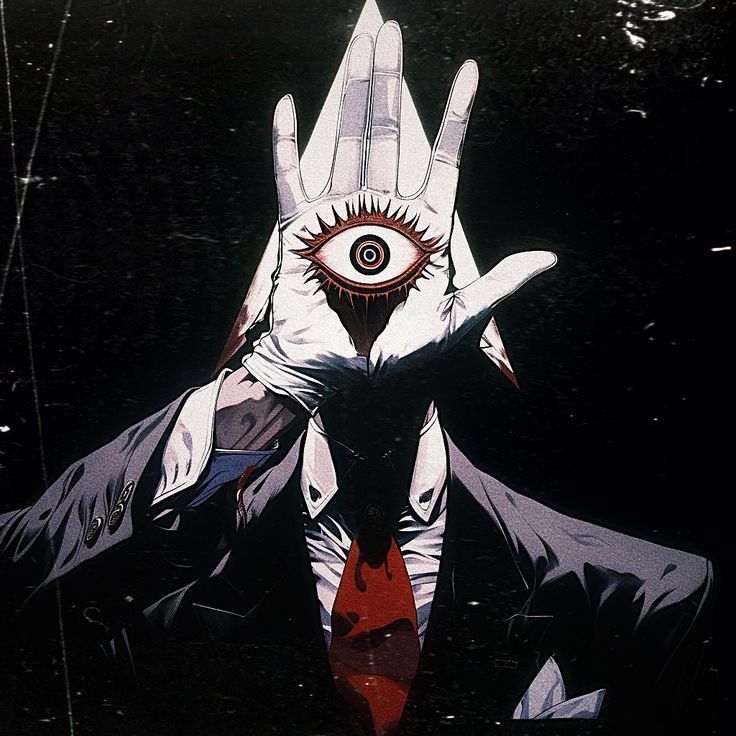
Power no longer hides in shadows it flickers on our screens, injected into daily life while we run the wheels built for someone else’s amusement. Eyes open, minds on cruise, we mistake repetition for truth and noise for freedom. Epstein becomes a symbol of the rot behind the curtain, where influence circulates quietly, systems feed…
Intro:This poem descends into the moment betrayal is no longer hidden and rage learns to speak. What begins as loyalty rots into illusion, and from that fracture, wrath is born—not as chaos, but as intention. Read with caution: this is the anatomy of a soul pushed past forgiveness. Outro:And when the echoes fade, what remains…
In the relentless tick of the wristwatch, time reveals its cruel indifference—Father Time eroding youth, flesh, and fragile hopes into dust, while death lingers like an inevitable embrace. This piece confronts the quiet terror of running out of moments for authentic love, crushed instead by the heavy, hollow weight of lust and repeated defeats. What…
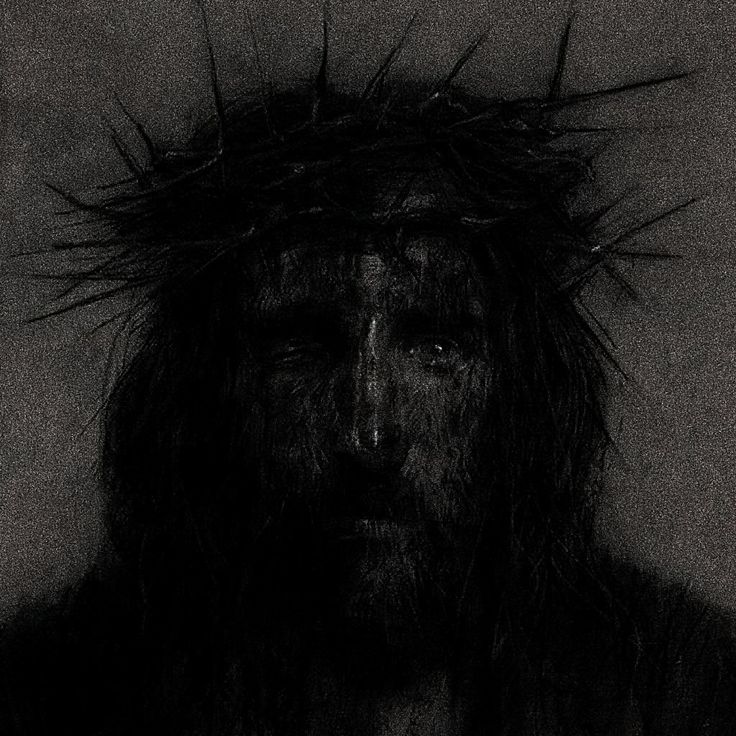
Even though the image of Jesus commonly portrayed in the Western world is historically inaccurate, mockery only carries power when it is directed at the true God—the One who holds authority over the world and the universe. Wearing that specific figure around the neck is not random; it targets the real authority behind the symbol,…
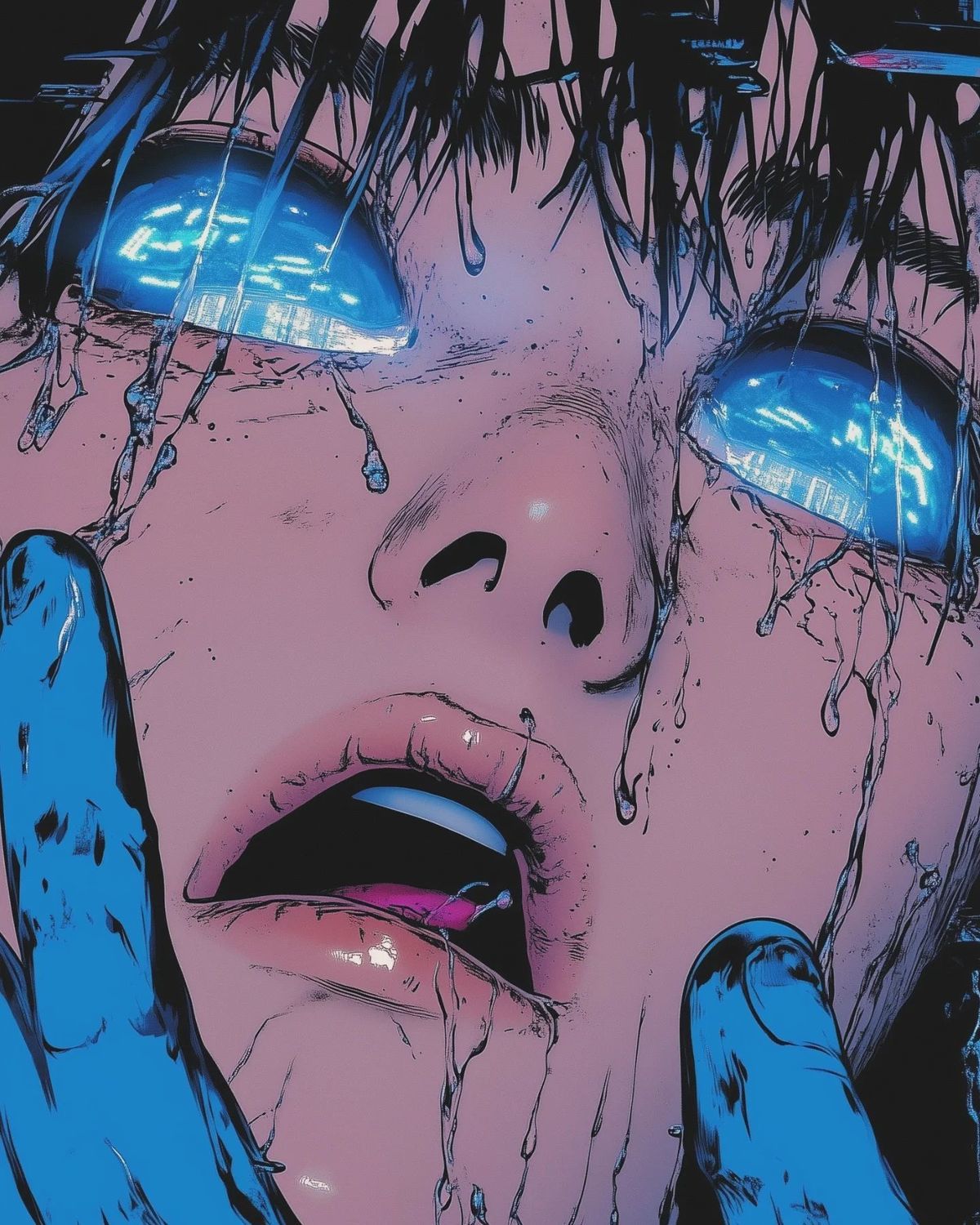
This poem is for people haunted by eyes that once sparkled with wonder, now overflowing with ruin. She chose and obsessed—to go to the soul cage.I wrote this once I saw: love without real caution is just code waiting to flood.Faith sank deeper when pretence ended and her obsession met my disarray.No sermon here just…
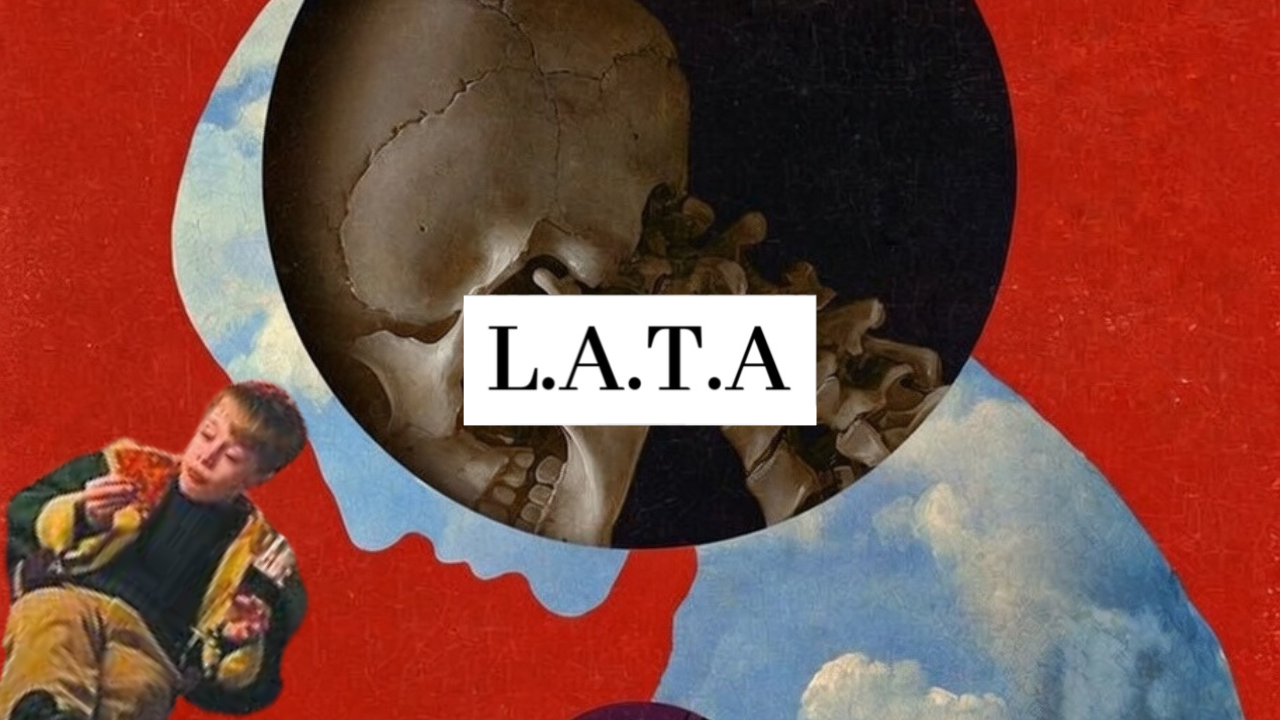
Description This poem offers a contemplative glimpse into the poet’s mind as they engage in everyday activities. The poem begins with the poet reflecting deeply while eating a slice of pizza, contemplating their spiritual fate. They reject the idea of going to hell and express a preference for going to heaven, demonstrating reverence and seeking…
The poem “Eminently…” by Joseph Le Artist captures the double-edged nature of ecstasy: an overwhelming force that initially electrifies the soul and psychology but ultimately acts as a curse, pinning the speaker down like a fallen angel chained to earth. This intoxicating high feeds vices, nightmares, and a once-heartless existence, revealing itself as bondage rather…
Privacy & Cookies: This site uses cookies. By continuing to use this website, you agree to their use. To find out more, including how to control cookies, see here: Cookie Policy.