
I stand at the edge of philosophy’s abyss, and it calls to me. Its questions—vast as starlit skies, sharp as a blade—cut through the quiet of my mind. Why am I here? What is real? What holds meaning when the world feels like a fleeting shadow? Each inquiry is a thread, spiraling, twisting, weaving a
“Do not store up for yourselves treasures on earth, where moths and vermin destroy, and where thieves break in and steal. But store up for yourselves treasures in heaven… For where your treasure is, there your heart will be also.”— Matthew 6:19-21 (NIV)As I reflect on the words of my own heart poured into verse,
I woke to a shadow in my room, my own face staring back, twisted with a grin that wasn’t mine. It held my gun, accusing me: “You thought you could embody the essence of wrath’s?” Its words cut deep, naming “friends” I’d killed—lives I’d ended or betrayed in moments I can’t unmake. Jean-Paul Sartre’s words
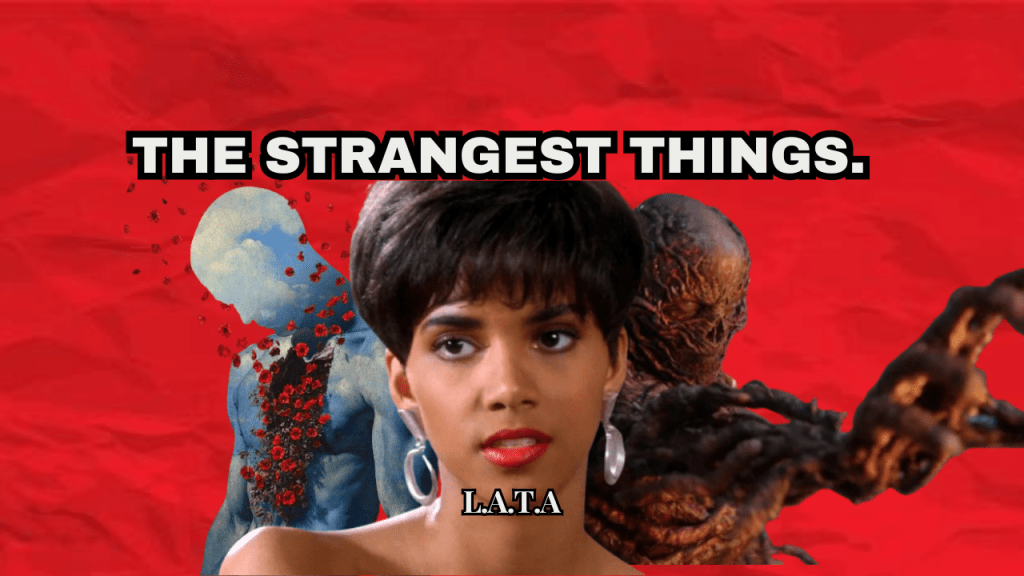
Some moments in life feel like they’ve been woven into the fabric of the universe, perfectly timed and undeniably sacred. I stumbled into one such moment not long ago, when the winding grapevine of life—those serendipitous threads of chance—led me to her. Her name is Halle, and from the instant I met her, I knew
In my youth, a seed was planted, cold and unrelenting, deep within my heart. It grew as I did, twisting me into a figure I liken to Michael Myers—a silent, unyielding archetype of destruction. I didn’t fight it; I let it consume me. That seed bloomed into a lascivious hunger, a monstrous drive that’s left
This poem conveys the inner reflections and ambitions of a young football prodigy. Despite their youthful appearance, the speaker identifies as an old soul, possessing wisdom and depth beyond their years. The juxtaposition of their adolescent looks with their mature spirit sets the tone for the rest of the poem.
The speaker’s football skills, honed since childhood, captivate fans and establish them as a golden child, a beacon of hope for Spain’s future victories. The poem delves into the speaker’s relentless pursuit of excellence, breaking numerous records and striving for everlasting glory until physical limitations bring their journey to a halt.
A sense of determination pervades the poem as the speaker vows not to stop until other football legends—Bellingham, Mbappe, and Haaland—recognize and acknowledge their greatness. The imagery of their passion burning like a phoenix evokes a powerful, almost mythical sense of resilience and rebirth, underscoring the speaker’s indomitable spirit and unyielding commitment to their craft.
I stand at the edge of philosophy’s abyss, and it calls to me. Its questions—vast as starlit skies, sharp as a blade—cut through the quiet of my mind. Why am I here? What is real? What holds meaning when the world feels like a fleeting shadow? Each inquiry is a thread, spiraling, twisting, weaving a
“Do not store up for yourselves treasures on earth, where moths and vermin destroy, and where thieves break in and steal. But store up for yourselves treasures in heaven… For where your treasure is, there your heart will be also.”— Matthew 6:19-21 (NIV)As I reflect on the words of my own heart poured into verse,
I woke to a shadow in my room, my own face staring back, twisted with a grin that wasn’t mine. It held my gun, accusing me: “You thought you could embody the essence of wrath’s?” Its words cut deep, naming “friends” I’d killed—lives I’d ended or betrayed in moments I can’t unmake. Jean-Paul Sartre’s words
Some moments in life feel like they’ve been woven into the fabric of the universe, perfectly timed and undeniably sacred. I stumbled into one such moment not long ago, when the winding grapevine of life—those serendipitous threads of chance—led me to her. Her name is Halle, and from the instant I met her, I knew
In my youth, a seed was planted, cold and unrelenting, deep within my heart. It grew as I did, twisting me into a figure I liken to Michael Myers—a silent, unyielding archetype of destruction. I didn’t fight it; I let it consume me. That seed bloomed into a lascivious hunger, a monstrous drive that’s left
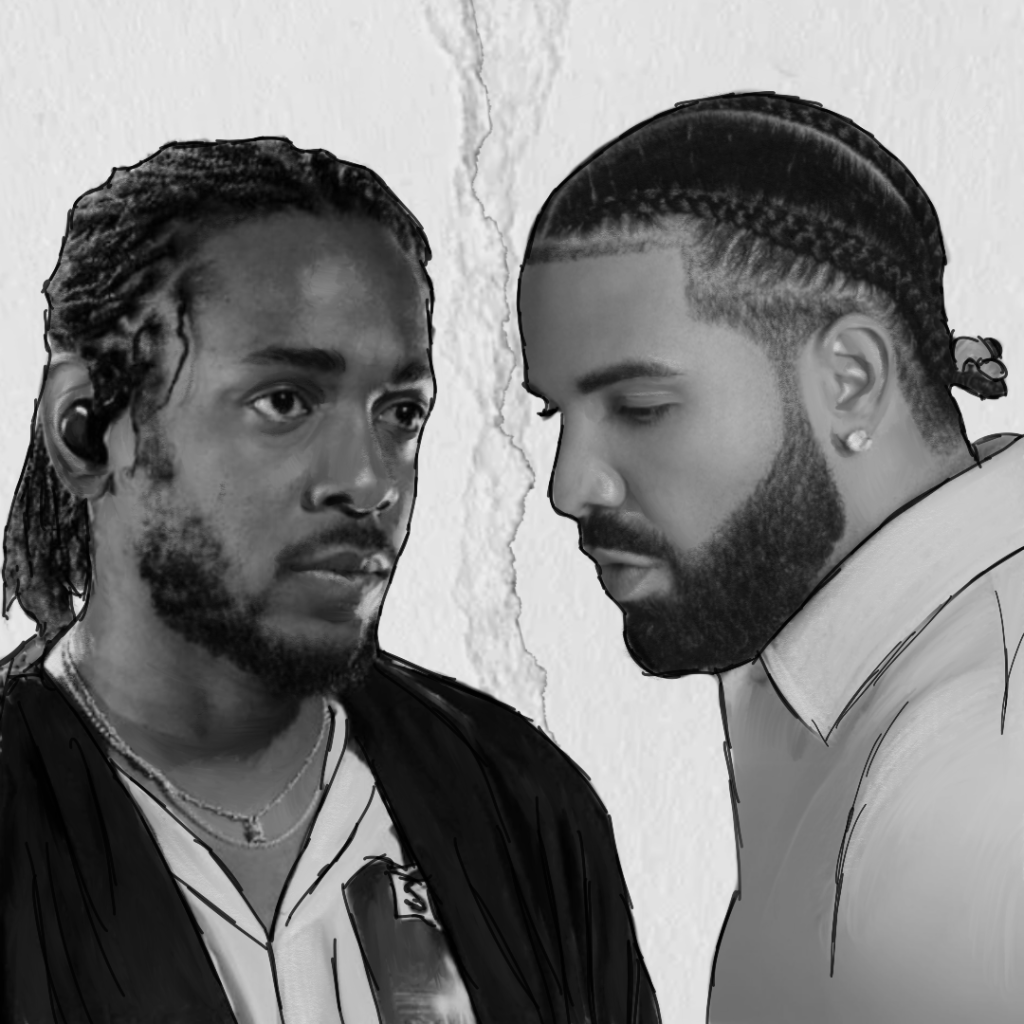
This poem contrasts two archetypal figures in the music industry, using Drake and Kendrick Lamar as symbols for different artistic approaches and values. It portrays Drake as representing a more commercial, perhaps superficial aspect of artistry, while Kendrick Lamar embodies a deeper, more truthful form of expression. The poem suggests that those who bear the “weight of truth” can easily see through the facades presented by the more superficial artists.
The “Drake’s of the world” are depicted as unable to withstand the challenges posed by the “Kendrick’s of the world,” who are portrayed as powerful and unyielding in their commitment to authenticity and truth. The poem emphasizes the strength and resilience of those who are true to their art, contrasting it with the fear and fragility of those who prioritize image over substance.
The imagery of warfare and penmanship highlights the idea that true artistry and the power of words are formidable forces. The reference to fading away “like a swipe on tinder apps” underscores the fleeting and transient nature of superficial success compared to the lasting impact of genuine artistry. The poem thus champions the enduring power of truth and authenticity in the face of superficiality.
I stand at the edge of philosophy’s abyss, and it calls to me. Its questions—vast as starlit skies, sharp as a blade—cut through the quiet of my mind. Why am I here? What is real? What holds meaning when the world feels like a fleeting shadow? Each inquiry is a thread, spiraling, twisting, weaving a
“Do not store up for yourselves treasures on earth, where moths and vermin destroy, and where thieves break in and steal. But store up for yourselves treasures in heaven… For where your treasure is, there your heart will be also.”— Matthew 6:19-21 (NIV)As I reflect on the words of my own heart poured into verse,
I woke to a shadow in my room, my own face staring back, twisted with a grin that wasn’t mine. It held my gun, accusing me: “You thought you could embody the essence of wrath’s?” Its words cut deep, naming “friends” I’d killed—lives I’d ended or betrayed in moments I can’t unmake. Jean-Paul Sartre’s words
Some moments in life feel like they’ve been woven into the fabric of the universe, perfectly timed and undeniably sacred. I stumbled into one such moment not long ago, when the winding grapevine of life—those serendipitous threads of chance—led me to her. Her name is Halle, and from the instant I met her, I knew
In my youth, a seed was planted, cold and unrelenting, deep within my heart. It grew as I did, twisting me into a figure I liken to Michael Myers—a silent, unyielding archetype of destruction. I didn’t fight it; I let it consume me. That seed bloomed into a lascivious hunger, a monstrous drive that’s left
This poem explores the theme of persecution and envy, drawing on biblical imagery to illustrate the speaker’s plight and resilience. The poet uses the metaphor of King Saul and King David to convey a sense of being targeted due to their virtues and divine favor.
Lines 1-2:
“I am surrounded by the king Saul’s of the world Because my ambience resembles king Davids.”
The poet opens by likening their situation to the biblical story of King Saul and King David. They feel surrounded by individuals who, like King Saul, are threatened and jealous of their qualities. The “ambience” resembling King David suggests the poet’s inherent goodness, strength, and divine favor.
Lines 3-5:
“They are coming after me so they may surgically cut my soul in pieces And precisely cut off my head and serve it on a platter to fulfil their murderous fever.”
These lines convey a sense of impending danger and hostility. The poet feels pursued by those who wish to destroy them both spiritually (“surgically cut my soul in pieces”) and physically (“cut off my head and serve it on a platter”). The vivid imagery underscores the intensity of the threat and the malice behind it.
Lines 6-8:
“The only reason for the hate and envy is because of the excellence and power illuminating on my body given by the king of kings.”
The poet attributes the hatred and envy they face to the excellence and power that emanate from them, a gift from the “king of kings” (God). This divine favor makes them a target for those who cannot bear to see such greatness and purity.
Overall Interpretation:
The poem powerfully conveys the experience of being unjustly targeted due to one’s virtues and divine gifts. By drawing on the biblical story of Saul and David, the poet emphasizes the timeless nature of envy and persecution faced by those who are favoured by a higher power. The imagery of surgical precision in the act of destruction highlights the calculated nature of the threats, while the acknowledgment of divine illumination reaffirms the poet’s resilience and faith.
I stand at the edge of philosophy’s abyss, and it calls to me. Its questions—vast as starlit skies, sharp as a blade—cut through the quiet of my mind. Why am I here? What is real? What holds meaning when the world feels like a fleeting shadow? Each inquiry is a thread, spiraling, twisting, weaving a
“Do not store up for yourselves treasures on earth, where moths and vermin destroy, and where thieves break in and steal. But store up for yourselves treasures in heaven… For where your treasure is, there your heart will be also.”— Matthew 6:19-21 (NIV)As I reflect on the words of my own heart poured into verse,
I woke to a shadow in my room, my own face staring back, twisted with a grin that wasn’t mine. It held my gun, accusing me: “You thought you could embody the essence of wrath’s?” Its words cut deep, naming “friends” I’d killed—lives I’d ended or betrayed in moments I can’t unmake. Jean-Paul Sartre’s words
Some moments in life feel like they’ve been woven into the fabric of the universe, perfectly timed and undeniably sacred. I stumbled into one such moment not long ago, when the winding grapevine of life—those serendipitous threads of chance—led me to her. Her name is Halle, and from the instant I met her, I knew
In my youth, a seed was planted, cold and unrelenting, deep within my heart. It grew as I did, twisting me into a figure I liken to Michael Myers—a silent, unyielding archetype of destruction. I didn’t fight it; I let it consume me. That seed bloomed into a lascivious hunger, a monstrous drive that’s left
This poem delves into the theme of personal evolution and the struggle between one’s environment and inner potential. It is an introspective reflection on the poet’s journey from a troubled past to a place of enlightenment and self-awareness.
Stanza 1:
The opening lines highlight the poet’s origins in a “chaotic environment” and “underground,” signifying a rough or marginalized background. Despite this, the poet possesses an inherent wisdom and intelligence, attributed to divine influence, which helps them transcend a toxic culture.
Stanza 2:
The poet describes themselves as an “underdog,” suggesting a history of being underestimated or overlooked. The “ambience slow like a turtle” metaphorically conveys the deliberate and patient process of developing their artistic talents (“sonic youth”). The act of “abusing the pen” suggests a passionate, almost aggressive commitment to their craft.
Stanza 3:
Here, the poet speaks of vulnerability and spiritual humility. “Revealing my nakedness before the righteous light” implies an honest and unguarded self-exposure to truth and morality, which leads to a humbling and fulfilling transformation.
Stanza 4:
The final stanza portrays an ongoing internal battle. The poet navigates a metaphorical “underworld” armed with a “poetic katana” and intelligence akin to Donatello, the wise and skilled Ninja Turtle. However, the poet’s ego remains a persistent challenge, personified as a seductive and destructive force likened to Denise Mathews from Vanity 6. This ego threatens to emotionally harm the poet, turning their heart “bruised and purple.”
Overall Interpretation:
The poem captures the tension between external influences and internal strength. It portrays a journey of self-discovery and artistic growth, marked by moments of vulnerability and humility. Despite progress, the poet acknowledges the continual presence of personal weaknesses, particularly the ego, which must be managed to avoid self-destruction. The vivid imagery and cultural references enrich the narrative, adding depth to the poet’s experience and introspection.
I stand at the edge of philosophy’s abyss, and it calls to me. Its questions—vast as starlit skies, sharp as a blade—cut through the quiet of my mind. Why am I here? What is real? What holds meaning when the world feels like a fleeting shadow? Each inquiry is a thread, spiraling, twisting, weaving a
“Do not store up for yourselves treasures on earth, where moths and vermin destroy, and where thieves break in and steal. But store up for yourselves treasures in heaven… For where your treasure is, there your heart will be also.”— Matthew 6:19-21 (NIV)As I reflect on the words of my own heart poured into verse,
I woke to a shadow in my room, my own face staring back, twisted with a grin that wasn’t mine. It held my gun, accusing me: “You thought you could embody the essence of wrath’s?” Its words cut deep, naming “friends” I’d killed—lives I’d ended or betrayed in moments I can’t unmake. Jean-Paul Sartre’s words
Some moments in life feel like they’ve been woven into the fabric of the universe, perfectly timed and undeniably sacred. I stumbled into one such moment not long ago, when the winding grapevine of life—those serendipitous threads of chance—led me to her. Her name is Halle, and from the instant I met her, I knew
In my youth, a seed was planted, cold and unrelenting, deep within my heart. It grew as I did, twisting me into a figure I liken to Michael Myers—a silent, unyielding archetype of destruction. I didn’t fight it; I let it consume me. That seed bloomed into a lascivious hunger, a monstrous drive that’s left
This poem explores themes of inspiration, creativity, and the complex relationship between the artist and their muse. It delves into the feelings of jealousy and longing that arise when the muse feels neglected in favor of another source of inspiration.
Breakdown of the Poem
Initial Confusion:
The poem begins with the speaker’s confusion about why their original source of inspiration has stopped providing creative ideas.
The metaphor of “flooding my mind with her inspiration” and “her well of artistic nectar” paints the muse as a bountiful and life-giving force.
Direct Address:
The muse directly speaks to the poet, expressing understanding and hurt.
The “devil in a new dress” symbolizes a new, captivating inspiration that has taken the poet’s focus away from the original muse.
Recognition and Jealousy:
The muse acknowledges the poet’s deep connection to this new inspiration, seeing how it has affected their creative work.
The phrase “soulful stems” suggests the new inspiration’s profound and natural impact on the poet’s emotions and creativity.
Plea for Attention:
The muse asserts its own importance, reminding the poet of their initial creative journey together.
There is a plea for the poet to return their affection and attention to the original muse, highlighting feelings of jealousy and a desire for renewed admiration.
Longing and Reconciliation:
The muse’s emotions culminate in an overwhelming sense of jealousy and a plea for the poet to return.
The final lines suggest a longing for a mutual and everlasting artistic relationship, urging the poet to cherish their original source of inspiration once again.
Themes and Interpretation
Inspiration and Creativity: The poem vividly describes the dynamic between the poet and their muse, representing the ebb and flow of creative inspiration.
Jealousy and Longing: The personification of the muse reveals deep emotional layers, portraying it as a living entity capable of feeling neglected and jealous.
Artistic Fidelity: The muse’s plea for the poet’s return underscores the idea of loyalty to one’s original source of inspiration and the emotional conflicts that arise when new influences emerge.
Imagery and Metaphors
“Flooding my mind” and “well of artistic nectar”: These metaphors emphasize the abundance and richness of the muse’s inspiration.
“Devil in a new dress”: This powerful image suggests a new, seductive source of inspiration that has captivated the poet.
“Soulful stems” and “heart strings”: These natural and musical metaphors convey the deep emotional impact of the new inspiration on the poet.
Conclusion
The poem captures the internal struggle of an artist torn between different sources of inspiration. It reflects the emotional complexity of creativity, where new influences can cause tension with the original sources that once fuelled the artist’s passion. Ultimately, the poem is a plea for balance and recognition of the enduring value of one’s first muse.