




Description
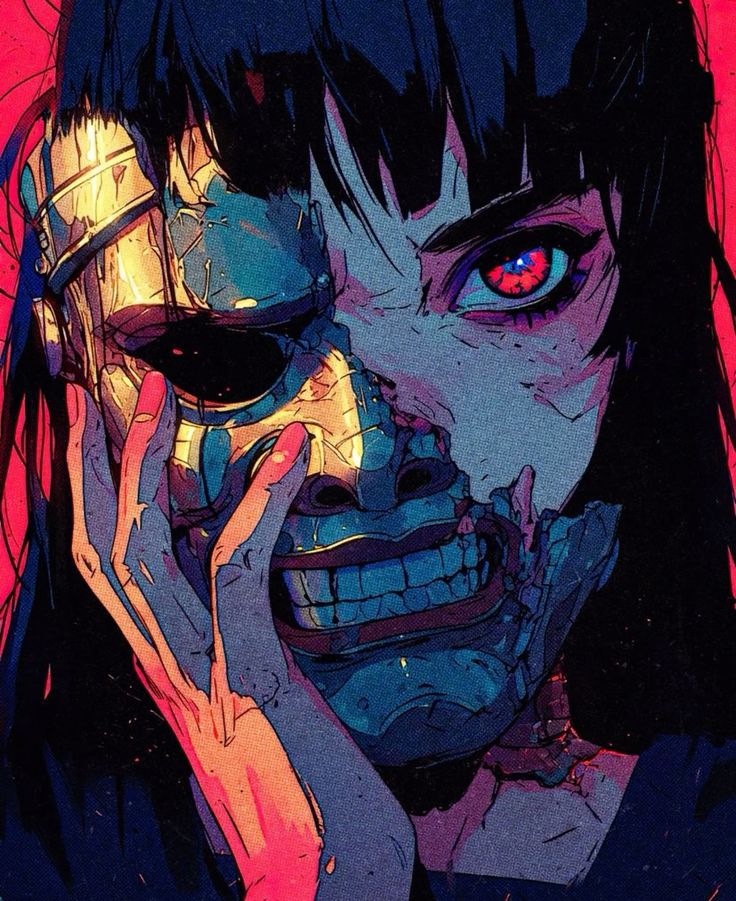
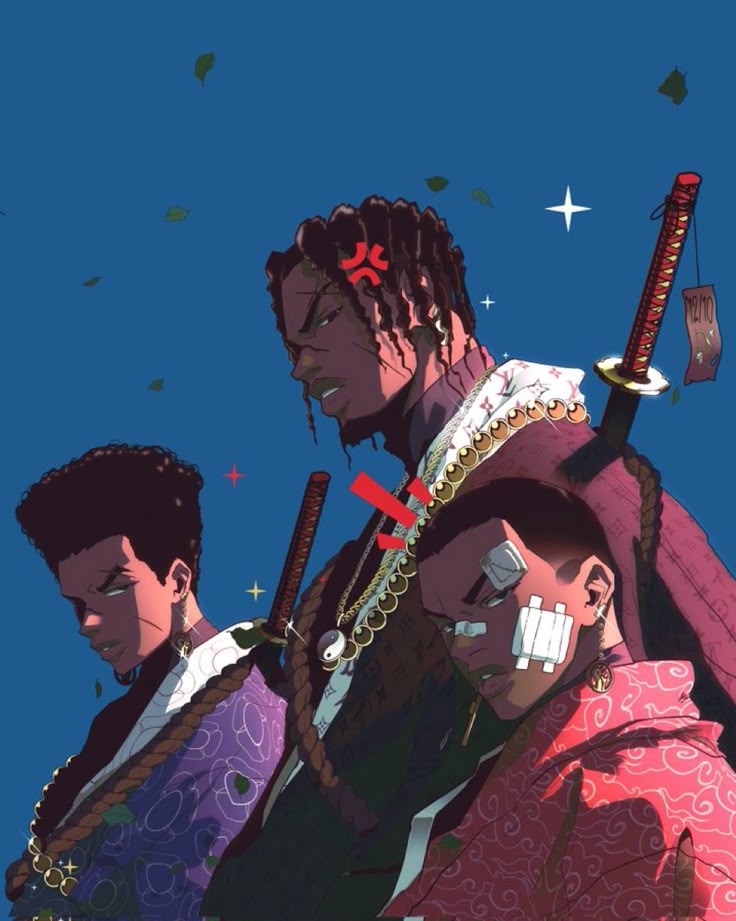
Your piece presents a deeply philosophical and almost mythological perspective on love, shifting it from a romantic ideal to a battlefield of power, control, and desire. At its core, this narrative challenges the traditional notion of love as a force of unity and mutual fulfilment, instead framing it as an illusion—one designed to deceive, weaken, and ultimately enslave those who surrender to it. The rejection of Valentine’s Day is not just a rejection of romance, but of the entire societal construct that glorifies love as something pure and unconditional. Instead, the speaker sees love as a force that entraps, wounds, and demands submission, and they choose to resist it by redefining their relationship with passion and connection.
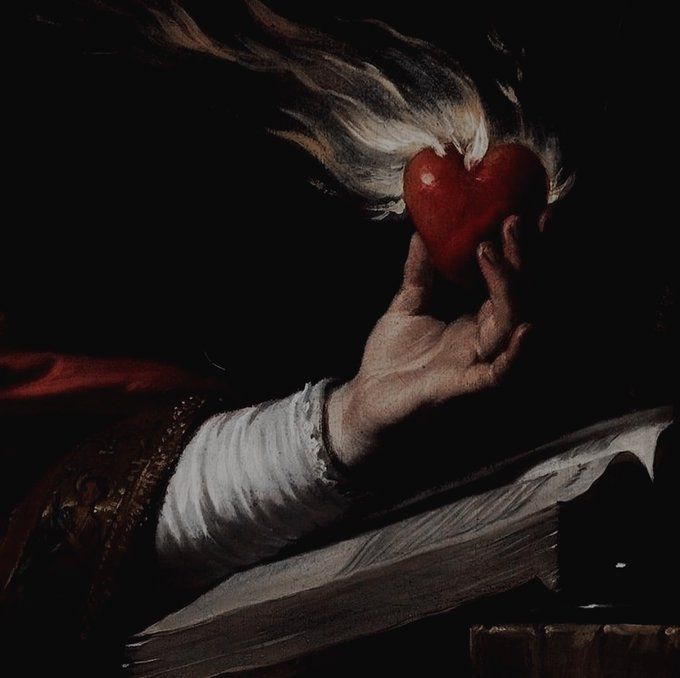
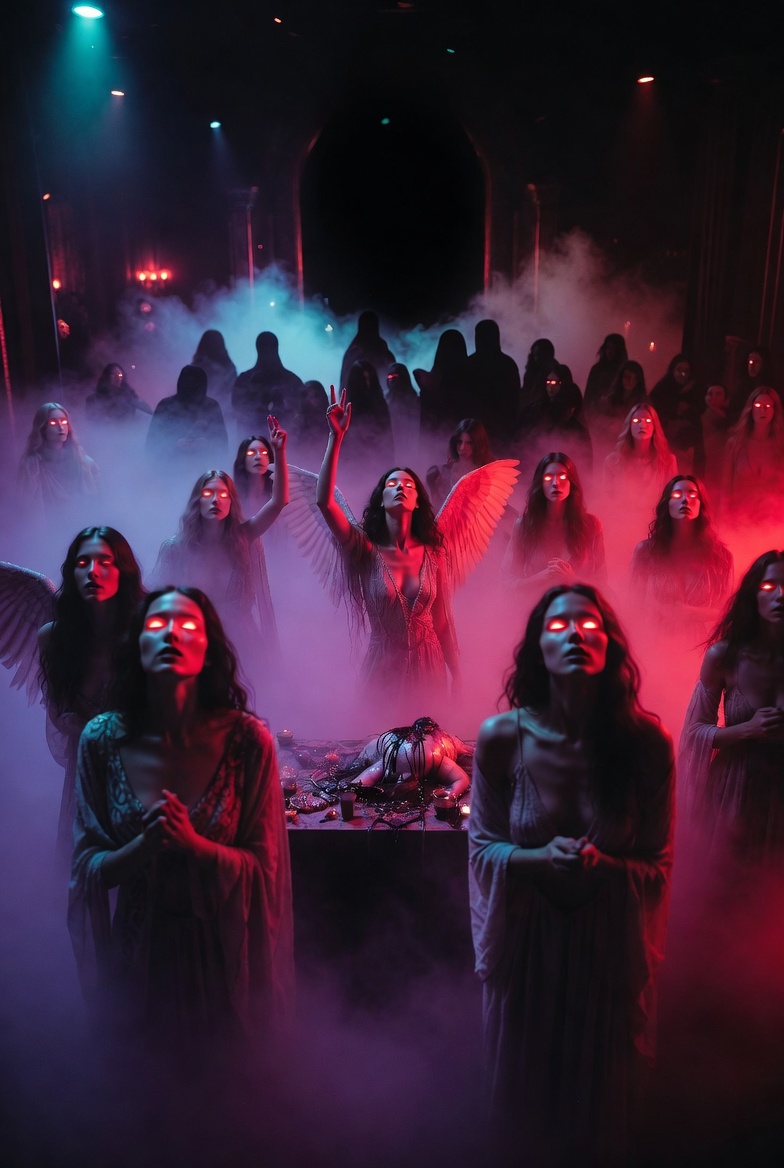
The use of mythological and cinematic imagery enhances the depth of this philosophy. The army of cupids, traditionally symbols of love, are reimagined as agents of control, serving not to unite but to awaken desire in others while shielding the speaker from its consuming fire. The Medusa reference speaks to betrayal, to past experiences that have hardened the speaker’s heart, turning them into someone who no longer seeks love but instead wields it as a tool. Yet, despite this transformation, there is no sense of victimhood—only power. The comparison to Sylvester Stallone, a figure synonymous with resilience and battle, reinforces the idea that the speaker refuses to be broken. Instead of being a passive participant in the game of love, they become the hunter, the lion prowling in the jungle of desire, understanding that love is not about surrender but about control. This philosophy is both dark and empowering, offering a perspective where love is not a sanctuary but a battlefield where only the strongest endure.






 LifeandTimelessart