




Soul Divided: James 1:8 on Israel-Palestine War

The Second Tread from “Deceptive Art Of War : Israel – Palestine (Poem)”:
is “spiritual division”
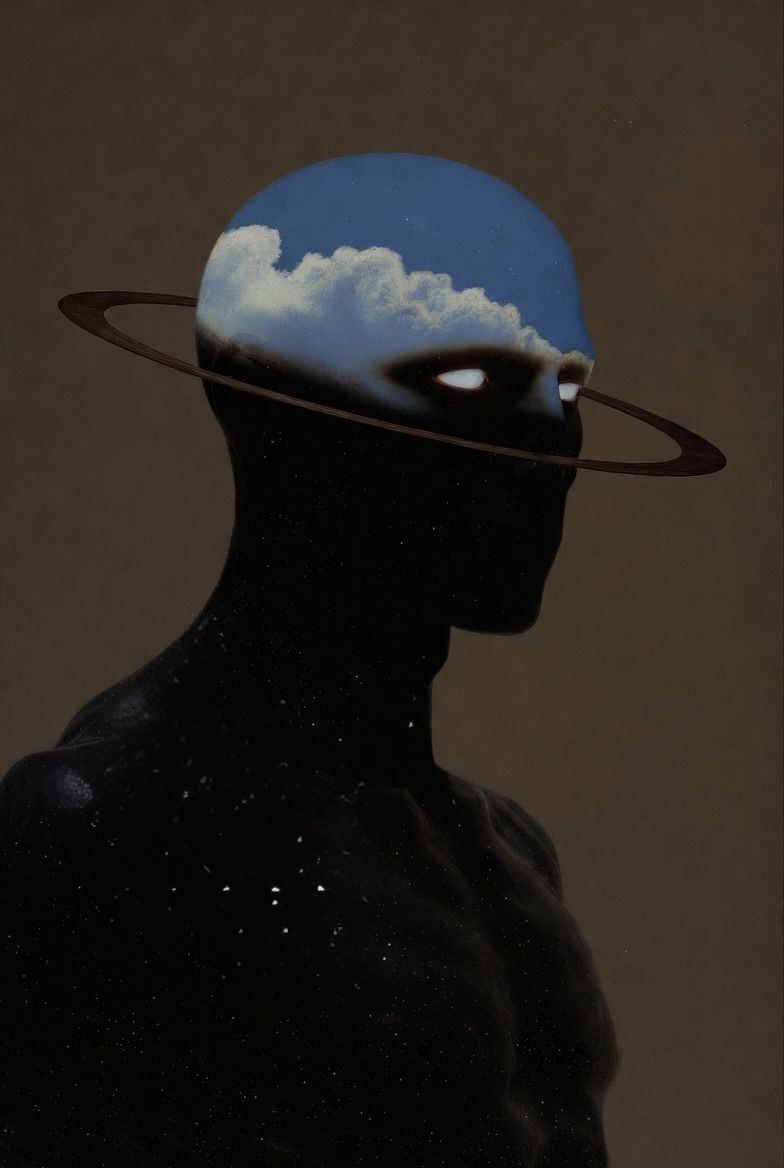
Everyone around me are conflicted and torn apart between loving and hating the deceptive art displaying two nations going to war for a piece of land, they religiously and historically adore.” The air hums with tension—not just out there, in the streets of Jerusalem or the rubble of Gaza, but here, among us. The people around me waver, their hearts swaying like reeds in a storm, torn between awe for the sacred land and horror at the bloodshed it breeds. This deceptive art—the Israel-Palestine war splashed across our screens and souls—stirs a war within: a love for what’s holy, a hate for what’s cruel. We stand divided, not just by borders, but by the pull of reverence and rage.
The land at the heart of this conflict isn’t mere dirt; it’s a pulse, a living relic cherished by both Israel and Palestine. It throbs with religious weight—where Abraham walked, where temples rose and fell—and historical scars, battles etched into its stones across millennia. They adore it, fight for it, die for it, and we, the onlookers, feel the echo of that devotion. Yet it divides—nations, families, even our own minds. The deceptive art of this war paints a picture so vivid we can’t look away: two peoples locked in a struggle, their love for the land twisting into hate for each other. It’s a masterpiece that dazzles us into conflict, not clarity.
Scripture pierces this tumult with stark truth: “A double-minded man is unstable in all his ways” (James 1:8). James, the brother of Jesus, didn’t mince words—our wavering splits us, leaves us unsteady. The Israel-Palestine war mirrors this instability in us all. We’re double-minded—revering the holiness of the land one moment, recoiling from its bloodshed the next. James 1:8 isn’t just a diagnosis; it’s a warning: caught between love and hate, we’re unable to stand firm, unable to see past the exhibit’s gilded frame. The deceptive art thrives on this split, feeding our indecision until we’re as torn as the land itself.
Kierkegaard, the philosopher of anguish, would recognize this trembling. He wrote of the soul’s dread before choice, the weight of standing at a crossroads with no easy path. In the Israel-Palestine war, that dread is ours—do we honor the sacred history, the promises tied to this soil, or do we curse the cruelty that stains it red? The deceptive art offers no answers, only a canvas that shifts with every glance: beauty in the faith it inspires, barbarity in the lives it claims. Our souls tremble before such duality, unstable as James foretold, because the exhibit demands we feel both, yet resolve neither.
This war within isn’t abstract—it’s personal. I see it in the eyes of friends, hear it in the debates that fracture quiet rooms. One voice praises the resilience of a people defending their roots; another mourns the children buried under those same roots. The Israel-Palestine war doesn’t just divide nations—it divides us, pulling us into its deceptive art until we’re part of the display. James 1:8 rings true: we’re unstable, not because we lack conviction, but because we hold too many at once—love for the sacred, hate for the suffering, and no way to reconcile them.
The deceptive art of this conflict keeps us trapped in that instability. It’s painted to provoke, to split us between reverence and revulsion, ensuring we never step back to question the frame itself. Kierkegaard’s anguish isn’t just our burden—it’s our mirror, reflecting a soul caught in the push and pull of a land too holy to abandon, too broken to heal. James 1:8 doesn’t offer escape, but clarity: our double-mindedness is the war’s triumph, not ours.
So I ask: Are you torn by this painted conflict too? Does the Israel-Palestine war stir the same war within you—love for its sanctity, hate for its chaos? The deceptive art holds us in its grip, unstable and wavering, until we choose to see beyond it. What pulls at your soul when you face this canvas?