



The First Tread from “Deceptive Art Of War : Israel – Palestine (Poem)”:
is “Deceptive Art Unveiled: Ephesians 6:12 Explained”
These current world events resemble a fine deceptive art on display.” Step into the gallery of today’s chaos—nations clashing, headlines screaming—and you’ll see a spectacle unfold. What we witness in the Israel-Palestine conflict, a struggle etched across decades, isn’t merely a war over soil and stone; it’s a deceptive art, a masterpiece of illusion hung for the world to gawk at. The rockets streak across the sky, the protests swell in the streets, the blood stains the earth—it’s a canvas stretched tight, painted with strokes of violence and grief. But beneath the surface shimmer, there’s a craft at work, one so meticulous it dazzles us into distraction, pulling our eyes from the truth.
This isn’t a new exhibit. The Israel-Palestine conflict has hung in history’s halls for generations, its colors shifting—now vivid with hope, now dark with despair—yet always captivating. On the surface, it’s a battle for land, a tug-of-war over borders drawn by faith and memory. But what if that’s just the frame, not the picture? Plato’s allegory of the cave haunts me here: we’re like prisoners chained, watching shadows dance on the wall, mistaking the flickering images for reality. The explosions, the chants, the endless newsreels—they’re shadows, reflections of a deeper design. The deceptive art isn’t the war itself; it’s the illusion that this is all there is to see, that the fight ends at what we’re shown.
Ephesians 6:12 Explained: A Spiritual Lens
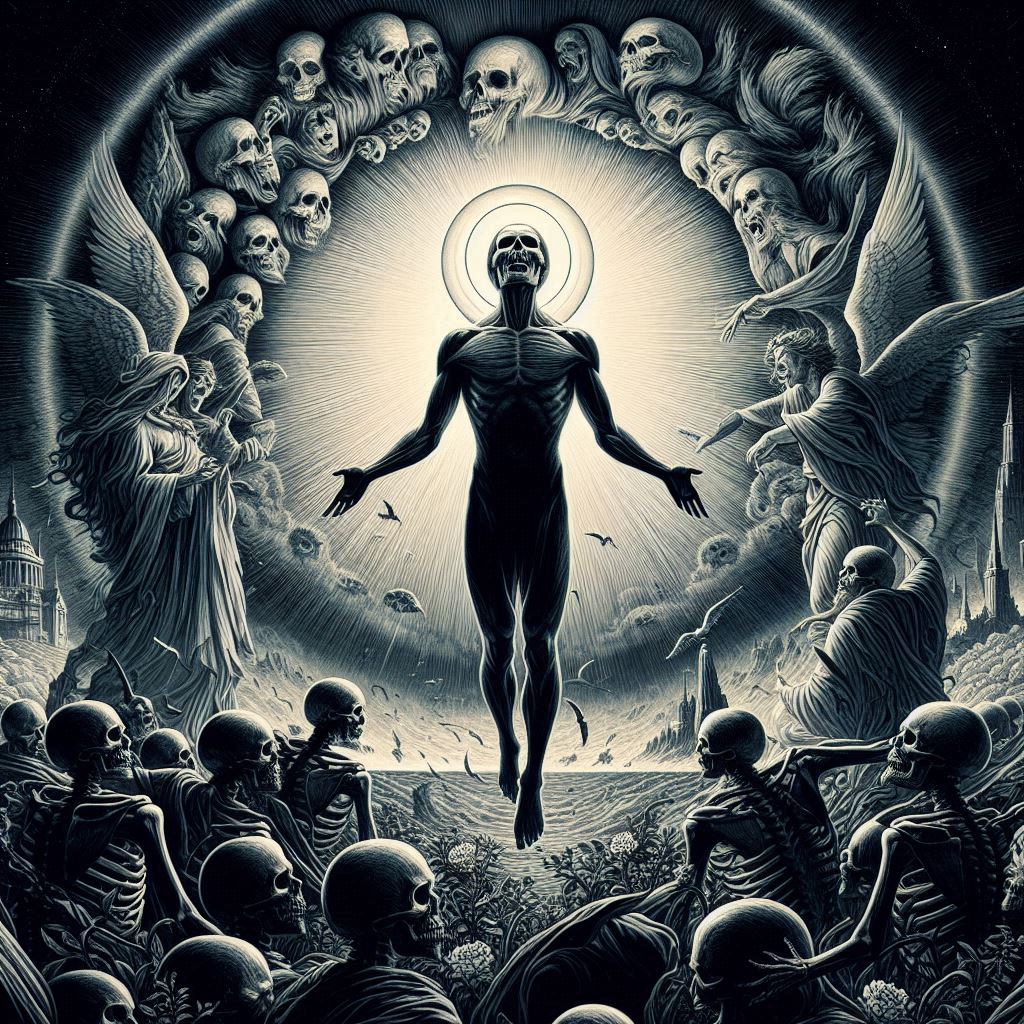
Scripture cuts through this haze like a blade. Ephesians 6:12 declares, “For we do not wrestle against flesh and blood, but against principalities, against powers, against the rulers of the darkness of this age, against spiritual hosts of wickedness in the heavenly places.” This scripture on deception lifts the veil: the true war isn’t on the ground, in Gaza’s rubble or Jerusalem’s streets—it’s in the unseen, where powers orchestrate what we perceive. The rockets are real, the pain is real, but they’re props in a gallery curated by hands we don’t name. The deceptive art dazzles us with its surface—two nations locked in a holy struggle—while the artist’s hand stays hidden, brushing chaos across our minds.
Plato’s Cave and the Illusion of War
Plato’s cave and Paul’s warning converge on a single truth: we’re meant to stare, not question. The Israel-Palestine conflict plays out like a tragedy scripted for our eyes—each act a clash, each scene a headline—keeping us transfixed on the exhibit. But what if the real battle isn’t territorial? What if it’s a war for our understanding, our souls, fought by those “rulers of the darkness” Ephesians hints at? The deceptive art thrives when we gape at the canvas and ignore the gallery itself—the structure holding it up, the shadows pulling the strings. Rockets launch, protests roar, blood flows—all part of the display, all curated to keep us from asking: Who hung this painting?
This isn’t to dismiss the suffering—every cry from a mother, every child lost, is a wound that bleeds true. But the deceptive art lies in how it’s framed: a simple tale of two sides, good versus evil, us versus them. Ephesians 6:12 shatters that simplicity. The scripture on deception insists we look higher, deeper, past the flesh and blood to the powers weaving this illusion. Are we fighting nations, or are we pawns in a gallery we don’t own? The Israel-Palestine conflict isn’t just a war—it’s a distraction, a deceptive art so fine we forget to seek the artist.
So I ask you: What do you see when you look at this exhibit? Do you see the shadows—rockets, flags, tears—or do you glimpse the wall they’re cast upon? The deceptive art of current events hangs before us, stunning in its chaos, but Ephesians 6:12 whispers a challenge: step out of the cave. The true war isn’t on the ground; it’s in the mind, the spirit, the unseen. What if we’ve been staring at the wrong fight all along? What’s your view of this gallery?