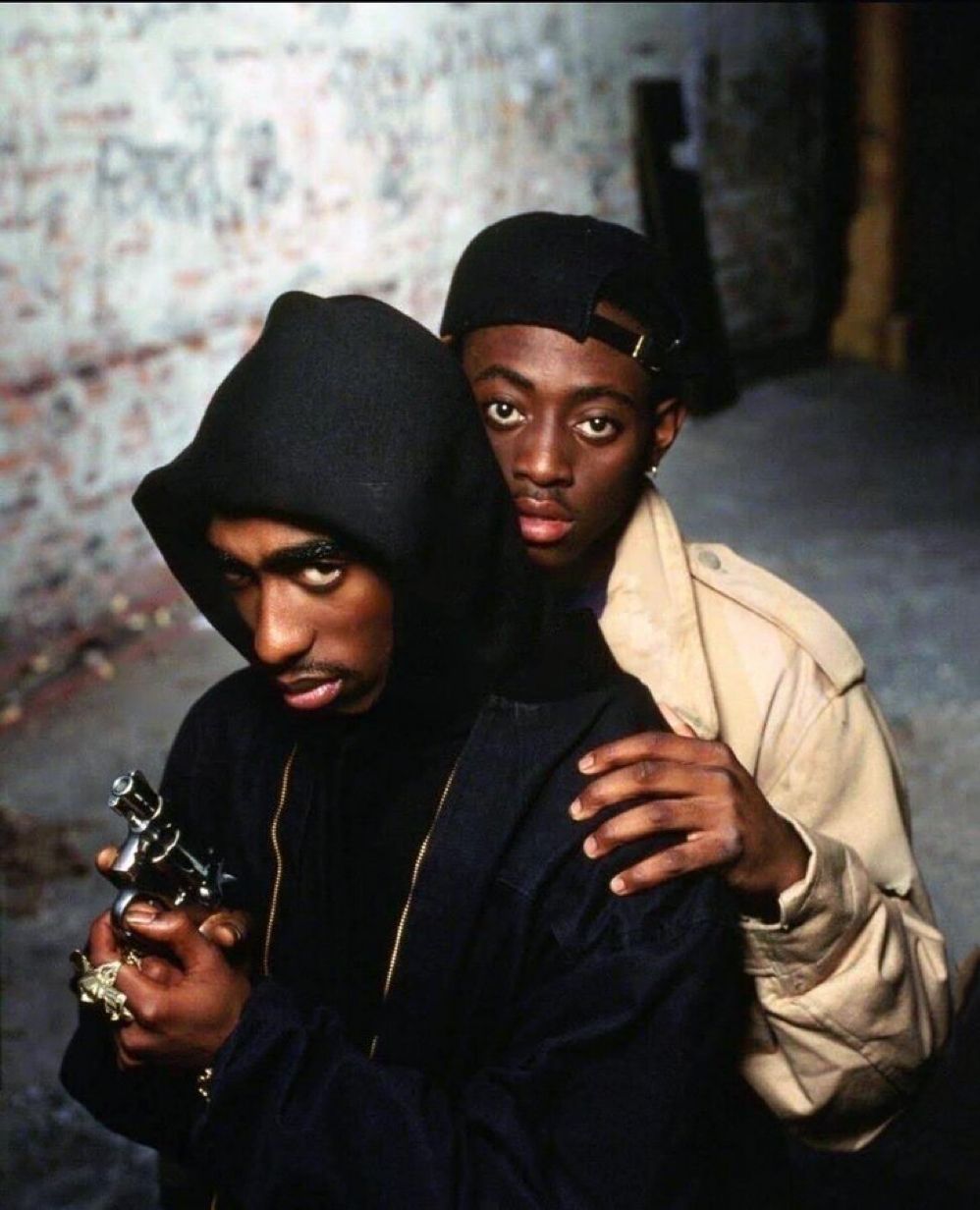
I woke to a shadow in my room, my own face staring back, twisted with a grin that wasn’t mine. It held my gun, accusing me: “You thought you could embody the essence of wrath’s?” Its words cut deep, naming “friends” I’d killed—lives I’d ended or betrayed in moments I can’t unmake. Jean-Paul Sartre’s words haunt me: I’m condemned to be free, chained to every choice I’ve made. I tried to deny it, to flee this mirror of my guilt, but Sartre’s “bad faith” mocks my escape. I can’t outrun myself.
The shadow is me, my truth, my past, demanding I face it. Running through Paris, the city warped into a nightmare—Champs-Élysées turned to “shadowed veins,” ghosts whispering my sins. Martin Heidegger’s Angst grips me; this is dread, not just of death, but of being. My “heart racing like a bullet train,” my “eyes wide open and sharply aware like an eagle”—these are my body screaming what Heidegger calls Being-toward-death. The world collapses into this moment, this chase, where I’m stripped bare, my existence raw and exposed. The streets screech, the wolf howls, and I’m alone with my finitude. Friedrich Nietzsche’s voice echoes: “You have not yet overcome your shadow.” This doppelgänger is my shadow, the parts of me I’ve buried—rage, guilt, the blood on my hands. It threatens to “cage” my soul in a “permanent curse,” like Nietzsche’s eternal recurrence, forcing me to relive my failures forever. I want to scream, to reject it, but it’s me. I’m the accuser and the accused.Søren Kierkegaard’s despair claws at me. My “storm of anxiety” is his sickness unto death—I’m torn between fleeing who I am and fearing to become who I must be.
The shadow’s gun at my head is my own refusal to reconcile with myself. It says, “This is for all my friends you have killed,” and I feel the weight of every wrong, every wound I’ve caused. Despair chokes me, but Kierkegaard whispers of a leap—to face myself, to choose authenticity. Then the trigger clicks, and I wake, “horrifically sweating heavily.” Albert Camus’ absurdism floods in. The world is absurd—beauty in the “moon beaming,” terror in the “streets screeching.” I’m Sisyphus, waking to push the boulder again. The shadow hasn’t vanished; it lingers in my mirror, my conscience. But Camus urges me to rebel, to create meaning in this chaos. I’m alive, breathing, despite the dread. I must forge purpose, not find it, confronting my shadow not with fear but with defiance, building a life from the fragments of my broken self.
Poem Treads
Inspired By :
 LifeandTimelessart