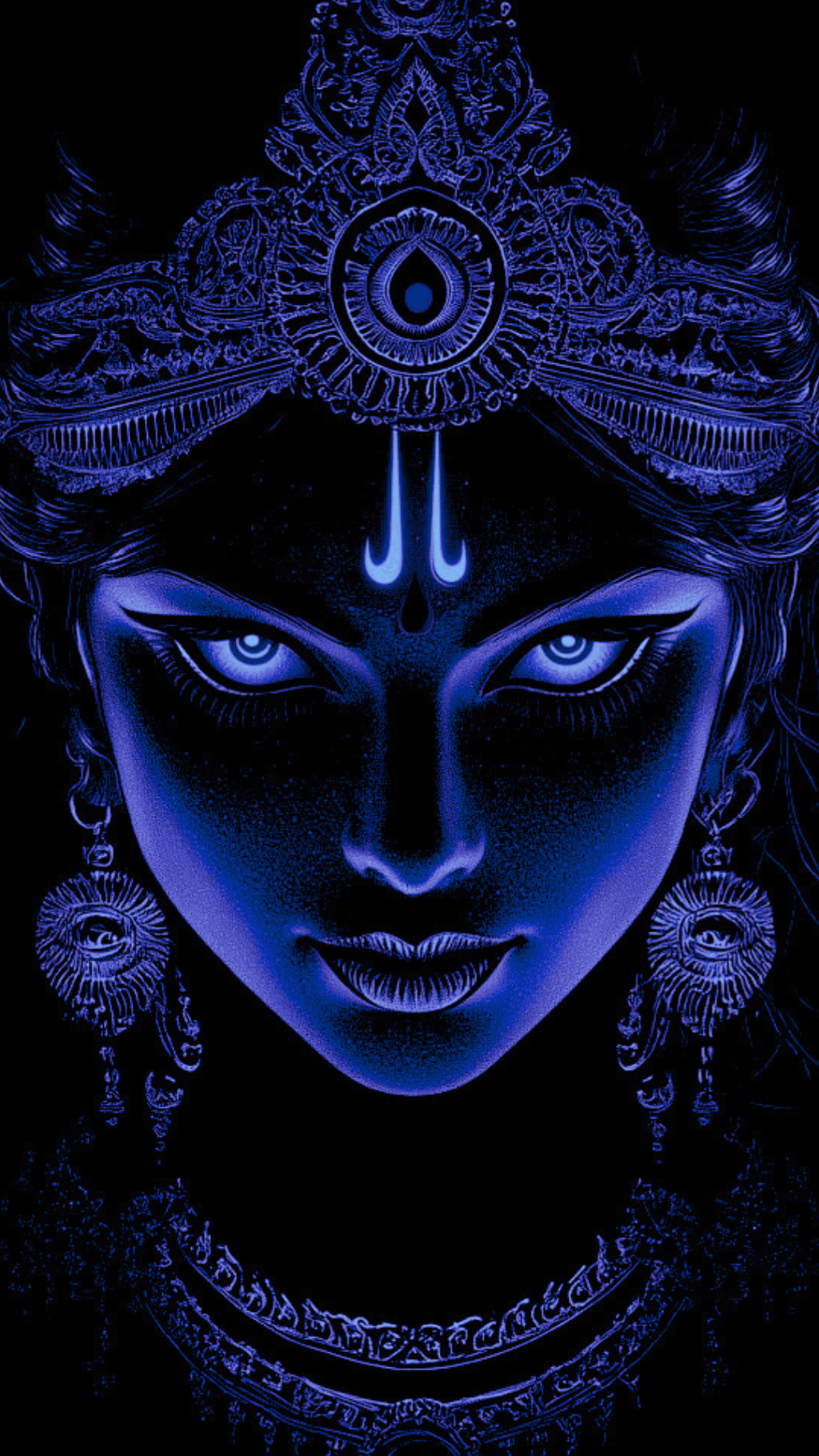
To flirt with lust and passion is to step into a cosmic dance, a primal waltz with the divine that reverberates through both the fierce imagery of Kali, the Hindu goddess of destruction, and the sacrificial narratives of the Bible. Offering one’s severed head to Kali’s sacred garland or laying down one’s life at the cross represents a profound surrender—a philosophical and spiritual act that transcends desire to touch the eternal. This exploration weaves mythology, Christian theology, and existential reflection into a meditation on ego death, divine love, and transformation.
The Dance with Kali: Passion as Destruction and Creation
In Hindu mythology, Kali embodies paradox: creation born of destruction, life sustained by death. To dance with her, flirting with the raw energy of lust and passion, is to risk annihilation. The severed head offered to her garland symbolizes the surrender of ego, a concept mirrored in existential philosophy and spiritual traditions. This act, far from mere loss, integrates the devotee into the divine cycle, where passion’s fire clears the way for renewal. Keywords: Kali mythology, spiritual surrender, passion and destruction, ego death philosophy
Biblical Parallels: Sacrifice and Redemption
The Bible offers a striking parallel in its narratives of surrender and redemption. Samson’s passion for Delilah (Judges 16:4–21) leads to his metaphorical “beheading”—the loss of his strength—yet his final act of surrender aligns him with divine purpose, toppling the Philistine temple. Similarly, Christ’s teaching in John 12:24—“Unless a grain of wheat falls to the ground and dies, it produces many seeds”—frames death to self as the path to spiritual fruitfulness. The cross, like Kali’s garland, becomes a symbol of liberation through sacrifice. Keywords: biblical sacrifice, Samson and Delilah, John 12:24, Christian redemption
Paul’s words in Galatians 2:20—“I have been crucified with Christ and I no longer live, but Christ lives in me”—echo the devotee’s offering to Kali. Both traditions demand the death of the ego, a release of the finite self to embrace the infinite divine. Yet, Christianity infuses this surrender with redemptive hope. Christ’s resurrection (John 20:1–18) transforms the “severed head” into a promise of eternal life, contrasting Kali’s relentless cycle with the triumph of divine love. Keywords: Galatians 2:20, resurrection meaning, divine love, Christian surrender
The Philosophy of Surrender: Balancing Desire and Transcendence
To flirt with lust is to navigate a perilous edge, where desire can consume or illuminate. Philosophically, this dance evokes Nietzsche’s Dionysian chaos or Advaita Vedanta’s non-dual unity, where the self dissolves into the divine. The biblical call to “deny oneself” (Matthew 16:24) aligns with Kali’s demand for total surrender, but it tempers passion’s fire with the eternal flame of love described in Song of Solomon 8:6: “Love is as strong as death.” Keywords: philosophy of desire, non-dual spirituality, Matthew 16:24, Song of Solomon
The ethical question emerges: how do we engage passion without being consumed? Kali’s dance requires disciplined surrender, a conscious offering rather than blind indulgence. Similarly, Christian teachings advocate discernment, channeling desire toward divine alignment. This balance transforms lust from sin into a sacred fire, a portal to transcendence. Keywords: spiritual discipline, passion and discernment, sacred desire
Conclusion: A Universal Call to Transformation
Whether through Kali’s garland or Christ’s cross, the dance with passion invites us to surrender the ego, embracing destruction as a path to liberation. In Hindu and Christian contexts, this act reveals a universal truth: in dying to self, we awaken to the divine. To flirt with lust and passion is to worship at the altar of existence, trusting that in surrender, we find eternity. Keywords: spiritual transformation, universal spirituality, divine surrender
 LifeandTimelessart