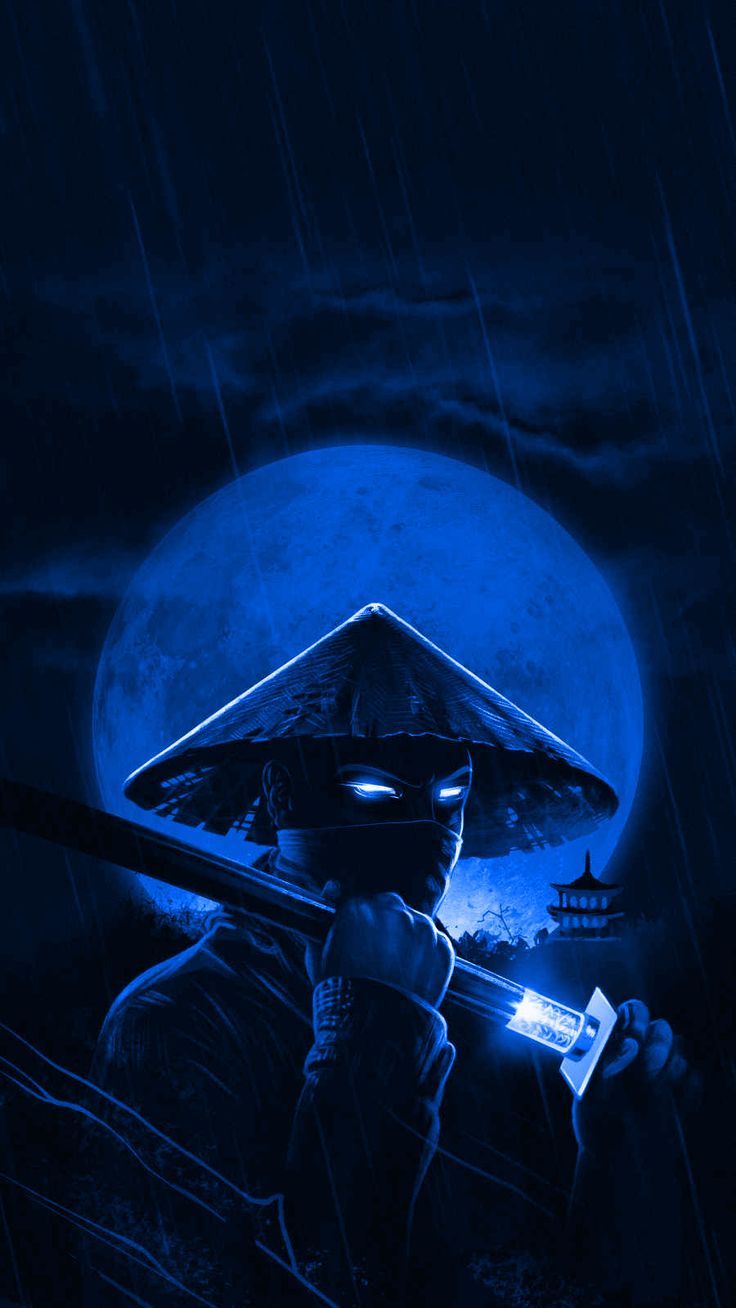
The philosophical underpinning of this vivid, violent poetic imagery lies in the tension between purity and corruption, a recurring theme in existential and moral philosophy. The speaker’s “barbaric antics” and katana-wielding poetry reflect a Nietzschean rejection of conventional morality, embracing a radical, destructive act to “cleanse” a world deemed inherently impure. This aligns with Nietzsche’s concept of the will to power, where creation and destruction are intertwined—here, the artistry of poetry becomes a weapon to annihilate and, paradoxically, to renew. The assertion that “no one under the sun is pure” echoes existential despair, akin to Sartre’s view of human existence as fraught with inauthenticity, justifying extreme measures to confront this truth.
The invocation of “crucifying” with “sharpness the artistry” suggests a sacrificial motif, reminiscent of Camus’ absurd rebellion. The speaker’s method, though “insane,” is a deliberate confrontation with the absurd—a refusal to accept a meaningless world passively. By wielding poetry as a katana, the speaker elevates destruction to an art form, akin to Artaud’s Theatre of Cruelty, where shocking acts aim to awaken dormant truths. The “horrific scene” is thus a philosophical statement: to dismantle a corrupt world requires a violence that is both literal and symbolic, forcing society to face its own moral decay.
Yet, the final plea to “revive Azuza soul” and “illuminate society with hope” introduces a redemptive counterpoint, suggesting a Hegelian dialectic—destruction as a precursor to synthesis and renewal. This hope, though fragile, aligns with Buber’s philosophy of encounter, where true change emerges from confronting the “other” (here, society’s flaws) with radical authenticity. The poem’s barbarity, then, is not mere nihilism but a philosophical gauntlet: to shatter illusions of purity, expose humanity’s shared guilt, and carve a path toward a reimagined, hopeful society through the crucible of poetic violence.
 LifeandTimelessart