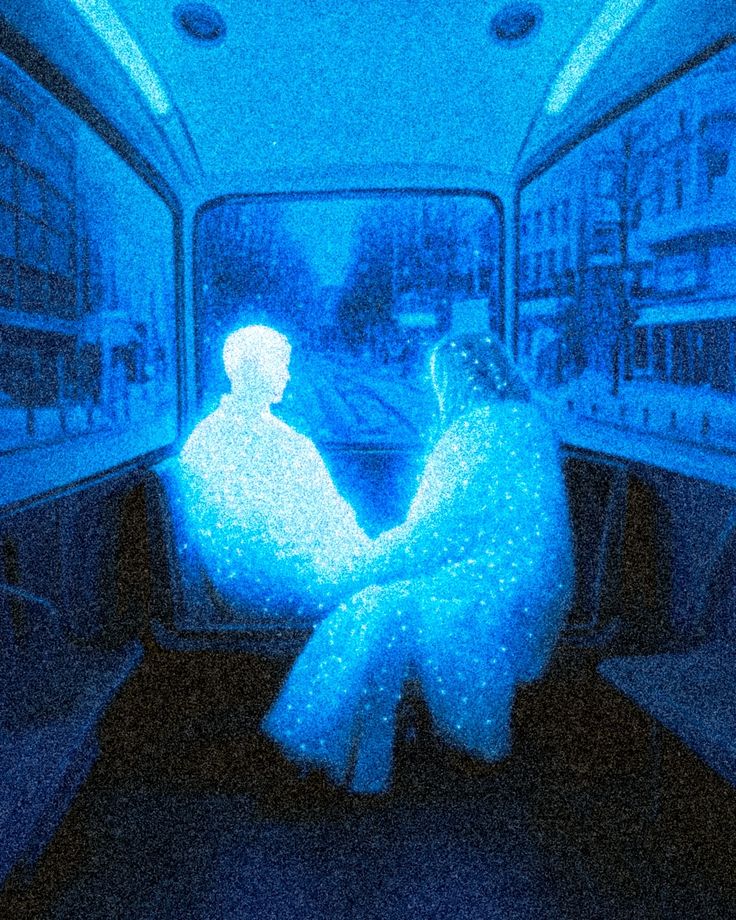
From an existentialist perspective, the “perfect cycle of lust” encapsulates humanity’s entanglement with inauthentic desires, a concept deeply explored by philosopher Jean-Paul Sartre. Lust, as depicted in the poem, emerges as a repetitive and ultimately hollow pursuit that diverts individuals from a meaningful existence. Rather than fostering genuine connection or love, it ensnares the speaker in a loop of fleeting gratification, devoid of deeper purpose. This cycle mirrors Sartre’s notion of “bad faith,” where individuals evade their inherent freedom and responsibility by surrendering to base impulses, thus forsaking authentic selfhood.
The poem’s speaker grapples with a profound sense of entrapment, caught in the relentless rhythm of desire that promises fulfillment but delivers only temporary satisfaction. This struggle reflects the existential tension between the pursuit of immediate pleasures and the search for enduring meaning. Sartre argues that humans are condemned to be free, yet the speaker’s immersion in lust represents a flight from this freedom, a refusal to confront the anxiety of crafting a purposeful life. The cycle of lust becomes a distraction, a way to avoid the daunting task of defining one’s essence in an indifferent universe.
This entrapment is further compounded by the speaker’s awareness of their predicament, yet their inability to break free. The “perfect cycle” suggests a self-perpetuating system, seductive in its predictability, that lulls the individual into complacency. Sartre’s concept of bad faith is evident here, as the speaker chooses the comfort of repetition over the uncertainty of authentic existence. The poem illustrates how lust, while momentarily exhilarating, becomes a form of existential stagnation, chaining the individual to a life of superficiality rather than one of self-determined purpose or genuine human connection.
Ultimately, the poem serves as a poignant critique of the human condition, highlighting the seductive yet destructive nature of inauthentic desires. The cycle of lust, as an existential trap, underscores the challenge of transcending base impulses to pursue a life of meaning and authenticity. Sartre’s philosophy reminds us that breaking free requires embracing freedom and responsibility, a daunting but necessary step toward true connection and purpose. The speaker’s plight resonates as a universal warning: to remain ensnared in lust is to risk a life unexamined, forever circling but never arriving at the core of what it means to be human.

The Second Tread From “No One Else“
is The Cycle of Lust As Existential Entrapment (Blog)…
 LifeandTimelessart