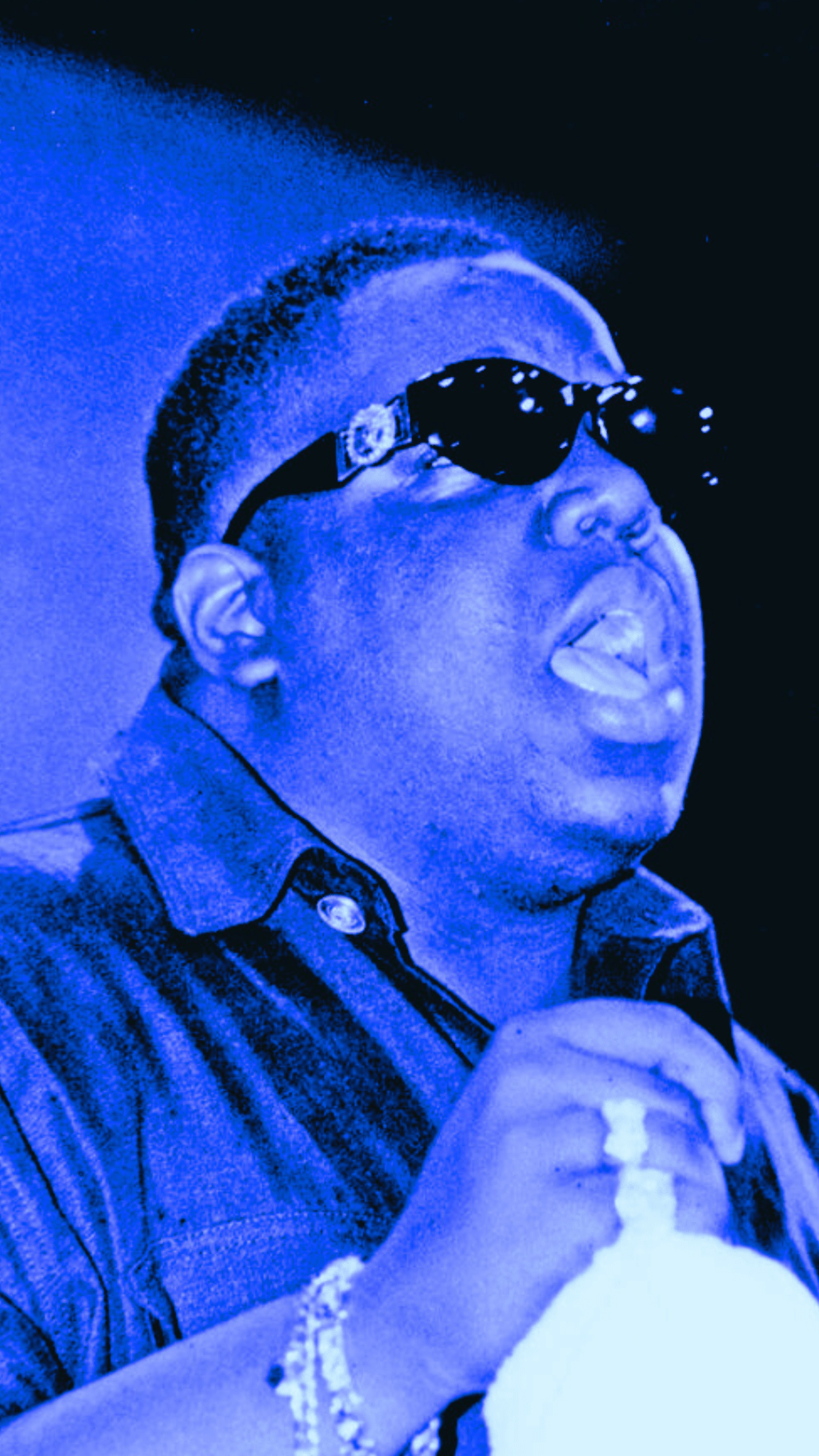
The First Tread From “Behind These Versace Glasses” (Poem)” .
Becoming the Barbaric King: A Poem of Prophecy, Guilt, and 2 Kings 8:13 (Poem)…
I sit with my poem, its words like scars I can’t ignore, trying to understand how I became the man I am. Writing this poem about prophecy and transformation felt like tearing open a wound, but I had to face the truth. It starts with a moment burned into my memory: I stood there, my Versace lenses gleaming, feeling untouchable. Then a virtuous woman appeared, her gaze piercing my shades, seeing straight to my soul. She spoke of a dark future—a barbaric king, me, ruling with vengeance, causing a massacre across the land. I laughed, denying her prophecy. Me, a monster? I was just a guy with style, not a tyrant. But her words lingered, heavy and sharp, and my poem traces how they came true.
The Versace Lenses: My Shield of Denial
The poem begins with those Versace lenses, a symbol of my denial. They weren’t just sunglasses—they were my way of hiding from the truth. Through them, the world seemed softer, and I could pretend I was innocent, untouched by the darkness she saw. I’d catch my reflection, all polish and confidence, and think, This is who I am. But deep down, I knew I was lying. I didn’t want to face the part of me that could become her prophecy—a man driven by power, capable of cruelty. So I pushed her words away, telling myself I’d never change. The poem captures that struggle, showing how I clung to those lenses to avoid my own potential for destruction.
My Art Born of Heat
In the film, bodies clash—desire’s a battlefield, physical and fraught. But for me, my caramel fever transcends that; it’s not just her skin I admire, it’s the fire it sparks. I write “fiery murals scattered around the apartment rooms,” and I mean it—every line I pen is a brushstroke, turning heat into art. I think Aristotle might get it: this isn’t desire for its own sake but for what it makes possible. While Lee’s characters stumble through their fever’s fallout, I’m building something—words that glow, murals that hold my soul’s blaze steady.
A Prophecy Unfolds: My Choices, My Fall
As I wrote, I relived the years after her prophecy, watching it unfold bit by bit. Every choice—every moment I let anger win, or pride take over—brought her vision closer to reality. I’d hurt someone, cross a line, and hear her words echo: reigning and becoming monstrous. The poem doesn’t shy away from that truth. I fought to stay the man I was, but I felt the lenses slipping. Then came the day I tore them off, not because I had to, but because I wanted to. I chose to see the world clearly, to embrace the power inside me. I became that barbaric king, and for a moment, it felt like freedom. The poem lays bare how I made that choice, step by step, turning my back on the innocence I once held.
The Massacre: A Reflection of My Guilt
The heart of the poem is the massacre—blood spilled, lives broken, screams fading into silence. I wrote it plainly because that’s how it haunts me. It wasn’t just the world I destroyed—it was myself, the man I thought I’d always be. My innocence drowned beneath memories of every decision that led me here. I could’ve chosen differently—moments of kindness, restraint—but I didn’t. The poem is my confession: I caused this. Not her prophecy, not fate, but my own hands. Writing about guilt and redemption, I feel the weight of what I’ve done—the thrill of power, the pain of loss, knowing I can’t undo it. The poem holds that truth, raw and unfiltered.
2 Kings 8:13: A Scripture of Denial
A scripture keeps circling in my mind, from 2 Kings 8:13: “Hazael said, ‘How could your servant, a mere dog, accomplish such a feat?’” Hazael speaks to Elisha, shocked by a prophecy that he’ll become king and commit terrible acts. That’s me, standing in my Versace lenses, telling that virtuous woman, Me, a monster? I’m just a guy. His disbelief mirrors mine—I couldn’t imagine my hands holding a blood-soaked crown. But like Hazael, I made it real. The scripture underscores the poem’s theme of denying one’s potential for harm, only to see it come true through choices. It’s a reminder that we don’t always know what we’re capable of until we’re there, facing the consequences.
Why I Wrote the Poem
Writing this poem about personal transformation wasn’t just about confessing—it was about searching. For what? Maybe forgiveness, maybe a way back. The virtuous woman’s eyes still watch me, not judging, but seeing the truth. My innocence is gone, drowned deep, but the poem gives me a flicker of hope. It ends with the massacre, but I don’t think my story does. The scripture doesn’t offer answers—Hazael becomes what Elisha saw, and life moves on. But I’m still here, words in hand, asking what’s next. Can I be more than this barbaric king? The poem makes me believe I can try, that I owe it to the man I lost to find out.
A Journey Beyond the Page
This poem is my mirror, my truth, my chance to wrestle with prophecy, guilt, and redemption. If you’re searching for poetry about transformation, biblical reflections like 2 Kings 8:13, or stories of facing one’s darker side, I hope my words resonate. I wrote them to understand myself, but maybe they’ll speak to you too—about the choices we make, the masks we wear, and the hope we hold, even after everything falls apart.
 LifeandTimelessart