
The First Tread from “Caramel Fever (Poem)”
is The Soulful Layers.
My Fever’s Cinematic Echo
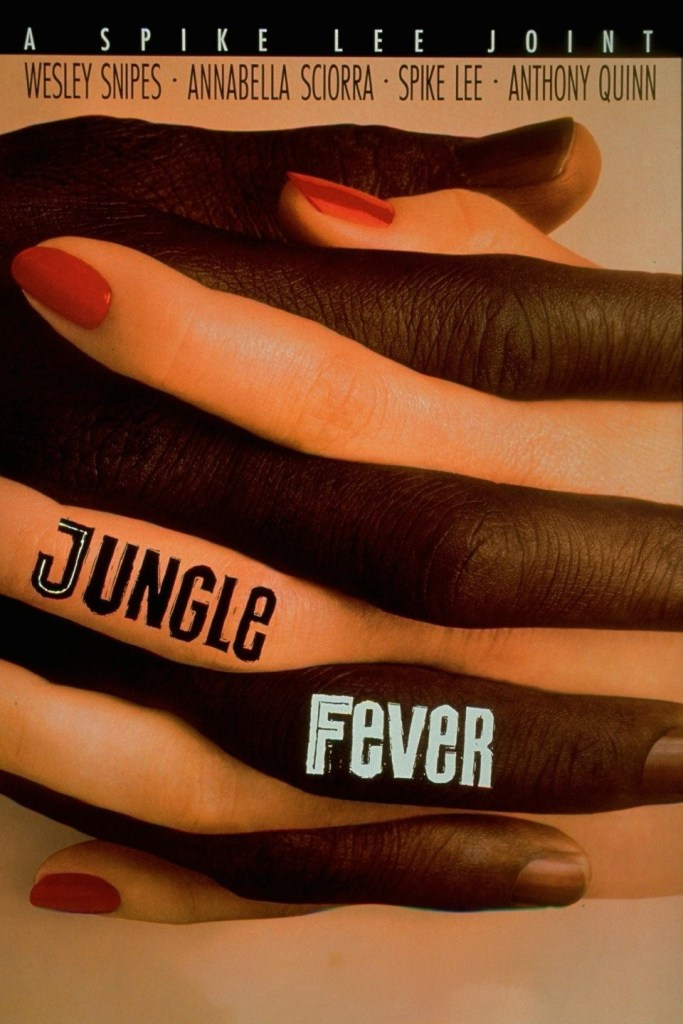
When I watch Spike Lee’s Jungle Fever, I see “jungle fever” unfold as a wild, tangled pull—Flipper and Angie caught in a taboo storm of interracial desire, weighed down by society’s glare. I feel that raw energy resonate when I write, “I am not immune to catching the jungle fever,” admitting I’m not above its primal grip. The film shows it tearing through lives, exposing prejudice and chaos, but I don’t linger there. Instead, I turn to something deeper—my “caramel fever”—a flame that flickers differently, hinting at a journey beyond what Lee’s lens captures.
My Caramel Inferno
In Jungle Fever, desire crashes like a wave, leaving wreckage behind, but my caramel fever burns quieter, hotter, more personal. I feel it “increase the inferno throughout my soul,” not as destruction but as fuel. Unlike Flipper’s reckless fling with Angie, which unravels under outside pressure, my fever doesn’t answer to the world—it’s mine, igniting late-night scribbles and whispered lines. I’m not just chasing skin; I’m chasing something soulful, a fire that doesn’t fade but grows, warming the corners of my mind where creativity hums.
My Desire’s Many Faces
I’ve realized desire isn’t one thing—Lee’s jungle fever proves that with its messy, lust-driven chaos, all racial tension and broken bonds. I nod to it in my poem, but my caramel fever feels different, layered. It’s not a fleeting itch; it “increases,” spreading like ink across a page, steady and alive. I think of philosophers like Schopenhauer, who’d call desire a trap, but I disagree—I see it as a prism. Through one facet, I glimpse the film’s restless heat; through another, I find my own, a passion that doesn’t just take but gives me something to shape.
My Art Born of Heat
In the film, bodies clash—desire’s a battlefield, physical and fraught. But for me, my caramel fever transcends that; it’s not just her skin I admire, it’s the fire it sparks. I write “fiery murals scattered around the apartment rooms,” and I mean it—every line I pen is a brushstroke, turning heat into art. I think Aristotle might get it: this isn’t desire for its own sake but for what it makes possible. While Lee’s characters stumble through their fever’s fallout, I’m building something—words that glow, murals that hold my soul’s blaze steady.
My Fever’s Meaning
Looking back at Jungle Fever, I see Flipper’s story end in a loop—desire unresolved, a cry against the cycle. But I’ve found my way out, or maybe in. My caramel fever “murals the soul,” and I feel it as a kind of victory—a muse that drips honey and hums like Sade. I imagine Hegel nodding: jungle fever pulls me one way, the world’s judgment tugs another, and my caramel fever ties it together, lifting me higher. I call it “caramel” because it’s rich, warm, mine—a fever I don’t fight but wield, lighting up my pen and my purpose.
 LifeandTimelessart